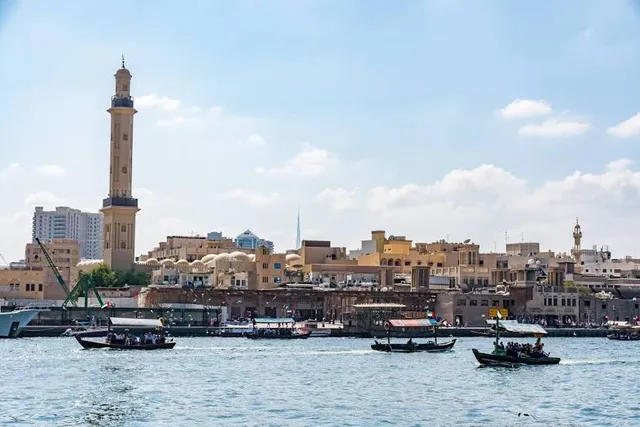
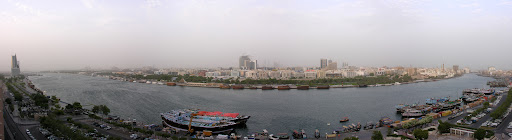
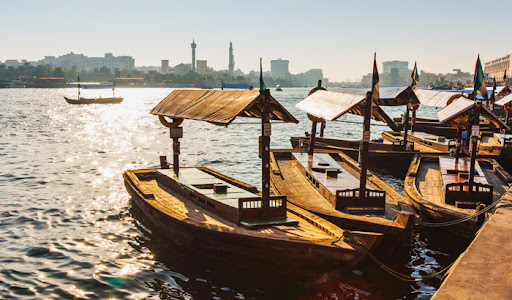
Dubai Creek has been described as a natural saltwater creek, tidal inlet, and watercourse or waterway in Dubai, United Arab Emirates (UAE). It extends about 9 miles (14 km) inwards and forms a natural port that has traditionally been used for trade and transport.The creek ranges from 200 to 1,200 metres (660 to 3,940 ft) in width while the average depth is about 6.5 to 7 metres (21 to 23 ft). Previously, it extended to Ras Al Khor Wildlife Sanctuary but as part of the new Business Bay Canal and Dubai Canal, it extends a further 13 km (8.1 mi) to the Persian Gulf. Some sources say that the creek historically extended as far inland as Al Ain, and that the Ancient Greeks called it River Zara.
In the 1950s, extensive development of the creek began, including dredging and construction of breakwaters. A number of bridges allow movement of vehicles across the creek while abras are used as taxis. The banks and route alongside the creek houses notable government, business and residential areas. A number of tourist locations and hotels are situated along the creek.
History
Historically, the creek divided the city into two main sections โ Deira and Bur Dubai. It was along the Bur Dubai creek area that members of the Bani Yas tribe first settled in the 19th century, establishing the Al Maktoum dynasty in the city. In the early 20th century, the creek, though incapable then of supporting large scale transportation, served as a minor port for dhows coming from as far away as India or East Africa. Although it impeded the entry of ships due to current flow, the creek remained an important element in establishing the commercial position of Dubai, being the only port or harbour in the city. Dubai's pearling industry, which formed the main sector of the city's economy, was based primarily on expeditions in the creek, prior to the invention of cultured pearls in the 1930s. Fishing, also an important industry at the time, was also based along the creek, whose warm and shallow waters supported a wide variety of marine life. Dhows used for purposes of fishing were also built on the foreshore of the creek. The importance of the creek as a site of commercial activity was a justification to introduce improvements to allow larger vessels to transit, as well as to facilitate loading and unloading activities. This led, in 1955, to a plan to develop the creek, which involved dredging shallow areas, building of breakwaters, and developing its beach to become a quay suitable for loading and unloading of cargo. The creek was first dredged in 1961 to permit 7-foot (2.1 m) draft vessels to cross through the creek at all times. The creek was dredged again in the 1960s and 1970s so that it could offer anchorage for local and coastal shipping of up to about 500 tons. The dredging opened up the creek to much more continuous traffic of merchandise, including the development of re-export, and gave Dubai an advantage over Sharjah, the other dominant trading centre in the region at the time.
Al Maktoum Bridge, the first bridge connecting Bur Dubai and Deira was constructed in 1963. Although the importance of the creek as a port has diminished with the development of the Jebel Ali Port, smaller facilities, such as Port Saeed, continue to exist along the creek, providing porting to traders from the region and the subcontinent. In September 2007, a Dhs. 484 million (US$ 132 million) extension of the creek was finished, which now ends just south of the Metropolitan Hotel and projects on Shaikh Zayed Road. A final 2.2-kilometre extension, called the Dubai Water Canal was inaugurated 9 November 2016, crossing Shaikh Zayed Road in a northerly route, passing through Safa Park and then through Jumeirah 2. The channel is expected to continue through Jumeirah Beach Park where it will reach the shores of the...
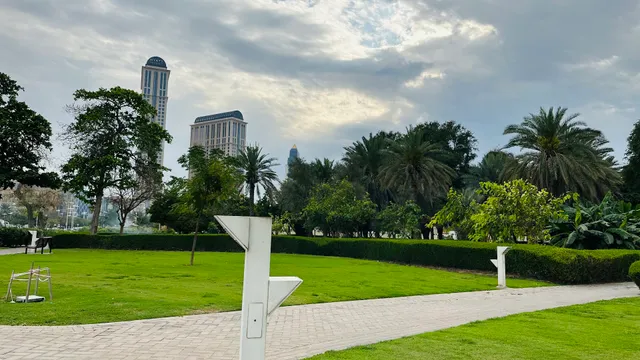
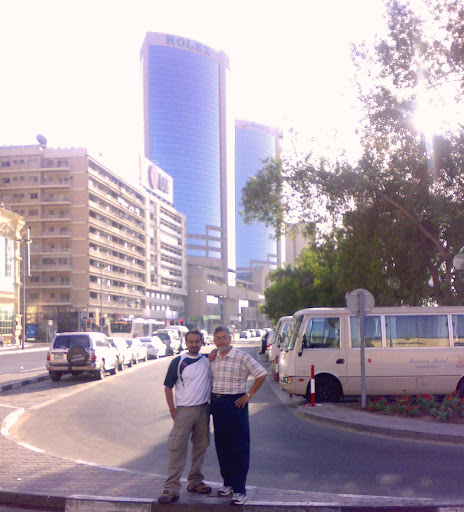
ย ย ย Read moreDubai Creek (Arabic: ุฎูุฑ ุฏุจูโ, translit. Khor Dubai) is a saltwater creek located in Dubai, United Arab Emirates (UAE). Previously it extended to Ras Al Khor Wildlife Sanctuary but as part of the new Dubai canal it extends through to the Persian Gulf. Some sources say that the creek extended as far inland as Al Ain, and that the Ancient Greeks called it River Zara. Historically, the creek divided the city into two main sections โ Deira and Bur Dubai. It was along the Bur Dubai creek area that members of the Bani Yas tribe first settled in the 19th century, establishing the Al Maktoum dynasty in the city.In the early 20th century, the creek, though incapable then of supporting large scale transportation, served as a minor port for dhows coming from as far away as India or East Africa. Although it impeded the entry of ships due to current flow, the creek remained an important element in establishing the commercial position of Dubai, being the only port or harbour in the city.Dubai's pearling industry, which formed the main sector of the city's economy, was based primarily on expeditions in the creek, prior to the invention of cultured pearls in the 1930s. Fishing, also an important industry at the time, was also based along the creek, whose warm and shallow waters supported a wide variety of marine life. Dhows used for purposes of fishing were also built on the foreshore of the creek.The importance of the creek as a site of commercial activity was a justification to introduce improvements to allow larger vessels to transit, as well as to facilitate loading and unloading activities. This led, in 1955, to a plan to develop the creek, which involved dredging shallow areas, building of breakwaters, and developing its beach to become a quay suitable for loading and unloading of cargo.The creek was first dredged in 1961 to permit 7-foot (2.1 m) draft vessels to cross through the creek at all times.The creek was dredged again in the 1960s and 1970s so that it could offer anchorage for local and coastal shipping of up to about 500 tons.The dredging opened up the creek to much more continuous traffic of merchandise, including the development of re-export, and gave Dubai an advantage over Sharjah, the other dominant trading centre in the region at the time.Al Maktoum Bridge, the first bridge connecting Bur Dubai and Deira was constructed in 1963. Although the importance of the creek as a port has diminished with the development of the Jebel Ali Port, smaller facilities, such as Port Saeed, continue to exist along the creek, providing porting to traders from the region and the subcontinent. Including the most remarkable buildings alongside the Deira side of the Creek are the Deira Twin Towers, the old Dubai Creek Tower, Sheraton Dubai Creek, National Bank, and Chamber of Commerce.On the other side of Al Maktoum Bridge along Dubai Creek is Dubai Creek Park, one of the largest parks in Dubai.
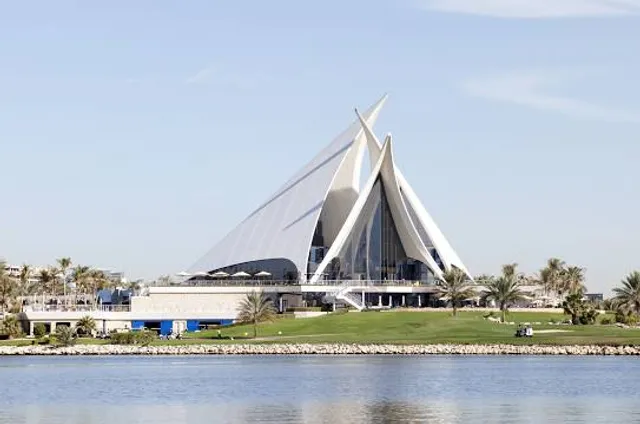
The creek is also home to the Dubai Creek Golf & Yacht Club, comprising an 18-hole tournament golf course, clubhouses, residential development and the Park Hyatt hotel.
The creek's initial inlet into mainland Dubai is along the Deira Corniche and Al Ras areas of eastern Dubai and along the Al Shindagha area of western Dubai. It then progresses south-eastward through the mainland, passing through Port Saeed and Dubai Creek Park. The creek's natural ending is at the Ras Al Khor Wildlife Sanctuary, 14 kilometres (8.7 mi) from its origin at the Persian Gulf. The traditional form of transport between the eastern and western sections of Dubai via the creek was through abras, which continue to operate in Dubai. In addition, the eastern and western sections are linked via four bridges (Al Maktoum Bridge, Al Garhoud Bridge, Business Bay Crossing, and Floating Bridge) and one tunnel (Al...
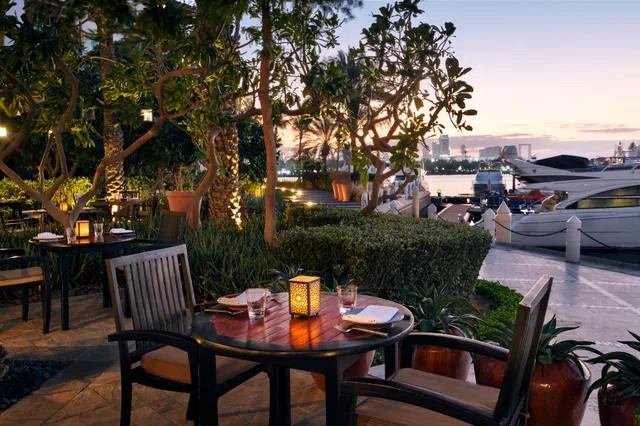
ย ย ย Read moreThe creek is definitely worth a visit, both at night and during the day. At night the lights on the boats and shore make a lovely site, and finding a creekside restaurant is worth doing. Dubai Creek area has been able to maintain its traditions. Bought tour to the other side of the Dubai is a nice experience. Catching a water taxi or Abra is also great fun, getting a nice view of the shore and the buildings along the creek. During the day itโs also nice, as you see more detail, like the transport boats with all their goods lined up beside them on the shore. You can access the Gold Souk and the textile Souk too
10 Things to Do at the Dubai Creek Al Bastakiya District, Heritage Village and Dubai Museum. If history is what interests you, then you might want to visit this 1787-built museum located inside the Al Fahidi Fort. It is the oldest existing building in Dubai.
Cable Car. Suspended 30 metres in the air, you can cover about 2.3km length of the Dubai Creek park in just hour an hour. Cruise-de-Creek. If you like the idea of slowly absorbing the surroundings and love the idea of an old world charm, you might want to hire a water taxi or a wooden dhow and cruise down the Dubai Creek.
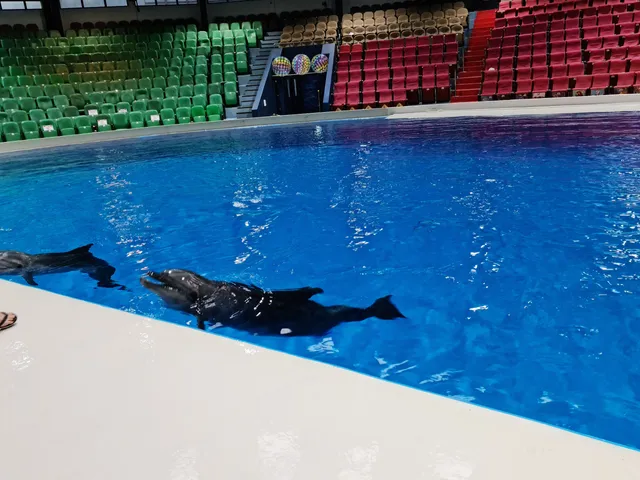
Dubai Dolphinarium. Click a selfie with the bottlenose dolphins or get close to these friendly mammals. Do watch one of the most action-packed live shows.
Walk down the Lane. Did anyone tell you that the Dhow Wharfage area along the Creek can prove to be one of the most interesting walks of your lives? The sailors are happy to have you around and if you are lucky, might give you a sneak-peek into their dhows.
Shop spices. Treat your senses to the aroma of some unique and exotic spices and herbs. Pick some back for your kitchen.
Shop Gold. Not everyday would you have the time to window shop for gold at one of the most extensive collections of gold anywhere in the world. Head to Gold Souks and do not forget to bargain. Do not settle for the first price!
Street shows. The Dubai Creek has been witness to many a live shows, plays, music and fireworks. The Al Seef, Al Muraqabat, and Al Rigga streets come alive during the Dubai Shopping Festival
Mall Hopping. You are not far from the malls. A short metro or a car ride would take you to the Deira City Centre, Burjuman or even Dubai Mall.
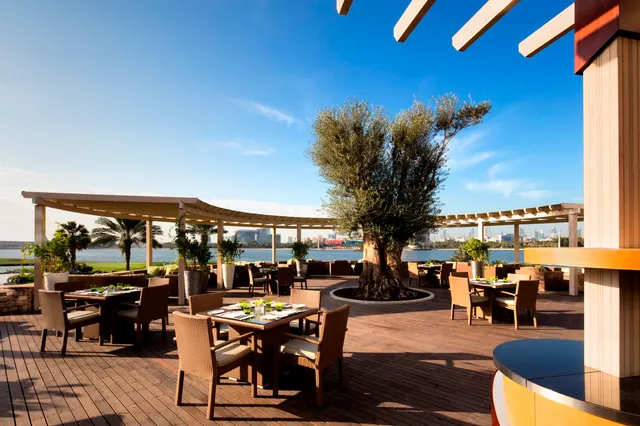
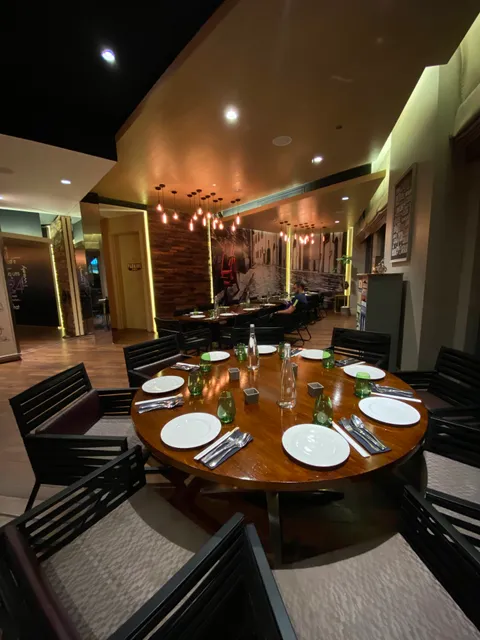
Sunset. One of the most overrated activities but as they say the sun sets in a different manner in every part of the earth. Watch it go down as you dine at one of the many restaurants in the Creek Area. It will surely transport you to the bygone era. We recommend Vivaldi by Alfredo Russo, the signature Italian restaurant located in Sheraton...
ย ย ย Read more