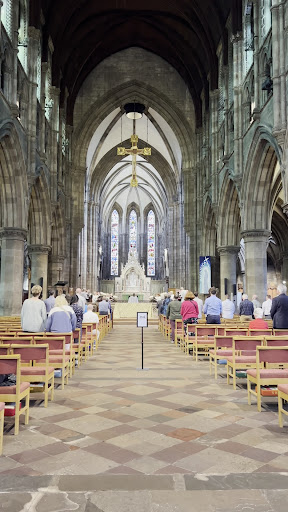
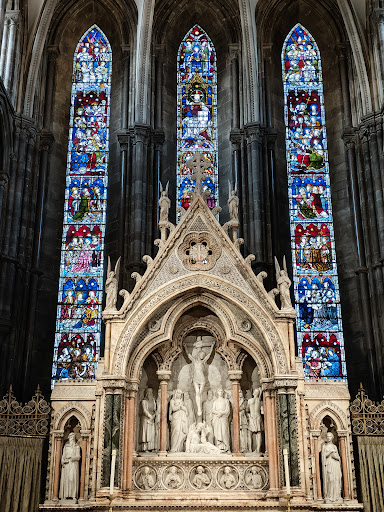
St Mary's Episcopal Cathedral things to do, attractions, restaurants, events info and trip planning
Basic Info
St Mary's Episcopal Cathedral
Palmerston Pl, Edinburgh EH12 5AW, United Kingdom
4.7(1.2K)
Closed
Save
spot
spot
Ratings & Description
Info
St. Mary's Episcopal Cathedral, designed by Memphis architect Bayard Snowden Cairns, located near downtown Memphis, Tennessee, is the cathedral church of the Episcopal Diocese of West Tennessee and the former cathedral of the old statewide Episcopal Diocese of Tennessee.
Cultural
Accessibility
attractions: Dean Village, Edinburgh Palmistry, Tarot and Spiritual Wellbeing, Edinburgh International Conference Centre, The Johnnie Walker Experience, Deans Bridge, Deans Bridge, Open University, The Usher Hall, National Galleries Scotland: Modern Two, Deans Village, restaurants: Rustom Restaurant, The Palmerston, The Khukuri Nepalese Restaurant, Korean BBQ Edinburgh, Haymarket, Dahne, Casserole Wang - Haymarket 王贵仁砂锅麻辣烫爱丁堡店, Omar Khayyam, The Jolly Botanist, Chizuru Tei, local businesses: Kalem Turner - Tarot, Palmistry & Astrology Edinburgh, Jewellery By Liam Ross, The Sir Arthur Conan Doyle Centre, Claire's Beauty, The Secret Beauty Garden, No1Kebab.Morrsion Street, CrownCouture Hair Enhancement Studio, TechSpace 360 - Edinburgh, Spartan Electrical, Fish Haymarket
 Learn more insights from Wanderboat AI.
Phone
+44 131 225 6293
Website
cathedral.net
Open hoursSee all hours
Thu8 AM - 6 PMClosed
Plan your stay

Pet-friendly Hotels in City of Edinburgh
Find a cozy hotel nearby and make it a full experience.

Affordable Hotels in City of Edinburgh
Find a cozy hotel nearby and make it a full experience.

The Coolest Hotels You Haven't Heard Of (Yet)
Find a cozy hotel nearby and make it a full experience.

Trending Stays Worth the Hype in City of Edinburgh
Find a cozy hotel nearby and make it a full experience.
Reviews
Live events
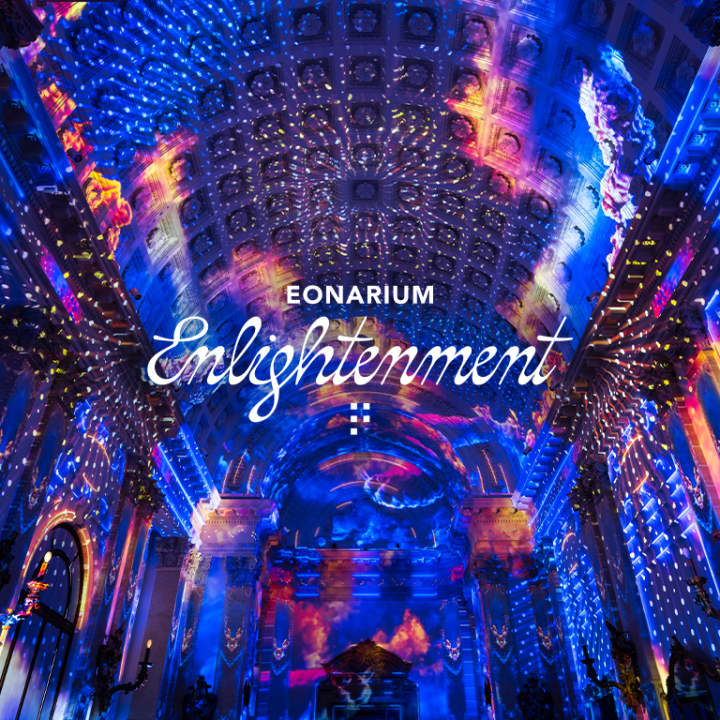
Enlightenment: An Immersive Light Show in Edinburgh
Thu, Feb 26 • 5:45 PM
McEwan Hall, Teviot Pl, Edinburgh, EH8 9AG
View details

The Jazz Room: A Journey to the Heart of New Orleans
Thu, Feb 26 • 6:30 PM
2 Roxburgh Place, Edinburgh, EH8 9SU
View details

Edinburgh Afternoon Tea or Gin Afternoon Tea Experience
Thu, Feb 26 • 12:00 PM
6 Saint Andrew Square, Edinburgh, EH2 2BD
View details
Nearby attractions of St Mary's Episcopal Cathedral
Dean Village
Edinburgh Palmistry, Tarot and Spiritual Wellbeing
Edinburgh International Conference Centre
The Johnnie Walker Experience
Deans Bridge
Deans Bridge
Open University
The Usher Hall
National Galleries Scotland: Modern Two
Deans Village
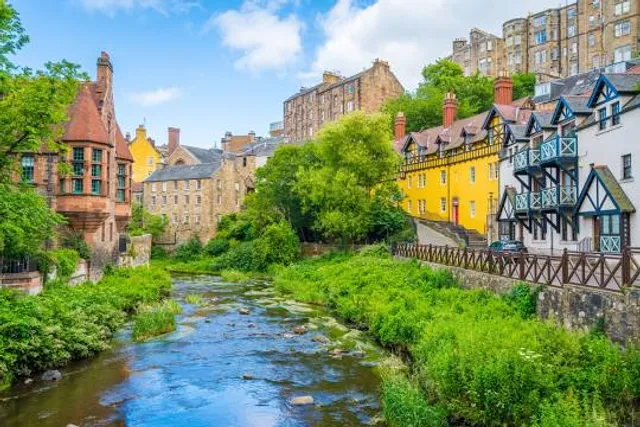
Dean Village
4.6
(5.4K)
Open until 12:00 AM
Click for details

Edinburgh Palmistry, Tarot and Spiritual Wellbeing
4.9
(39)
Open until 12:00 AM
Click for details

Edinburgh International Conference Centre
4.5
(1.3K)
Open 24 hours
Click for details
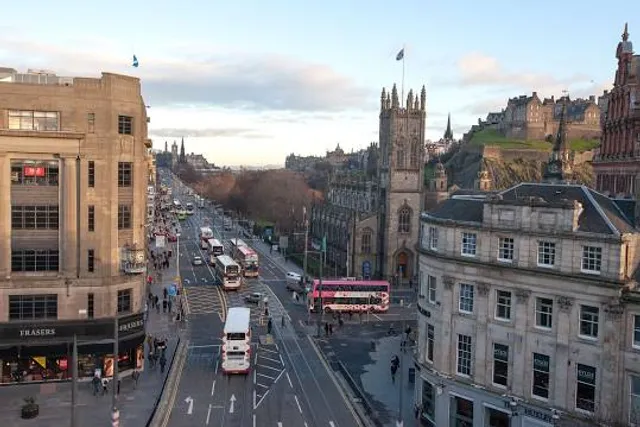
The Johnnie Walker Experience
4.7
(2K)
Open 24 hours
Click for details
Nearby restaurants of St Mary's Episcopal Cathedral
Rustom Restaurant
The Palmerston
The Khukuri Nepalese Restaurant
Korean BBQ Edinburgh
Haymarket
Dahne
Casserole Wang - Haymarket 王贵仁砂锅麻辣烫爱丁堡店
Omar Khayyam
The Jolly Botanist
Chizuru Tei
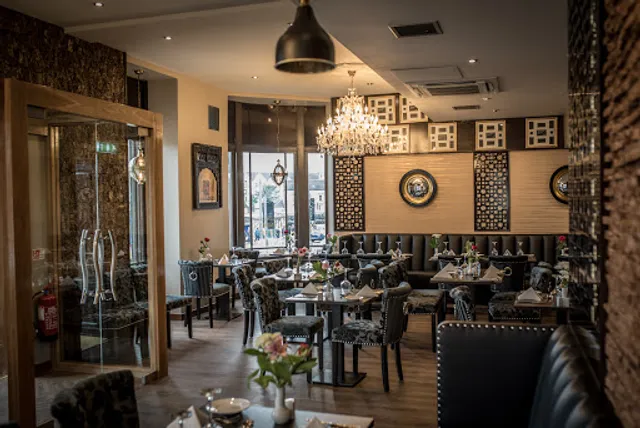
Rustom Restaurant
4.5
(1.5K)
$$
Closed
Click for details
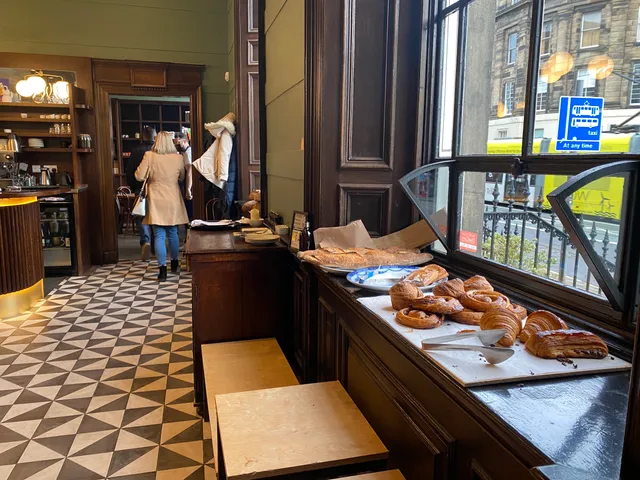
The Palmerston
4.5
(455)
Closed
Click for details
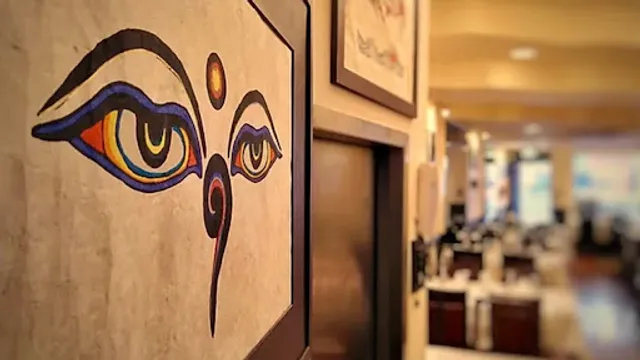
The Khukuri Nepalese Restaurant
4.7
(918)
$$
Closed
Click for details

Korean BBQ Edinburgh
4.5
(577)
$$
Click for details
Nearby local services of St Mary's Episcopal Cathedral
Kalem Turner - Tarot, Palmistry & Astrology Edinburgh
Jewellery By Liam Ross
The Sir Arthur Conan Doyle Centre
Claire's Beauty
The Secret Beauty Garden
No1Kebab.Morrsion Street
CrownCouture Hair Enhancement Studio
TechSpace 360 - Edinburgh
Spartan Electrical
Fish Haymarket

Kalem Turner - Tarot, Palmistry & Astrology Edinburgh
5.0
(80)
Click for details

Jewellery By Liam Ross
5.0
(315)
Click for details
The Sir Arthur Conan Doyle Centre
4.5
(26)
Click for details

Claire's Beauty
4.9
(34)
Click for details