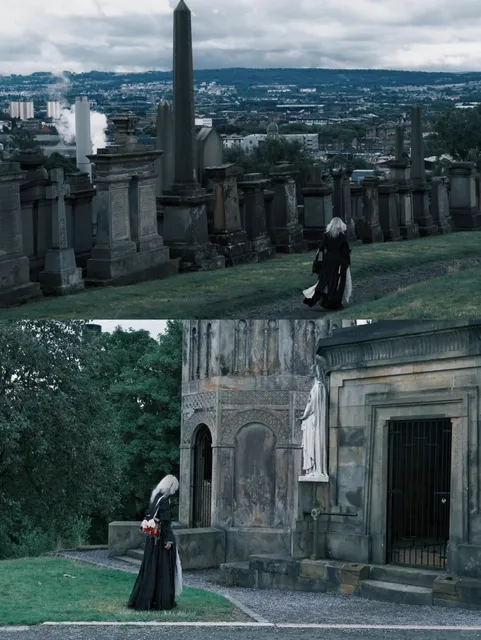
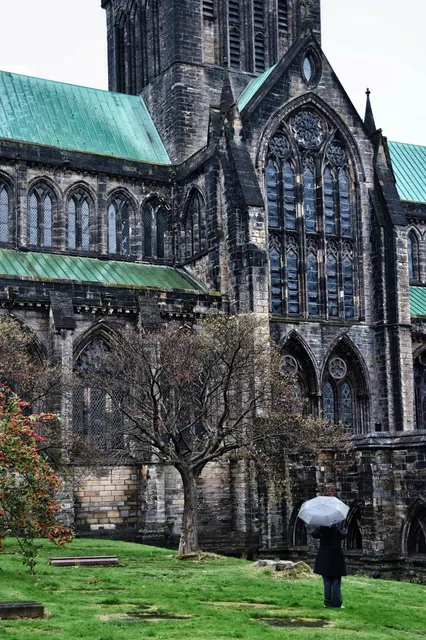
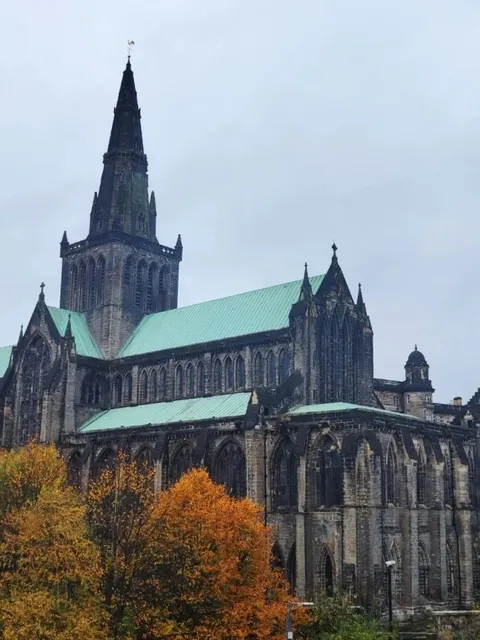
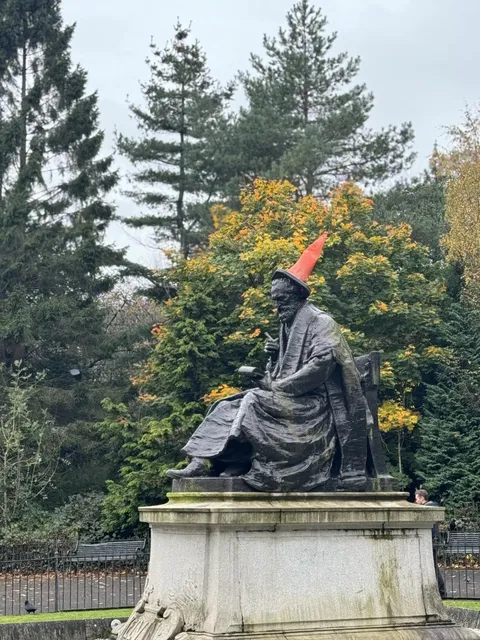
The Glasgow Necropolis things to do, attractions, restaurants, events info and trip planning
Basic Info
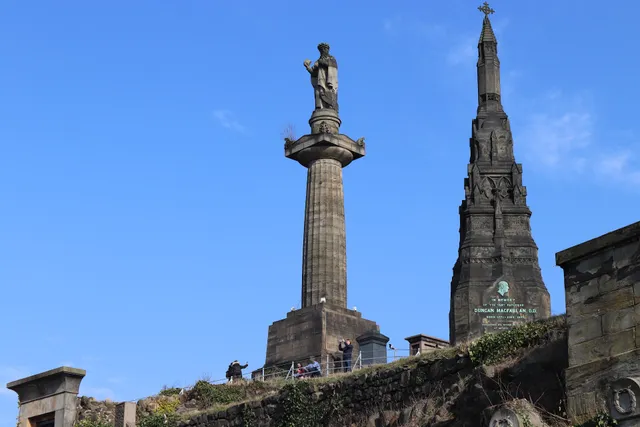
The Glasgow Necropolis
Castle St, Glasgow G4 0UZ, United Kingdom
4.7(658)
Closed
Save
spot
spot
Ratings & Description
Info
Cultural
Outdoor
Scenic
attractions: Glasgow Cathedral, St. Mungo Museum Of Religious Life & Art, Provand's Lordship, Tennent’s Visitor Centre, Wellpark Brewery, Strathclyde Sport, Barrowland Ballroom, Strathclyde Business School, Strathclyde University, City Halls & Old Fruitmarket, restaurants: Drygate Bar, Kitchen and Brewing Co., Celentano's, Little Royal Cafe, The Howgait, The Ladywell, El Greco, Friends Chinese Cafe, Tesoro Mio, Redmond's of Dennistoun, Sapporo Teppanyaki Glasgow, local businesses: Glasgow Necropolis, Glasgow Cathedral Burial Ground, J & C Car Sales, Havannah House, Saint Mungo Mural, Drygate, ALDI, All In One International grocery and food store, Morrisons, Sacred Tattoo and Piercing Glasgow
 Learn more insights from Wanderboat AI.
Phone
+44 141 287 5064
Website
glasgownecropolis.org
Open hoursSee all hours
Thu7 AM - 4:30 PMClosed
Plan your stay

Pet-friendly Hotels in Great Britain
Find a cozy hotel nearby and make it a full experience.

Affordable Hotels in Great Britain
Find a cozy hotel nearby and make it a full experience.

The Coolest Hotels You Haven't Heard Of (Yet)
Find a cozy hotel nearby and make it a full experience.

Trending Stays Worth the Hype in Great Britain
Find a cozy hotel nearby and make it a full experience.
Reviews
Live events
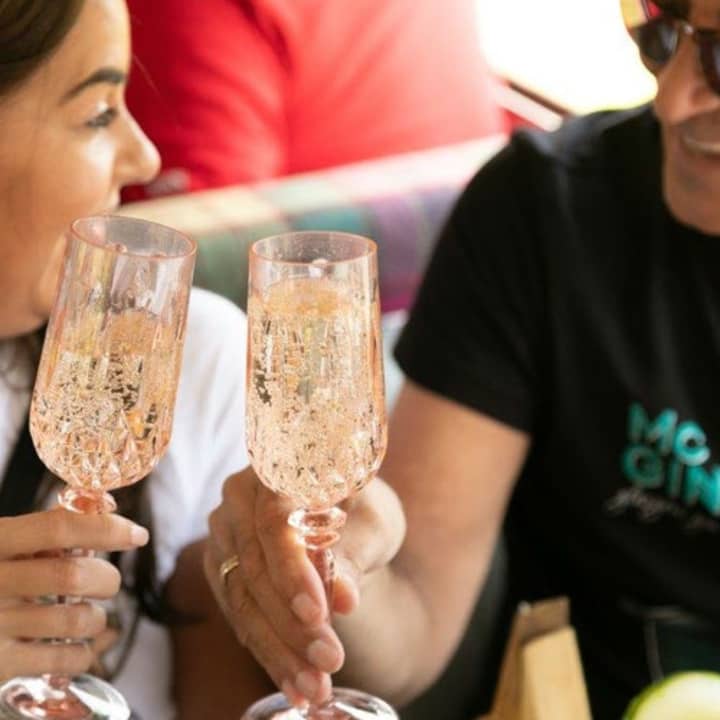
Glasgow Afternoon Tea or Gin Afternoon Tea Experience
Thu, Feb 12 • 12:00 PM
36 Shuttle Street, Glasgow, G1 1QA
View details
Candlelight: The Best of Hans Zimmer
Sat, Feb 14 • 6:15 PM
Grand Hall, 7 West George Street, Glasgow, G2 1BA
View details
Candlelight: Tribute to Pink
Sat, Feb 14 • 8:30 PM
85 Glassford Street, Glasgow, G1 1UH, G1 1UH
View details
Nearby attractions of The Glasgow Necropolis
Glasgow Cathedral
St. Mungo Museum Of Religious Life & Art
Provand's Lordship
Tennent’s Visitor Centre
Wellpark Brewery
Strathclyde Sport
Barrowland Ballroom
Strathclyde Business School
Strathclyde University
City Halls & Old Fruitmarket
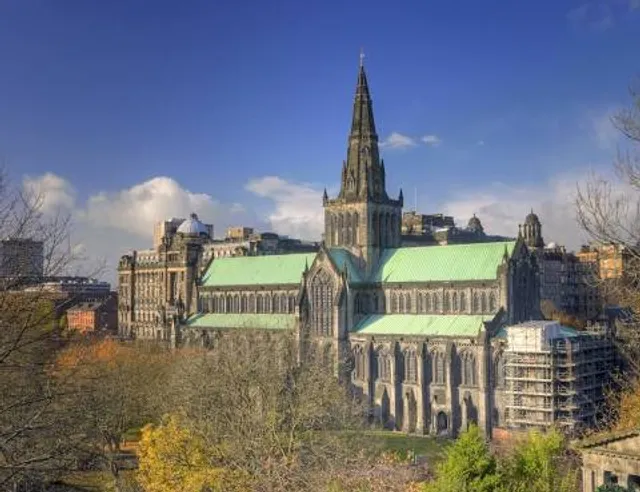
Glasgow Cathedral
4.6
(3.9K)
Closed
Click for details
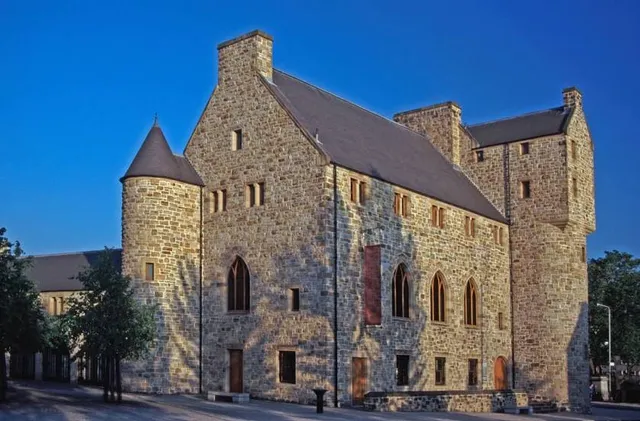
St. Mungo Museum Of Religious Life & Art
4.4
(335)
Closed
Click for details
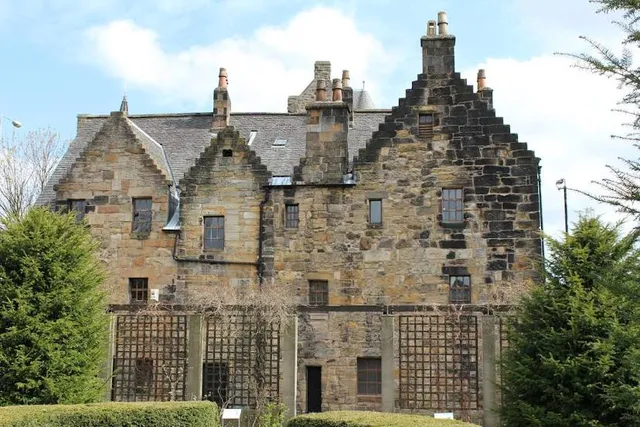
Provand's Lordship
4.5
(161)
Closed
Click for details

Tennent’s Visitor Centre
4.8
(187)
Closed
Click for details
Nearby restaurants of The Glasgow Necropolis
Drygate Bar, Kitchen and Brewing Co.
Celentano's
Little Royal Cafe
The Howgait
The Ladywell
El Greco
Friends Chinese Cafe
Tesoro Mio
Redmond's of Dennistoun
Sapporo Teppanyaki Glasgow
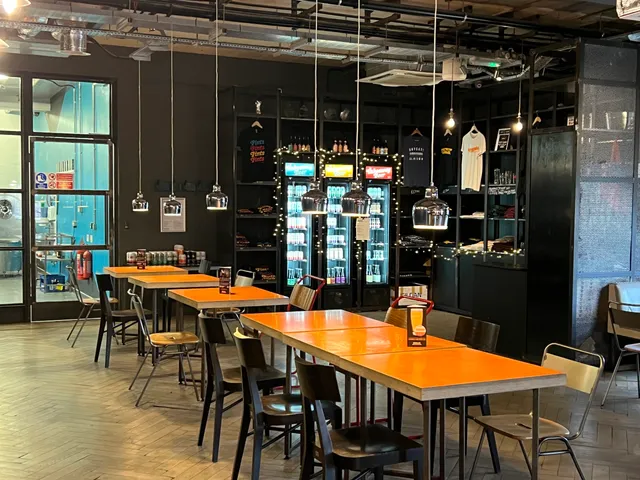
Drygate Bar, Kitchen and Brewing Co.
4.5
(1.5K)
Closed
Click for details
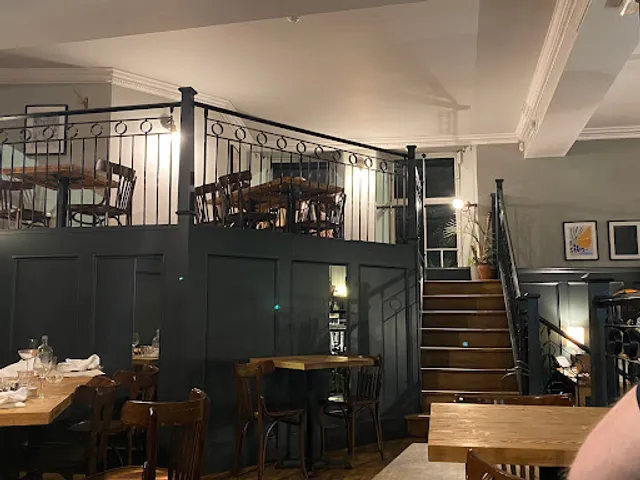
Celentano's
4.4
(214)
Closed
Click for details
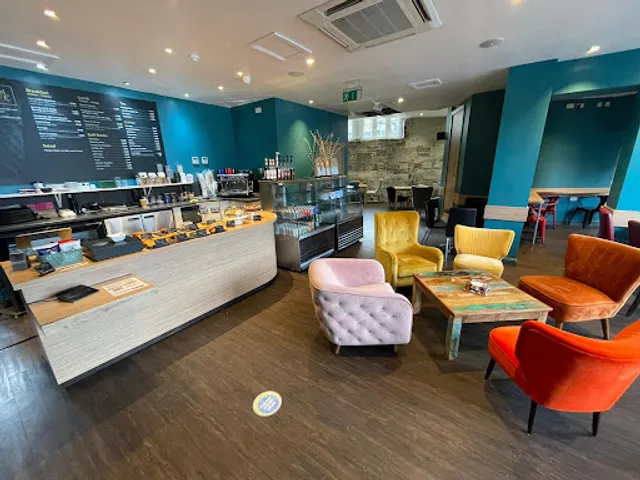
Little Royal Cafe
4.3
(102)
Closed
Click for details
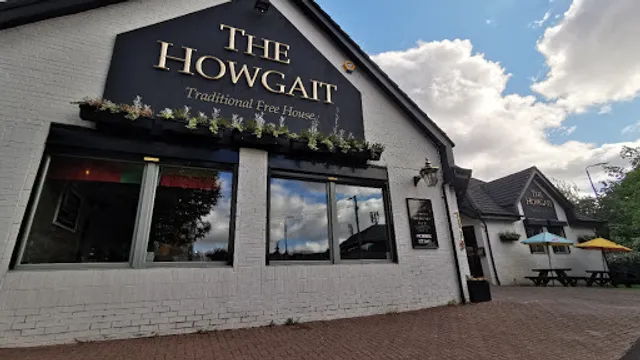
The Howgait
4.4
(678)
Closed
Click for details
Nearby local services of The Glasgow Necropolis
Glasgow Necropolis
Glasgow Cathedral Burial Ground
J & C Car Sales
Havannah House
Saint Mungo Mural
Drygate
ALDI
All In One International grocery and food store
Morrisons
Sacred Tattoo and Piercing Glasgow
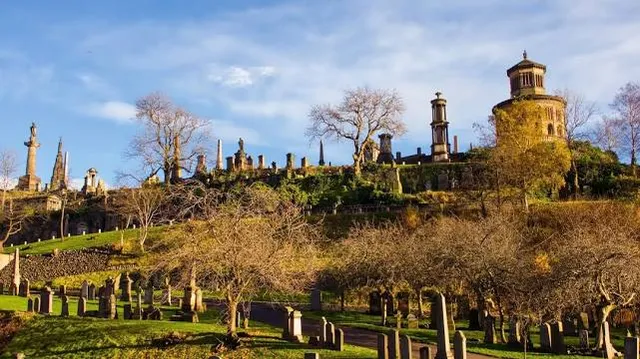
Glasgow Necropolis
4.7
(471)
Click for details

Glasgow Cathedral Burial Ground
4.7
(10)
Click for details

J & C Car Sales
4.2
(23)
Click for details
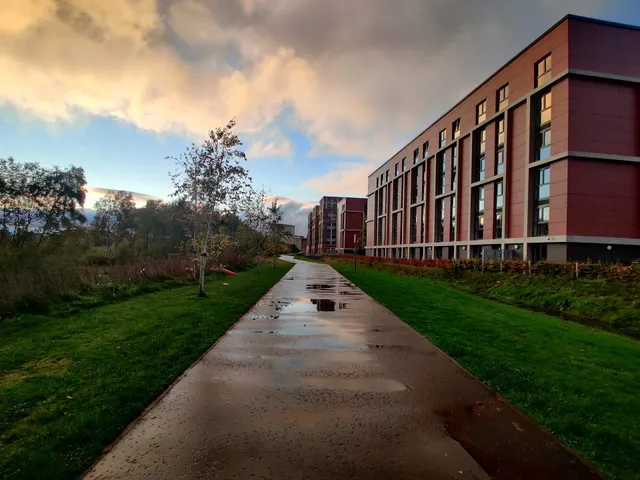
Havannah House
4.6
(135)
Click for details