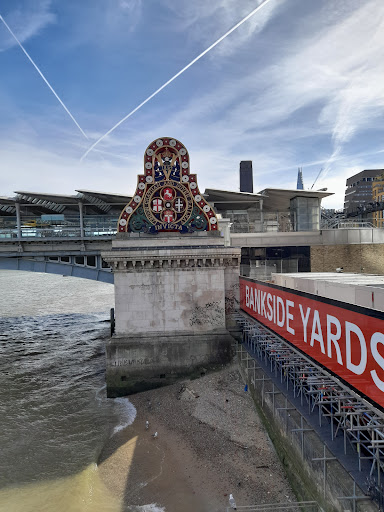
Blackfriars Bridge things to do, attractions, restaurants, events info and trip planning
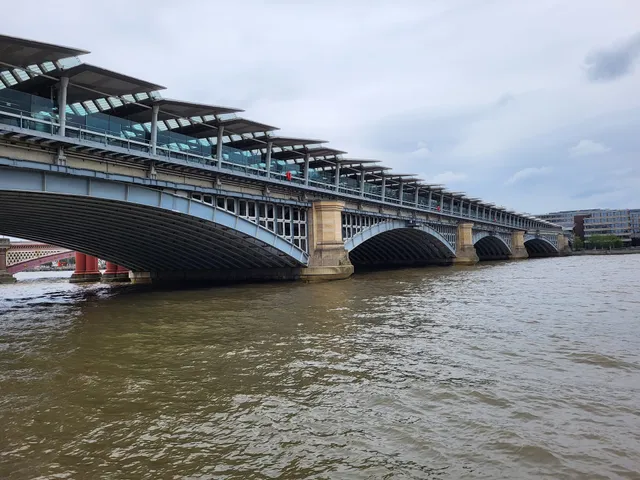
Basic Info
Blackfriars Bridge
Blackfriars Rd, London SE1 9UD, United Kingdom
4.4(670)
Open until 12:00 AM
Save
spot
spot
Ratings & Description
Info
Cultural
Scenic
Outdoor
Family friendly
Accessibility
attractions: Tate Modern, Oxo Tower, Millennium Bridge, Shakespeare's Globe, One Blackfriars, Bankside Gallery, St. Paul's Cathedral, Tate Modern Viewing Level, Bernie Spain Gardens, Tate Modern Garden, restaurants: Doggett's Coat and Badge, Founder's Arms, The Sensational Sandwich Shop, The Blackfriar, Lyaness, 12th Knot, OXO Restaurant, FCB Coffee Blackfriars, Sea Containers Restaurant, Art Yard Bar & Kitchen, local businesses: Moulin Roude Studio, ONDGO, Bankside Arches Boutique, Muscleworks Southwark, 1Rebel South Bank, London LGBTQ+ Community Centre, Curly Hair London, Curzon Sea Containers, SUCK UK Alternative Gifts (OXO Tower), St. Paul's Cathedral
 Learn more insights from Wanderboat AI.
Open hoursSee all hours
SunOpen 24 hoursOpen
Plan your stay

Pet-friendly Hotels in London
Find a cozy hotel nearby and make it a full experience.

Affordable Hotels in London
Find a cozy hotel nearby and make it a full experience.

The Coolest Hotels You Haven't Heard Of (Yet)
Find a cozy hotel nearby and make it a full experience.

Trending Stays Worth the Hype in London
Find a cozy hotel nearby and make it a full experience.
Reviews
Live events
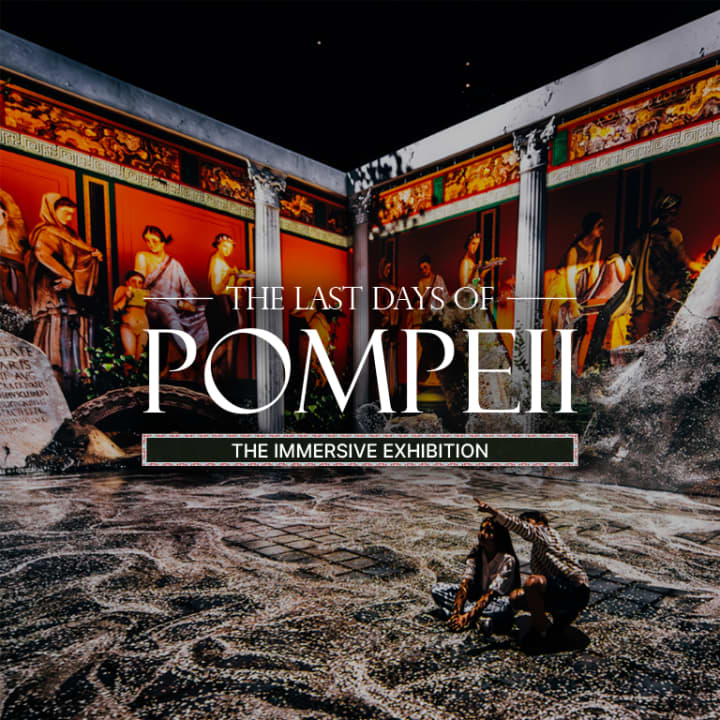
The Last Days of Pompeii: The Immersive Exhibition
Sun, Feb 8 • 11:30 AM
Royal Victoria Dock 1 Western Gateway, E16 1XL
View details

Paradox Museum London
Sun, Feb 8 • 11:30 AM
90 Brompton Road, London, SW3 1JJ
View details
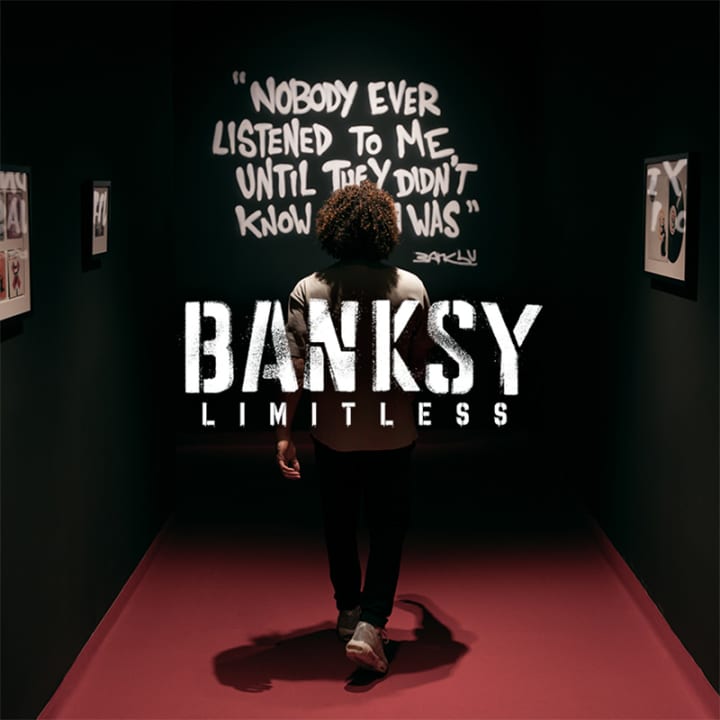
Banksy Limitless
Sun, Feb 8 • 12:00 PM
79 - 85 Old Brompton Road, London, SW7 3LD
View details
Nearby attractions of Blackfriars Bridge
Tate Modern
Oxo Tower
Millennium Bridge
Shakespeare's Globe
One Blackfriars
Bankside Gallery
St. Paul's Cathedral
Tate Modern Viewing Level
Bernie Spain Gardens
Tate Modern Garden
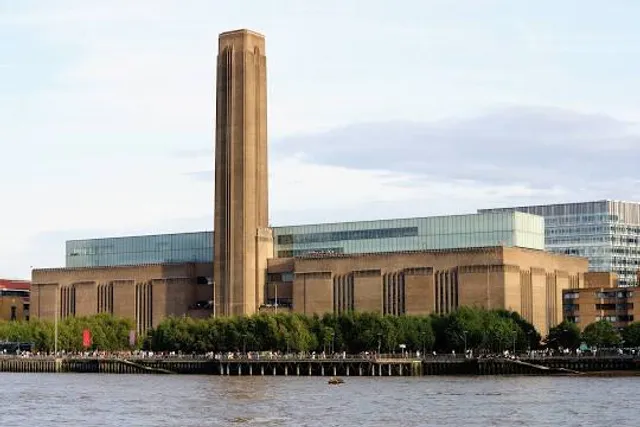
Tate Modern
4.5
(27.2K)
Open until 6:00 PM
Click for details
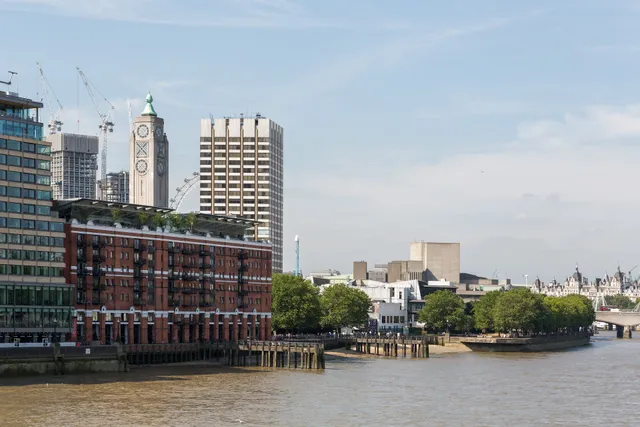
Oxo Tower
4.4
(2.4K)
Open 24 hours
Click for details
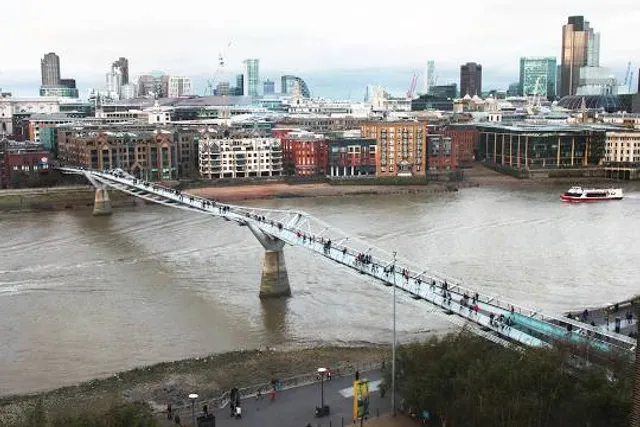
Millennium Bridge
4.6
(6.6K)
Open 24 hours
Click for details
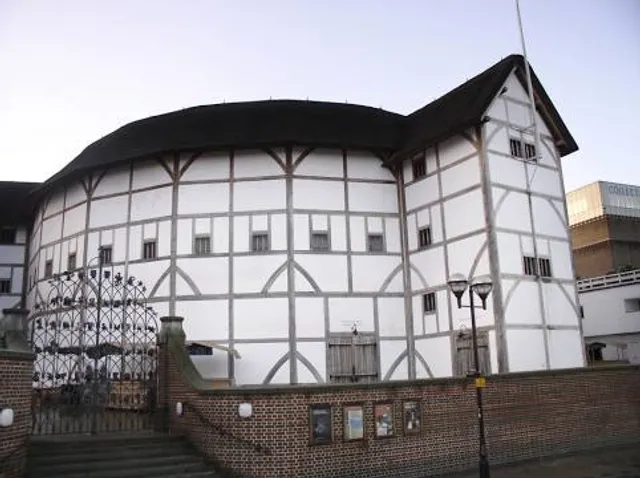
Shakespeare's Globe
4.6
(9.5K)
Open 24 hours
Click for details
Nearby restaurants of Blackfriars Bridge
Doggett's Coat and Badge
Founder's Arms
The Sensational Sandwich Shop
The Blackfriar
Lyaness
12th Knot
OXO Restaurant
FCB Coffee Blackfriars
Sea Containers Restaurant
Art Yard Bar & Kitchen
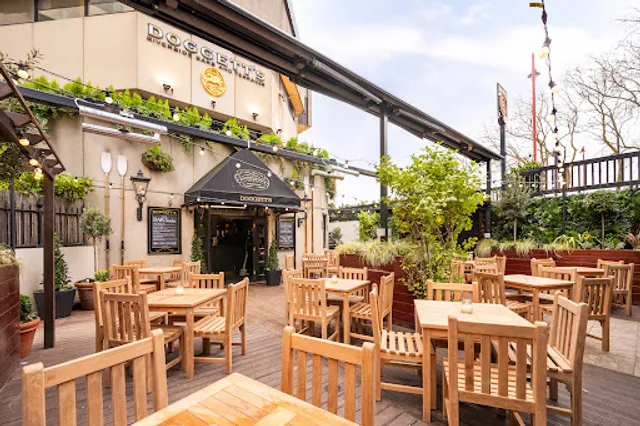
Doggett's Coat and Badge
4.2
(2.2K)
Open until 11:00 PM
Click for details
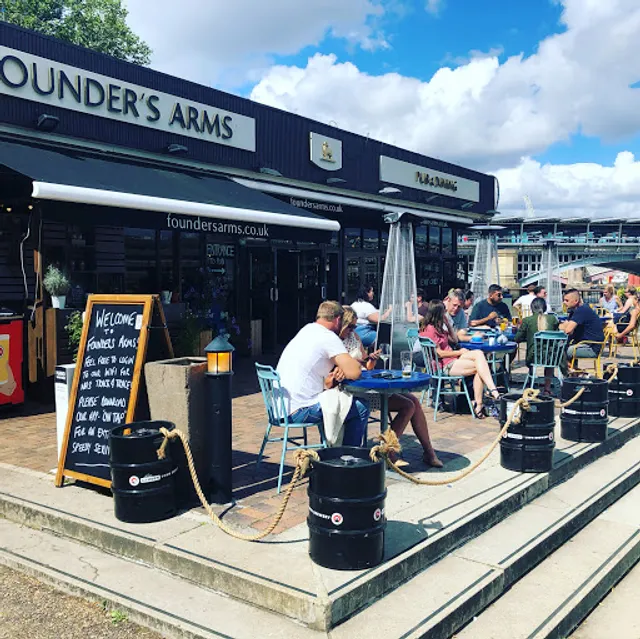
Founder's Arms
4.3
(4.1K)
Open until 11:00 PM
Click for details

The Sensational Sandwich Shop
4.6
(19)
Open until 5:00 PM
Click for details
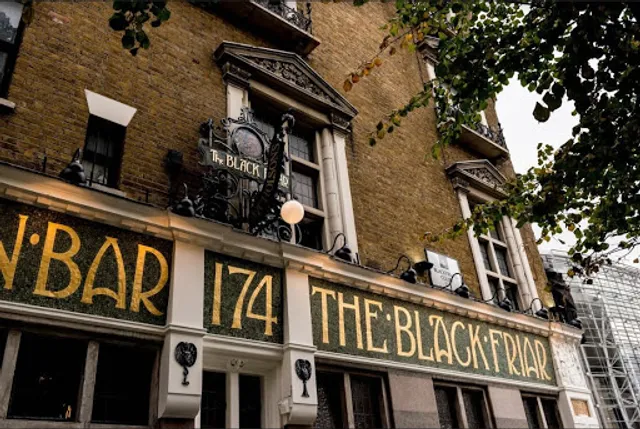
The Blackfriar
4.5
(2.8K)
Open until 10:30 PM
Click for details
Nearby local services of Blackfriars Bridge
Moulin Roude Studio
ONDGO
Bankside Arches Boutique
Muscleworks Southwark
1Rebel South Bank
London LGBTQ+ Community Centre
Curly Hair London
Curzon Sea Containers
SUCK UK Alternative Gifts (OXO Tower)
St. Paul's Cathedral

Moulin Roude Studio
5.0
(312)
Click for details

ONDGO
5.0
(64)
Click for details

Bankside Arches Boutique
4.9
(72)
Click for details

Muscleworks Southwark
5.0
(48)
Click for details


The hit list
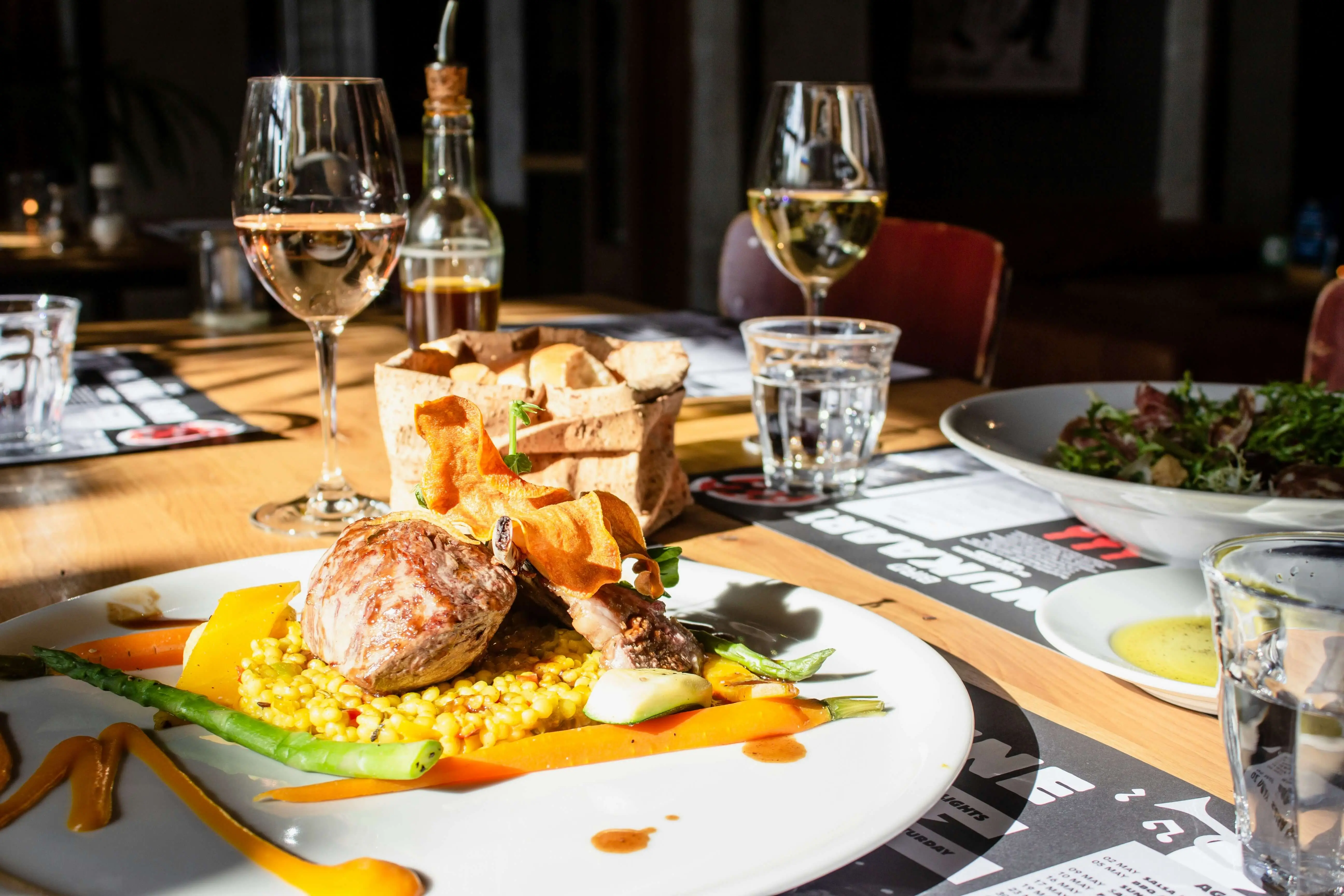

Plan your trip with Wanderboat
Welcome to Wanderboat AI, your AI search for local Eats and Fun, designed to help you explore your city and the world with ease.
Powered by Wanderboat AI trip planner.