London City Hall things to do, attractions, restaurants, events info and trip planning
Basic Info
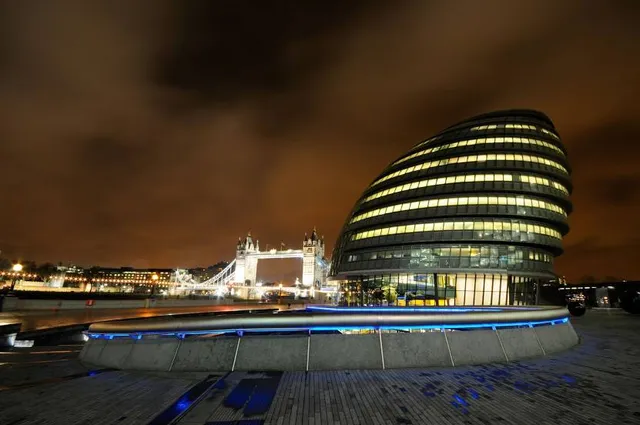
London City Hall
Kamal Chunchie Way, London E16 1ZE, United Kingdom
4.3(381)
Open until 12:00 AM
Save
spot
spot
Ratings & Description
Info
Cultural
Accessibility
Family friendly
attractions: Dock Beach, Excel London, Art Craft Studios, iFLY London Indoor Skydiving at The O2, Oxygen at The O2, Quantum Cloud, IFS Cloud Cable Car, Firepit Art Gallery and Studios CIC, Ravensbourne University London, London Lighthouse Gallery & Studio, restaurants: Nakhon Thai Restaurant, The Oiler Bar, Heroica Lounge, Fratelli's Docklands, Perky Blenders @ Expressway, Al Masar Lebanese Restaurant, Bonnane Pizzeria, La Nonna Lina Pizzeria, The Living Room Rooftop Bar & Restaurant, Fremantle Bar & Kitchen, local businesses: IFS Cloud Royal Docks, Smart Cellular UK, Love Open Water London Royal Docks, Sweheat Sauna, Uk Mobile shop, Wapping Electricians, Royal Docks Electrical Ltd, Royal Victoria Dock Footbridge, Foot Health Service, Newham NHS, ImmerseLDN
 Learn more insights from Wanderboat AI.
Phone
+44 20 7983 4000
Website
london.gov.uk
Open hoursSee all hours
SunClosedOpen
Plan your stay

Pet-friendly Hotels in London
Find a cozy hotel nearby and make it a full experience.

Affordable Hotels in London
Find a cozy hotel nearby and make it a full experience.

The Coolest Hotels You Haven't Heard Of (Yet)
Find a cozy hotel nearby and make it a full experience.

Trending Stays Worth the Hype in London
Find a cozy hotel nearby and make it a full experience.
Reviews
Live events
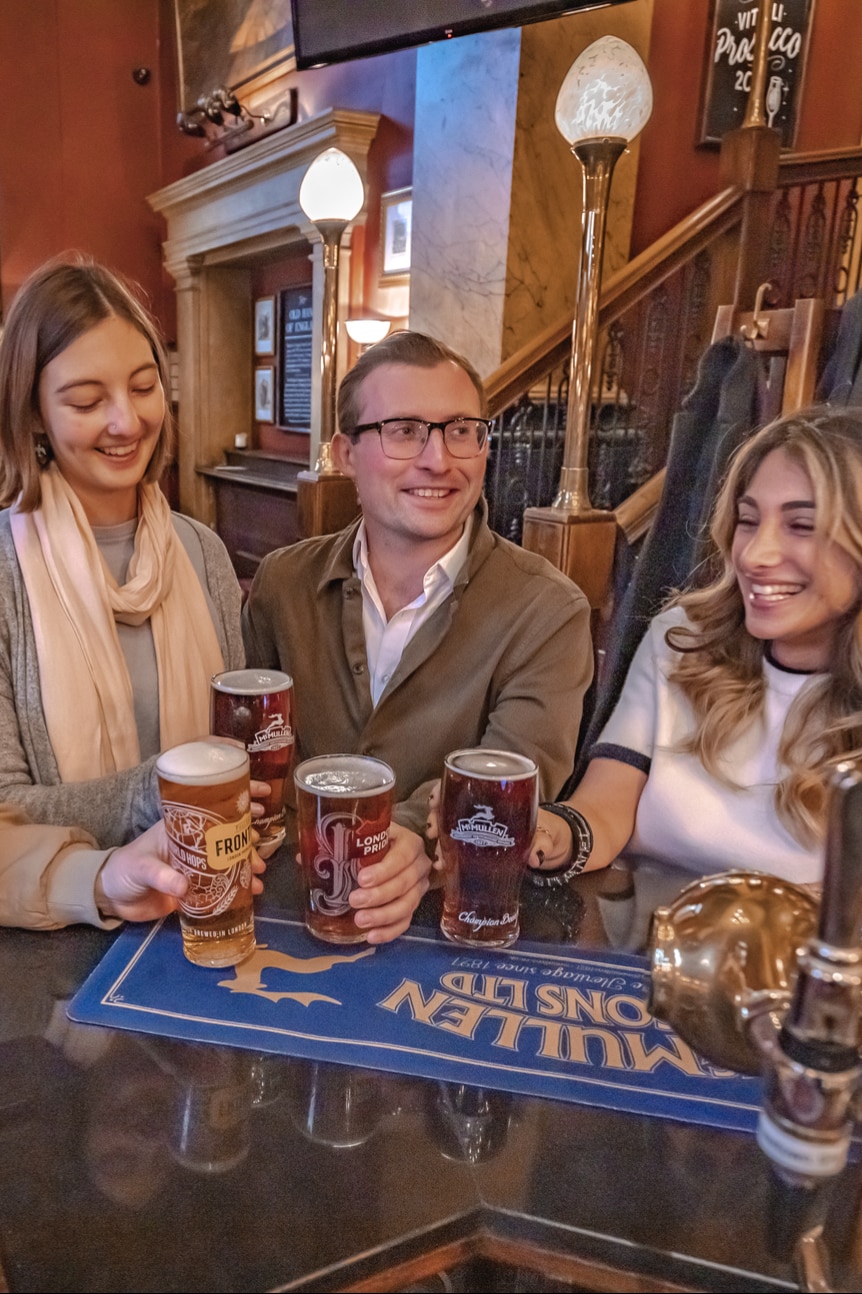
Explore the hidden pubs of London
Sun, Feb 22 • 2:00 PM
Greater London, EC2V 6AA, United Kingdom
View details
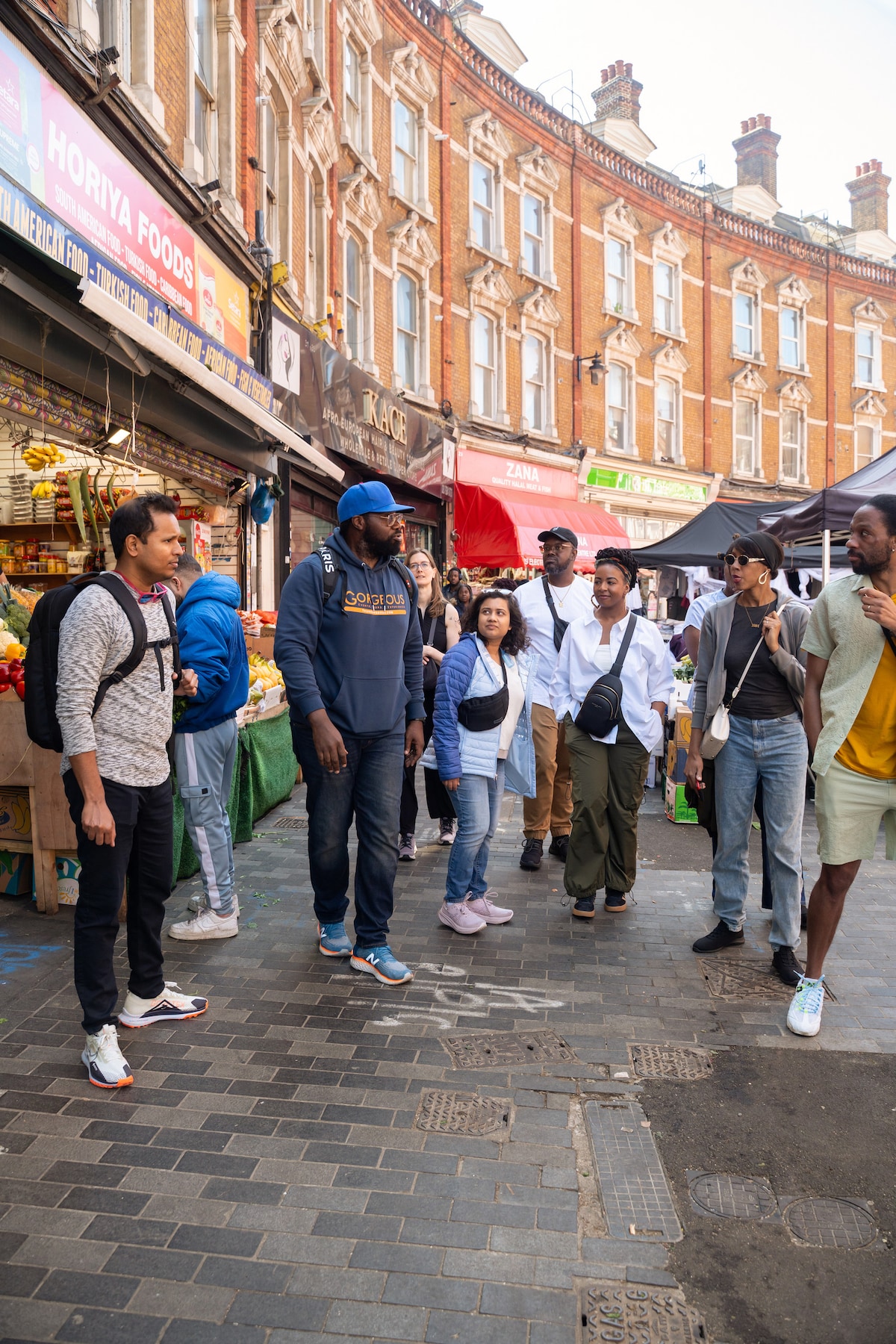
Obis African and Caribbean Food Tour in Brixton
Mon, Feb 23 • 12:00 PM
Greater London, SW9 8EA, United Kingdom
View details
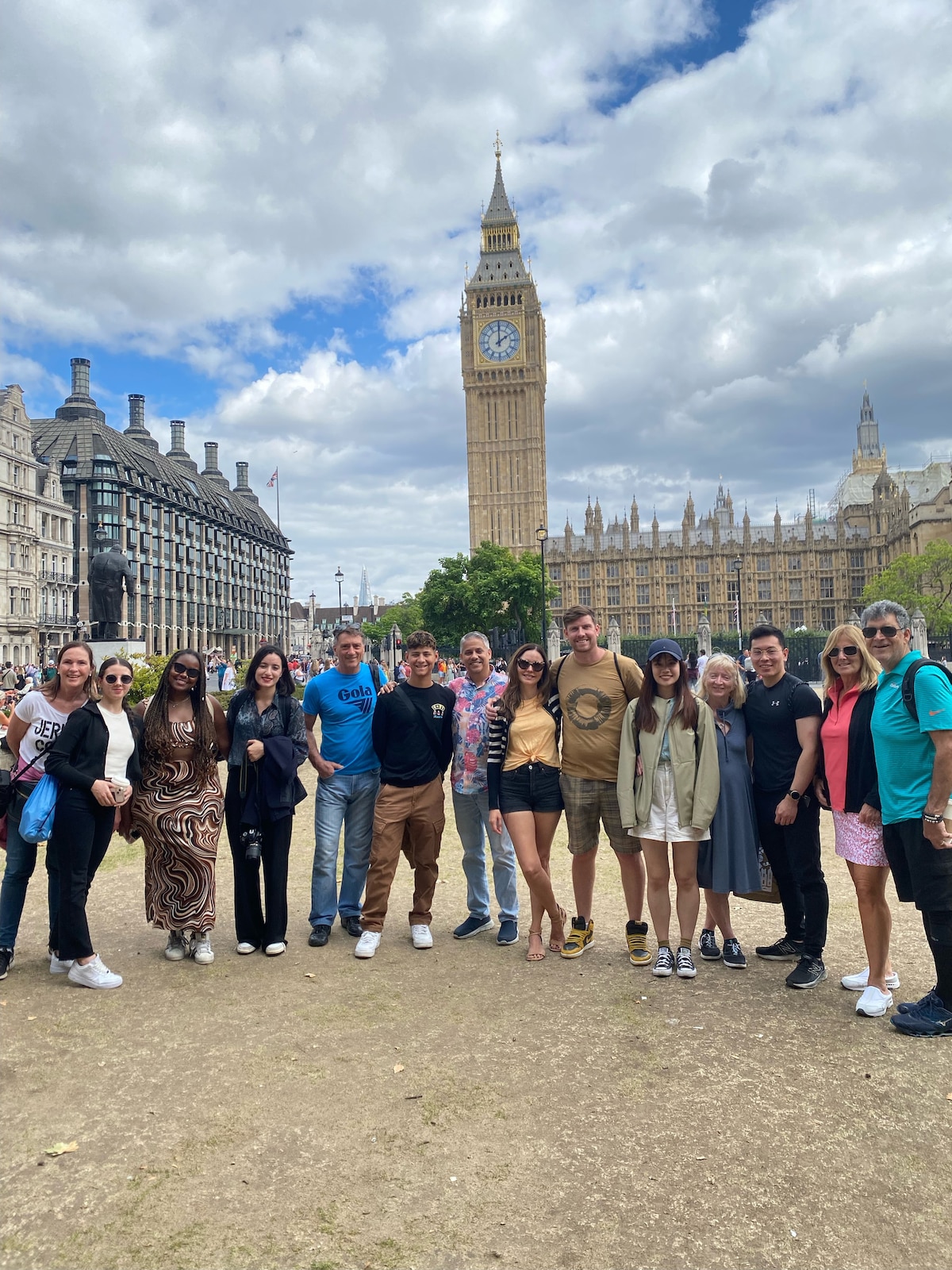
London sightseeing walking tour with 30 sights
Wed, Feb 25 • 10:00 AM
Greater London, SW1E 5EA, United Kingdom
View details
Nearby attractions of London City Hall
Dock Beach
Excel London
Art Craft Studios
iFLY London Indoor Skydiving at The O2
Oxygen at The O2
Quantum Cloud
IFS Cloud Cable Car
Firepit Art Gallery and Studios CIC
Ravensbourne University London
London Lighthouse Gallery & Studio
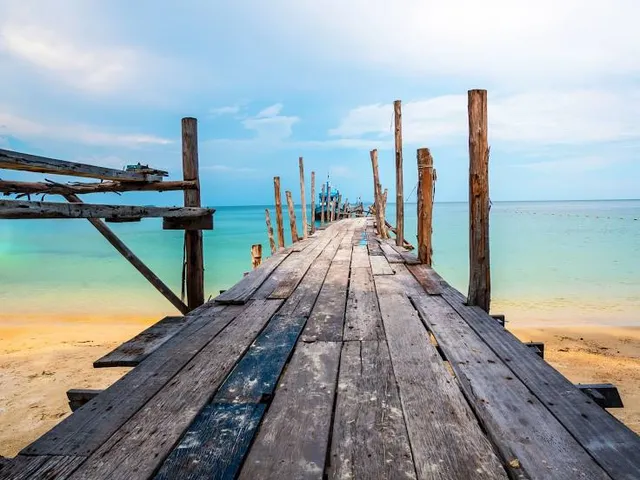
Dock Beach
4.1
(109)
Open until 6:00 PM
Click for details
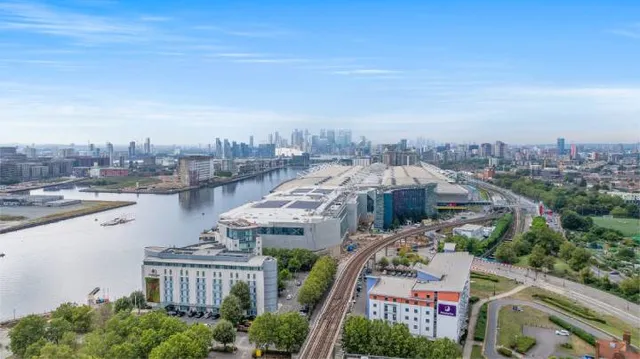
Excel London
4.4
(16.2K)
Open until 12:00 AM
Click for details

Art Craft Studios
4.9
(13)
Open 24 hours
Click for details
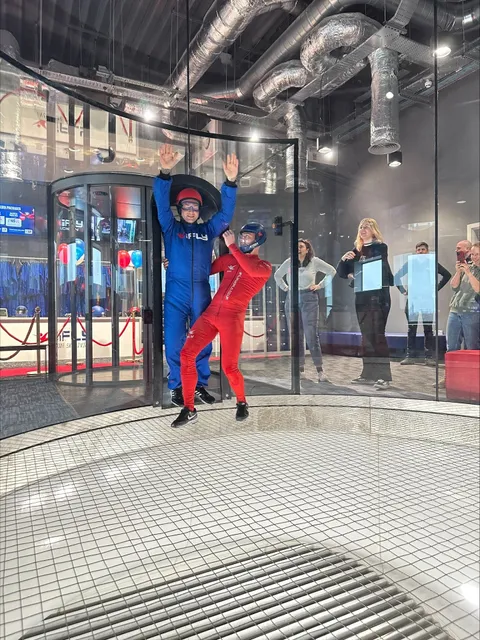
iFLY London Indoor Skydiving at The O2
4.7
(775)
Open until 10:00 PM
Click for details
Nearby restaurants of London City Hall
Nakhon Thai Restaurant
The Oiler Bar
Heroica Lounge
Fratelli's Docklands
Perky Blenders @ Expressway
Al Masar Lebanese Restaurant
Bonnane Pizzeria
La Nonna Lina Pizzeria
The Living Room Rooftop Bar & Restaurant
Fremantle Bar & Kitchen
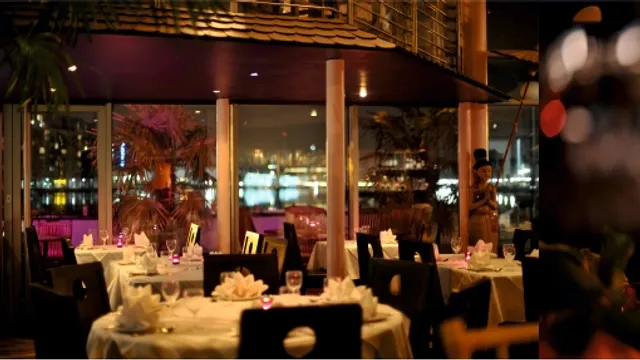
Nakhon Thai Restaurant
4.2
(776)
Closed
Click for details
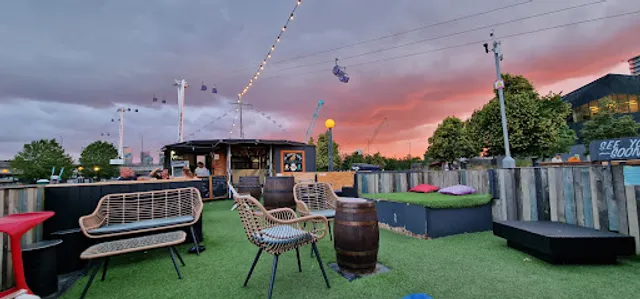
The Oiler Bar
4.6
(327)
Click for details
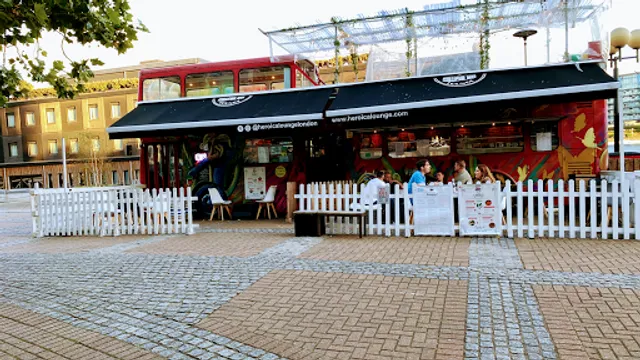
Heroica Lounge
4.7
(608)
Closed
Click for details
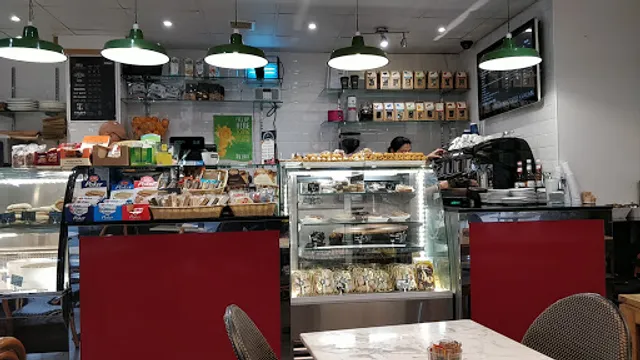
Fratelli's Docklands
4.1
(247)
Open until 4:30 PM
Click for details
Nearby local services of London City Hall
IFS Cloud Royal Docks
Smart Cellular UK
Love Open Water London Royal Docks
Sweheat Sauna
Uk Mobile shop
Wapping Electricians
Royal Docks Electrical Ltd
Royal Victoria Dock Footbridge
Foot Health Service, Newham NHS
ImmerseLDN
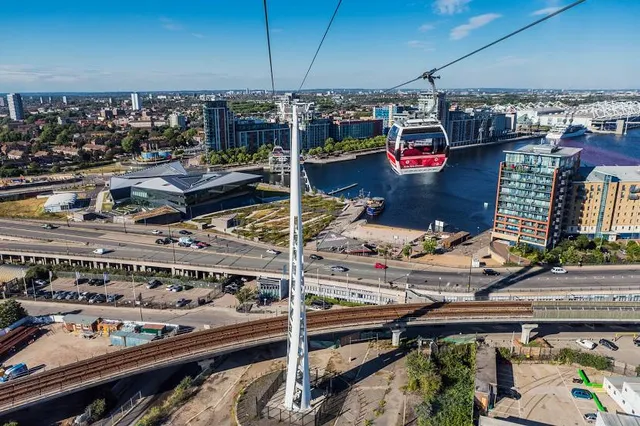
IFS Cloud Royal Docks
4.5
(2K)
Click for details

Smart Cellular UK
3.3
(1.4K)
Click for details
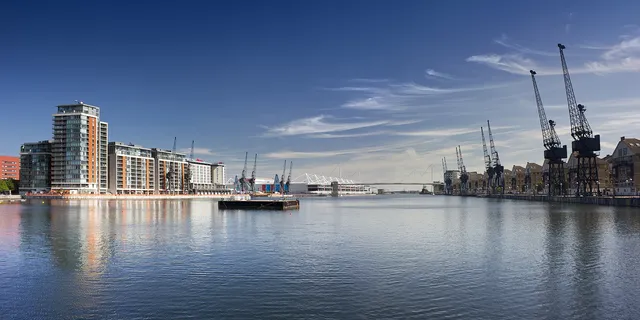
Love Open Water London Royal Docks
4.7
(328)
Click for details
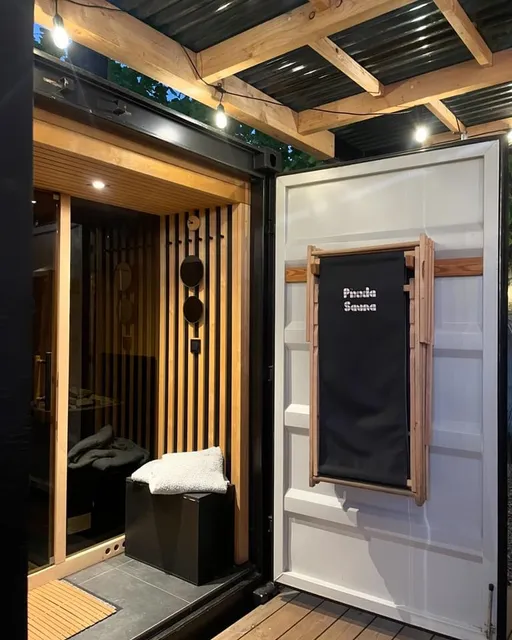
Sweheat Sauna
4.8
(91)
Click for details


The hit list



Plan your trip with Wanderboat
Welcome to Wanderboat AI, your AI search for local Eats and Fun, designed to help you explore your city and the world with ease.
Powered by Wanderboat AI trip planner.