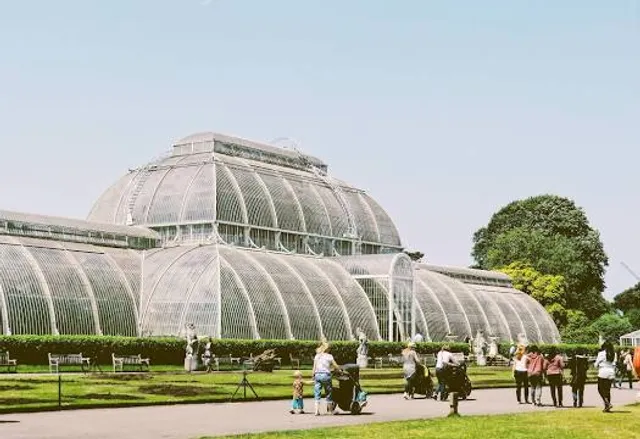
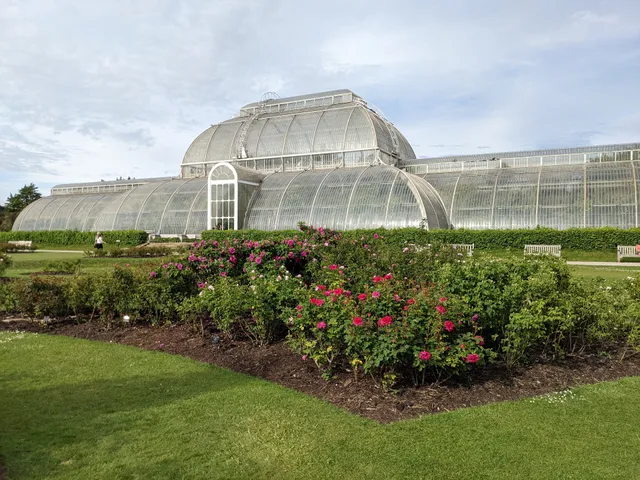
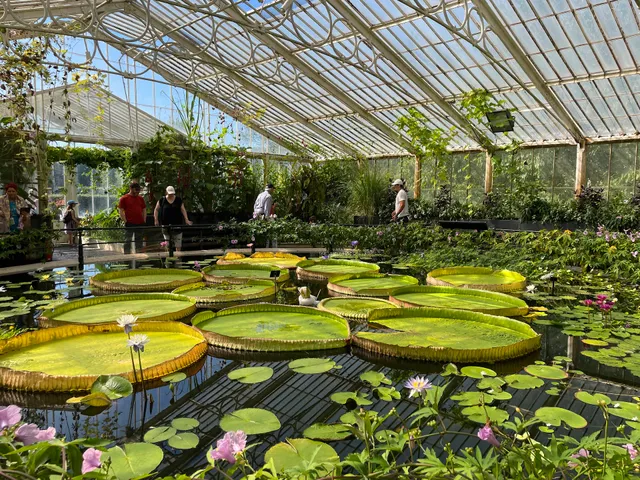
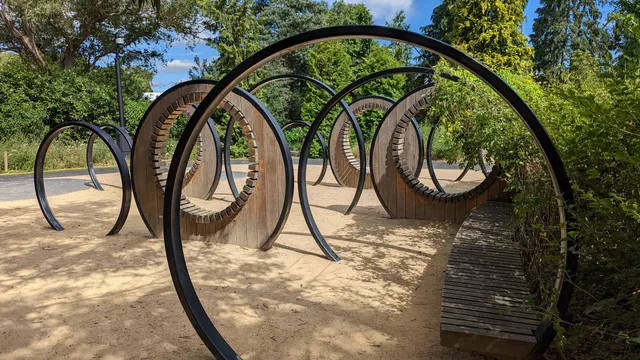
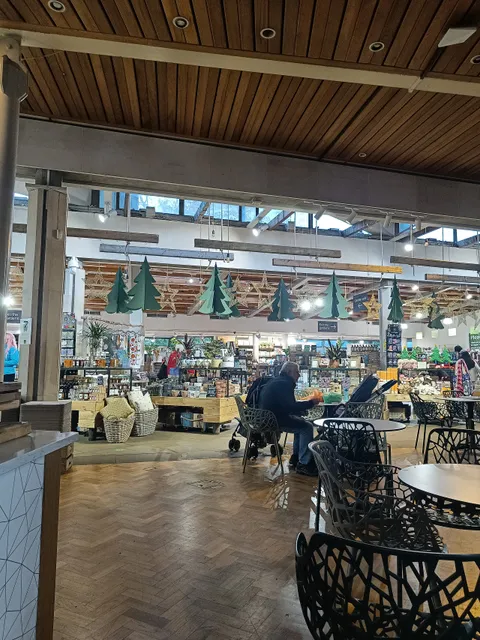
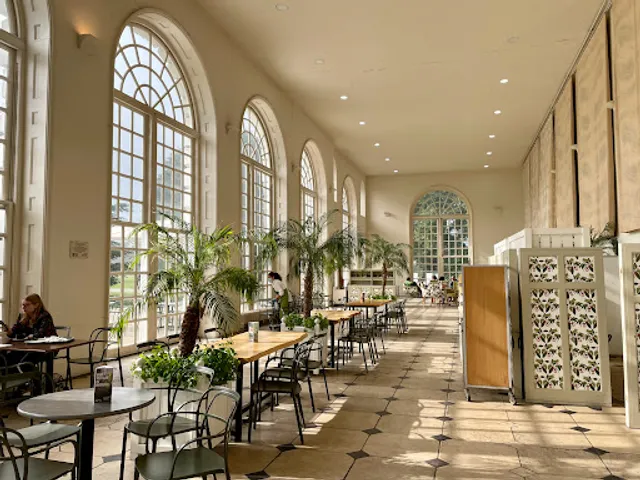
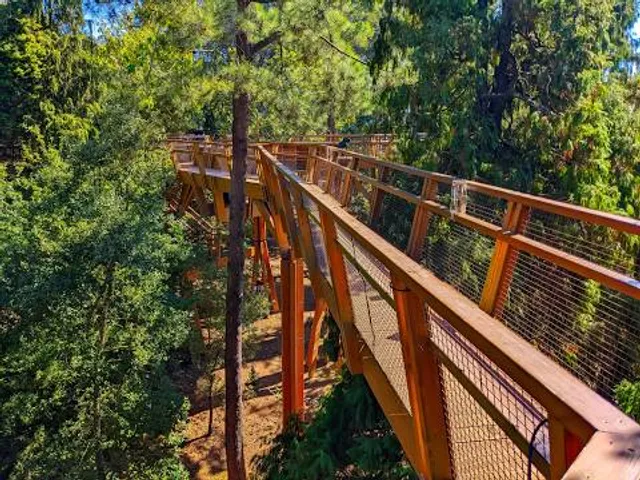
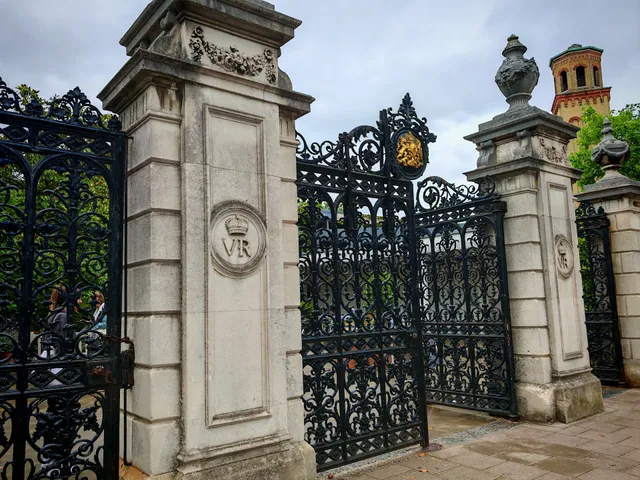
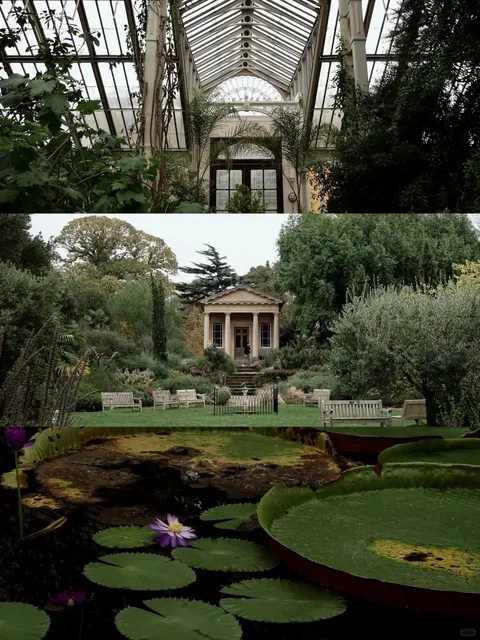
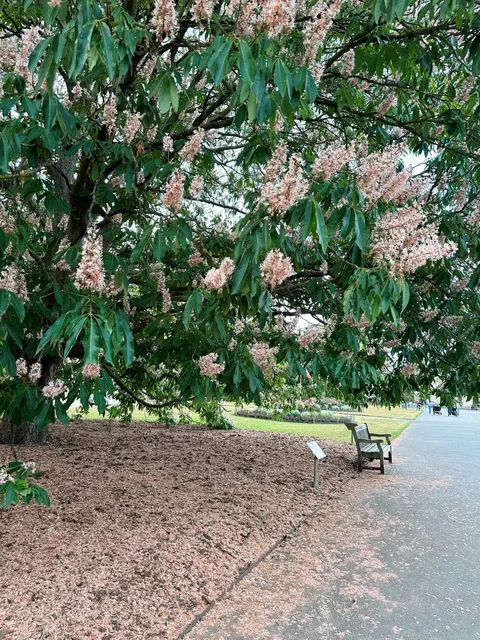
Kew Gardens, officially the Royal Botanic Gardens, Kew, is far more than just a garden; it's a sprawling, living museum, a world-leading scientific institution, and an utterly captivating day out for visitors of all ages. Nestled in West London, this UNESCO World Heritage Site offers an unparalleled immersion in the natural world, alongside a rich tapestry of history and architecture. From the moment you step through its gates (and there are several, each offering a slightly different initial perspective), you're greeted by a sense of vastness and tranquility that belies its urban setting. The sheer scale of the gardens, encompassing 326 acres, means that a single visit, no matter how "long," will likely only scratch the surface of what's on offer. This isn't a place to rush through; it's a destination to wander, explore, and simply breathe. One of the undeniable highlights is the collection of magnificent glasshouses. The Palm House, a Victorian architectural marvel, transports you to a tropical rainforest, complete with a spiral staircase offering elevated views of its exotic inhabitants. Equally impressive is the Temperate House, the world's largest Victorian glasshouse, showcasing plants from temperate climates across the globe. The Princess of Wales Conservatory is a fascinating journey through ten different climatic zones, from arid deserts to humid swamps, demonstrating the incredible diversity of plant life. And for a truly unique experience, don't miss the Waterlily House with its giant lily pads. Even on a rainy day, these warm, humid havens provide a wonderful escape. Beyond the glasshouses, the outdoor landscapes are a testament to centuries of horticultural artistry. The Great Broad Walk Borders dazzle with seasonal floral displays, while the Arboretum boasts a staggering collection of trees, some dating back to 1762. The Treetop Walkway, an 18-meter high structure, offers a truly unique bird's-eye perspective of the gardens, providing stunning views and a thrilling sense of being among the canopy. Kew is not just about plants; it's also steeped in history. Kew Palace, the former summer residence of King George III, offers a glimpse into royal life, with beautifully restored rooms and a charming garden. The Great Pagoda, a ten-storey Chinese-style building, provides panoramic views (though it often requires a separate ticket and can have closures, so check ahead). For families, Kew Gardens is a paradise. The Children's Garden is a fantastic interactive space with trampolines, hammocks, a splash zone, and climbing structures, ensuring younger visitors are well-entertained. The gardens also feature various art installations, like "The Hive," a striking contemporary structure that buzzes and glows in response to real-time bee activity, offering an immersive sensory experience. A key strength of Kew is its commitment to education and conservation. Throughout the gardens, you'll find informative displays and opportunities to learn about plant science, biodiversity, and the crucial role Kew plays in protecting endangered species. It's a place where you can connect with nature on a deeper level and understand its vital importance. While the sheer size can be overwhelming, strategically placed cafes and refreshment stops offer opportunities to refuel. It's advisable to wear comfortable shoes, and in typical British fashion, be prepared for any weather! In conclusion, Kew Gardens is a truly exceptional destination. Its combination of botanical wonders, historical significance, architectural beauty, and engaging experiences makes it a must-visit for anyone in London. Whether you're a keen gardener, a history buff, a family with children, or simply seeking a serene escape from the city bustle, Kew offers a "long" and richly rewarding experience that will leave you refreshed, inspired, and...
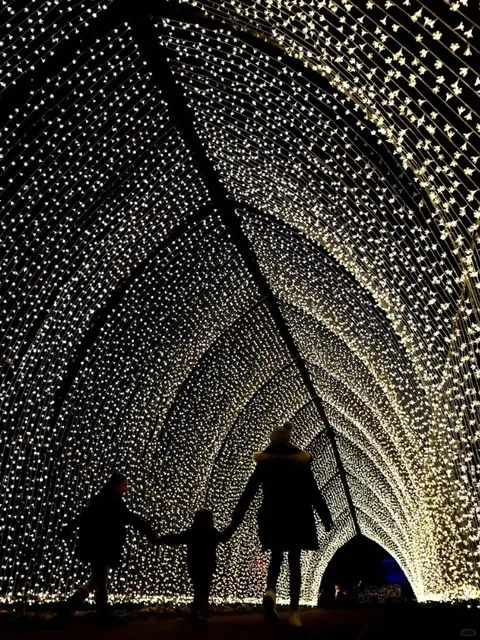
Read moreThe special evening event was a disappointment... don't bother to get tickets to the special Peruvian evening exhibit. Instead, plan a daytime visit.
As a former exhibit designer, I recommend that the Kew environmental designers fully consider the conditions their exhibit will be viewed in. Either make accommodation for this nighttime event or don’t offer it; allocate funds for additional directional signage; consider crowd comfort for winter visitors: e.g. bring in a portable bank of toilets; a coat check area and umbrella stands, etc
Some of the misses: Directions to Jodrel entrance gate were emailed, but the attachment contained inaccurately illustrated directions from the Kew train station. A simple Google Maps from the Underground would have been easier to follow. I arrived at the gate at the appointed time only to stand in a long queue under freezing rain for about 15 minutes. Once inside the gates, we were directed to a building with WCs, but there were just a couple of toilet stalls in the ladies’ room.
Inside the Conservatory was a chaotic scene, it was crowded and foot traffic was logjammed. Overall, the crowd management was poor and it seemed as if the event had been oversold. Traffic should have been routed to move in one direction. I also expected to find a coat check, as this is winter in London, and the public is entering a glass house with tropical temperatures.
The event promised Peru but didn't deliver. The live band was heard playing, but was visible only from one large monitor. It would have been nicer to have integrated the band into the “live action.” There were 2 bars with long lines inside the Conservatory, but the food was being prepared and served outside from one stall and one truck, without any provision made for inclement weather. Again, in London, in February, that seems like poor planning.
I’m sure this exhibit passes muster during the day, but at night, it was a failure. The lights were not directed for nighttime viewing, you’re either blinded or straining to see a hanging orchid in the dark. Also, no colored lights are needed to see these magnificent blooms, and there could have been more identifiers on the flowers.
There were butterflies and other hanging creatures made of painted straw adorned with dried flowers, scattered throughout. I think the theme they were aiming for was whimsical, but to me they were just awkward space fillers.
The Peruvian dancers added a nice touch, but there was no platform to see their performance, it was just a mass of heads if you were not lucky enough to be standing at the front when the dancer emerged from the grenenery.
Signage was completely absent on the alcove leading to the gift shop and lecture area (pictured.) There was not a single indicator that one should go in, so how do you sell souvenirs if no one is aware there’s a shop? That’s a missed revenue-generating opportunity.
Overall, I saw a failed plan to host large crowds attending a nighttime display during the winter. Providing a coat check and portable toilets would have been welcome and should be part of planning any exhibition. Planning for signage and directional lighting is...
Read moreKew Gardens, located in London, is undeniably a paradise for plant lovers, offering a captivating array of botanical wonders from around the globe. Spanning over 300 acres, this UNESCO World Heritage Site boasts an extensive collection of plants, trees, and flowers, making it one of the most renowned botanical gardens in the world.
Despite its reputation for natural beauty and scientific importance, one aspect that may deter some visitors is the entrance fee, which can be considered on the higher side. However, given its prime location in London and the wealth of attractions it offers, the cost is understandable.
During my visit to Kew Gardens, I had the unfortunate luck of encountering rain, which is not uncommon in London. However, even the inclement weather couldn't dampen my spirits as I explored the garden's lush landscapes and diverse plant collections. Armed with an umbrella and a sense of adventure, I wandered through the rain-kissed gardens, marveling at the beauty of nature in all its forms.
One of the highlights of my visit was the iconic Palm House, a magnificent Victorian glasshouse that houses a stunning collection of tropical plants from around the world. Stepping inside this architectural marvel felt like entering a tropical paradise, with towering palms, vibrant orchids, and exotic ferns creating a lush oasis amid the urban hustle and bustle.
In addition to the Palm House, Kew Gardens is also home to several other notable attractions, including the Temperate House, the Waterlily House, and the Princess of Wales Conservatory, each offering its own unique botanical treasures.
Aside from its impressive plant collections, Kew Gardens also plays a crucial role in plant conservation and research, with dedicated scientists working tirelessly to protect endangered species and study plant diversity. Visitors can learn more about these efforts through informative exhibits and guided tours, adding depth and context to their garden experience.
Despite the rain and the relatively high entrance fee, my visit to Kew Gardens was an unforgettable experience that left me inspired and rejuvenated. Whether you're a seasoned botanist, a casual nature enthusiast, or simply someone looking for a peaceful escape from city life, Kew Gardens offers a delightful retreat into the wonders of the...
Read more