Winchester Palace things to do, attractions, restaurants, events info and trip planning
Basic Info
Winchester Palace
Winchester Palace, Pickfords Wharf, London SE1 9DN, United Kingdom
4.4(148)
Open until 12:00 AM
Save
spot
spot
Ratings & Description
Info
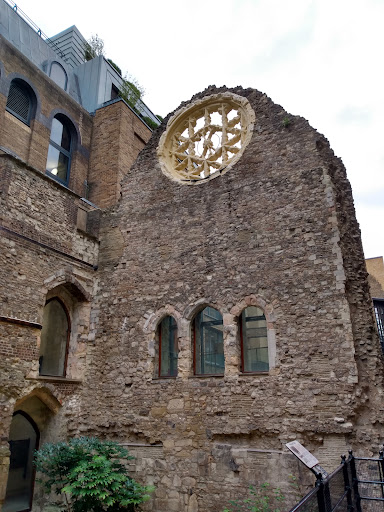
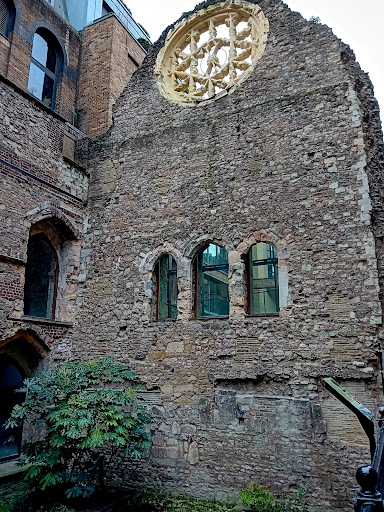
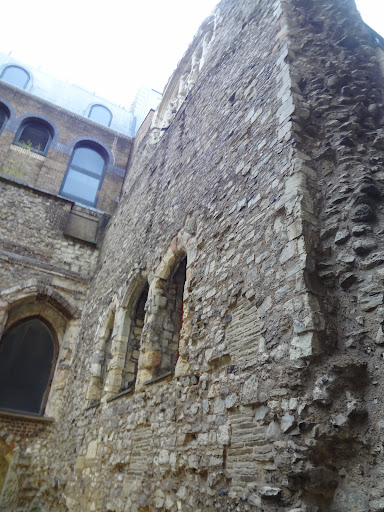
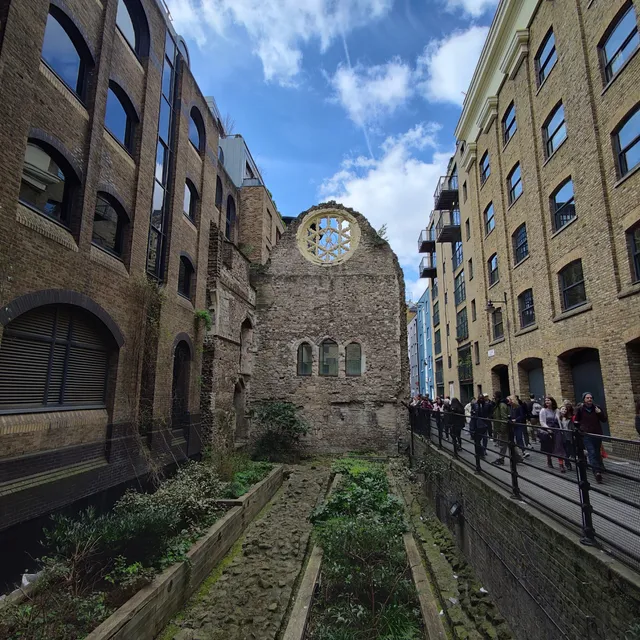
Winchester Palace was a 12th-century bishop's palace that served as the London townhouse of the Bishops of Winchester. It was located in the parish of Southwark in Surrey, on the south bank of the River Thames on what is now Clink Street in the London Borough of Southwark, near St Saviour's Church.
Cultural
Scenic
attractions: London Bridge, The Clink Prison Museum, Borough Market, Southwark Cathedral, The London Bridge Experience & London Tombs, The Shard, Shakespeare's Globe, The View from The Shard, Tate Modern, Southwark Bridge, restaurants: Plaza Khao Gaeng Borough Yards, Bill’s London Bridge Restaurant, The Old Thameside Inn, Anchor Bankside, Hawksmoor Borough, Mallow Borough Market, Flat Iron Borough, Franco Manca London Bridge, Salt Yard Borough, Nando's Clink Street, local businesses: The Golden Hinde, Red Bus Shop, The Wheatsheaf, Bread Ahead Bakery School | Borough Market, London Bridge hardware, Borough Yards, Glaziers Hall, Turnips, Borough Market (Greengrocers), London Bridge Underground Station, The Old Operating Theatre Museum and Herb Garret
 Learn more insights from Wanderboat AI.
Phone
+44 370 333 1181
Website
english-heritage.org.uk
Open hoursSee all hours
SunOpen 24 hoursOpen
Plan your stay

Pet-friendly Hotels in London
Find a cozy hotel nearby and make it a full experience.

Affordable Hotels in London
Find a cozy hotel nearby and make it a full experience.

The Coolest Hotels You Haven't Heard Of (Yet)
Find a cozy hotel nearby and make it a full experience.

Trending Stays Worth the Hype in London
Find a cozy hotel nearby and make it a full experience.
Reviews
Live events

Walk London with a local - in easy English
Sun, Feb 8 • 9:30 AM
Greater London, W1J 9BT, United Kingdom
View details

London Pottery Workshop
Sun, Feb 8 • 11:00 AM
Greater London, HA0 1RQ, United Kingdom
View details
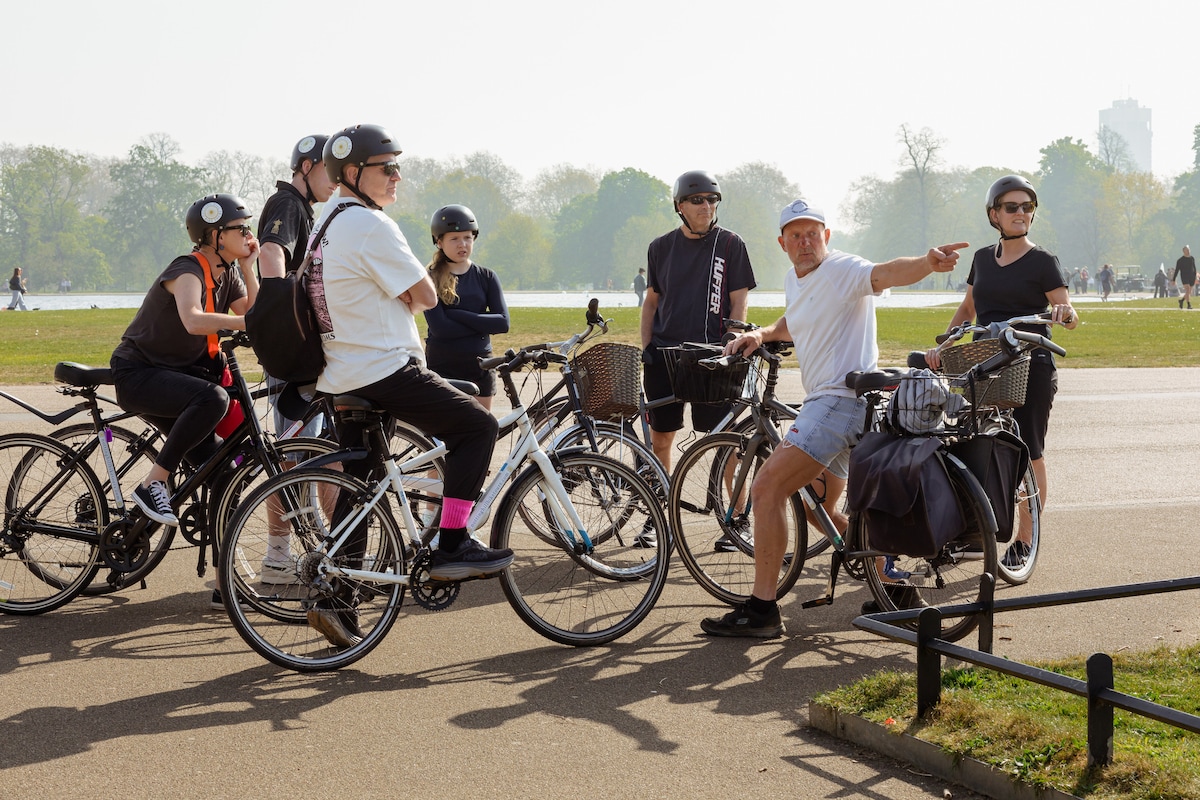
Visit London landmarks and royal parks
Sat, Feb 14 • 10:00 AM
Greater London, W2 4RJ, United Kingdom
View details
Nearby attractions of Winchester Palace
London Bridge
The Clink Prison Museum
Borough Market
Southwark Cathedral
The London Bridge Experience & London Tombs
The Shard
Shakespeare's Globe
The View from The Shard
Tate Modern
Southwark Bridge
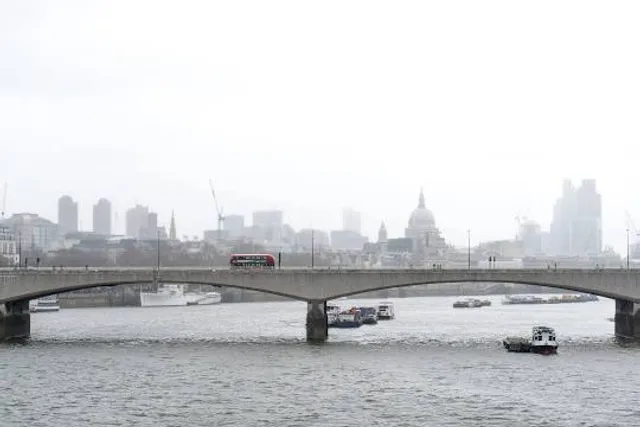
London Bridge
4.6
(21.2K)
Open 24 hours
Click for details
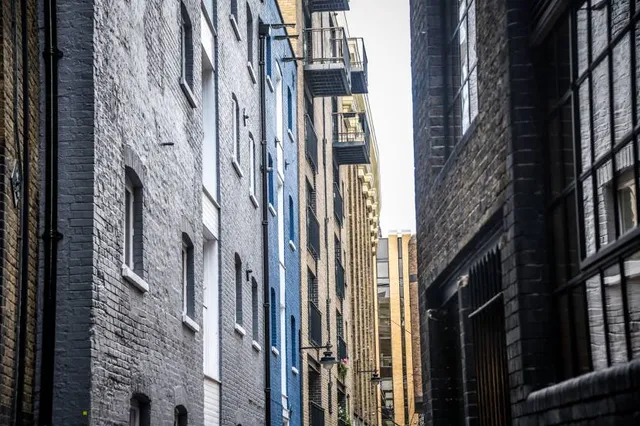
The Clink Prison Museum
4.1
(1.1K)
Closed
Click for details
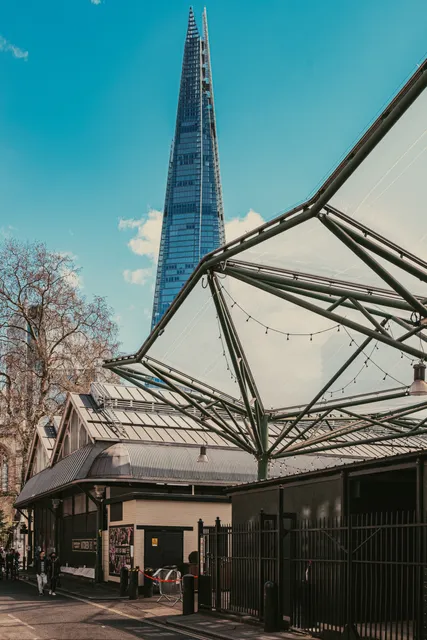
Borough Market
4.6
(4.1K)
Closed
Click for details
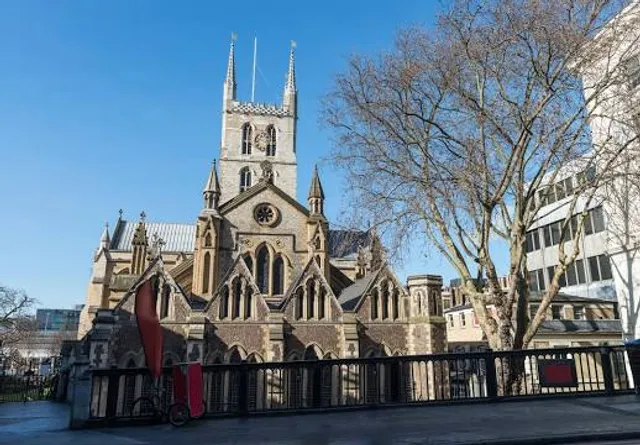
Southwark Cathedral
4.7
(1.8K)
Closed
Click for details
Nearby restaurants of Winchester Palace
Plaza Khao Gaeng Borough Yards
Bill’s London Bridge Restaurant
The Old Thameside Inn
Anchor Bankside
Hawksmoor Borough
Mallow Borough Market
Flat Iron Borough
Franco Manca London Bridge
Salt Yard Borough
Nando's Clink Street

Plaza Khao Gaeng Borough Yards
4.9
(175)
Closed
Click for details
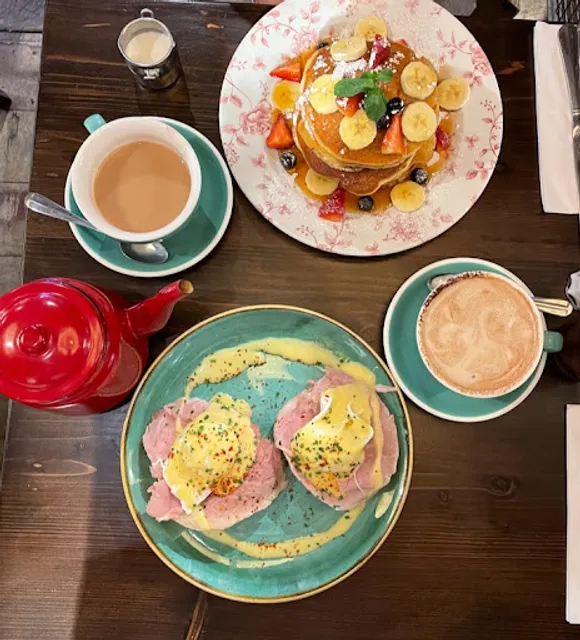
Bill’s London Bridge Restaurant
4.5
(2.4K)
Closed
Click for details
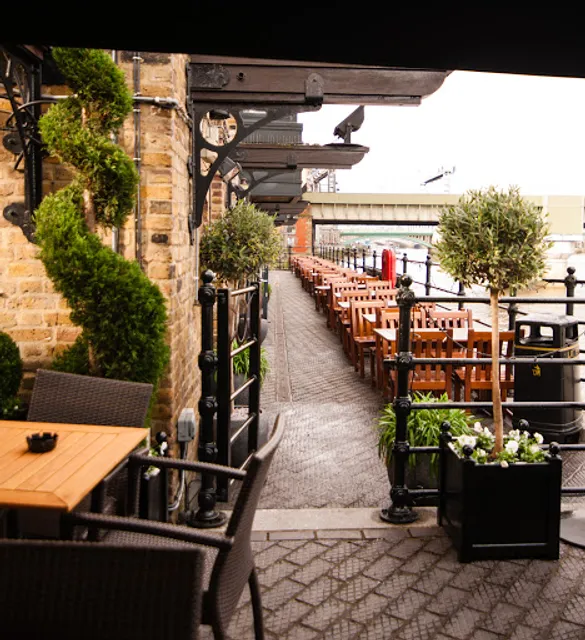
The Old Thameside Inn
4.3
(2.4K)
Closed
Click for details
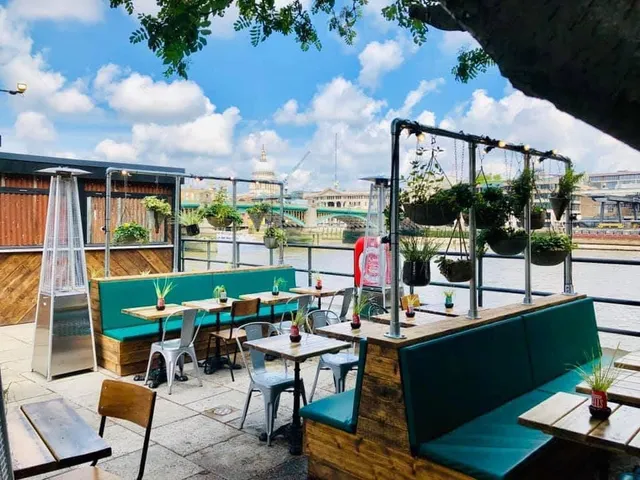
Anchor Bankside
4.2
(4.4K)
Closed
Click for details
Nearby local services of Winchester Palace
The Golden Hinde
Red Bus Shop
The Wheatsheaf
Bread Ahead Bakery School | Borough Market
London Bridge hardware
Borough Yards
Glaziers Hall
Turnips, Borough Market (Greengrocers)
London Bridge Underground Station
The Old Operating Theatre Museum and Herb Garret
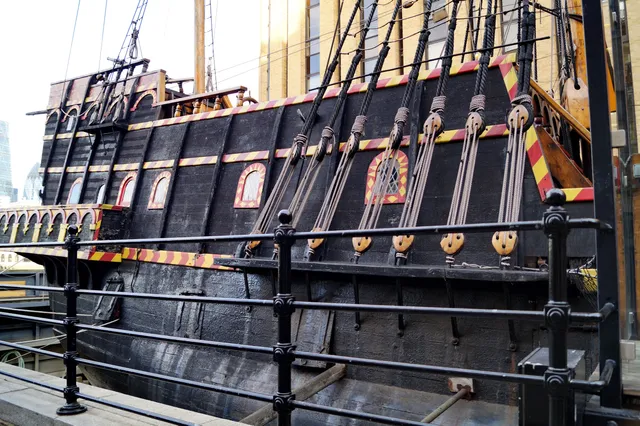
The Golden Hinde
4.3
(628)
Click for details

Red Bus Shop
4.5
(173)
Click for details
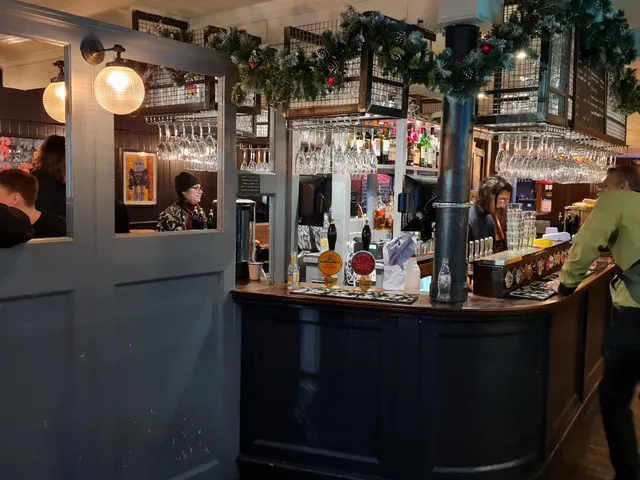
The Wheatsheaf
4.3
(1.0K)
Click for details

Bread Ahead Bakery School | Borough Market
4.9
(274)
Click for details


The hit list



Plan your trip with Wanderboat
Welcome to Wanderboat AI, your AI search for local Eats and Fun, designed to help you explore your city and the world with ease.
Powered by Wanderboat AI trip planner.