St Mary's RC Church things to do, attractions, restaurants, events info and trip planning
Basic Info
St Mary's RC Church
St Mary's Church, 17 Mulberry St, Manchester M2 6LN, United Kingdom
4.8(375)
Closed
Save
spot
spot
Ratings & Description
Info
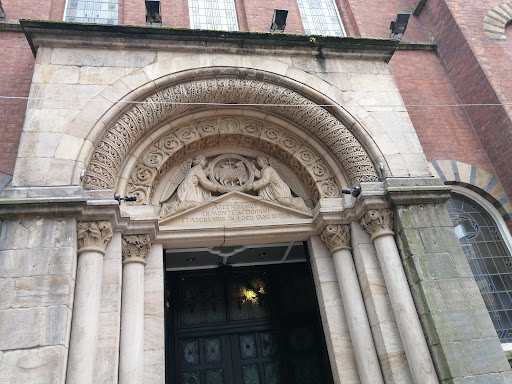
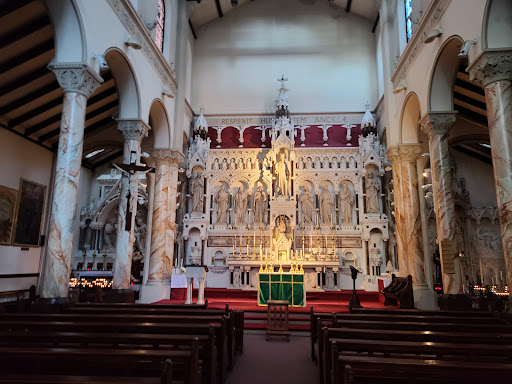
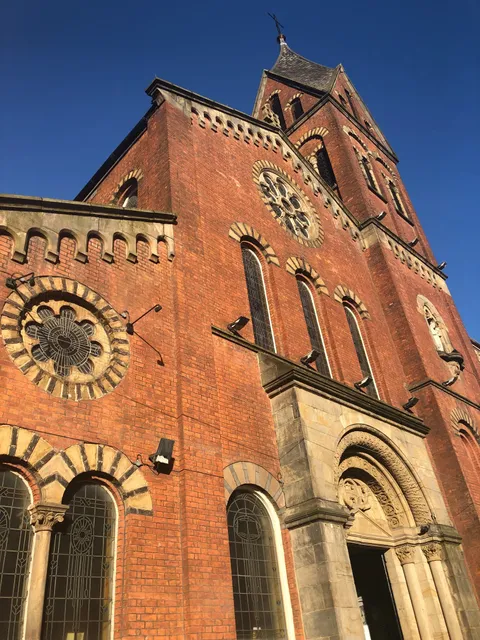
The Hidden Gem, officially St Mary's Catholic Church, is a church on Mulberry Street, Manchester, England. The parish dates back to 1794, with devotion to St Mary, Our Lady of the Assumption, however the church was rebuilt in 1848.
Cultural
Accessibility
attractions: Blank Studio, John Rylands Research Institute and Library, Abraham Lincoln Statue, Saint Ann's Church, Manchester Art Gallery, St. Peter's Square, Manchester Central Library, Opera House Manchester, Manchester City Council, Manchester Central Convention Complex, restaurants: Ape and Apple, Slug & Lettuce - Albert Square Manchester, Zaap Thai Street Food Manchester, Founder's Hall, El Gato Negro Tapas Manchester, Miller & Carter Manchester, Maray Manchester, Circolo Popolare Manchester, Piccolino Caffé Grande, Manchester, Fazenda Rodizio Bar & Grill Manchester, local businesses: Riot Hearts Collective, Manchester's Christmas Markets, Waterstones, Dalton Salon, Albert Hall, Manchester, House of Fraser, New-Church House, The Head Spa Manchester, The Barberss, Charles Tyrwhitt
 Learn more insights from Wanderboat AI.
Phone
+44 161 834 3547
Website
hiddengem.me.uk
Open hoursSee all hours
Sun8:30 AM - 1:30 PMClosed
Plan your stay

Pet-friendly Hotels in Manchester
Find a cozy hotel nearby and make it a full experience.

Affordable Hotels in Manchester
Find a cozy hotel nearby and make it a full experience.

The Coolest Hotels You Haven't Heard Of (Yet)
Find a cozy hotel nearby and make it a full experience.

Trending Stays Worth the Hype in Manchester
Find a cozy hotel nearby and make it a full experience.
Reviews
Live events
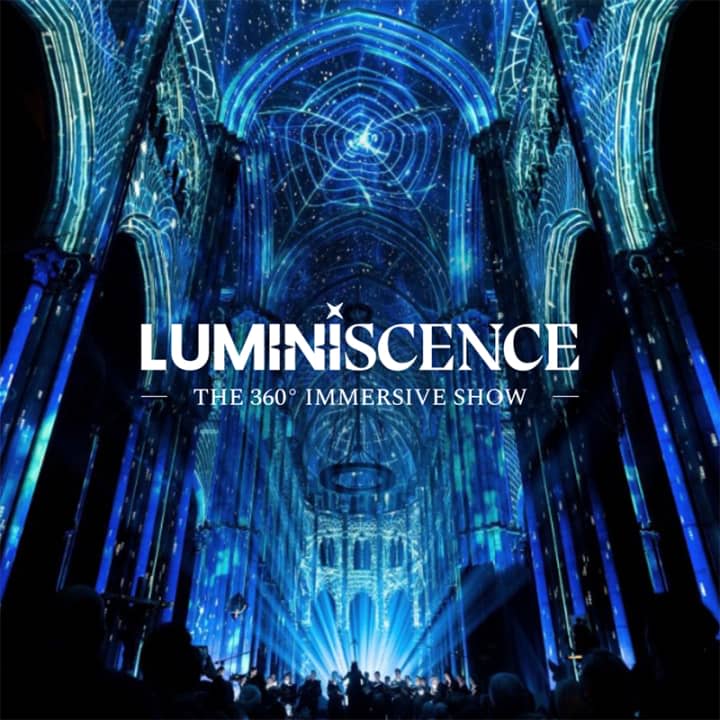
LUMINISCENCE Manchester: The 360° Immersive Show - UK Premiere
Sun, Feb 8 • 7:30 PM
Victoria Street, Manchester, M3 1SX
View details

Bubble Planet: An Immersive Experience in Manchester
Sun, Feb 8 • 9:00 AM
11 Baring Street, Manchester, M1 2PY
View details
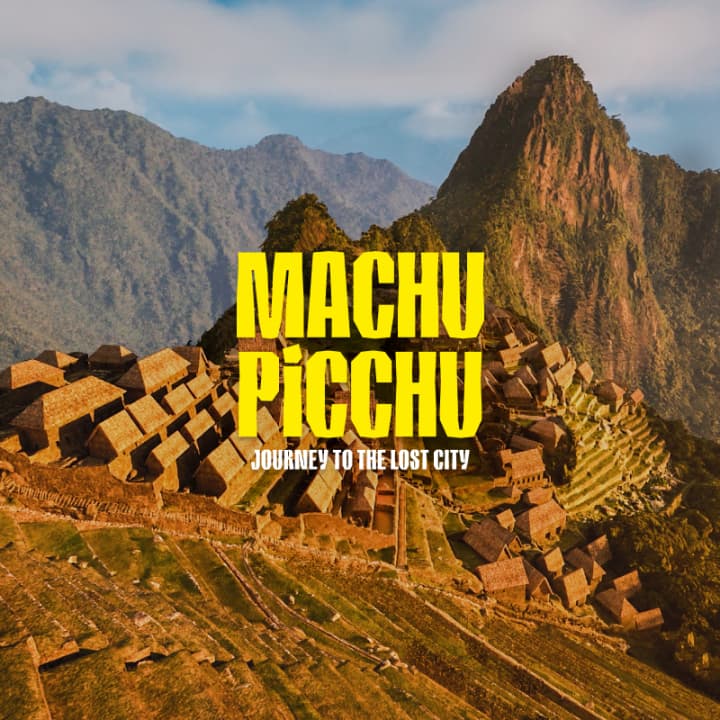
Machu Picchu: Journey to the Lost City
Sun, Feb 8 • 10:00 AM
Transmission House, 11 Tib St, Manchester, M4 1AF
View details
Nearby attractions of St Mary's RC Church
Blank Studio
John Rylands Research Institute and Library
Abraham Lincoln Statue
Saint Ann's Church
Manchester Art Gallery
St. Peter's Square
Manchester Central Library
Opera House Manchester
Manchester City Council
Manchester Central Convention Complex

Blank Studio
4.9
(225)
Closed
Click for details
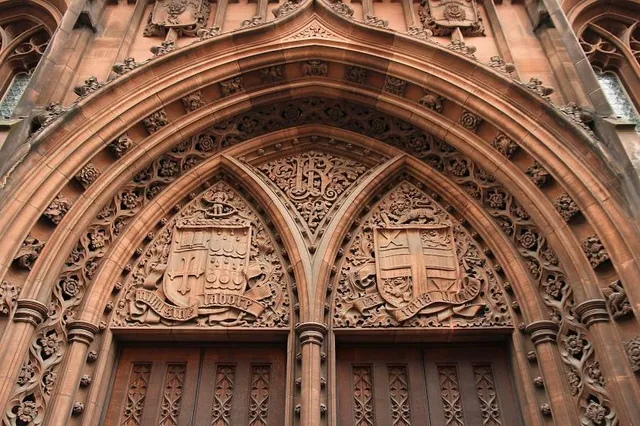
John Rylands Research Institute and Library
4.8
(751)
Open until 12:00 AM
Click for details
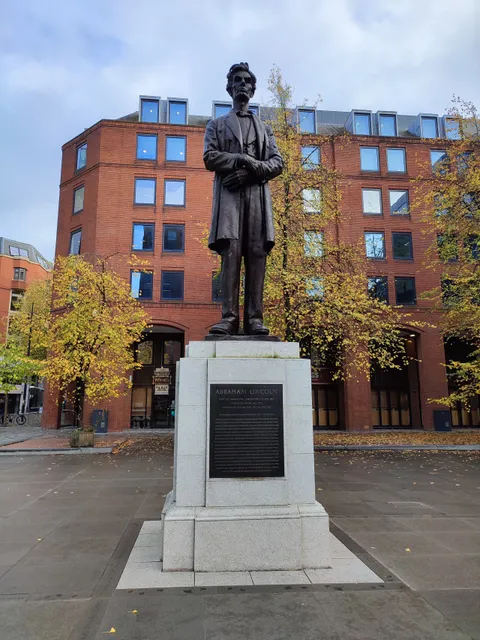
Abraham Lincoln Statue
4.4
(90)
Open until 12:00 AM
Click for details
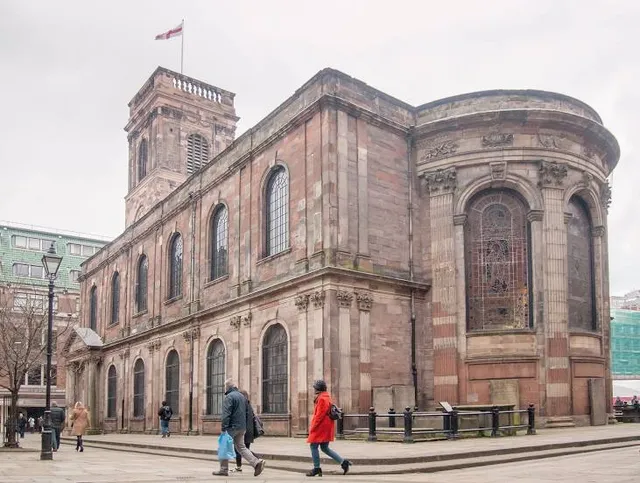
Saint Ann's Church
4.6
(350)
Closed
Click for details
Nearby restaurants of St Mary's RC Church
Ape and Apple
Slug & Lettuce - Albert Square Manchester
Zaap Thai Street Food Manchester
Founder's Hall
El Gato Negro Tapas Manchester
Miller & Carter Manchester
Maray Manchester
Circolo Popolare Manchester
Piccolino Caffé Grande, Manchester
Fazenda Rodizio Bar & Grill Manchester
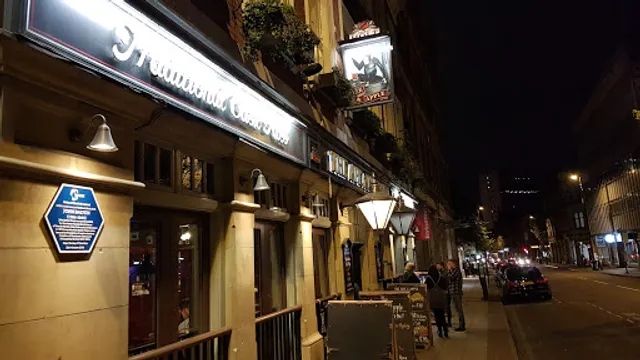
Ape and Apple
4.3
(816)
Closed
Click for details
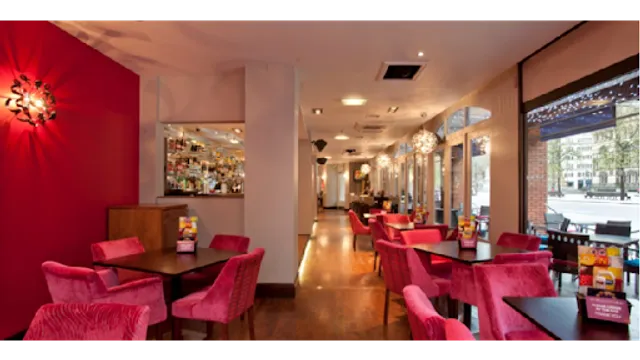
Slug & Lettuce - Albert Square Manchester
4.5
(2K)
Closed
Click for details

Zaap Thai Street Food Manchester
4.8
(592)
Closed
Click for details
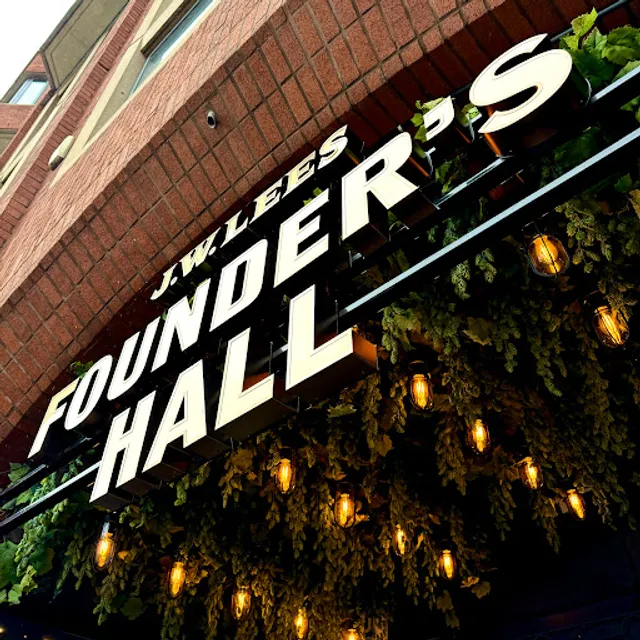
Founder's Hall
4.2
(922)
Closed
Click for details
Nearby local services of St Mary's RC Church
Riot Hearts Collective
Manchester's Christmas Markets
Waterstones
Dalton Salon
Albert Hall, Manchester
House of Fraser
New-Church House
The Head Spa Manchester
The Barberss
Charles Tyrwhitt

Riot Hearts Collective
4.9
(56)
Click for details
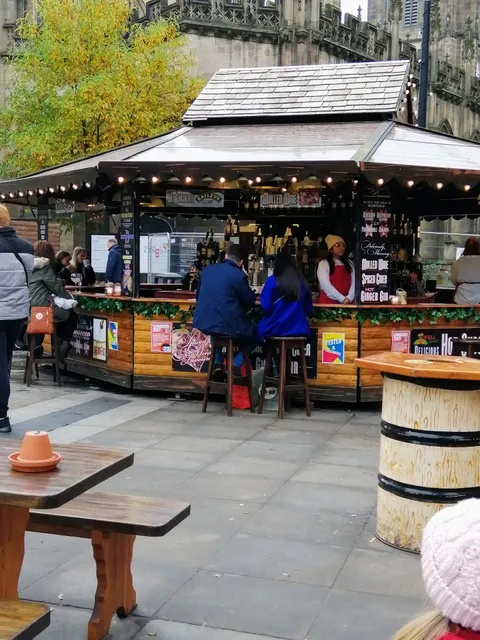
Manchester's Christmas Markets
4.0
(1.3K)
Click for details

Waterstones
4.6
(1.6K)
Click for details

Dalton Salon
4.7
(167)
Click for details