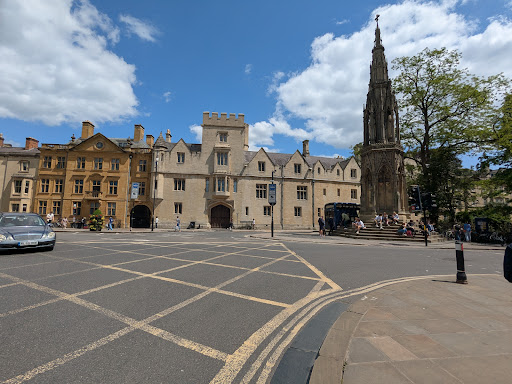
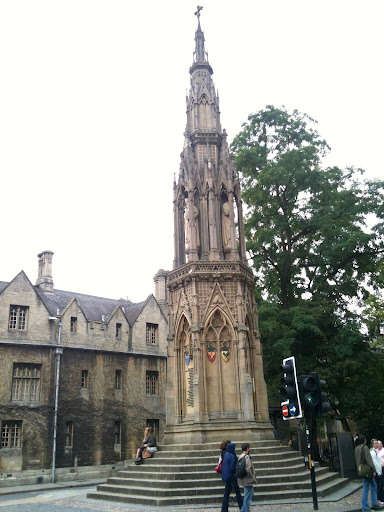
Martyrs' Memorial things to do, attractions, restaurants, events info and trip planning
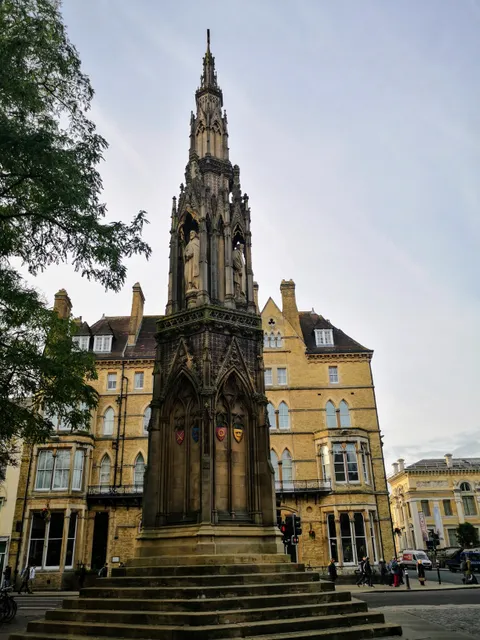
Basic Info
Martyrs' Memorial
13 Magdalen St, Oxford OX1 3AE, United Kingdom
4.3(375)
Open until 12:00 AM
Save
spot
spot
Ratings & Description
Info
The Maqam Echahid is a concrete monument commemorating the Algerian War. The monument was opened in 1982, on the 20th anniversary of Algeria's independence. It is fashioned in the shape of three standing palm leaves, which shelter the "Eternal Flame" under it.
Cultural
Scenic
Accessibility
attractions: New Theatre Oxford, Oxford Playhouse, Ashmolean Museum, History of Science Museum, University of Oxford, St Michael at the North Gate, Trinity College, The Sheldonian Theatre, Carfax Tower, Taylor Institution Library, restaurants: Turtle Bay Oxford, COSMO All You Can Eat World Buffet Restaurant | Oxford, Rincha Thai Café, The Alice, Five Guys Burgers and Fries Oxford, Franco Manca Oxford, Bella Italia - Oxford, Red Lion Oxford, The White Rabbit, Najar's Place, local businesses: Last Bookshop, Tesco Express, Gentlemen's Barbers, Saint Mary Magdalen, iStore / Western Computer - Apple Authorised Reseller | Oxford, Saint Mary Magdalen, Oxford Walking Tours, Mountain Warehouse Oxford, TONI&GUY Oxford, Hussain's Kebabs Oxford St Giles
 Learn more insights from Wanderboat AI.
Website
oxfordhistory.org.uk
Open hoursSee all hours
TueOpen 24 hoursOpen
Plan your stay

Pet-friendly Hotels in Oxford
Find a cozy hotel nearby and make it a full experience.

Affordable Hotels in Oxford
Find a cozy hotel nearby and make it a full experience.

The Coolest Hotels You Haven't Heard Of (Yet)
Find a cozy hotel nearby and make it a full experience.

Trending Stays Worth the Hype in Oxford
Find a cozy hotel nearby and make it a full experience.
Reviews
Live events
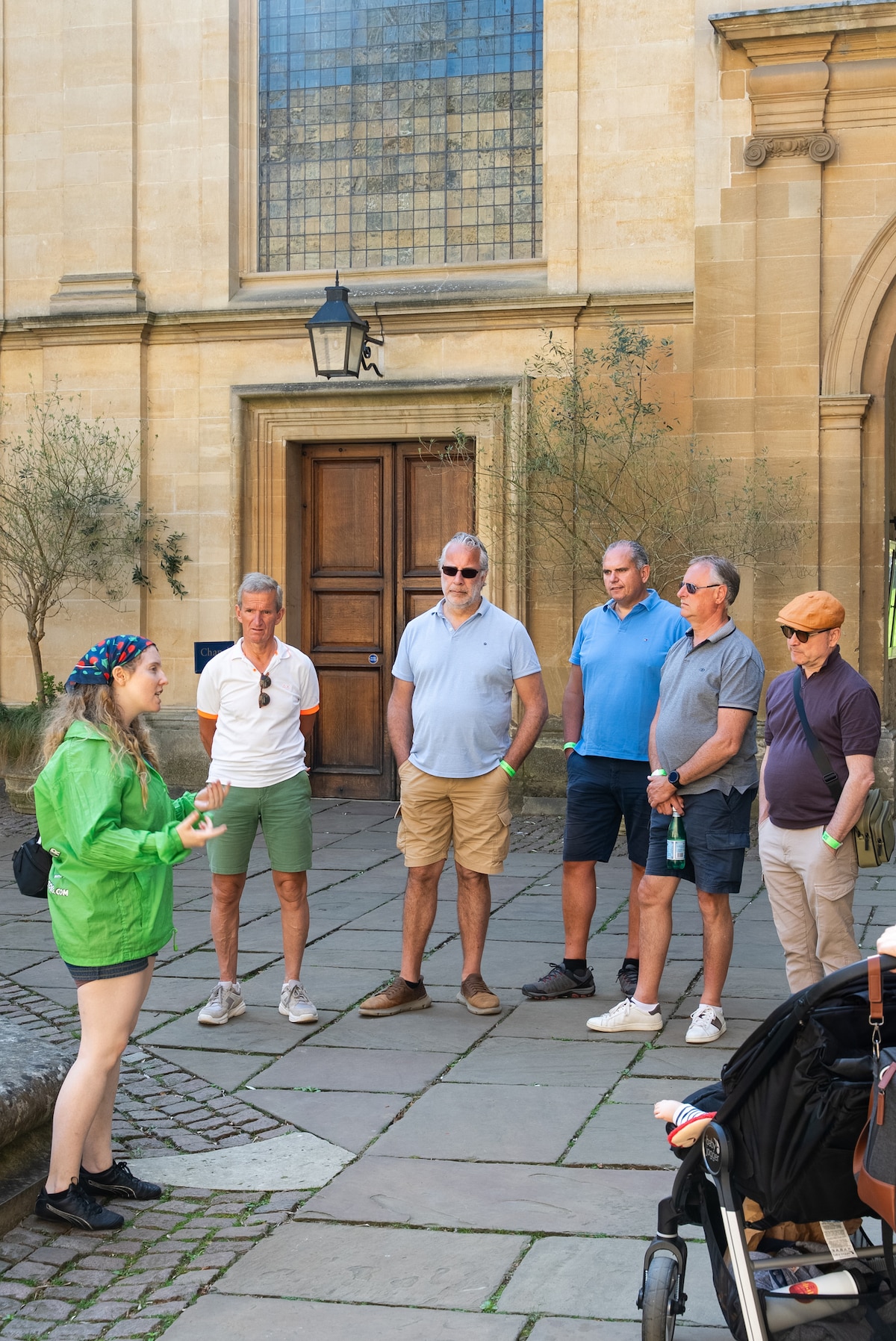
Explore Oxford University with Oxford Alumni
Tue, Feb 24 • 11:00 AM
Oxford, OX1 3AS, United Kingdom
View details
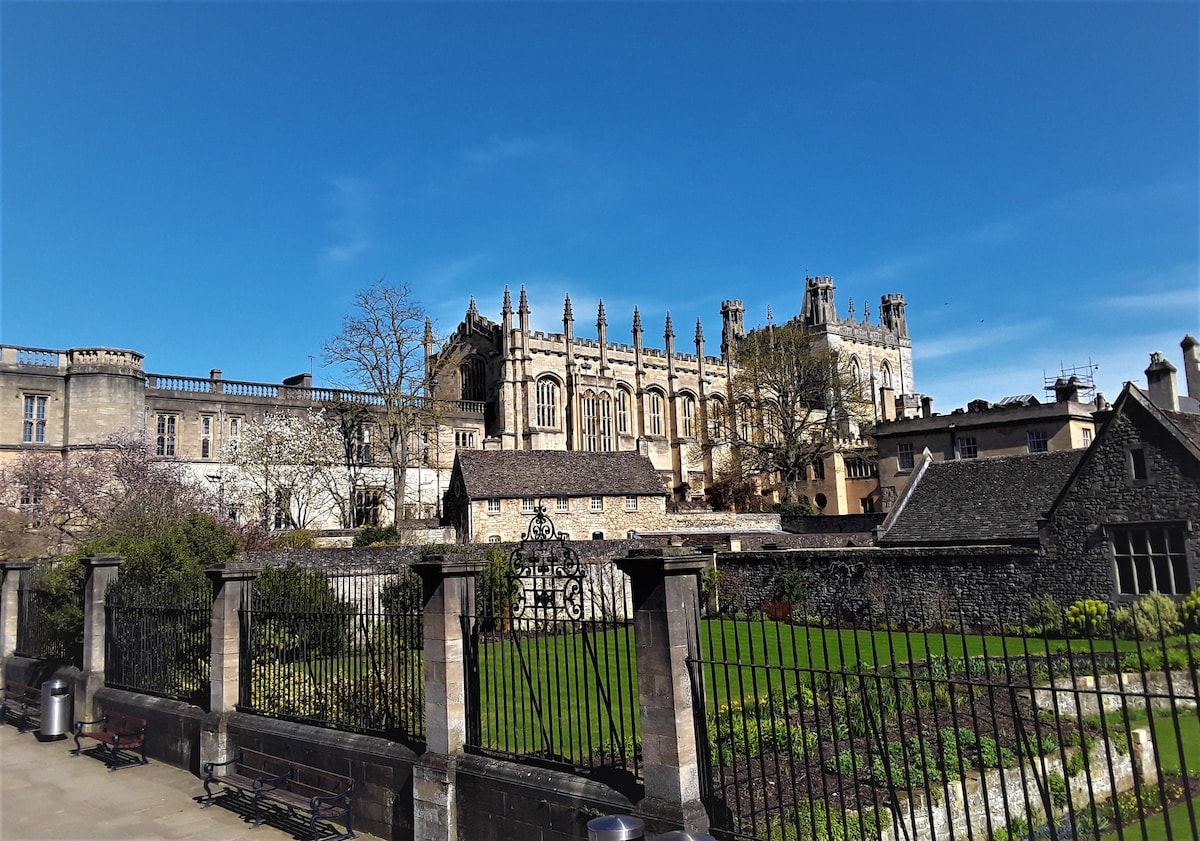
Escape to Oxford and explore its rich history
Tue, Feb 24 • 11:00 AM
Oxfordshire, OX1 3AE, United Kingdom
View details
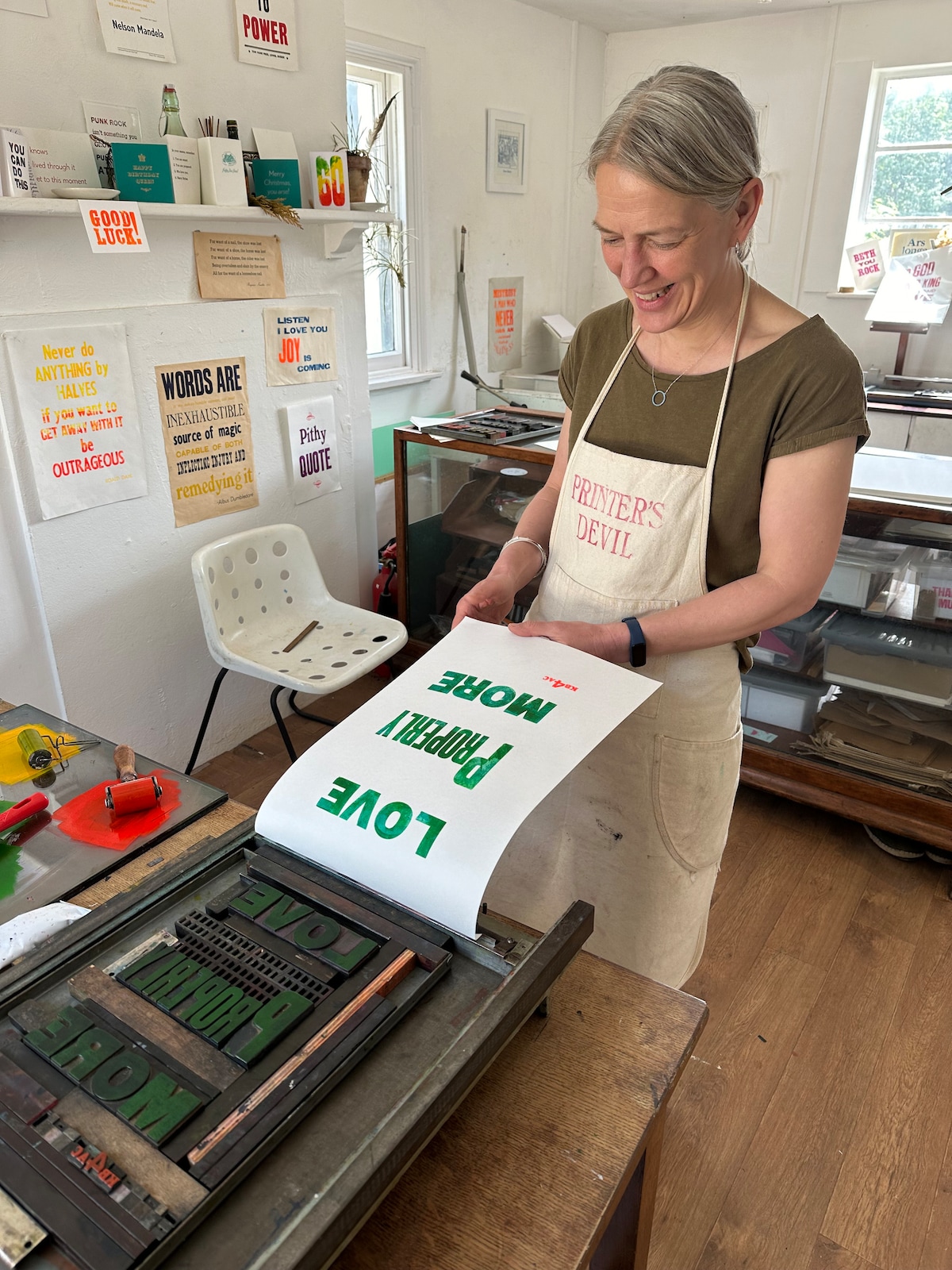
Letterpress printing workshop
Tue, Feb 24 • 10:00 AM
North Leigh, OX29 6PW, United Kingdom
View details
Nearby attractions of Martyrs' Memorial
New Theatre Oxford
Oxford Playhouse
Ashmolean Museum
History of Science Museum
University of Oxford
St Michael at the North Gate
Trinity College
The Sheldonian Theatre
Carfax Tower
Taylor Institution Library

New Theatre Oxford
4.4
(1.9K)
Open 24 hours
Click for details

Oxford Playhouse
4.6
(770)
Open 24 hours
Click for details
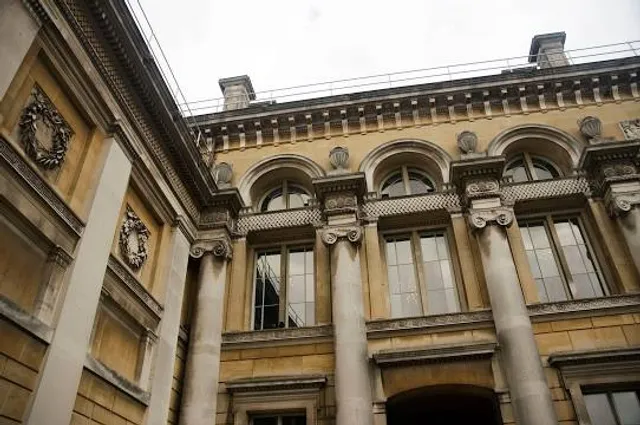
Ashmolean Museum
4.7
(353)
Closed
Click for details
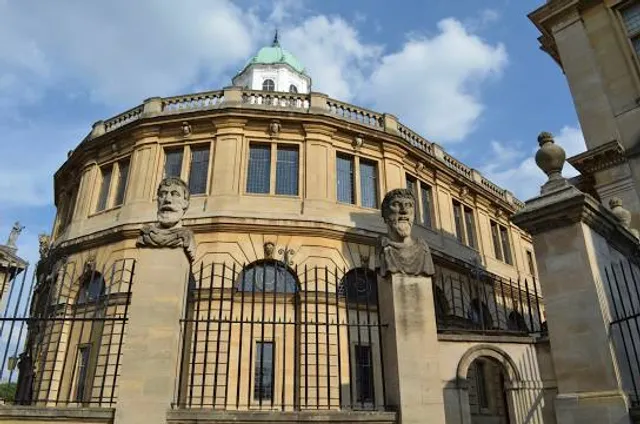
History of Science Museum
4.4
(1.2K)
Open until 12:00 AM
Click for details
Nearby restaurants of Martyrs' Memorial
Turtle Bay Oxford
COSMO All You Can Eat World Buffet Restaurant | Oxford
Rincha Thai Café
The Alice
Five Guys Burgers and Fries Oxford
Franco Manca Oxford
Bella Italia - Oxford
Red Lion Oxford
The White Rabbit
Najar's Place
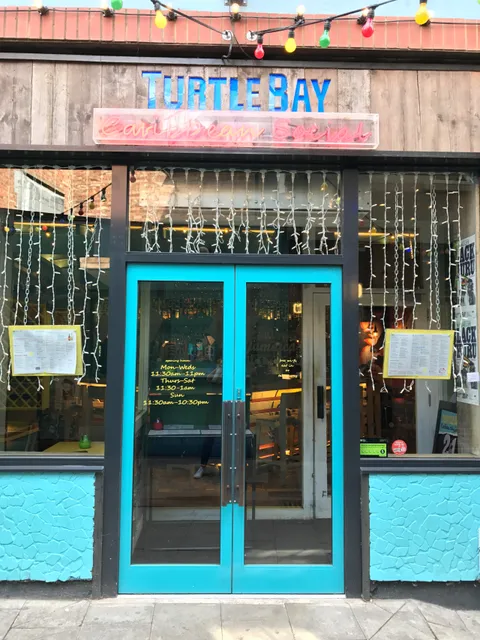
Turtle Bay Oxford
4.8
(3.5K)
$$$
Closed
Click for details
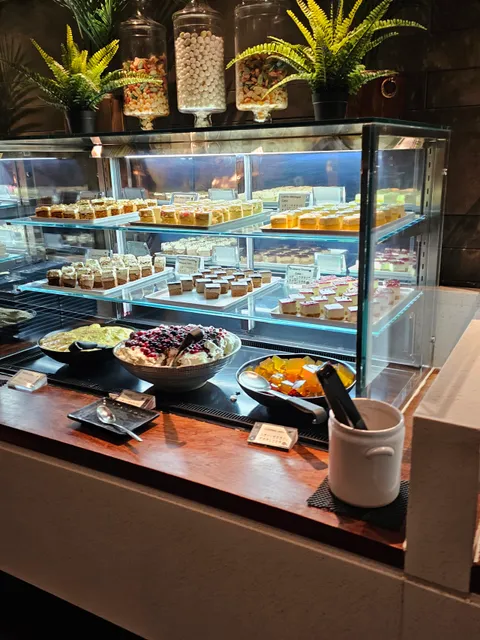
COSMO All You Can Eat World Buffet Restaurant | Oxford
4.3
(1.4K)
$$
Closed
Click for details

Rincha Thai Café
5.0
(36)
Closed
Click for details
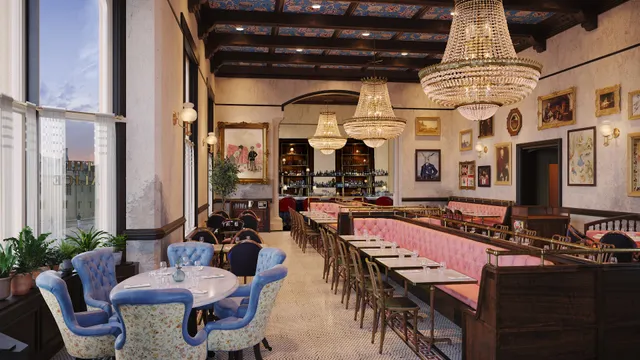
The Alice
4.4
(406)
Closed
Click for details
Nearby local services of Martyrs' Memorial
Last Bookshop
Tesco Express
Gentlemen's Barbers
Saint Mary Magdalen
iStore / Western Computer - Apple Authorised Reseller | Oxford
Saint Mary Magdalen
Oxford Walking Tours
Mountain Warehouse Oxford
TONI&GUY Oxford
Hussain's Kebabs Oxford St Giles

Last Bookshop
4.2
(56)
Click for details

Tesco Express
3.5
(142)
Click for details

Gentlemen's Barbers
4.6
(370)
Click for details
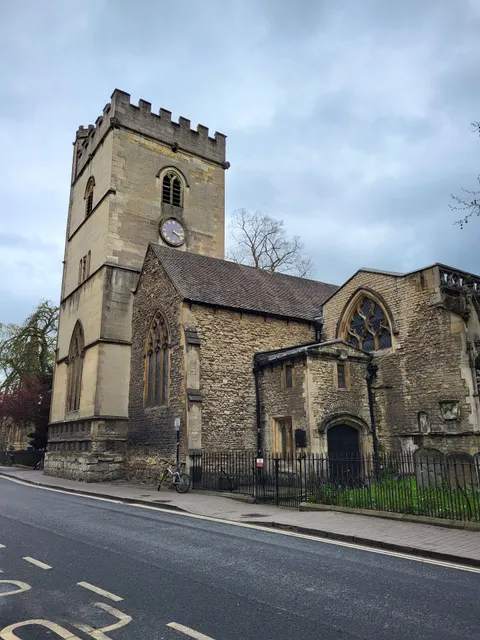
Saint Mary Magdalen
4.6
(40)
Click for details