Reading Abbey Ruins things to do, attractions, restaurants, events info and trip planning
Basic Info
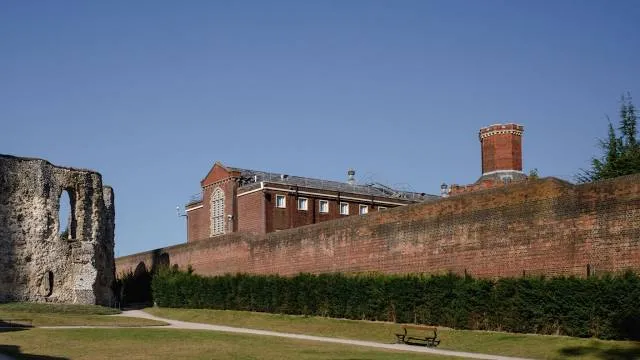
Reading Abbey Ruins
Abbot's Walk, Reading RG1 3HW, United Kingdom
4.6(778)
Closed
Save
spot
spot
Ratings & Description
Info
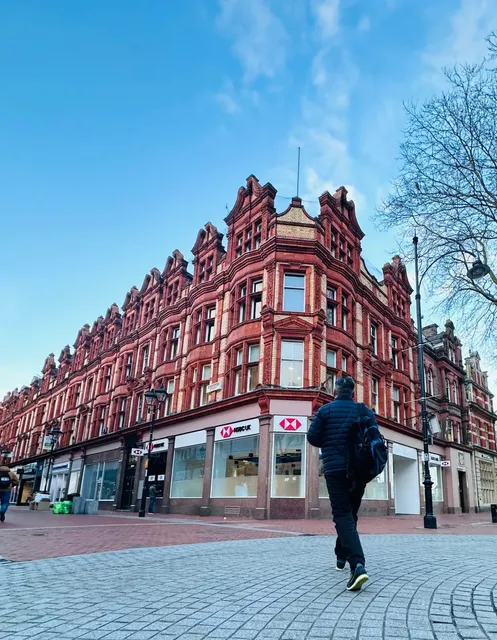
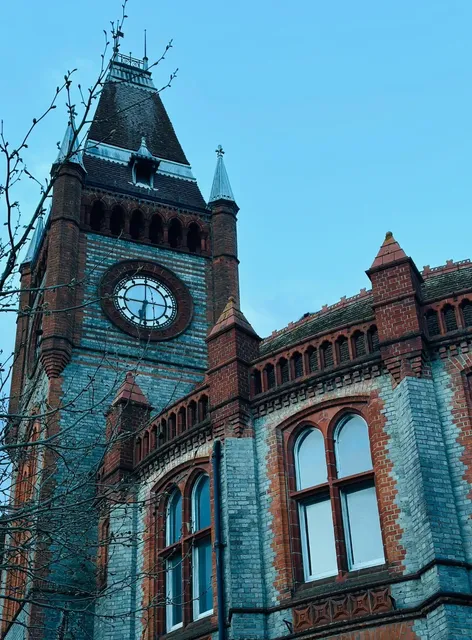
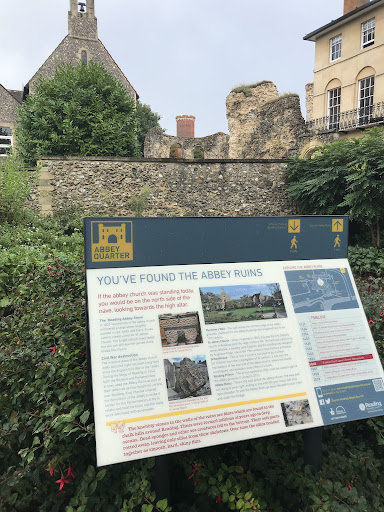
Reading Abbey is a large, ruined abbey in the centre of the town of Reading, in the English county of Berkshire. It was founded by Henry I in 1121 "for the salvation of my soul, and the souls of King William, my father, and of King William, my brother, and Queen Maud, my wife, and all my ancestors and successors."
Cultural
Outdoor
Scenic
Family friendly
Accessibility
attractions: Forbury Gardens Park, Maiwand Lion, Reading Museum, Banksy's Create Escape, Reading Abbey Gateway, South Street Arts Centre, The Town Hall Reading, Kings Meadow, Britain's Bayeux Tapestry, Reading Central Library, restaurants: Anjappar Chettinad Restaurant - Reading, The Açai Club, Shree Krishna Vada Pav (SKVP) - Reading, House of Flavours, The Back of Beyond - JD Wetherspoon, Outlook, Thirsty Bear Pub & Pizza Restaurant, Madras Flavours Pure Indian Vegetarian Restaurant, KFC Reading - Forbury Retail Park, The Reading Room, local businesses: Escape Hunt Reading, Vue Cinema Reading, The Oracle, Amò Italian Street Food, Reading, John Lewis & Partners, Apple The Oracle, DreamVault Escape Adventures, CeX, The Range, Reading
 Learn more insights from Wanderboat AI.
Phone
+44 118 937 3400
Website
readingabbeyquarter.org.uk
Open hoursSee all hours
Mon8 AM - 6 PMClosed
Plan your stay

Pet-friendly Hotels in Reading
Find a cozy hotel nearby and make it a full experience.

Affordable Hotels in Reading
Find a cozy hotel nearby and make it a full experience.

The Coolest Hotels You Haven't Heard Of (Yet)
Find a cozy hotel nearby and make it a full experience.

Trending Stays Worth the Hype in Reading
Find a cozy hotel nearby and make it a full experience.
Reviews
Live events

Candlelight: The Best of Hans Zimmer
Sat, Feb 28 • 6:30 PM
London Road, Campus, Reading, RG1 5AQ
View details
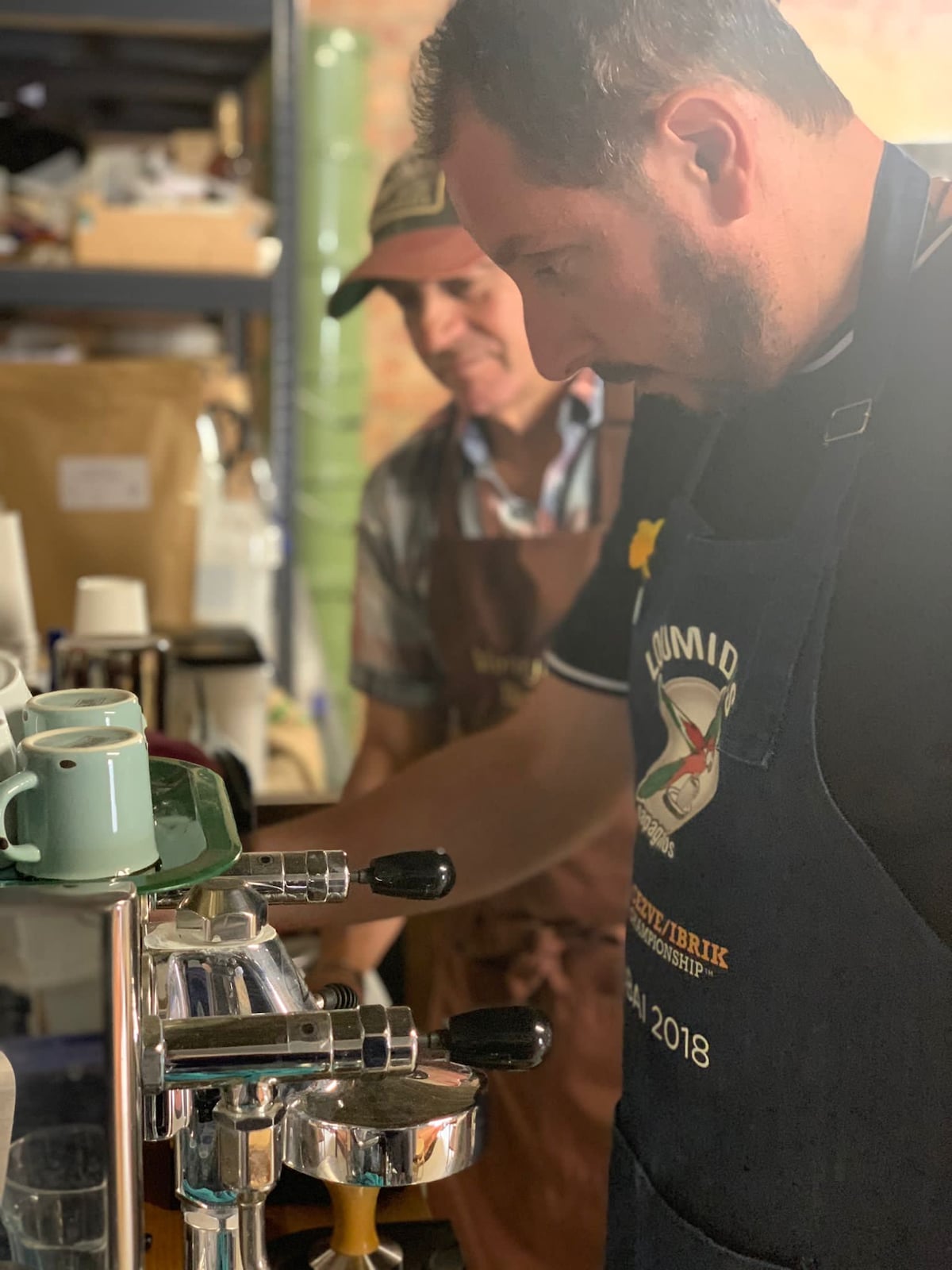
Roast coffee, learn, and pour some latte art
Sun, Mar 1 • 9:15 AM
Buckinghamshire, SL7 1DW, United Kingdom
View details

Nervous System Reset Breathwork & Somatics
Tue, Feb 17 • 6:00 PM
57 Armour Hill, Tilehurst, Reading, UK, United Kingdom
View details
Nearby attractions of Reading Abbey Ruins
Forbury Gardens Park
Maiwand Lion
Reading Museum
Banksy's Create Escape
Reading Abbey Gateway
South Street Arts Centre
The Town Hall Reading
Kings Meadow
Britain's Bayeux Tapestry
Reading Central Library
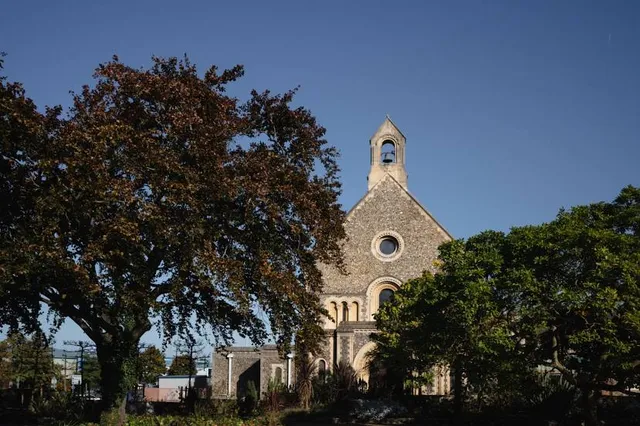
Forbury Gardens Park
4.6
(361)
Closed
Click for details
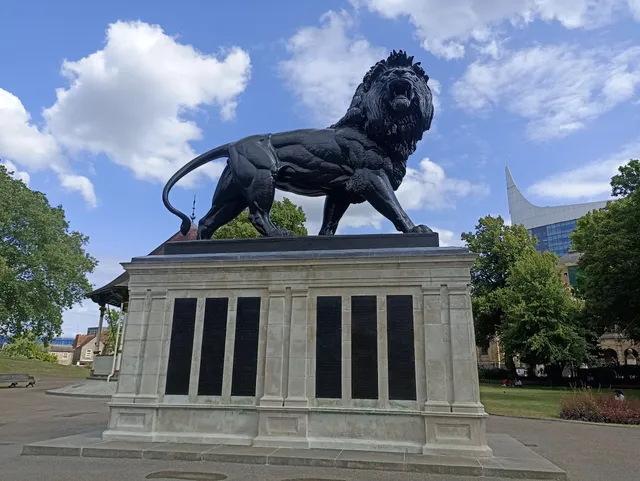
Maiwand Lion
4.5
(166)
Open until 12:00 AM
Click for details
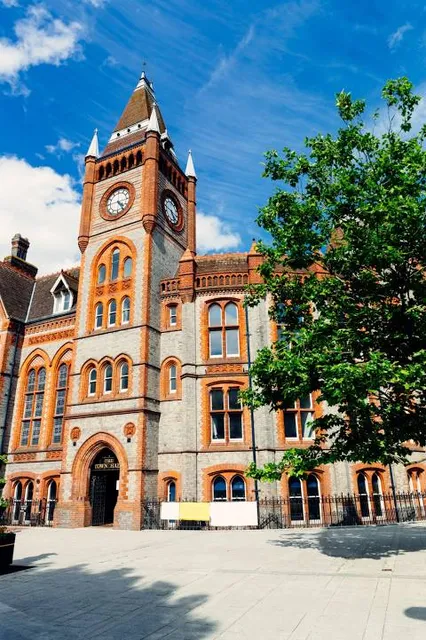
Reading Museum
4.5
(642)
Open until 12:00 AM
Click for details

Banksy's Create Escape
4.7
(24)
Open until 12:00 AM
Click for details
Nearby restaurants of Reading Abbey Ruins
Anjappar Chettinad Restaurant - Reading
The Açai Club
Shree Krishna Vada Pav (SKVP) - Reading
House of Flavours
The Back of Beyond - JD Wetherspoon
Outlook
Thirsty Bear Pub & Pizza Restaurant
Madras Flavours Pure Indian Vegetarian Restaurant
KFC Reading - Forbury Retail Park
The Reading Room

Anjappar Chettinad Restaurant - Reading
4.5
(100)
Closed
Click for details

The Açai Club
4.8
(63)
Closed
Click for details
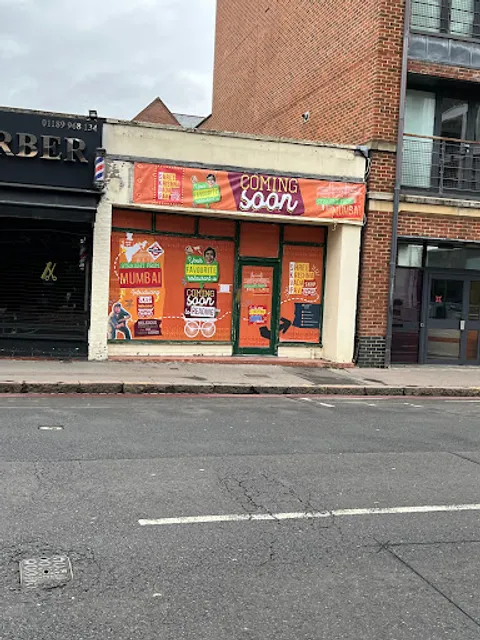
Shree Krishna Vada Pav (SKVP) - Reading
4.5
(1.2K)
Closed
Click for details
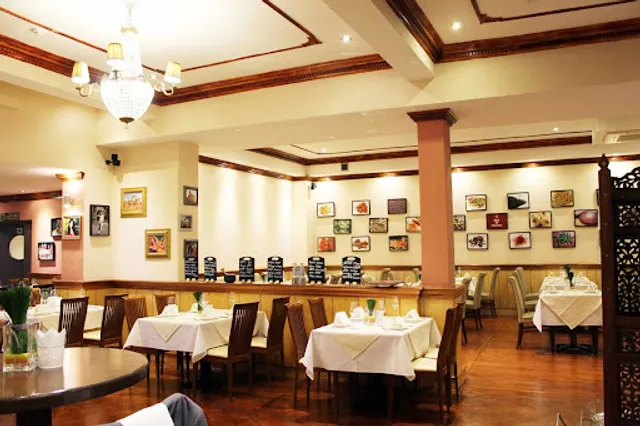
House of Flavours
4.4
(2.1K)
$$
Closed
Click for details
Nearby local services of Reading Abbey Ruins
Escape Hunt Reading
Vue Cinema Reading
The Oracle
Amò Italian Street Food
Reading
John Lewis & Partners
Apple The Oracle
DreamVault Escape Adventures
CeX
The Range, Reading

Escape Hunt Reading
4.9
(2K)
Click for details
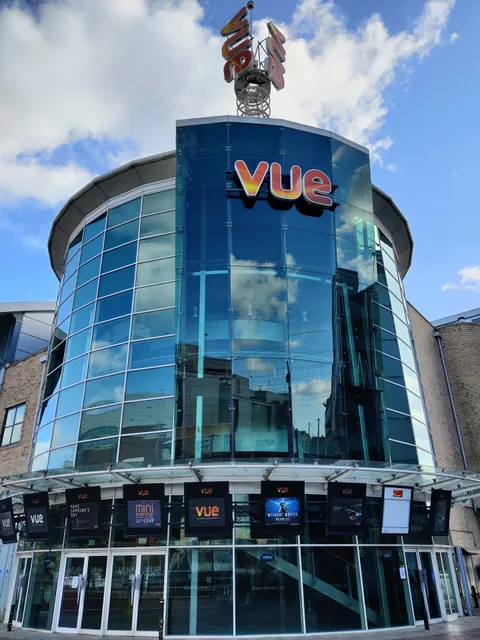
Vue Cinema Reading
4.0
(1.5K)
Click for details
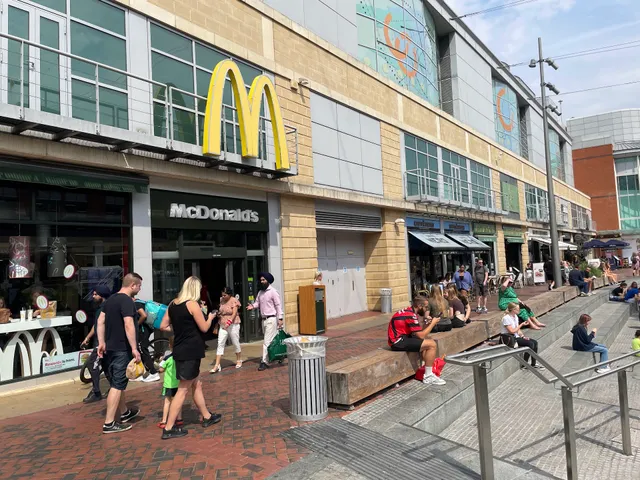
The Oracle
4.3
(7.3K)
Click for details
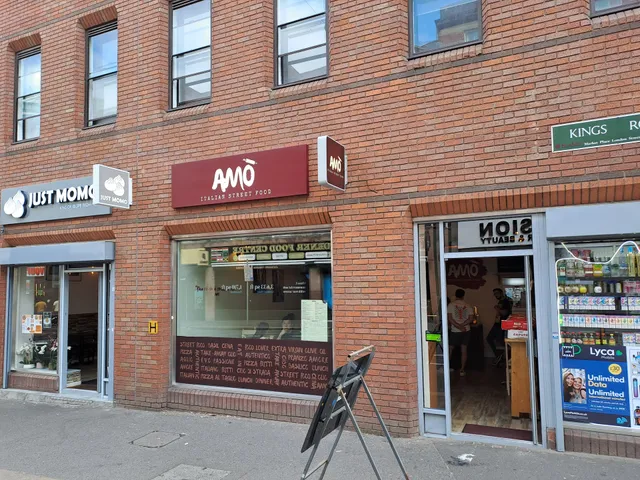
Amò Italian Street Food
4.9
(66)
Click for details