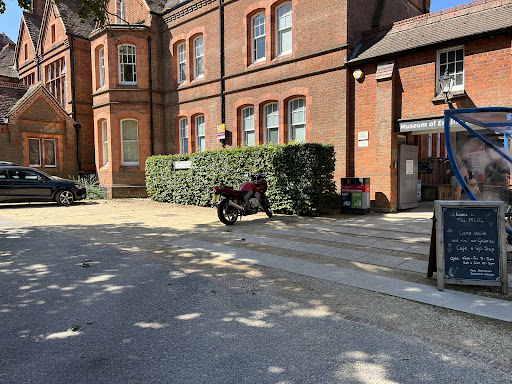
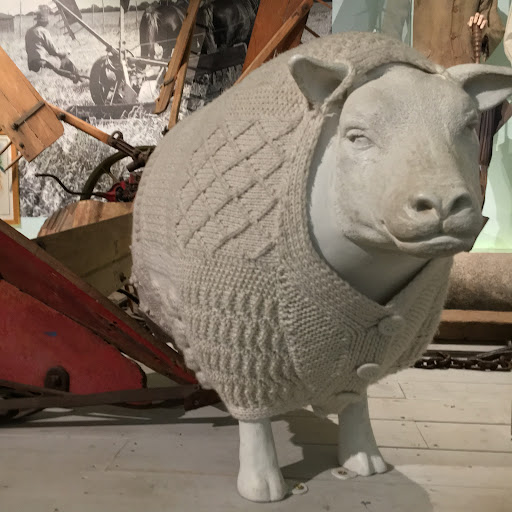
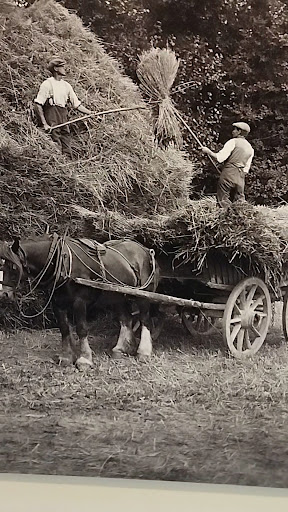
The Museum of English Rural Life things to do, attractions, restaurants, events info and trip planning
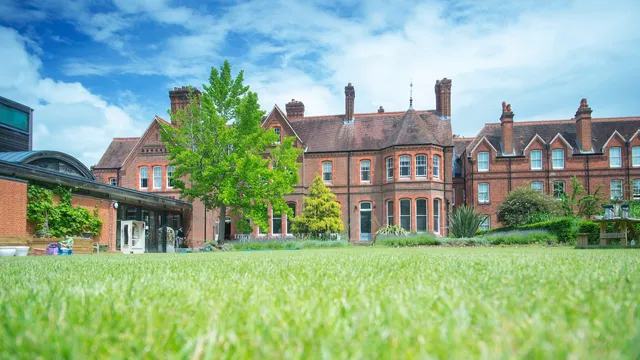
Basic Info
The Museum of English Rural Life
6 Redlands Rd, Reading RG1 5EX, United Kingdom
4.8(174)
Open until 12:00 AM
Save
spot
spot
Ratings & Description
Info
Cultural
Family friendly
Accessibility
attractions: University of Reading, London Road Campus, The Great Hall University of Reading, South Street Arts Centre, Reading College, Reading Abbey Ruins, Cintra Park, Riverside Museum, Forbury Gardens Park, Cemetery Junction Arch, Reading Abbey Gateway, restaurants: Pumpkin Cafe Royal Berkshire Hospital, AMT Coffee, Royal Berkshire Hospital, Anjappar Chettinad Restaurant - Reading, The Açai Club, Piwnica Restaurant, The Lyndhurst, Eating Hub, The Turks Head, Pau Brasil, The Retreat, local businesses: Vue Cinema Reading, Queens Head, The Oracle, Escape Hunt Reading, Top/Best Astrologer in Reading | Black Magic Removal | Love & Relationship Solutions | Psychic & Spiritual Healer, Apple The Oracle, Amò Italian Street Food, Rituals
 Learn more insights from Wanderboat AI.
Phone
+44 118 378 8660
Website
merl.reading.ac.uk
Open hoursSee all hours
Tue9 AM - 5 PMOpen
Plan your stay

Pet-friendly Hotels in Reading
Find a cozy hotel nearby and make it a full experience.

Affordable Hotels in Reading
Find a cozy hotel nearby and make it a full experience.

The Coolest Hotels You Haven't Heard Of (Yet)
Find a cozy hotel nearby and make it a full experience.

Trending Stays Worth the Hype in Reading
Find a cozy hotel nearby and make it a full experience.
Reviews
Live events
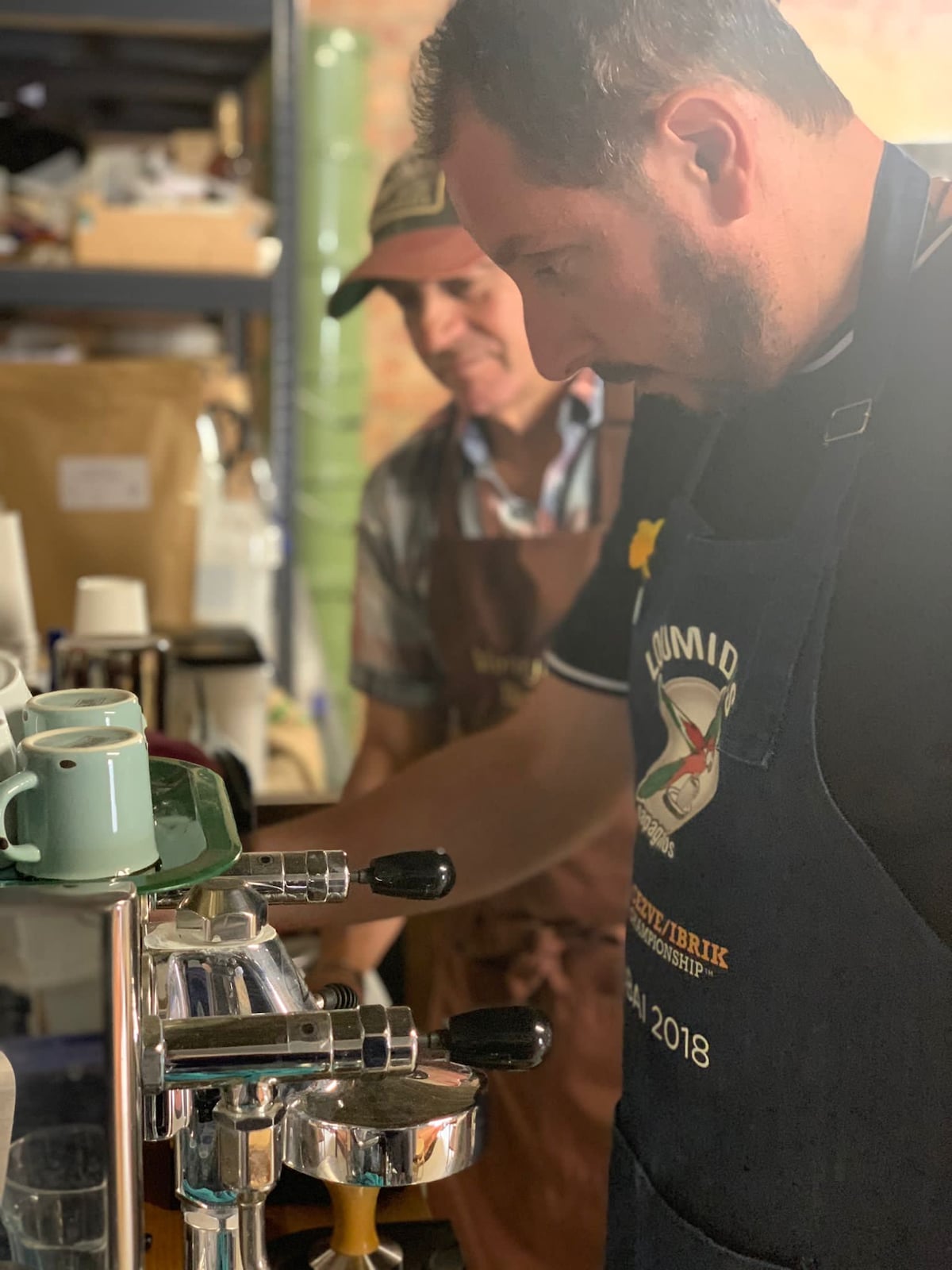
Roast coffee, learn, and pour some latte art
Sun, Feb 1 • 9:15 AM
Buckinghamshire, SL7 1DW, United Kingdom
View details

K-pop dance classes in Reading (16 years +)
Fri, Jan 9 • 7:00 PM
New Directions College, 330 Northumberland Avenue, Reading, United Kingdom
View details

NCT Reading Baby Cafe
Tue, Jan 13 • 1:00 PM
Reading Biscuit Factory, 47 Oxford Road, Reading, United Kingdom
View details
Nearby attractions of The Museum of English Rural Life
University of Reading, London Road Campus
The Great Hall University of Reading
South Street Arts Centre
Reading College
Reading Abbey Ruins
Cintra Park
Riverside Museum
Forbury Gardens Park
Cemetery Junction Arch
Reading Abbey Gateway
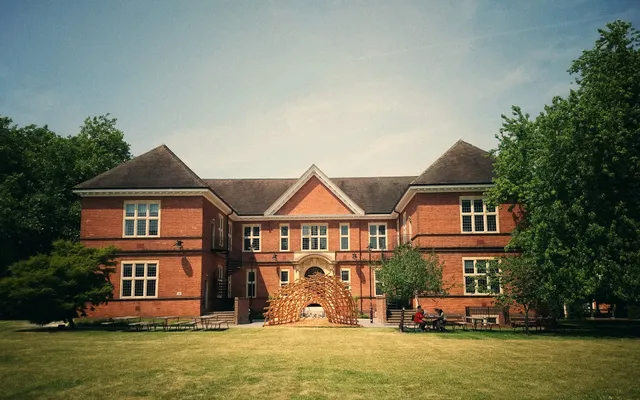
University of Reading, London Road Campus
4.5
(27)
Open until 5:00 PM
Click for details

The Great Hall University of Reading
4.8
(54)
Open 24 hours
Click for details
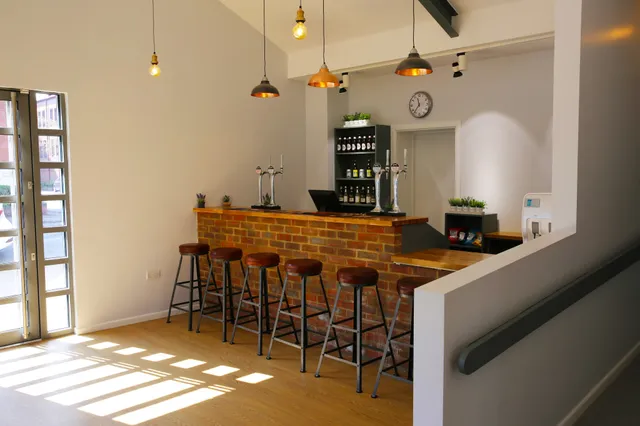
South Street Arts Centre
4.6
(270)
Open until 4:00 PM
Click for details
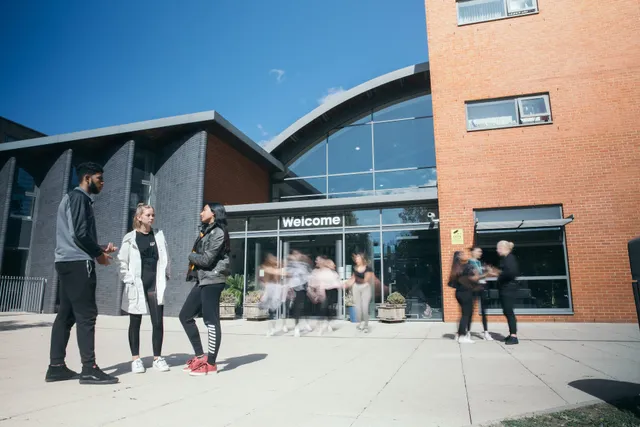
Reading College
3.4
(70)
Open until 9:00 PM
Click for details
Nearby restaurants of The Museum of English Rural Life
Pumpkin Cafe Royal Berkshire Hospital
AMT Coffee, Royal Berkshire Hospital
Anjappar Chettinad Restaurant - Reading
The Açai Club
Piwnica Restaurant
The Lyndhurst
Eating Hub
The Turks Head
Pau Brasil
The Retreat
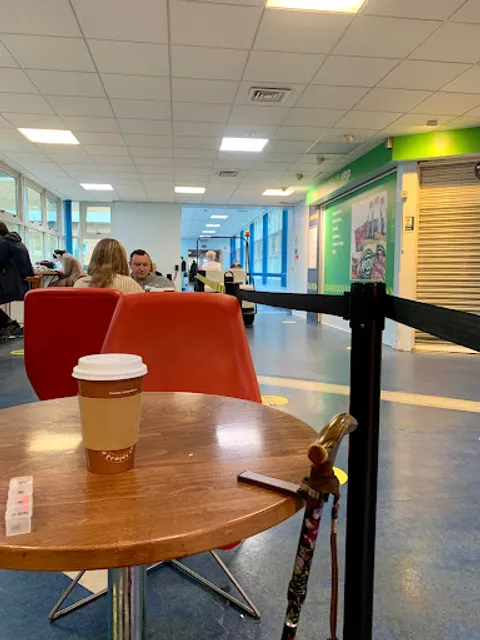
Pumpkin Cafe Royal Berkshire Hospital
4.1
(45)
Open until 7:00 PM
Click for details
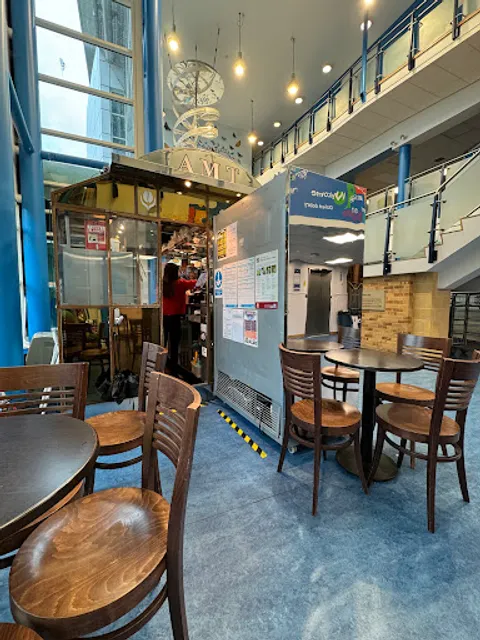
AMT Coffee, Royal Berkshire Hospital
4.5
(52)
Open until 7:30 PM
Click for details

Anjappar Chettinad Restaurant - Reading
4.5
(100)
Open until 10:00 PM
Click for details

The Açai Club
4.8
(63)
Open until 6:00 PM
Click for details
Nearby local services of The Museum of English Rural Life
Vue Cinema Reading
Queens Head
The Oracle
Escape Hunt Reading
Top/Best Astrologer in Reading | Black Magic Removal | Love & Relationship Solutions | Psychic & Spiritual Healer
Apple The Oracle
Amò Italian Street Food
Rituals
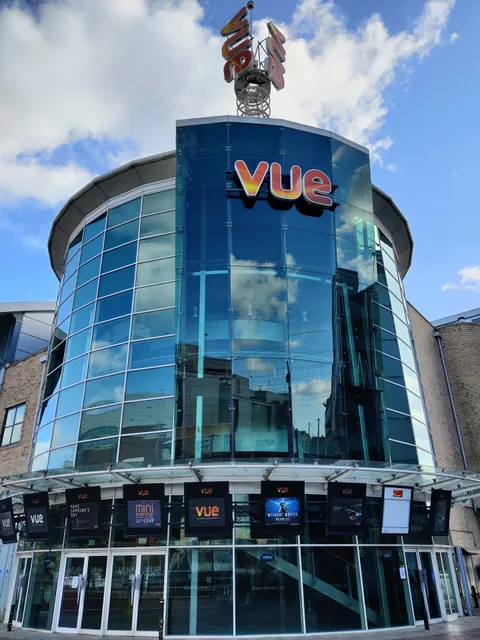
Vue Cinema Reading
4.0
(1.5K)
Click for details
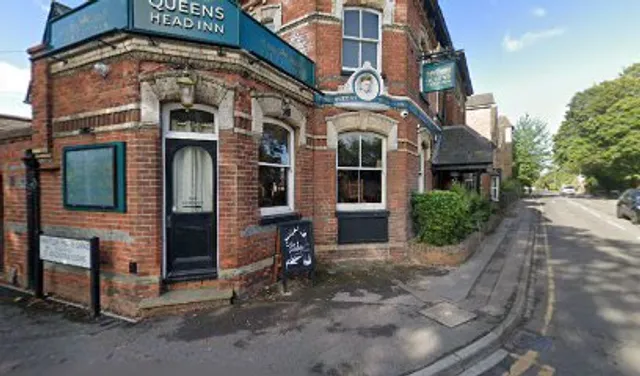
Queens Head
4.3
(331)
Click for details
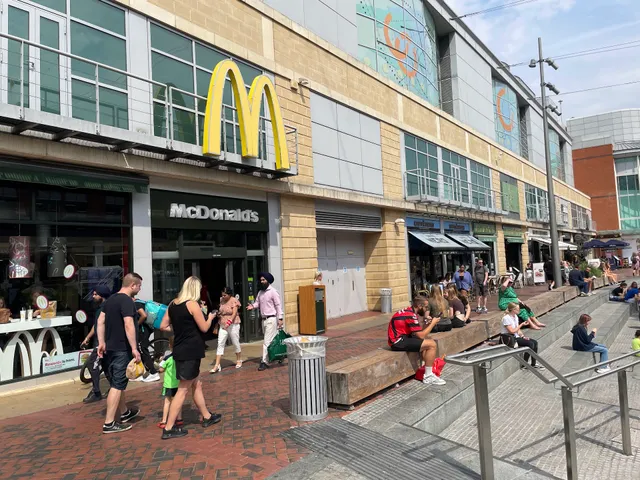
The Oracle
4.3
(6.8K)
Click for details

Escape Hunt Reading
4.9
(2K)
Click for details