Hat Works things to do, attractions, restaurants, events info and trip planning
Basic Info
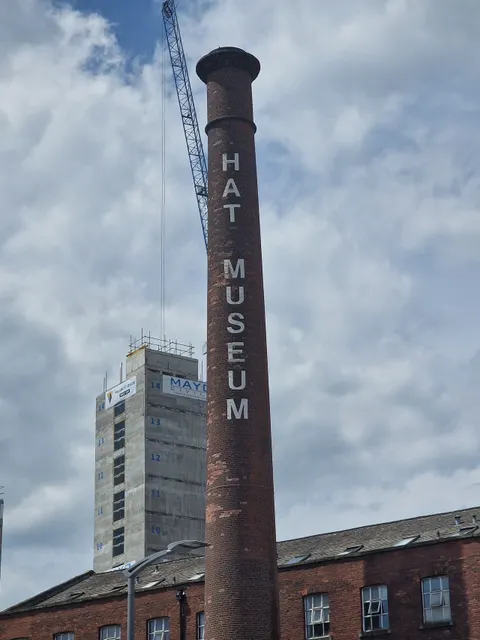
Hat Works
Wellington Mill, Wellington Rd S, Stockport SK3 0EU, United Kingdom
4.5(231)
Open until 12:00 AM
Save
spot
spot
Ratings & Description
Info
Cultural
Entertainment
Family friendly
Accessibility
attractions: Stockport Air Raid Shelters, Stockport War Memorial Art Gallery, Staircase House, Stockport Museum, Hollywood Park, Heaton Norris Park, Stockport Spiritualist Church, Stockport Christian Spiritualist Church, restaurants: The Spinning Top, Rack, Gimme Potato, The Chestergate, Baekdu Korean BBQ Restaurant, The Wellington - Stockport, Cafe Bar SQ, The Plaza Stockport Café, Rosie's Coffee Bar And Kitchen, The Runaway Brewery & Taproom, local businesses: Merseyway Shopping Centre, Harmonize Your Soul ltd, Waterstones, Superdrug, Yours Clothing, Joseph James Furniture Outlet, Genting Casino Stockport, Fauji Acai Cafe, Stockport Gin, 2 St Petersgate
 Learn more insights from Wanderboat AI.
Phone
+44 161 474 2399
Website
stockport.gov.uk
Open hoursSee all hours
WedClosedOpen
Plan your stay

Pet-friendly Hotels in Stockport
Find a cozy hotel nearby and make it a full experience.

Affordable Hotels in Stockport
Find a cozy hotel nearby and make it a full experience.

The Coolest Hotels You Haven't Heard Of (Yet)
Find a cozy hotel nearby and make it a full experience.

Trending Stays Worth the Hype in Stockport
Find a cozy hotel nearby and make it a full experience.
Reviews
Live events

Bubble Planet: An Immersive Experience in Manchester
Wed, Feb 25 • 3:30 PM
11 Baring Street, Manchester, M1 2PY
View details

LUMINISCENCE Manchester: The 360° Immersive Show - UK Premiere
Wed, Feb 25 • 7:00 PM
Victoria Street, Manchester, M3 1SX
View details

Machu Picchu: Journey to the Lost City
Wed, Feb 25 • 4:00 PM
Transmission House, 11 Tib St, Manchester, M4 1AF
View details
Nearby attractions of Hat Works
Stockport Air Raid Shelters
Stockport War Memorial Art Gallery
Staircase House
Stockport Museum
Hollywood Park
Heaton Norris Park
Stockport Spiritualist Church
Stockport Christian Spiritualist Church
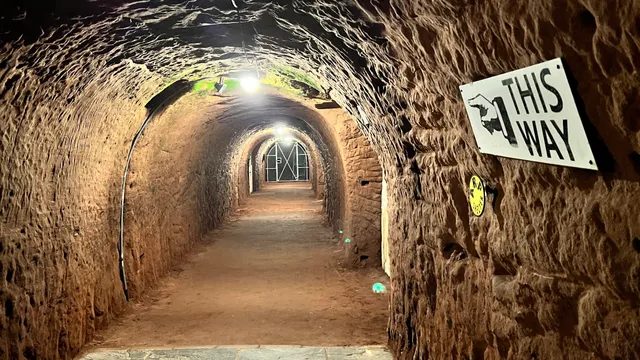
Stockport Air Raid Shelters
4.7
(375)
Open until 5:00 PM
Click for details

Stockport War Memorial Art Gallery
4.6
(120)
Open until 12:00 AM
Click for details

Staircase House
4.7
(99)
Open until 12:00 AM
Click for details

Stockport Museum
4.6
(102)
Open until 5:00 PM
Click for details
Nearby restaurants of Hat Works
The Spinning Top
Rack
Gimme Potato
The Chestergate
Baekdu Korean BBQ Restaurant
The Wellington - Stockport
Cafe Bar SQ
The Plaza Stockport Café
Rosie's Coffee Bar And Kitchen
The Runaway Brewery & Taproom
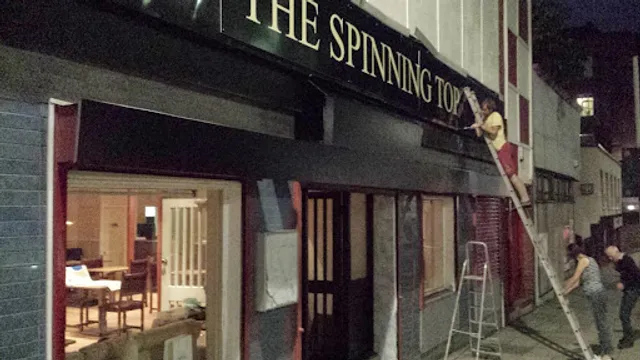
The Spinning Top
4.5
(181)
$
Closed
Click for details
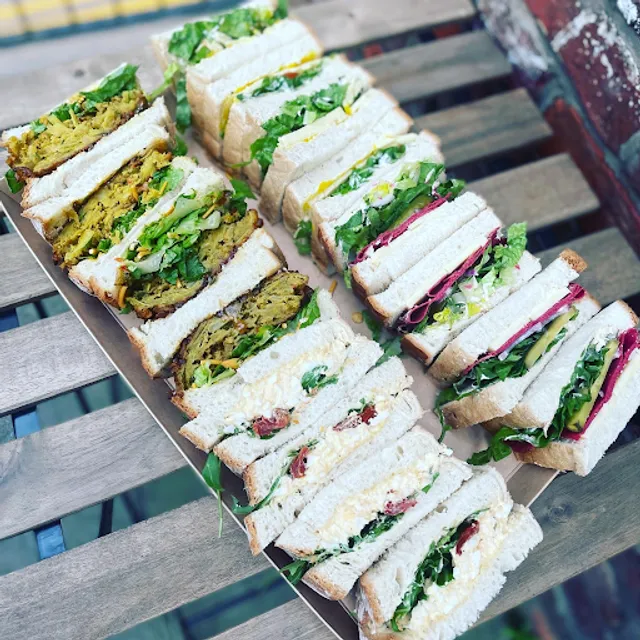
Rack
4.8
(141)
$
Closed
Click for details

Gimme Potato
4.9
(66)
Open until 7:00 PM
Click for details

The Chestergate
3.8
(270)
$
Open until 11:00 PM
Click for details
Nearby local services of Hat Works
Merseyway Shopping Centre
Harmonize Your Soul ltd
Waterstones
Superdrug
Yours Clothing
Joseph James Furniture Outlet
Genting Casino Stockport
Fauji Acai Cafe
Stockport Gin
2 St Petersgate
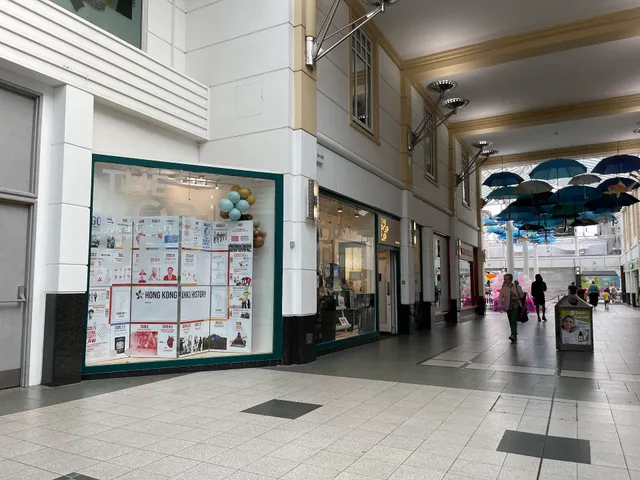
Merseyway Shopping Centre
3.8
(3.7K)
Click for details
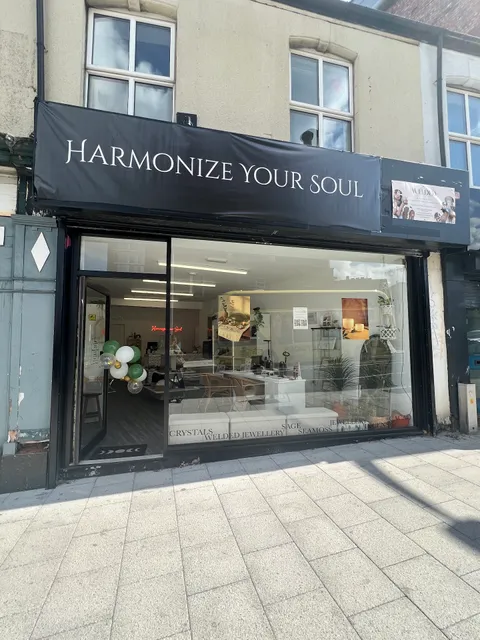
Harmonize Your Soul ltd
5.0
(41)
Click for details

Waterstones
4.5
(561)
Click for details

Superdrug
4.2
(139)
Click for details