Baltimore Museum of Art things to do, attractions, restaurants, events info and trip planning
Basic Info
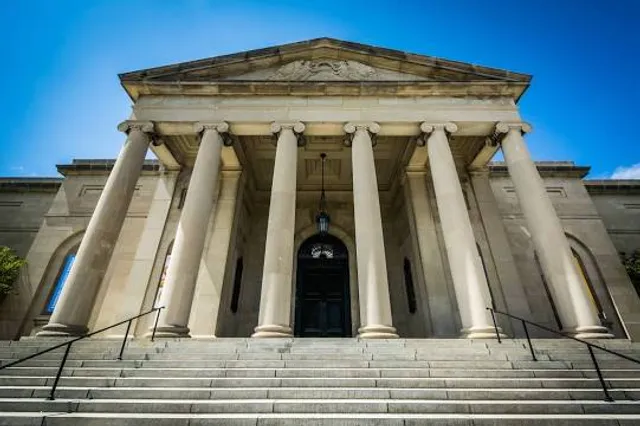
Baltimore Museum of Art
10 Art Museum Dr, Baltimore, MD 21218
4.7(1.3K)
Closed
Save
spot
spot
Ratings & Description
Info
The Baltimore Museum of Art in Baltimore, Maryland, is an art museum that was founded in 1914. The BMA's collection of 95,000 objects encompasses more than 1,000 works by Henri Matisse anchored by the Cone Collection of modern art, as well as one of the nation's finest holdings of prints, drawings, and photographs.
Cultural
Accessibility
Family friendly
attractions: Wyman Park Dell, Sculpture Garden, BMA, Johns Hopkins University, Brody Learning Commons, Homewood Museum, Wyman Park, Johns Hopkins Archaeological Museum, 2640 Space, Cathedral of the Incarnation, Babb Field at Stromberg Stadium, restaurants: Gertrude's, Charles Village Pub, Bird in Hand, THB Bagelry & Deli of Charles Village, The PaperMoon Diner, Sakoon Indian Fusion Restaurant, KAJIKEN BALTIMORE, Ajumma, Blueprint Cafe, honeygrow, local businesses: Nine East 33rd Apartments, Johns Hopkins Campus Store, Streets Market, Scott-Bates Commons, Johns Hopkins University, Milton S Eisenhower Library, Charles Street Market, Nolan’s on 33rd, Johns Hopkins Technology Store, Gilman Hall, B.Willow
 Learn more insights from Wanderboat AI.
Phone
(443) 573-1700
Website
artbma.org
Open hoursSee all hours
Thu10 AM - 9 PMClosed
Plan your stay

Pet-friendly Hotels in Baltimore
Find a cozy hotel nearby and make it a full experience.

Affordable Hotels in Baltimore
Find a cozy hotel nearby and make it a full experience.

The Coolest Hotels You Haven't Heard Of (Yet)
Find a cozy hotel nearby and make it a full experience.

Trending Stays Worth the Hype in Baltimore
Find a cozy hotel nearby and make it a full experience.
Reviews
Live events

The DUAL Trojan Love Experience ~ Powered by Hi Def Entertainment Day Party
Fri, Feb 27 • 1:00 PM
316 Guilford Avenue Baltimore, MD 21202
View details

StaDAYium Collection: All Black Edition
Fri, Feb 27 • 7:00 PM
1101 Russell Street Baltimore, MD 21230
View details

DANIELS LEATHER BALTIMORE POP - UP SHOP ON FEBRUARY 28TH
Sat, Feb 28 • 10:00 AM
5625 O Donnell Street Baltimore, MD 21224
View details
Nearby attractions of Baltimore Museum of Art
Wyman Park Dell
Sculpture Garden, BMA
Johns Hopkins University
Brody Learning Commons
Homewood Museum
Wyman Park
Johns Hopkins Archaeological Museum
2640 Space
Cathedral of the Incarnation
Babb Field at Stromberg Stadium
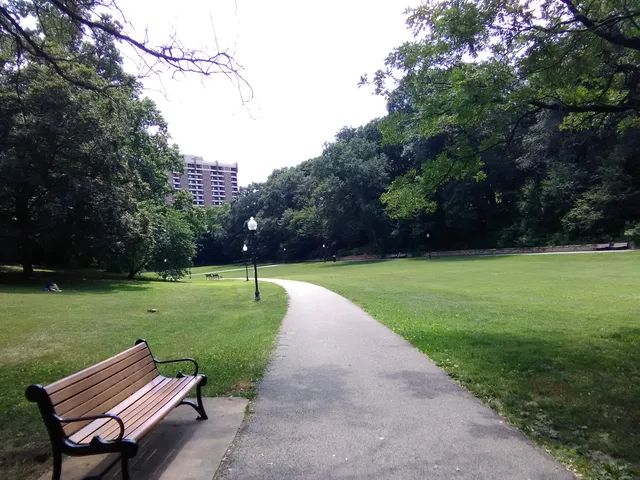
Wyman Park Dell
4.6
(176)
Open until 12:00 AM
Click for details
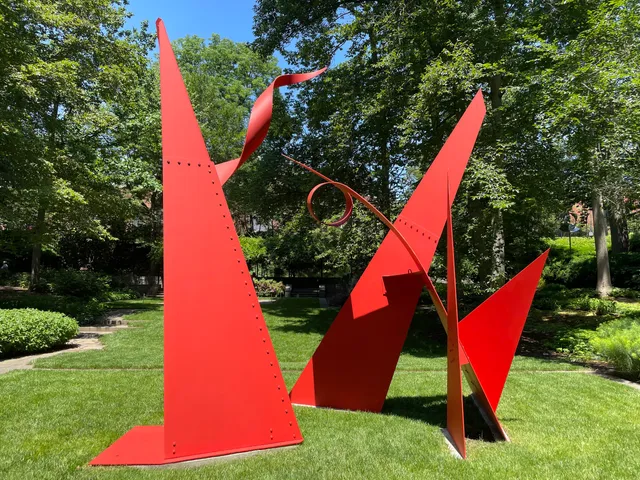
Sculpture Garden, BMA
4.8
(24)
Closed
Click for details
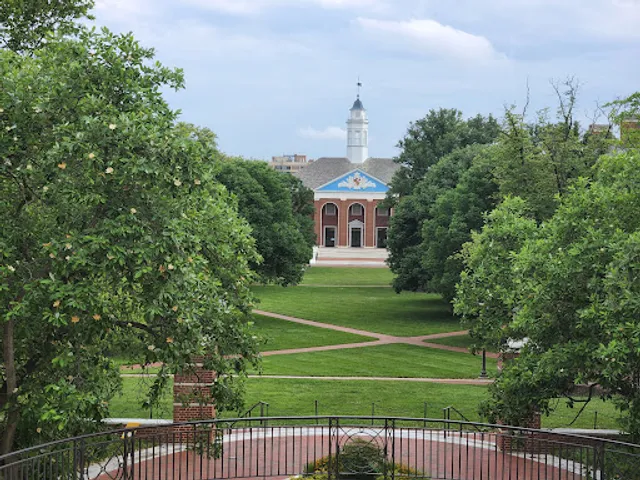
Johns Hopkins University
4.4
(492)
Open 24 hours
Click for details
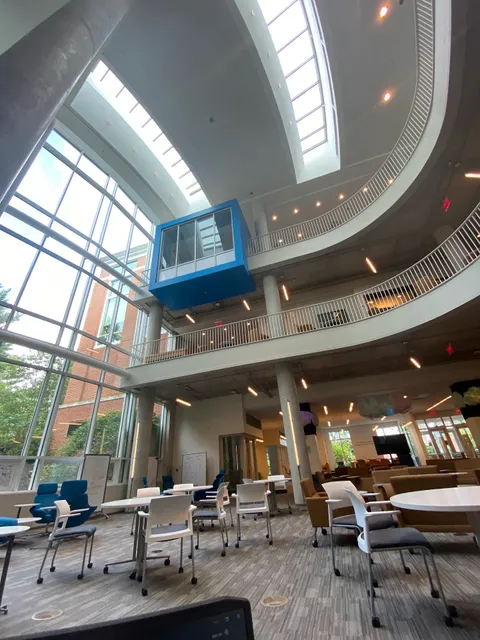
Brody Learning Commons
4.9
(25)
Open until 2:00 AM
Click for details
Nearby restaurants of Baltimore Museum of Art
Gertrude's
Charles Village Pub
Bird in Hand
THB Bagelry & Deli of Charles Village
The PaperMoon Diner
Sakoon Indian Fusion Restaurant
KAJIKEN BALTIMORE
Ajumma
Blueprint Cafe
honeygrow
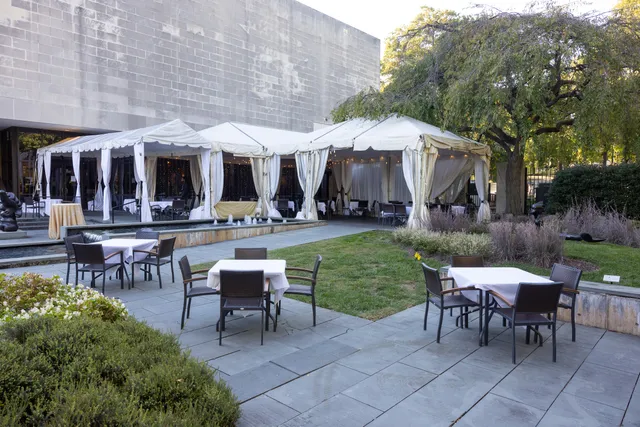
Gertrude's
4.3
(358)
$$
Closed
Click for details
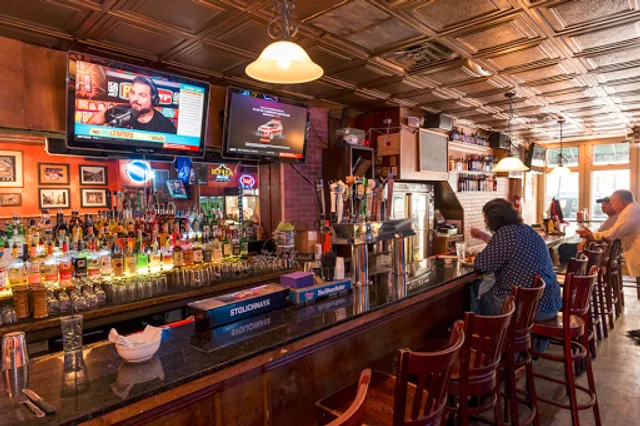
Charles Village Pub
4.3
(408)
$
Open until 2:00 AM
Click for details
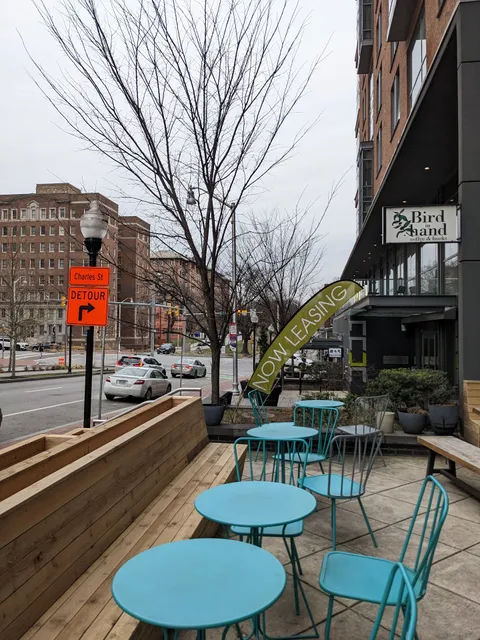
Bird in Hand
4.5
(371)
$
Closed
Click for details
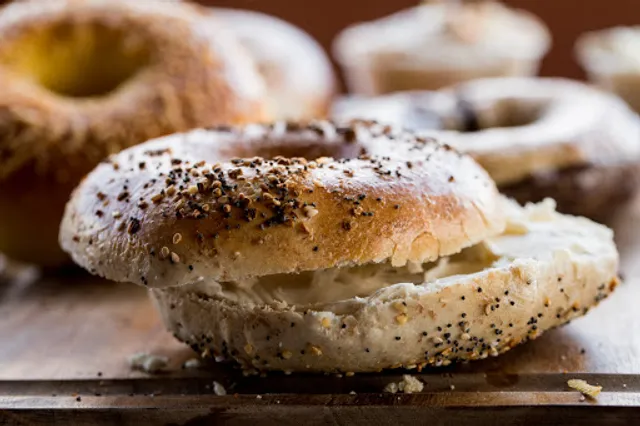
THB Bagelry & Deli of Charles Village
4.1
(298)
$
Closed
Click for details
Nearby local services of Baltimore Museum of Art
Nine East 33rd Apartments
Johns Hopkins Campus Store
Streets Market
Scott-Bates Commons, Johns Hopkins University
Milton S Eisenhower Library
Charles Street Market
Nolan’s on 33rd
Johns Hopkins Technology Store
Gilman Hall
B.Willow
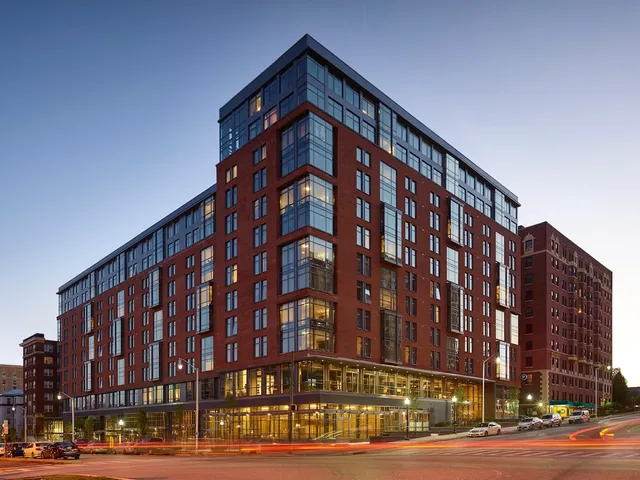
Nine East 33rd Apartments
4.7
(207)
Click for details
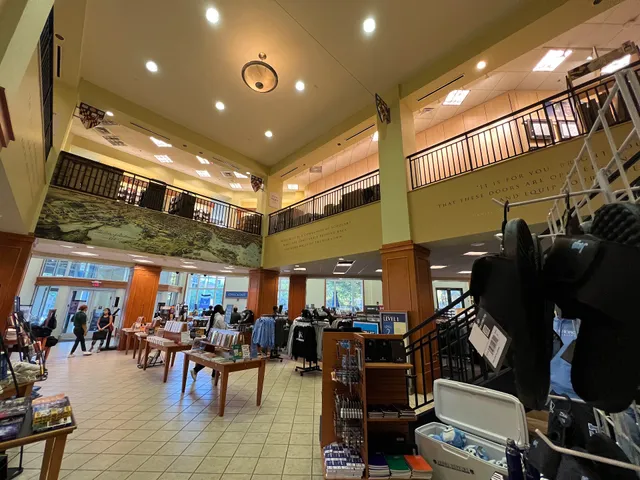
Johns Hopkins Campus Store
4.4
(358)
Click for details
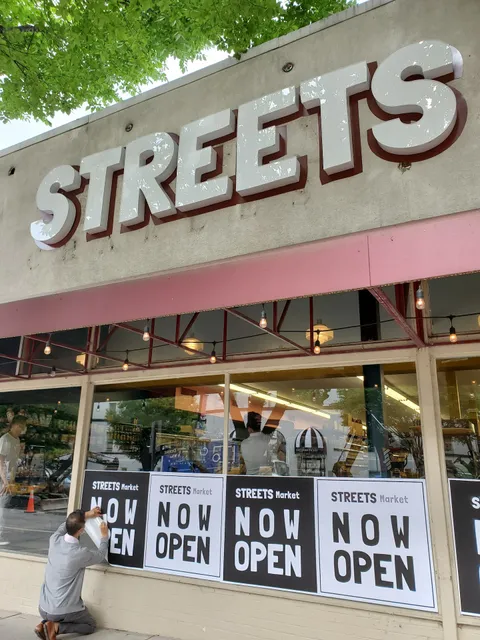
Streets Market
3.6
(70)
Click for details
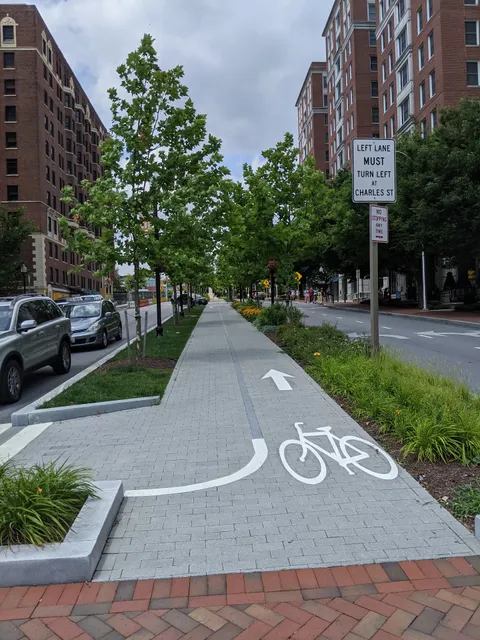
Scott-Bates Commons, Johns Hopkins University
4.7
(19)
Click for details


The hit list

Plan your trip with Wanderboat
Welcome to Wanderboat AI, your AI search for local Eats and Fun, designed to help you explore your city and the world with ease.
Powered by Wanderboat AI trip planner.