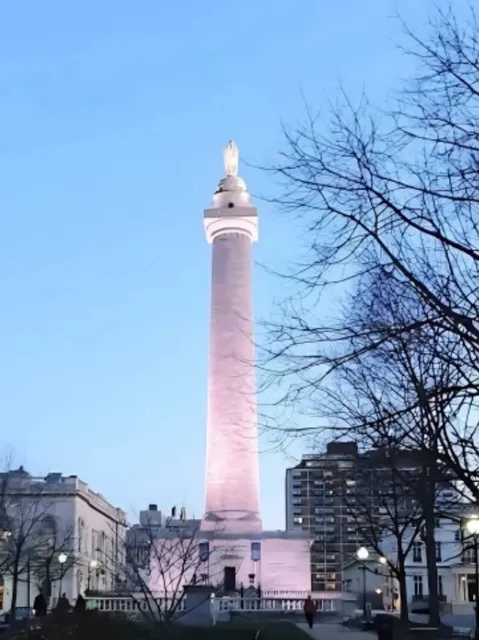
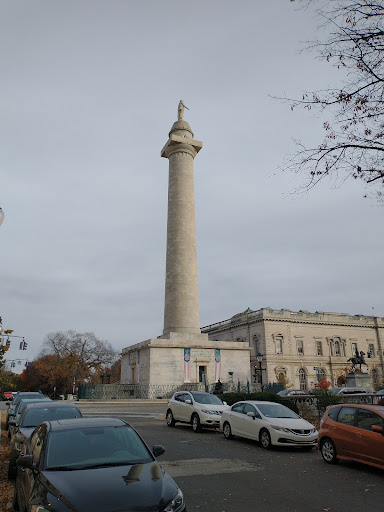
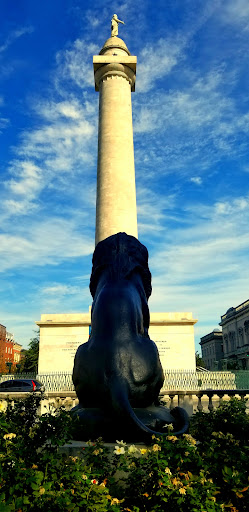
Washington Monument things to do, attractions, restaurants, events info and trip planning
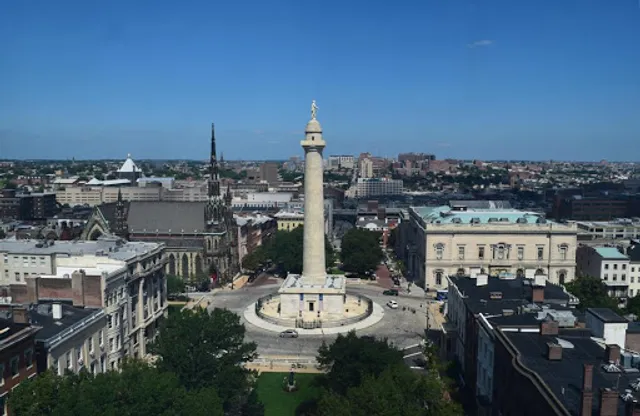
Basic Info
Washington Monument
699 Washington Pl, Baltimore, MD 21201
4.6(541)
Closed

tickets
Save
spot
spot
Ratings & Description
Info
Cultural
Scenic
Family friendly
Accessibility
attractions: The Walters Art Museum, George Peabody Library, Mount Vernon Place, Baltimore Center Stage, Mt. Vernon Place United Methodist Church, Marquis de Lafayette Statue, Peabody Institute of The Johns Hopkins University, Zen and the City, First Unitarian Church Baltimore, Maryland Center for History and Culture, restaurants: Dooby's, The Helmand, Topside, Sugarvale, My Thai Go, Never On Sunday, Akbar Restaurant, Restaurante Tio Pepe, B-Side Cocktail Lounge, Cafe Fili, local businesses: Garrett Jacobs Mansion, Paper Herald, Simple Wellness, Hochschild, Kohn & Co, Zone, Mt Vernon Super Mart, Smoke 101, Complete Wellness, DIFFERENTREGARD, The Baltimore Basilica
 Learn more insights from Wanderboat AI.
Phone
(410) 962-5070
Website
mvpconservancy.org
Open hoursSee all hours
Sun10 AM - 5 PMClosed
Plan your stay

Pet-friendly Hotels in Baltimore
Find a cozy hotel nearby and make it a full experience.

Affordable Hotels in Baltimore
Find a cozy hotel nearby and make it a full experience.

The Coolest Hotels You Haven't Heard Of (Yet)
Find a cozy hotel nearby and make it a full experience.

Trending Stays Worth the Hype in Baltimore
Find a cozy hotel nearby and make it a full experience.
Reviews
Live events
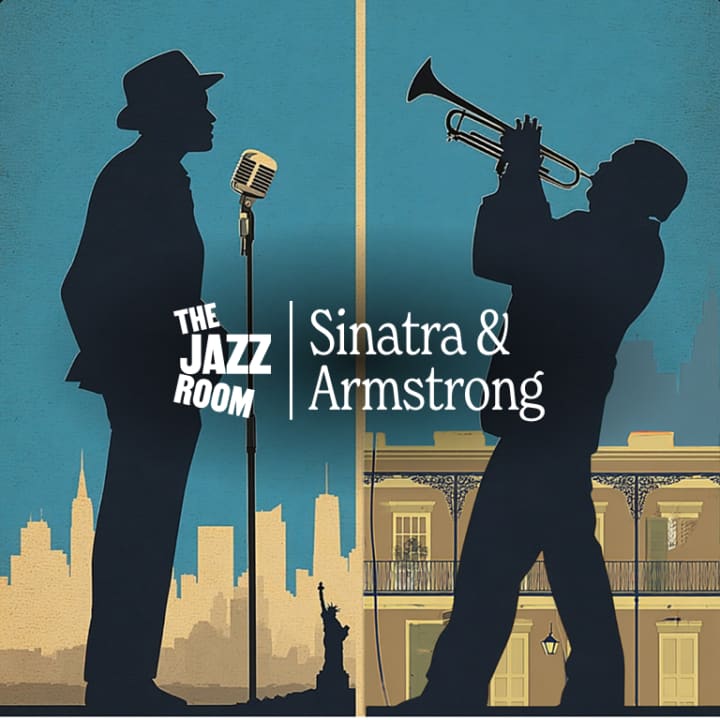
The Jazz Room: A Frank Sinatra & Louis Armstrong Tribute
Thu, Feb 12 • 6:30 PM
3134 Eastern Avenue, Baltimore, 21224
View details

Pretty in Pink: A Galentine’s Affair
Wed, Feb 11 • 5:00 PM
352 MAIN ST laurel, MD 20707
View details
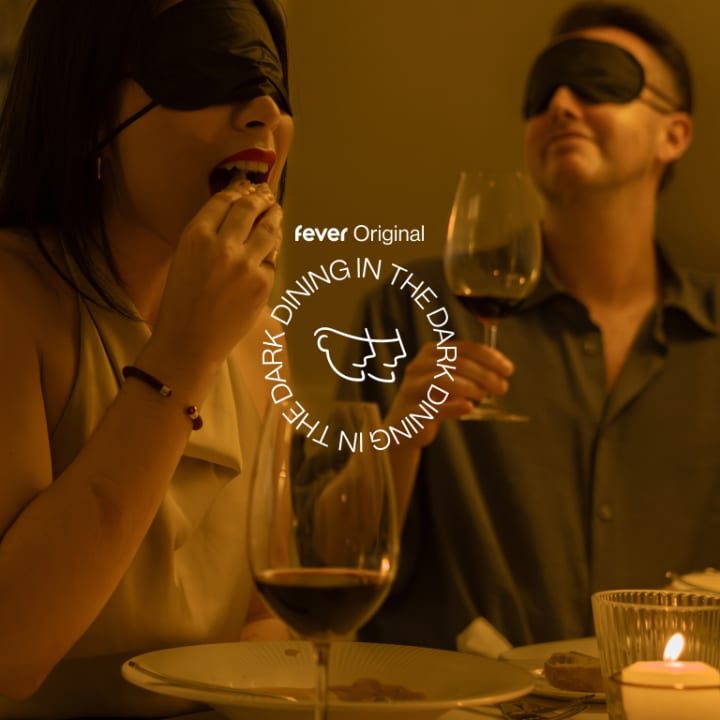
Dining in the Dark: A Unique Blindfolded Experience
Thu, Feb 12 • 6:00 PM
10221 Wincopin Cir, Columbia, 21044
View details
Nearby attractions of Washington Monument
The Walters Art Museum
George Peabody Library
Mount Vernon Place
Baltimore Center Stage
Mt. Vernon Place United Methodist Church
Marquis de Lafayette Statue
Peabody Institute of The Johns Hopkins University
Zen and the City
First Unitarian Church Baltimore
Maryland Center for History and Culture
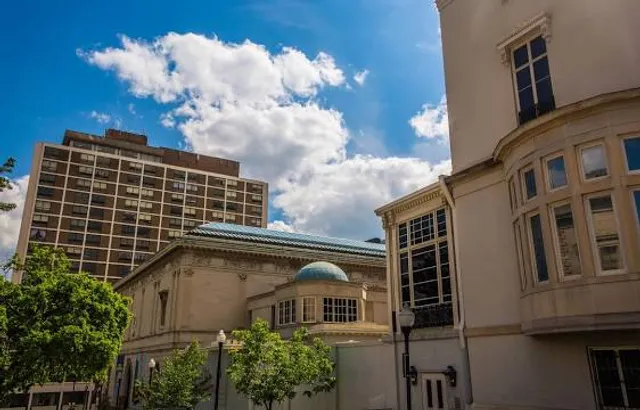
The Walters Art Museum
4.8
(1.8K)
Closed
Click for details
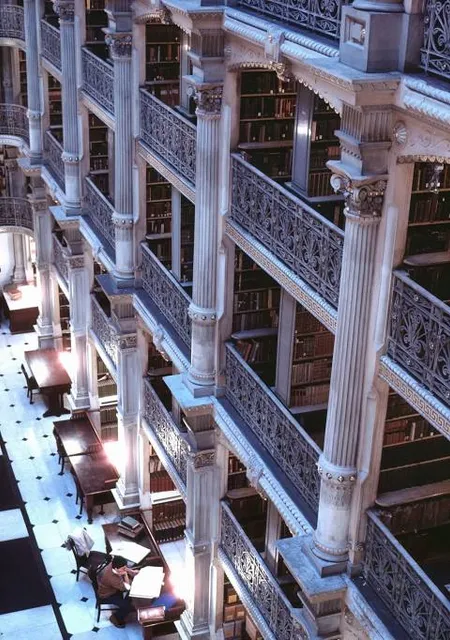
George Peabody Library
4.6
(174)
Open until 12:00 AM
Click for details
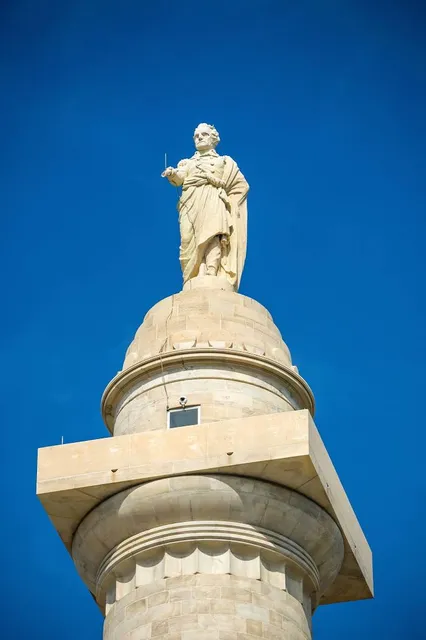
Mount Vernon Place
4.9
(26)
Closed
Click for details
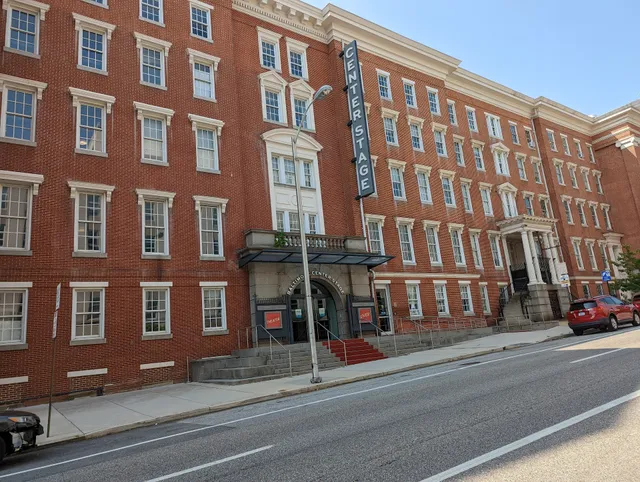
Baltimore Center Stage
4.8
(501)
Open 24 hours
Click for details
Nearby restaurants of Washington Monument
Dooby's
The Helmand
Topside
Sugarvale
My Thai Go
Never On Sunday
Akbar Restaurant
Restaurante Tio Pepe
B-Side Cocktail Lounge
Cafe Fili
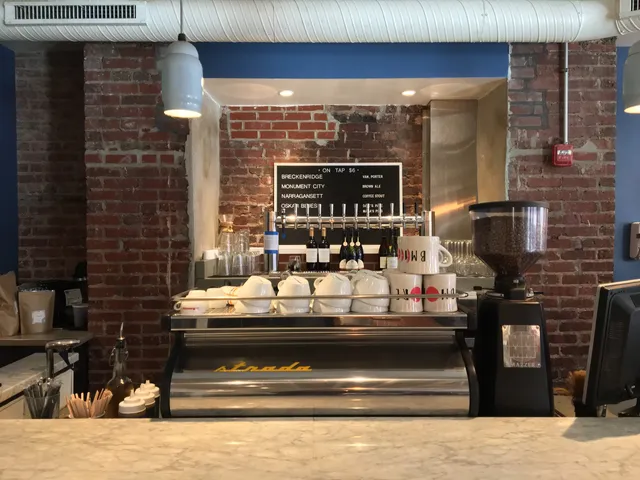
Dooby's
4.4
(512)
$
Closed
Click for details
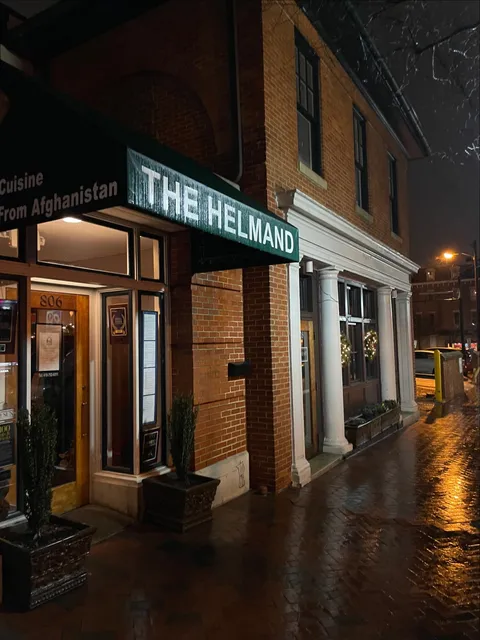
The Helmand
4.7
(583)
$$
Closed
Click for details
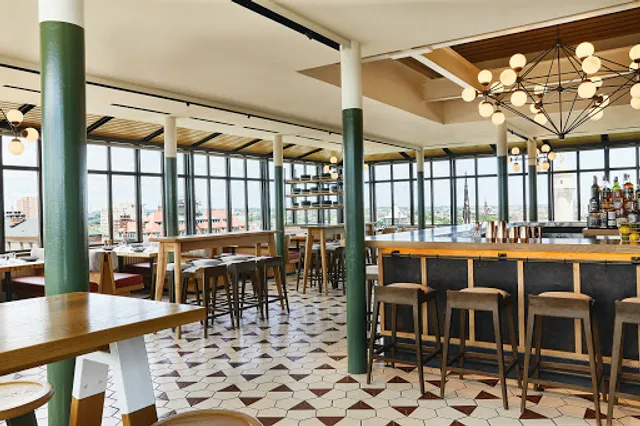
Topside
4.4
(373)
$$$$
Closed
Click for details
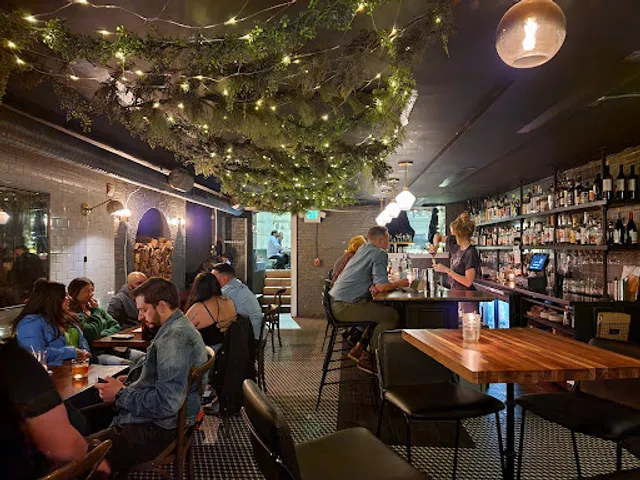
Sugarvale
4.5
(218)
$$
Closed
Click for details
Nearby local services of Washington Monument
Garrett Jacobs Mansion
Paper Herald
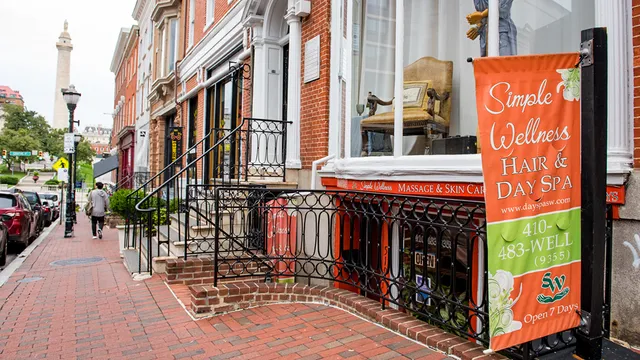
Simple Wellness
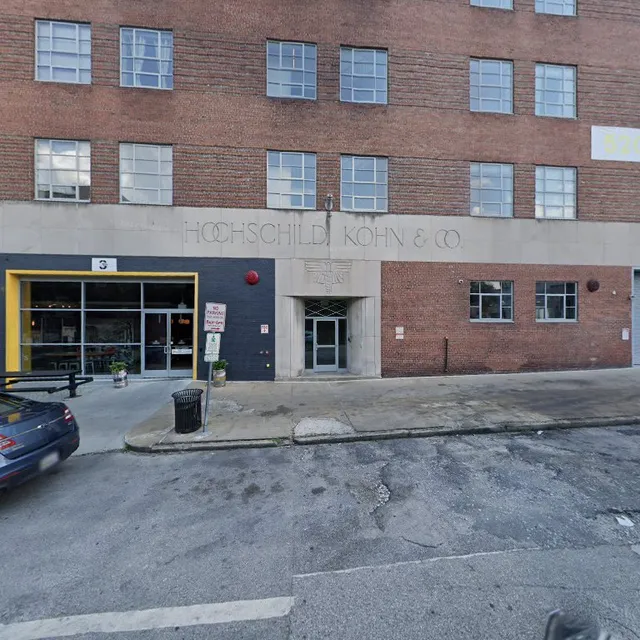
Hochschild, Kohn & Co
Zone
Mt Vernon Super Mart
Smoke 101
Complete Wellness
DIFFERENTREGARD
The Baltimore Basilica
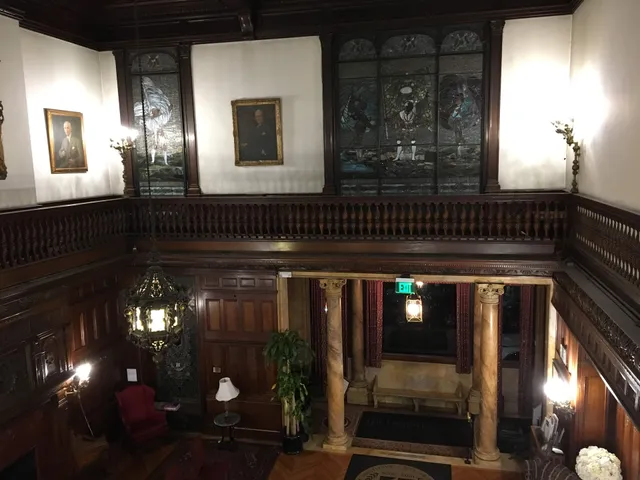
Garrett Jacobs Mansion
4.7
(36)
Click for details
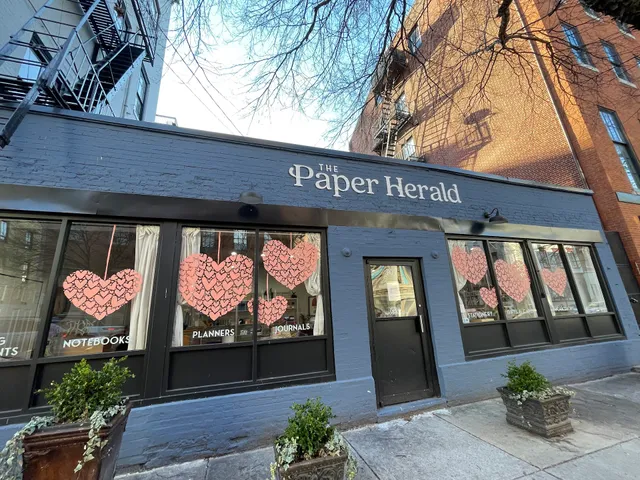
Paper Herald
4.9
(48)
Click for details
Simple Wellness
4.9
(82)
Click for details
Hochschild, Kohn & Co
4.5
(471)
Click for details


The hit list

Plan your trip with Wanderboat
Welcome to Wanderboat AI, your AI search for local Eats and Fun, designed to help you explore your city and the world with ease.
Powered by Wanderboat AI trip planner.