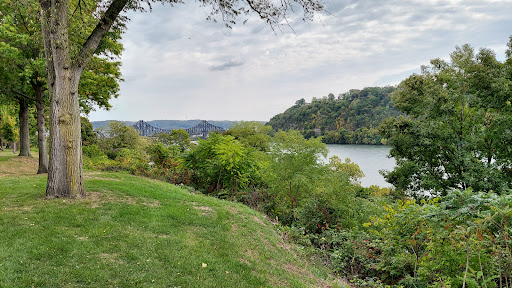
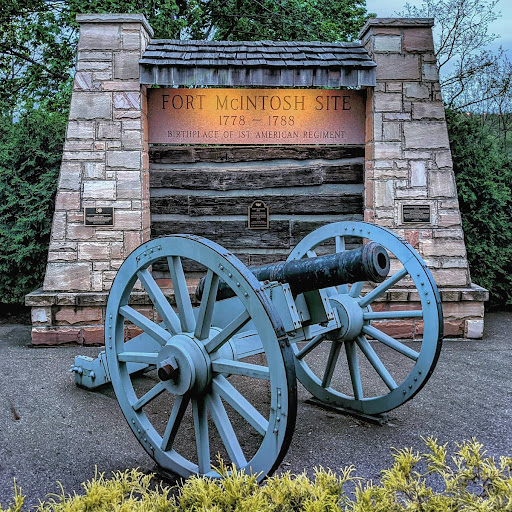
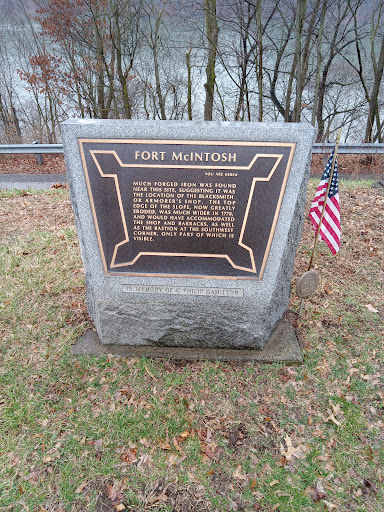
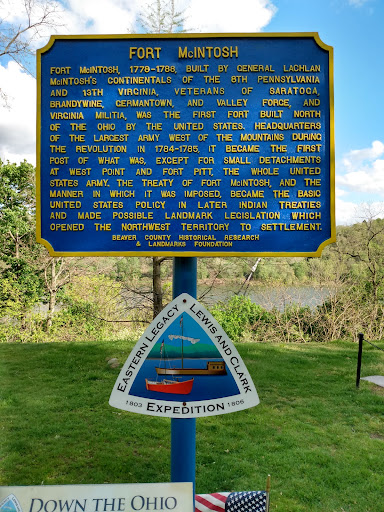
Fort McIntosh things to do, attractions, restaurants, events info and trip planning
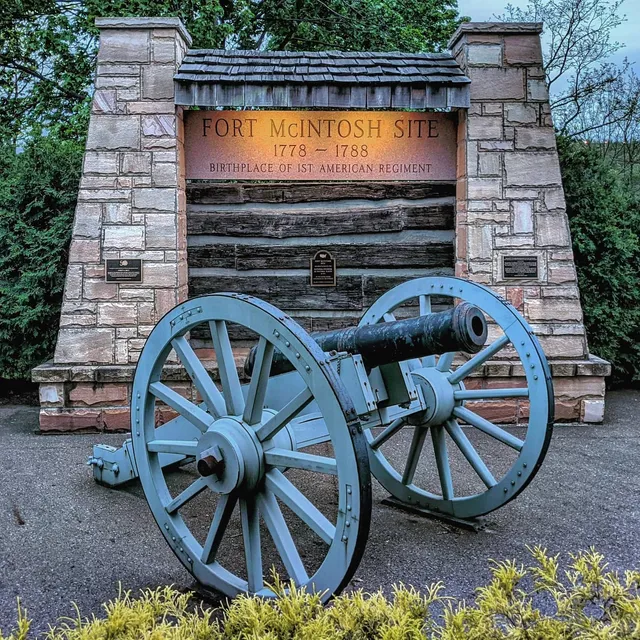
Basic Info
Fort McIntosh
Beaver, PA 15009
4.6(63)
Open until 12:00 AM
Save
spot
spot
Ratings & Description
Info
Cultural
Outdoor
Family friendly
attractions: Beaver Area Memorial Library, Irvine Park, Fonta Flora Flower Co, Artsy Doodle Craft Studio, Beaver Area Heritage Museum, Beaver Station Cultural & Event Center, restaurants: Mario's Woodfired Pizzeria, Waffles Incaffeinated, Kretchmar's Bakery, Yama Japanese Restaurant, Don's Deli, Towne Square Restaurant, Witch Flavor?, Blackbird Market, Pizza Joe's, Beaver Thai Cuisine, local businesses: Beaver Supermarket, Grandpa Joe's Candy Shop - Beaver, PA, Fischer Hardware Co, La Belle Bridal Boutique, Sieger's Jewelers, Wags on 3rd Dog Bakery and Boutique, ALLAN Jewelers, Cirelli's Fine Jewelry, Jeppie, MGSoft-Net
 Learn more insights from Wanderboat AI.
Phone
(724) 775-7174
Website
beaverheritage.org
Open hoursSee all hours
SunOpen 24 hoursOpen
Plan your stay

Pet-friendly Hotels in Beaver
Find a cozy hotel nearby and make it a full experience.

Affordable Hotels in Beaver
Find a cozy hotel nearby and make it a full experience.

The Coolest Hotels You Haven't Heard Of (Yet)
Find a cozy hotel nearby and make it a full experience.

Trending Stays Worth the Hype in Beaver
Find a cozy hotel nearby and make it a full experience.
Reviews
Live events

Winter Escape Bonaire Island - Yogi Adventure Flow like the water
Sun, Feb 22 • 12:00 AM
Total Balance Yoga & Fitness Studio, 982 Perry Highway, Pittsburgh, United States
View details

Feb 22 Trail Work Day
Sun, Feb 22 • 10:00 AM
Hillman State Park, Burgettstown, United States
View details

Kiddo Disco Sundaes at Millies Wexford
Sun, Feb 22 • 12:00 PM
11978 Perry Highway Pine Township, PA 15090
View details
Nearby attractions of Fort McIntosh
Beaver Area Memorial Library
Irvine Park
Fonta Flora Flower Co
Artsy Doodle Craft Studio
Beaver Area Heritage Museum
Beaver Station Cultural & Event Center
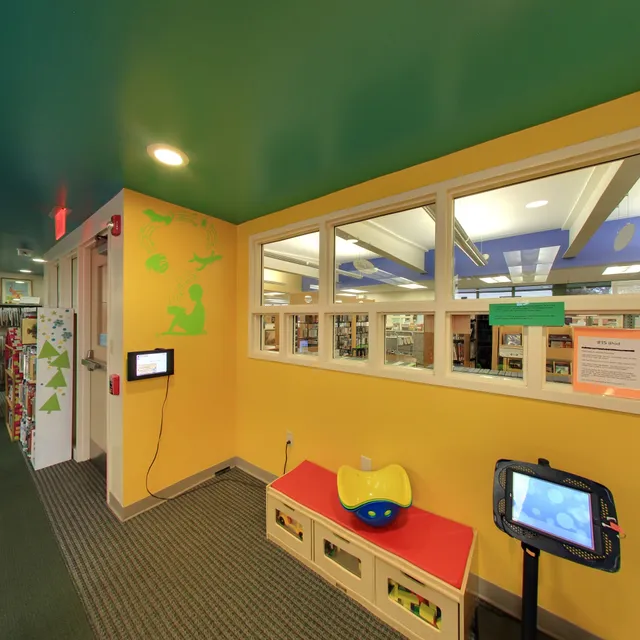
Beaver Area Memorial Library
4.8
(43)
Open until 12:00 AM
Click for details
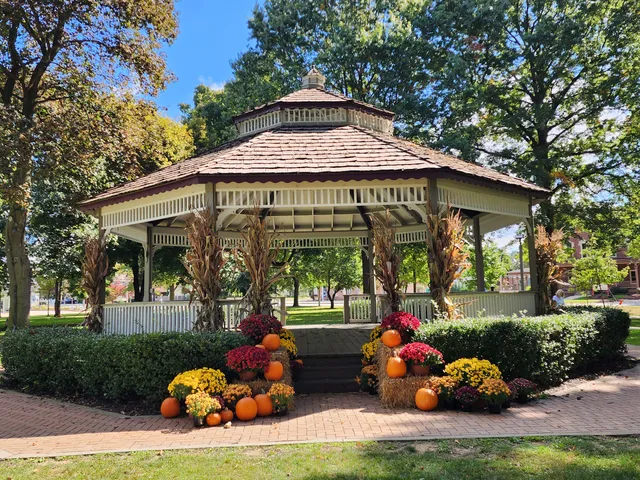
Irvine Park
4.7
(197)
Open until 9:00 PM
Click for details

Fonta Flora Flower Co
5.0
(9)
Open until 12:00 AM
Click for details
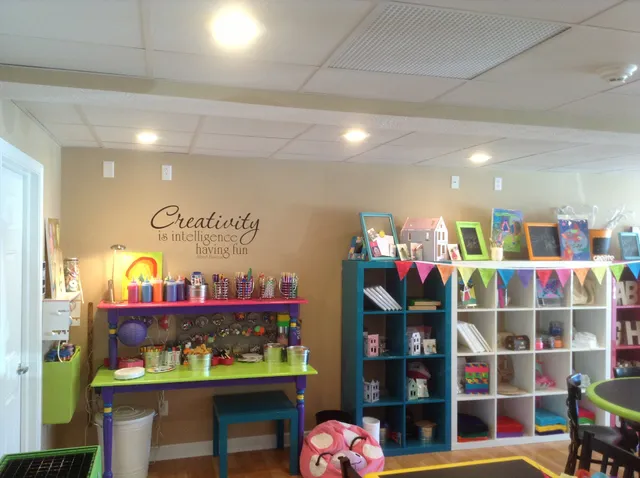
Artsy Doodle Craft Studio
4.7
(19)
Open until 12:00 AM
Click for details
Nearby restaurants of Fort McIntosh
Mario's Woodfired Pizzeria
Waffles Incaffeinated
Kretchmar's Bakery
Yama Japanese Restaurant
Don's Deli
Towne Square Restaurant
Witch Flavor?
Blackbird Market
Pizza Joe's
Beaver Thai Cuisine
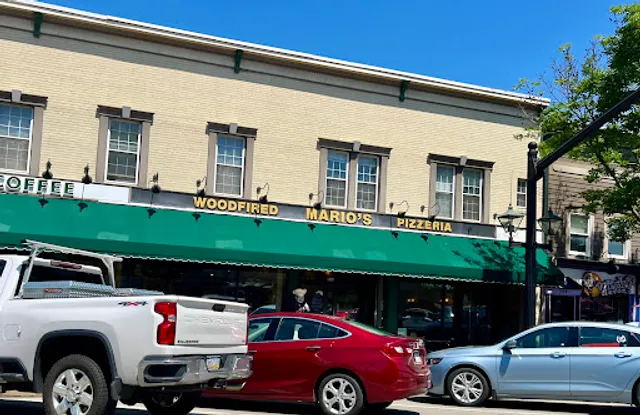
Mario's Woodfired Pizzeria
4.4
(393)
$
Open until 12:00 AM
Click for details
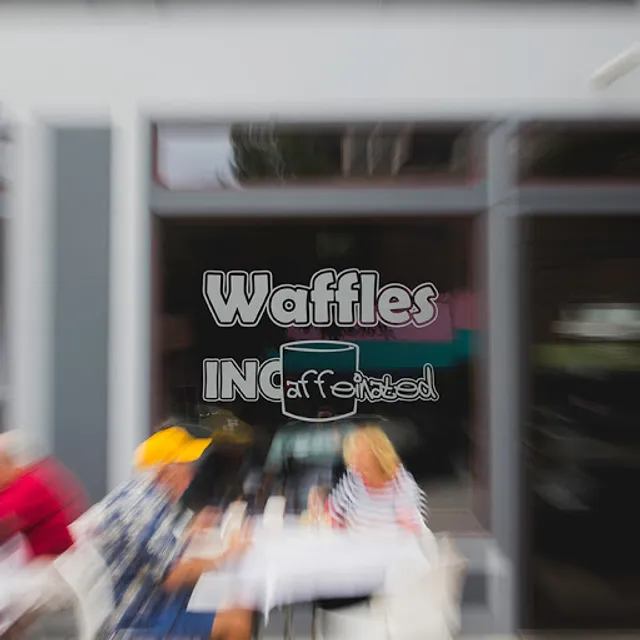
Waffles Incaffeinated
4.6
(687)
$
Open until 3:00 PM
Click for details
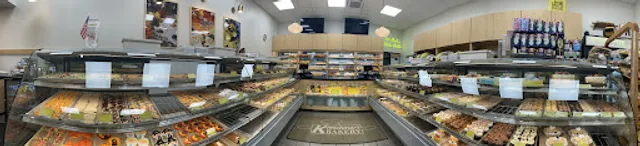
Kretchmar's Bakery
4.6
(213)
$
Open until 12:00 AM
Click for details
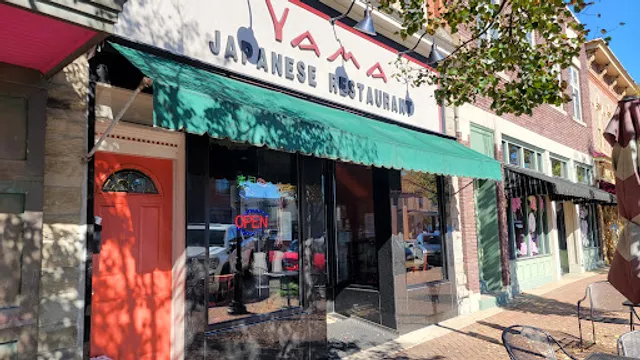
Yama Japanese Restaurant
4.6
(329)
$
Open until 12:00 AM
Click for details
Nearby local services of Fort McIntosh
Beaver Supermarket
Grandpa Joe's Candy Shop - Beaver, PA
Fischer Hardware Co
La Belle Bridal Boutique
Sieger's Jewelers
Wags on 3rd Dog Bakery and Boutique
ALLAN Jewelers
Cirelli's Fine Jewelry
Jeppie
MGSoft-Net
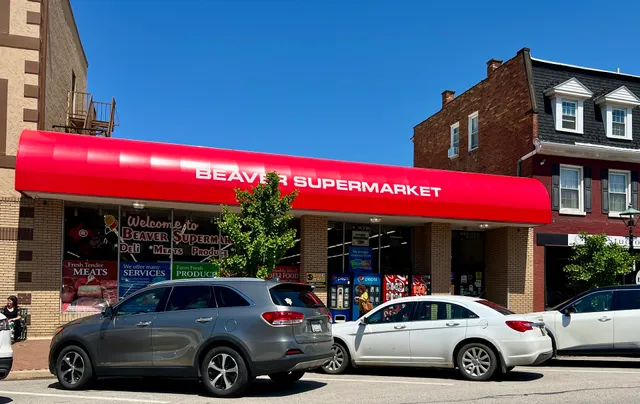
Beaver Supermarket
4.5
(303)
Click for details
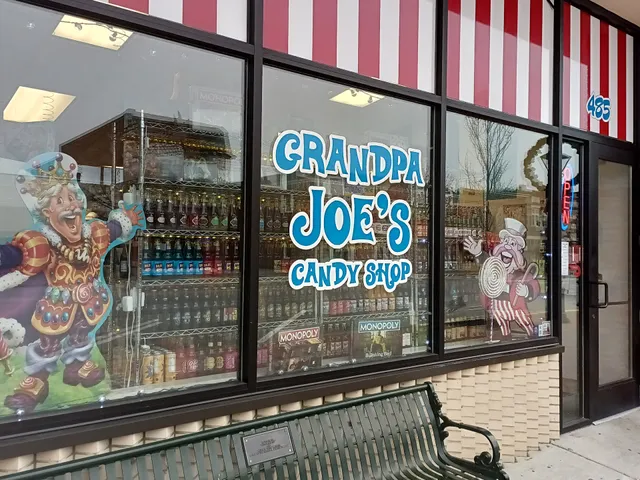
Grandpa Joe's Candy Shop - Beaver, PA
4.8
(255)
Click for details
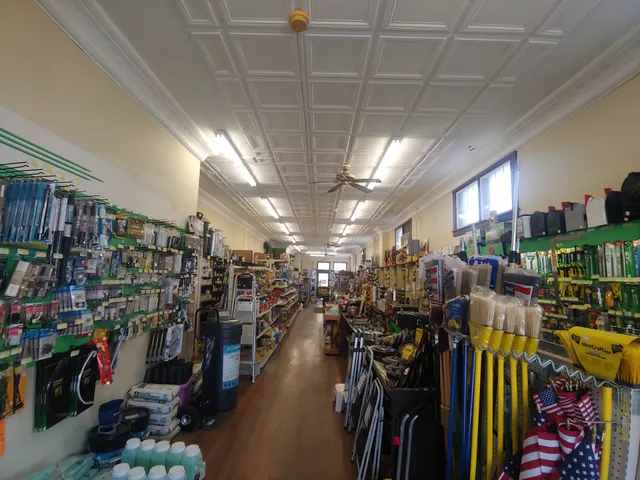
Fischer Hardware Co
4.9
(46)
Click for details

La Belle Bridal Boutique
4.9
(88)
Click for details