National Public Housing Museum things to do, attractions, restaurants, events info and trip planning
Basic Info
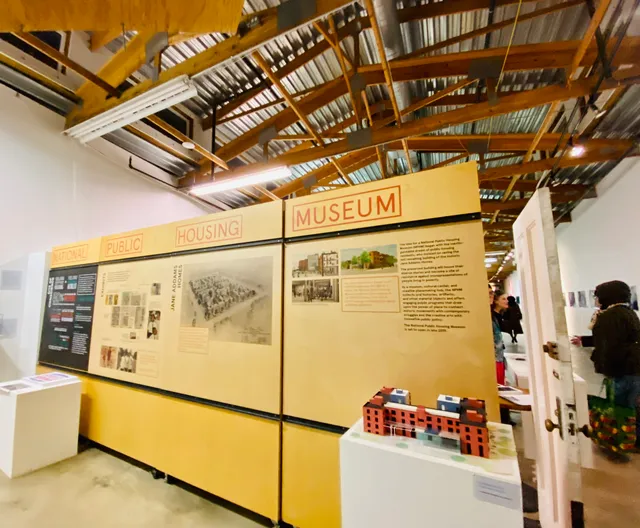
National Public Housing Museum
919 S Ada St, Chicago, IL 60607
4.7(76)
Open until 5:00 PM
Save
spot
spot
Ratings & Description
Info
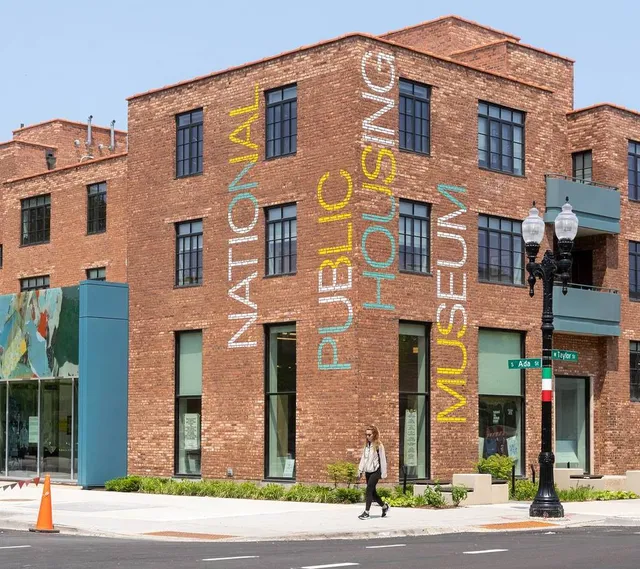
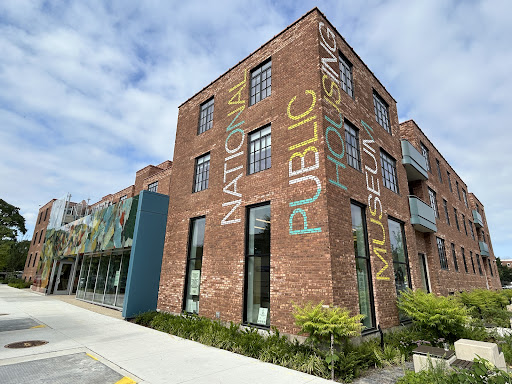
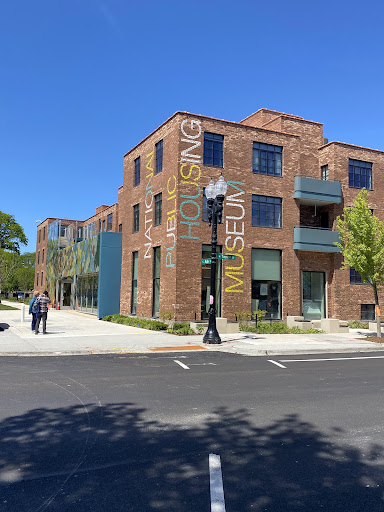
The National Public Housing Museum is a historical institution that will be opening at 1322 W Taylor St. in Chicago, Illinois, and currently is located at 625 N Kingsbury St. in Chicago.
Cultural
Accessibility
Family friendly
attractions: Arrigo (Victor) Park, Shrine of Our Lady of Pompeii, Credit Union 1 Arena, Fosco Park, UIC Visitors Center, Addams Jane - Medill Park, UIC School of Public Health, UIC Theatre, UIC Richard J. Daley Library, Rush University Graduate College, restaurants: Sweet Maple Cafe, MiMi's Craft Kitchen, THE BAR 10 DOORS, Stax Cafe, Adda Indian Cuisine, Scafuri Bakery, Hana Dragon Restaurant, Peanut Park Trattoria, Gathers Tea Bar, Taylor Street Tap, local businesses: Old Second National Bank, Taylor Wine & Spirits, Chicago School Of Grappling, Campus Market, Scio at the Medical District, Sheridan Park Pool (Indoor), Chicago Fire Department - Engine Co. 18, Target, Harrison Street Parking Structure, Rush University Medical Center
 Learn more insights from Wanderboat AI.
Phone
(773) 635-9919
Website
nphm.org
Open hoursSee all hours
Sat10 AM - 5 PMOpen
Plan your stay

Pet-friendly Hotels in Chicago
Find a cozy hotel nearby and make it a full experience.

Affordable Hotels in Chicago
Find a cozy hotel nearby and make it a full experience.

The Coolest Hotels You Haven't Heard Of (Yet)
Find a cozy hotel nearby and make it a full experience.

Trending Stays Worth the Hype in Chicago
Find a cozy hotel nearby and make it a full experience.
Reviews
Live events
Chicago Underground Pedway & Secret Interiors Tour
Sun, Feb 8 • 2:00 PM
Chicago, Illinois, 60602
View details

ILAPT 2026 Annual Conference
Fri, Feb 6 • 8:30 AM
1110 Pleasant Street Oak Park, IL 60302
View details

My Honey Pre Valentines Day Social Meetup With Speed Dating
Sat, Feb 7 • 4:00 PM
6260 95th Street Oak Lawn, IL 60453
View details
Nearby attractions of National Public Housing Museum
Arrigo (Victor) Park
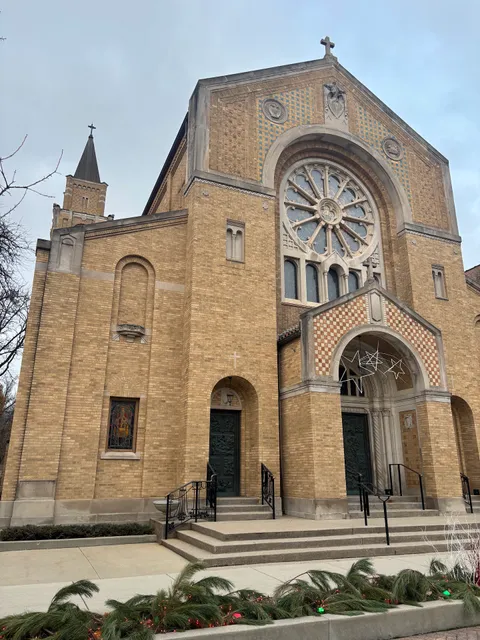
Shrine of Our Lady of Pompeii
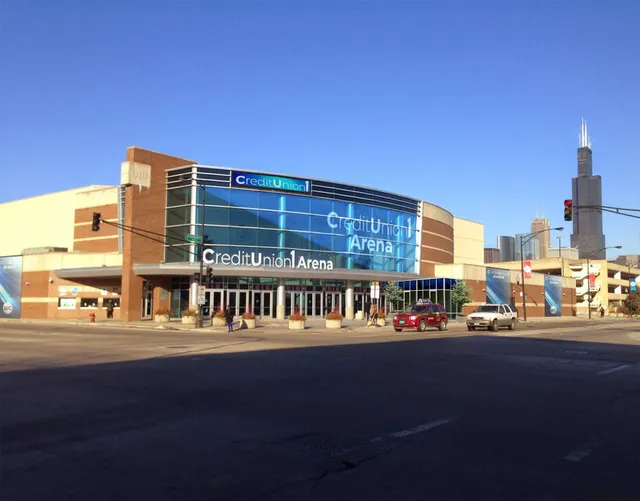
Credit Union 1 Arena
Fosco Park
UIC Visitors Center
Addams Jane - Medill Park
UIC School of Public Health
UIC Theatre
UIC Richard J. Daley Library
Rush University Graduate College

Arrigo (Victor) Park
4.6
(312)
Open until 11:00 PM
Click for details
Shrine of Our Lady of Pompeii
4.8
(87)
Open until 12:00 AM
Click for details
Credit Union 1 Arena
4.1
(1.2K)
Open 24 hours
Click for details
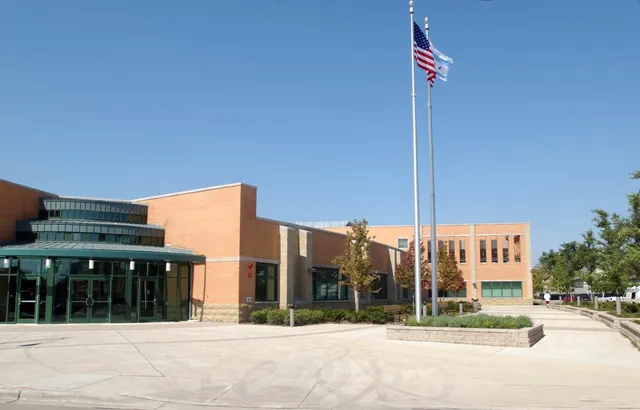
Fosco Park
4.3
(140)
Open until 11:00 PM
Click for details
Nearby restaurants of National Public Housing Museum
Sweet Maple Cafe
MiMi's Craft Kitchen
THE BAR 10 DOORS
Stax Cafe
Adda Indian Cuisine
Scafuri Bakery
Hana Dragon Restaurant
Peanut Park Trattoria
Gathers Tea Bar
Taylor Street Tap
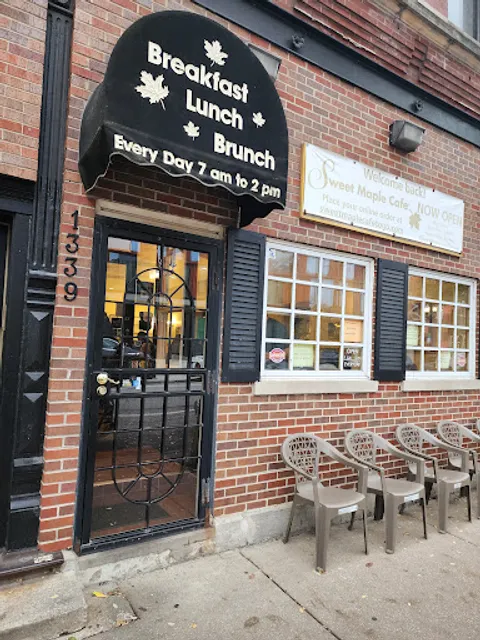
Sweet Maple Cafe
4.5
(899)
$
Closed
Click for details
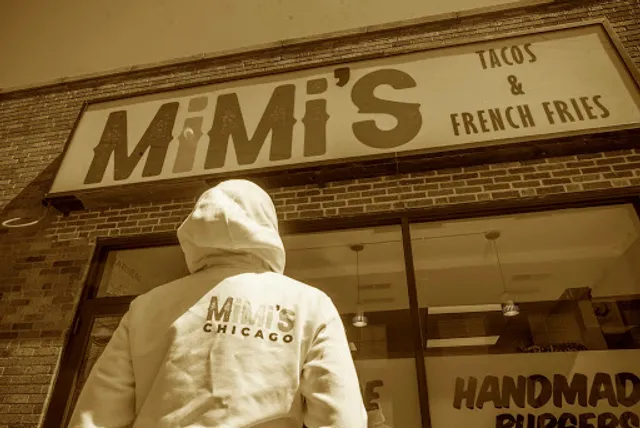
MiMi's Craft Kitchen
4.6
(405)
$
Open until 10:00 PM
Click for details

THE BAR 10 DOORS
4.2
(392)
$
Open until 2:00 AM
Click for details
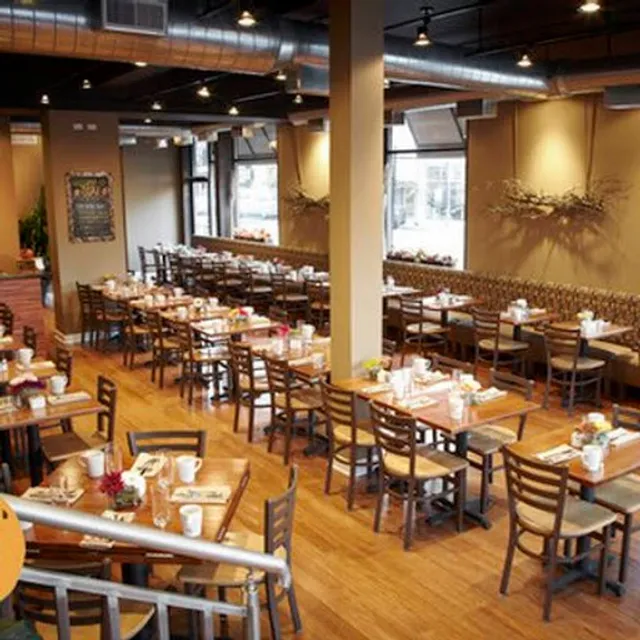
Stax Cafe
4.4
(771)
$
Closed
Click for details
Nearby local services of National Public Housing Museum
Old Second National Bank
Taylor Wine & Spirits
Chicago School Of Grappling
Campus Market
Scio at the Medical District
Sheridan Park Pool (Indoor)
Chicago Fire Department - Engine Co. 18
Target
Harrison Street Parking Structure
Rush University Medical Center
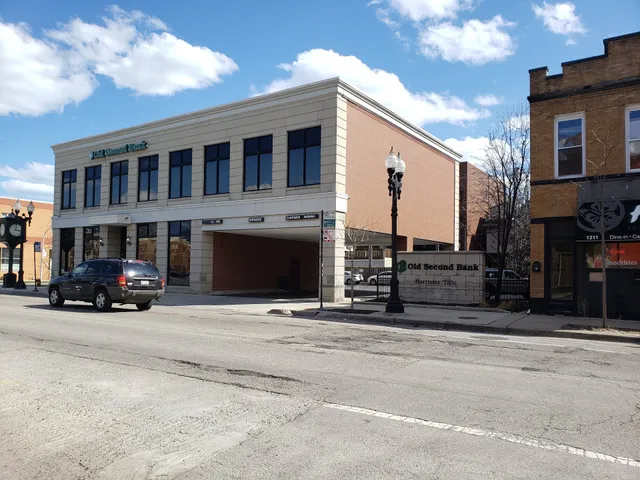
Old Second National Bank
4.6
(21)
Click for details

Taylor Wine & Spirits
4.4
(62)
Click for details
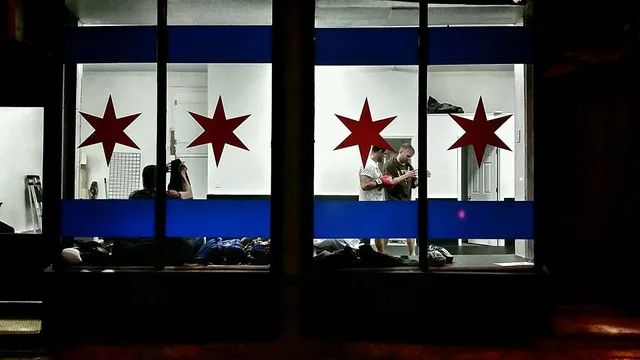
Chicago School Of Grappling
5.0
(85)
Click for details
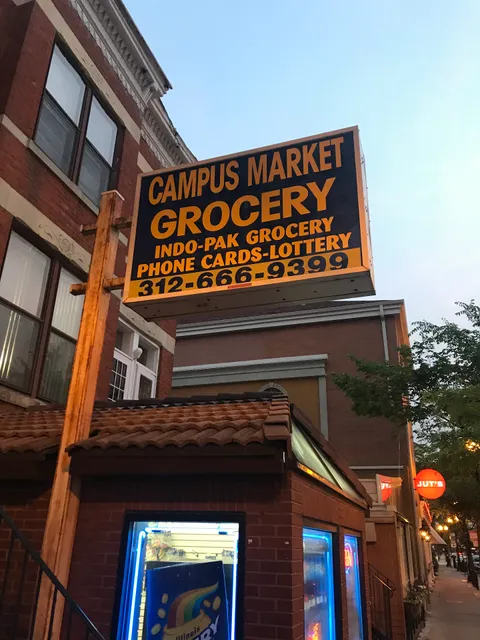
Campus Market
3.9
(85)
Click for details


The hit list



Plan your trip with Wanderboat
Welcome to Wanderboat AI, your AI search for local Eats and Fun, designed to help you explore your city and the world with ease.
Powered by Wanderboat AI trip planner.