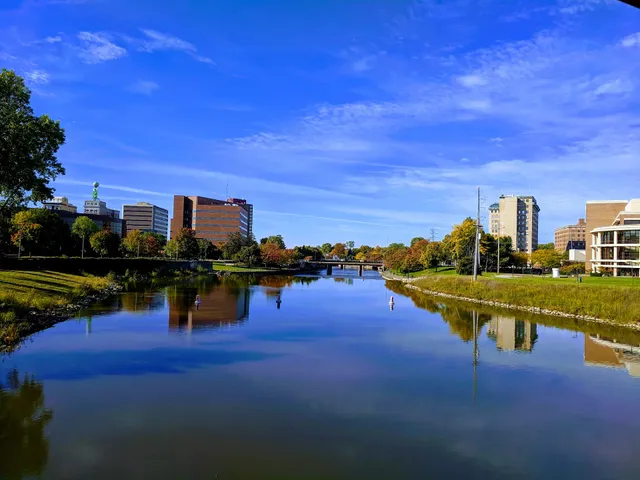
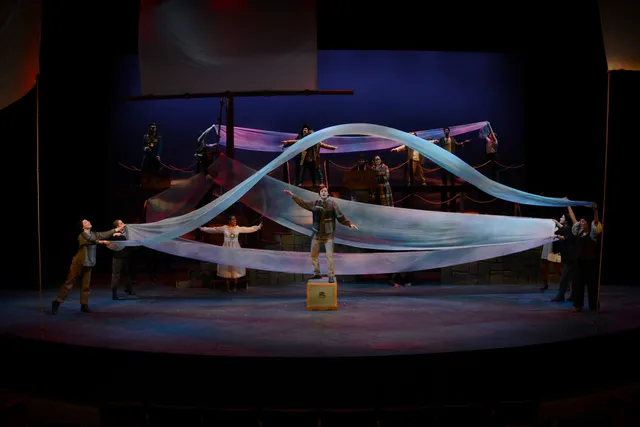
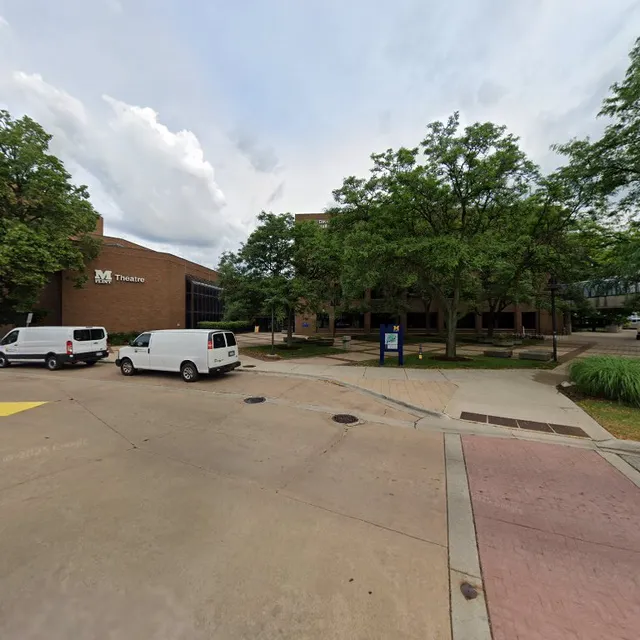
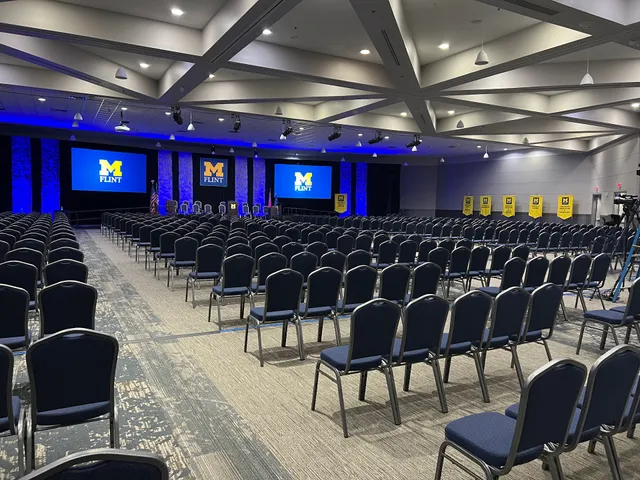
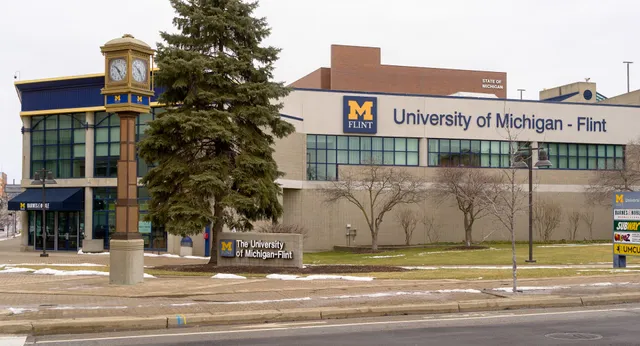
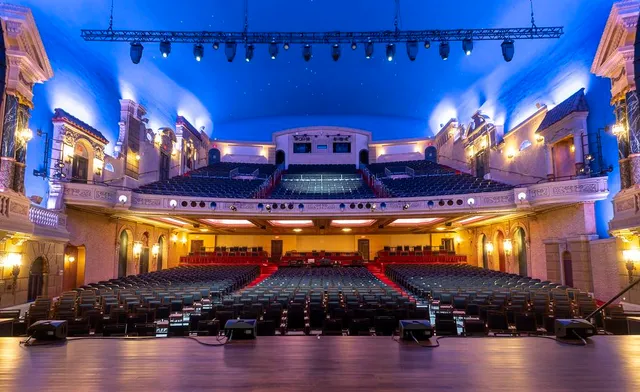
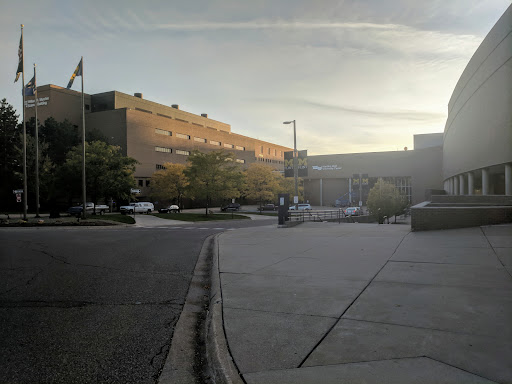
I am a Physical Therapy Graduate Student at UM-Flint. I did my undergraduate studies at Grand Valley State University. I also worked in the labs with the DPT students at GVSU and I find there are some slight differences, good and vice versa. First let's start off with the campus, UM-Flint is located in Flint, yes, however it has a beautiful campus, with a flowing river splitting the sides of the campus. I find the running water from the damn very soothing, and a place where you can relax during your breaks. The White building-Health Professions buidling, is relatively new, and is undergoing some great changes, new floors, rooms, making it more compatible as the H-professional program expands. Grand Valley also has a beutiful campus, although it is lacking the water on the Allendale campus. I really enjoy my studies here at UM-Flint because unlike GVSU, there is not a competition between classmates to do well. This makes going to class everyday something fun and enjoyable to do. There are a few minor downsides, printing is not a free for all, you are given 600 printing credits per semester, whereas at GVSU you had unlimited printing. This rarely poses an issue because most of our lectures are PPT and are usually 90 slides or more, so it makes it more convenient just to study from your computer or from study guides from the PPT. We are tested on material that flys over our heads sometimes, and some of our classes are very difficult. Granted Some are very easy. The professors for the DPT are top notch, and they come from a variety of backgrounds, including, Oakland University, University of Illianois Chicago, from owning their own clinic, too having experience as a PT in the military. Most of all they want to see you succeed, and will do whatever it takes to get you there. The rest of the work is on you, as a graduate program should be. Be prepared to study 20+ hours for a test, and settle for a 70-85% grade. That is the typical norm. There is just too much information to get it all at once, and is the reason why we have classes that cover the same material, albeit it always includes a more information on the topic than the previous class. Yes, the clinical experience is not until the end of your 2nd to 3rd year, haha many of us over ride this issue ust by volunteering at PT clinics close by, such as the Wellness center in the WHite building, or at other clinics that are close to home. We also serve the community of Flint through our Pro Bono clinic-PTHEART. This is a new and expanding clinic, that provides free PT services to the community. We also make a presence at local high schools, physical exams and such, etc. In terms of things to do, if you like working out, running, or getting outside, Grand Blanc is an amazing place to live. There is the Holly Recreatino center close by, the bicentenial park for the quick 5 mile jog, and plenty of other entertainment, IMAX theater, and many bars and such. There is also the Flint performing arts center, where tickets can cost around $12 per student, and the crowd they draw in, is top notch. SO, yes we are in Flint/ Grand Blanc, however, I find there is much more to do than I found on the Allendale Campus, albeit at GVSU there was plenty to do downtown, except that in Flint everything is affordable, and in GR most everything is expensive. Like them both, and glad I had the opportunity to live on the West side of the State. I do miss the beaches though. Hopefully this helps anyone looking at Applying to the DPT program here...
Read moreAdvisory Notice for Indian & Hindu Students Abroad
Precautionary Guidance for Indian Students in Foreign Institutions
Scope of Advisory**
This notice is issued for Indian nationals, particularly Hindu students, pursuing or planning to pursue education abroad. The objective is to provide precautionary guidance to ensure safety, cultural awareness, and informed decision-making when engaging with foreign institutions.
Background Context**
Many foreign institutions operate within legal frameworks, traditions, and cultural systems that differ significantly from those in India. Dharmic principles are not part of the legal or cultural fabric in many host countries; instead, systems may be shaped by other religious, cultural, and political traditions. Historical precedent demonstrates that foreign powers have often used commerce, ideology, or religion as instruments of influence.
Notably, the design of the U.S. flag bears a striking resemblance to the flag used by the East India Company. While this may be symbolic or coincidental, students are reminded that legacies of empire and external influence continue to shape global institutions and their underlying power structures.
Additionally, it is important to understand that certain legal mechanisms abroad—such as the right to remain silent in the United States—can function in ways that protect individuals or institutions from accountability, particularly in environments where transparency is limited. While such rights are legally enshrined, in practice they may also shield misconduct or discourage scrutiny. Students must be aware of these differences so they do not unintentionally surrender their own rights or remain silent in situations that demand self-advocacy and documentation.
Advisory Guidance: A. Legal and Cultural Awareness**
Familiarize yourself with the host country’s laws, customs, and cultural frameworks. Understand the influence of prevailing traditions, including dominant religious or ideological texts. Maintain professionalism at all times. Document interactions with institutional authorities and keep records of academic correspondence. Exercise discretion when discussing personal beliefs or political matters. If you feel that institutional practices conflict with your safety, dignity, or values, seek alternatives or contact support networks. Remain vigilant of individuals or groups who may appear aligned with your interests but act contrary to them. Remember that modern institutions often carry legacies of colonial or external influence. Exercise discernment and critical thinking in all engagements.
Recommendations
Attend local orientation and cultural sessions where available. Connect with Indian student associations or community groups for support. Maintain regular contact with family and trusted networks. In case of any incident affecting your safety or dignity, immediately contact the nearest Indian Mission/Post.
Closing Note
The Government urges all students to exercise caution, preparedness, and cultural sensitivity while abroad. By remaining alert and informed, you safeguard not only your personal well-being but also uphold the dignity and interests of India.
Issued in the interest of citizens of...
Read moreI have been to the U of M- Flint, Oakland University and Central Michigan University. Central does not have nursing at all. They might get it when their Medical School opens but not yet. Also, Um-Flint does not have to do with Ann Arbor and there might be some people that say it is not compared to ANN Arbor,But I transferred back from CMU to UM-Flint. I know a lot of kids up at CMU were coming to UM-Flint. And my sister-in-law came back to um-flint from Michigan state. UM-Flint has great ratings in the united states, the standers are just as challenger as Ann Arbor but it is cheaper because you are not paying for all the sport teams and this campus is more for non traditional college students. Like I had a family, my father is at um-flint at 40 and he would not fit into Ann Arbor. But it still gives some campus life for the students that want that just downed sized from Ann Arbor. Your degree does say UM-FLINT. But it is better then CMU. And the business staff are a lot better then CMU and the Teachers are just as great as OK,CMU and MSU. If safety is your problem then don't take night classes, but keep in mine CMU had a lot of safety issues too. Its expected being on any campus. AND MICHIGAN HAS A GREAT EDUCATION system I learned that when I...
Read more