Studio Japan things to do, attractions, restaurants, events info and trip planning
Basic Info
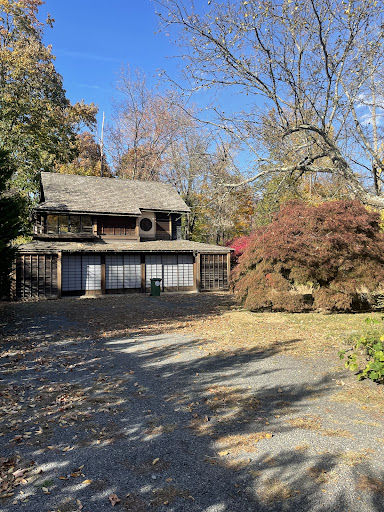
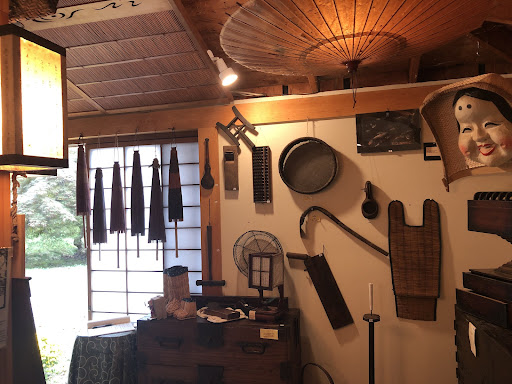
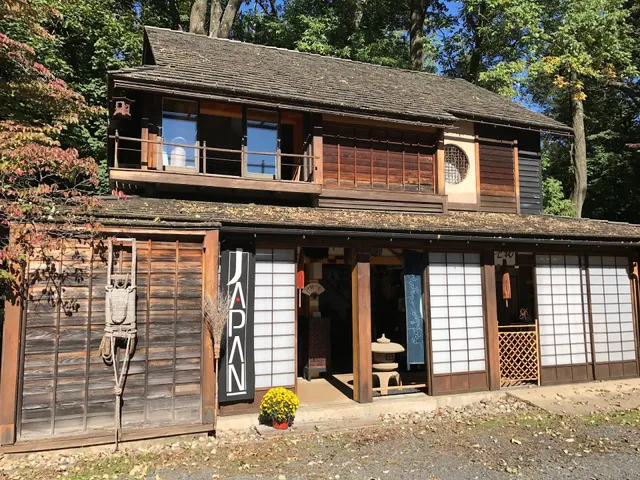
Studio Japan
4505 NJ-27, Princeton, NJ 08540
4.8(9)
Open 24 hours
Save
spot
spot
Ratings & Description
Info
Cultural
attractions: Durga Mandir, restaurants: Princeton Chanoyu, Tino’s Artisan Pizza Co., Mannat by Chef Gaurav Mathur, Tino’s Tazza, Mercato Ristorante at Gennaro's, Gennaro's Italian Market & Catering, Kingston Deli & Cafe Inc, Eno Terra Restaurant & Enoteca, Prince Tea House, Sushi Palace, local businesses: Timeless Aesthetics, Foot & Ankle Center of New Jersey, Mark H. Jaffe Attorney At Law, Silviu Nedelcu Painting & Remodeling Inc, Law Offices of Rizwan M. Khalid, Alchemy Mind & Body, Citi Roots Cannabis Dispensary, Addictedstilo Salon & Barbershop, The Learning Experience - Princeton, Pennsylvania Dutch Farmers Market
 Learn more insights from Wanderboat AI.
Website
tansucabinetry.com
Plan your stay

Pet-friendly Hotels in Franklin Township
Find a cozy hotel nearby and make it a full experience.

Affordable Hotels in Franklin Township
Find a cozy hotel nearby and make it a full experience.

The Coolest Hotels You Haven't Heard Of (Yet)
Find a cozy hotel nearby and make it a full experience.

Trending Stays Worth the Hype in Franklin Township
Find a cozy hotel nearby and make it a full experience.
Reviews
Live events

Spin for Scholars 2026
Sat, Feb 28 • 11:00 AM
100 Kirkpatrick Street ##201 New Brunswick, NJ 08901
View details

Sunday Program | Sri Radha Gopinath Temple
Sun, Mar 1 • 1:30 PM
7 Kilmer Court Edison, NJ 08817
View details

2026 Mercer County Bridal Show
Sun, Mar 1 • 10:00 AM
102 Carnegie Center Drive Princeton, NJ 08540
View details
Nearby attractions of Studio Japan
Durga Mandir
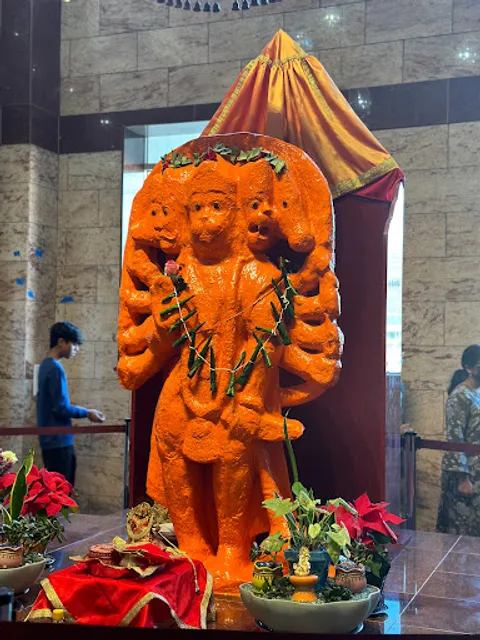
Durga Mandir
4.8
(884)
Closed
Click for details
Nearby restaurants of Studio Japan
Princeton Chanoyu
Tino’s Artisan Pizza Co.
Mannat by Chef Gaurav Mathur
Tino’s Tazza
Mercato Ristorante at Gennaro's
Gennaro's Italian Market & Catering
Kingston Deli & Cafe Inc
Eno Terra Restaurant & Enoteca
Prince Tea House
Sushi Palace
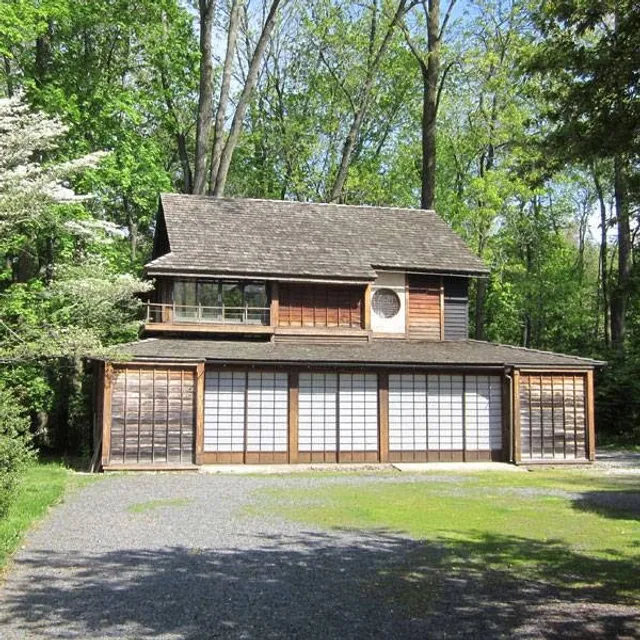
Princeton Chanoyu
5.0
(4)
Click for details
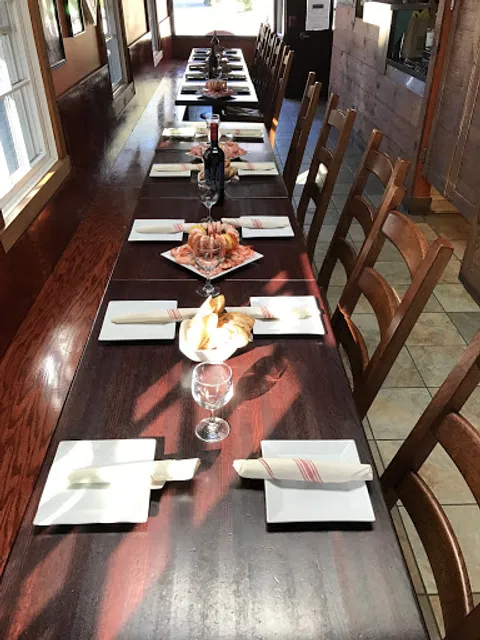
Tino’s Artisan Pizza Co.
4.6
(500)
$
Closed
Click for details
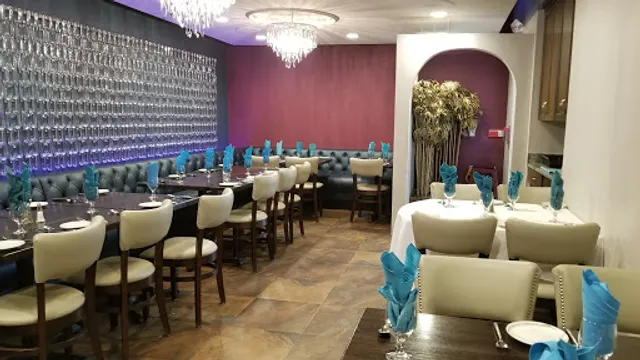
Mannat by Chef Gaurav Mathur
4.1
(932)
$$
Closed
Click for details
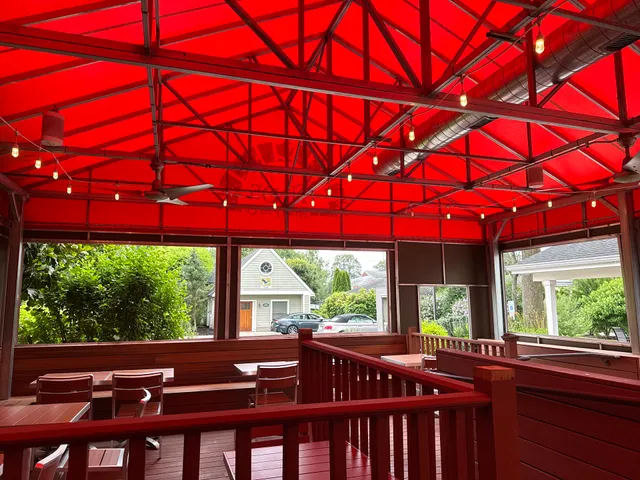
Tino’s Tazza
4.8
(28)
$
Closed
Click for details
Nearby local services of Studio Japan
Timeless Aesthetics
Foot & Ankle Center of New Jersey
Mark H. Jaffe Attorney At Law
Silviu Nedelcu Painting & Remodeling Inc
Law Offices of Rizwan M. Khalid
Alchemy Mind & Body
Citi Roots Cannabis Dispensary
Addictedstilo Salon & Barbershop
The Learning Experience - Princeton
Pennsylvania Dutch Farmers Market

Timeless Aesthetics
5.0
(23)
Click for details

Foot & Ankle Center of New Jersey
4.7
(31)
Click for details
Mark H. Jaffe Attorney At Law
4.1
(31)
Click for details

Silviu Nedelcu Painting & Remodeling Inc
5.0
(12)
Click for details