The animals are in deplorable shape. It is sad when the dead animals have bigger enclosures than the living ones. The alligators enclosure is small and filthy with old food and non-filtrated standing dirty water about 10 inches and 3 feet of above water basking space, all of it littered with old food. No real room for it to move.The snapping turtle doesnât even have room to turn around. Regardless of your claims of meeting minimum standards, you got to know this isnât right. Egg laying hens and veal cows also meet usda standards too and we all know the conditions they are kept in. You might have minimum standards for live stock. Thatâs about it. The painted turtles are swimming in mucky black non-filtrated stagnant water just like the alligator. Pretty depressing. Someone needs to educate them on animal husbandry, specifically reptile husbandry. They probably donât have the budget to keep live animals, and it clearly shows. I know they had a bear in what looked like a jail cell with a couple branches tossed in and it passed away. Other than that, itâs okay for Gastonia, itâs like a library with taxidermies. Not really worth your time. Hereâs some helpful information from reptile experts, not the US agricultural department who doesnât care about the animals actual wellbeing.
Pertaining to the snapping turtle habitat:Enclosure: Juvenile snapping turtles can be housed in aquariums or plastic storage boxes. Two or three square feet of space is appropriate for a single hatchling, though they grow quickly and will require two to three times this much space by the end of their second year of life. Adult snapping turtles are big animals that require large enclosures; even the smallest adult common snapping turtles will require ponds measuring 15 to 20 square feet, while the largest alligator snapping turtles require ponds with nearly 60 square feet of space.
Pertaining to the alligator: Your alligator enclosure must meet certain biological needs to maintain healthy alligators. Alligators need room to bask and they also need an area of open water area to swim, hunt and lounge in. You need a temperature control system including a water heater and possibly heat pads, plus both UVA and UVB lighting. As time passes, your alligator will need room to grow, so an enclosure that can be extended is ideal. Note that the average size for an adult alligator raised in captivity is between 4 and 7 feet, so he will eventually need an outdoor habitat. Plan ahead. Measure your alligator and measure the area you plan on using for the enclosure. According to Reptile Luv, your enclosure must include a dry basking space that is at least 1.5 times the length and width of your alligator. At minimum, the open water area should have a length that's at least three times the total length of the alligator; a width that's at least twice the alligator's length and a depth that's at least twice the alligator's length. You should also map out access to electricity, a water source and plan a location for water pumps and heaters that's easy for you to access safely once your alligator is fully grown. Consider the type of fencing you will want to best secure your alligator but also offer...
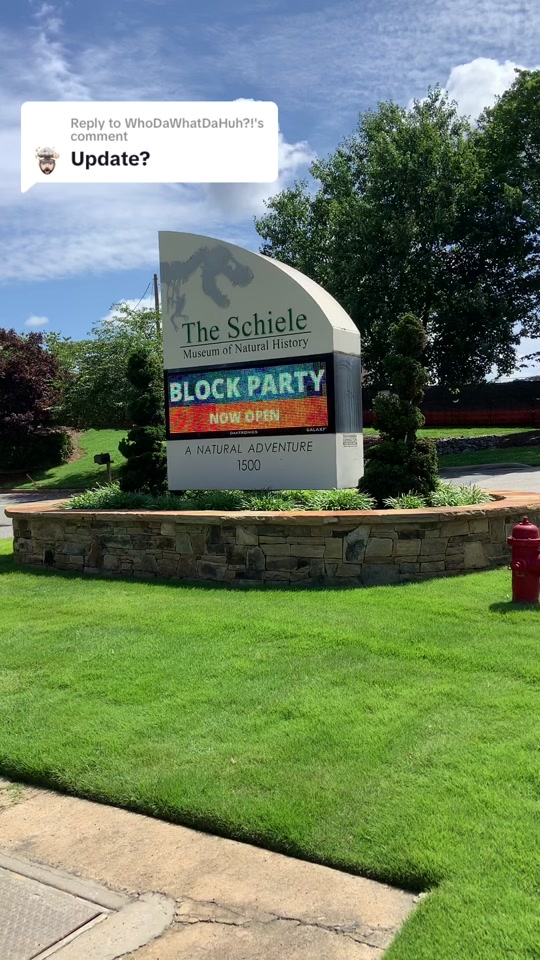
   Read moreTLDR; I have the tism. Museum good. A wonderful experience packing an educational punch, this shockingly well-valued museum is now one of the best I've ever had the fortune of visiting! Full disclosure; I'm a 30 year old avid history, dinosaurs, space, and outdoors enthusiast who can appreciate both the mature reading-intensive types of museums as well as looking for the more immersive, interactive exhibits that typically cater to kids. Shiele had BOTH in ample supply. Therefore, I cannot recommend this place highly enough to any age. Whether you're a kid in body, or in spirit, there's a myriad of thoughtfully curated experiences here for you. The planetarium provided a cool lesson on fireworks in space (as this was the 4th of July when we visited) which called out activities for kids while mixing in adult-level learning on the science of explosive displays, both naturally occurring and manmade. The dinosaur exhibit - the highlight of the visit - had big replica models that weren't as cheap as your museum entrance fee might lead you to expect. That, and they included my favorite dinosaur of all time (Deinonychus) which I've found is the less common comrade to the much more popular Velociraptor, so I appreciated the dino diversity quite a bit. Not only that, they had an awesome dinosaur vet portion of the exhibit where you could wear little technician lab coats and enter the "veterinary lab" with its dinosaur models and egg fossils to examine and play with - honestly, if I were a little younger, I'd have never left that room! There was awesome native wildlife to the Carolinas, including LIVE animals such as alligators and turtles, a barbeque exhibit (what?!?), and history on native Americans across the US, and rocks and minerals, and even big cats inside the museum. But that's not the extent of this wonderful place - the outdoors has a miniature farm to explore, with a settler-style house, garden plot, animals, and education on the homestead lifestyle to enjoy. Beyond that, there's trails to wander that will take you to a playground, a water-powered mill, a native American village with housing structures showing their development over time, and more. All this for less than $20 is pretty much unheard of for any museum I've ever been to that's been worth it's salt, so hopefully my tirade of praise is enough to convince you that this one is doubly so. Shiele is excellent and I'll definitely be...
   Read moreWe recently visited the museum after hearing and reading about it. Our little girl (4 years old) was very excited for the dinosaur exhibit. When we arrived we were greeted promptly. The first exhibit was the large cats. It was basic, with not much excitement. We moved on to the dinosaurs. At that point we became extremely let down. It was bland, dark and not captivating. Its 2025, I expected a lot more from a large museum. Our daughter was completely unimpressed and could see all the fake-ness. The videos playing in different spots throughout the exhibit were ancient with horrible graphics. We moved on to the snake area and that was probably the highlight of the trip. We had arrived around feeding time, so the snakes were enjoying their meals. We moved into the animal exhibit next. Our daughter enjoyed looking at the animals. However, there is a display basically showing pollution with dead animals. Try explaining that to a 4 year old who absolutely would not stop looking at it. We eventually moved on to "the farm". As farmers, we were super excited. Disappointment again. Stuff hasn't been very well maintained outside. The garden area was lack luster with rotting produce. I was disappointed with the housing of the bulls. Sheep and goats housed in small enclosures are one thing, but cattle are not suited for that and it definitely showed. We moved on to the mining area, but it wasn't in operation that day. My husband looked forward to going into the Indian area, but everything was locked up, broken down and just looked forgotten. We noticed a play-zone for kids on the map, so we walked down to it. It was definitely not what we expected. A single slide and some wooden features. Again, it looked like it was built and forgotten. We ended our trip after that. We definitely wont be visiting again. We are local to the Catawba Valley Science center and it has this museum...
   Read more