After a meticulous two-year conservation effort, the Yale Center for British Art has reopened, embracing both its architectural heritage and curatorial future. Louis Kahn's final masterpiece — completed posthumously in 1977 — once again fulfills its promise as a temple to art and light.
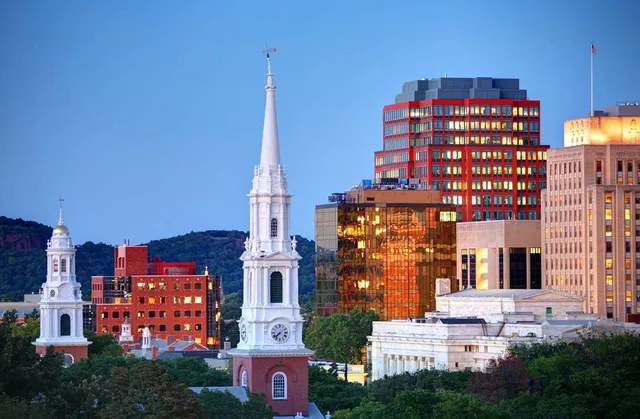
The building's distinctive exterior remains a commanding presence on Chapel Street. Its matte steel panels and reflective glass create an almost austere rhythm that belies the richness within. This precisely calibrated façade, weathered by nearly five decades of New England seasons, showcases Kahn's careful balance of modernist restraint and material expressiveness.
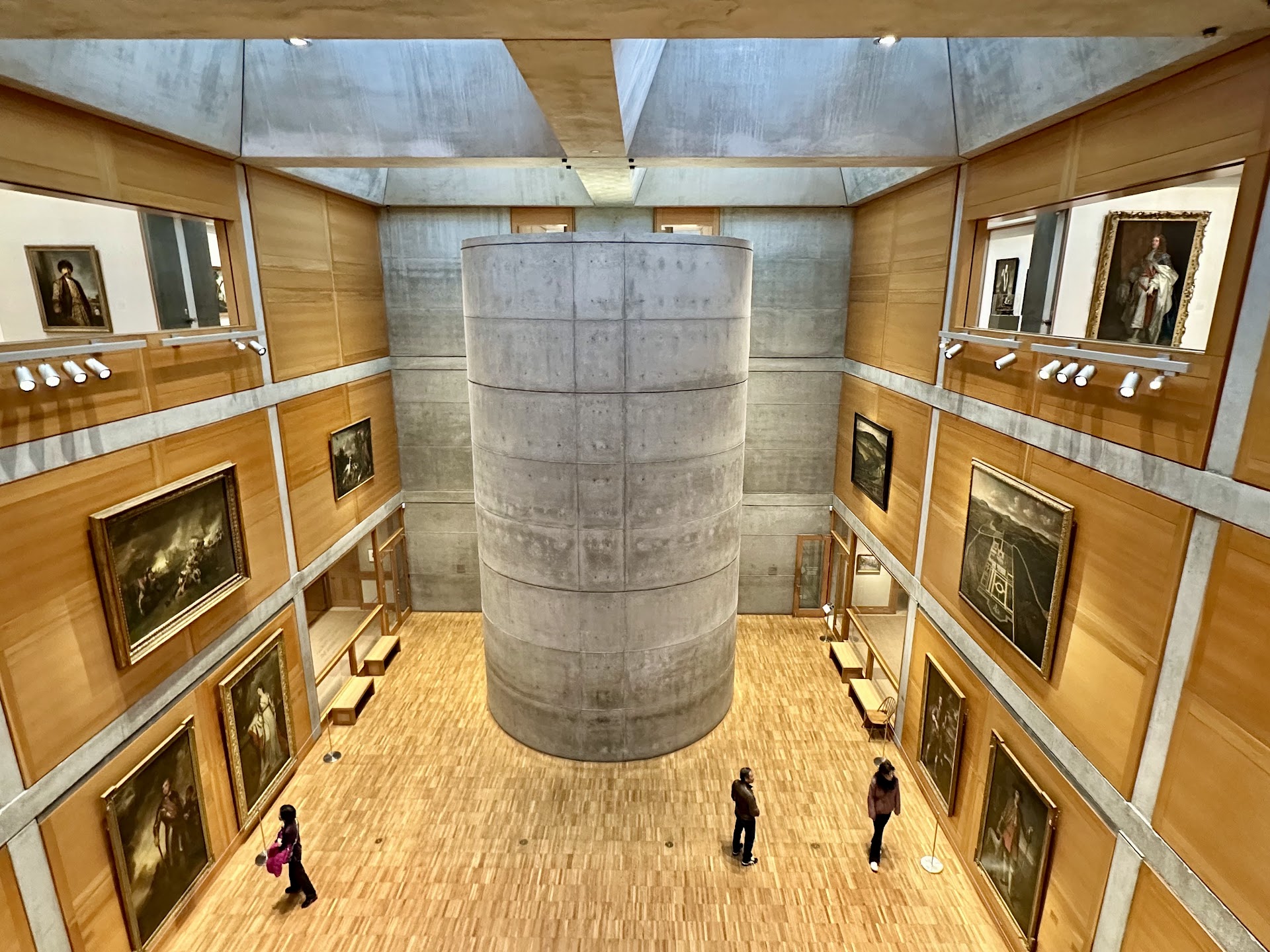
Upon entering, visitors are rewarded with spaces that feel simultaneously familiar and renewed. The dramatic concrete cylinder in the Library Court — what architecture critic Wendy Lesser once described as an "implacable, indomitable, unforgiving" curved form — continues to provide the building's most arresting moment. This primeval intruder in an otherwise refined environment creates the tension that gives the building its distinctive character.
Throughout the conservation project, guided by Knight Architecture, interventions have been subtle yet transformative. All 224 skylights have been replaced, the halogen lighting swapped for more energy-efficient LEDs, and more than 6,500 linear feet of track lighting installed in the galleries. As Martina Droth, the Paul Mellon Director, notes, "The play of light is integral to the aesthetic experience of the building, and this is what makes it such a special place for seeing art."
The conservation approach has been guided by what George Knight describes as listening to "a whisper that you hear" from the building itself. This philosophy aligns with former Yale Art Gallery director Jock Reynolds' observation: "If you're not an idiot and you just look, the building tells you what to do with it."
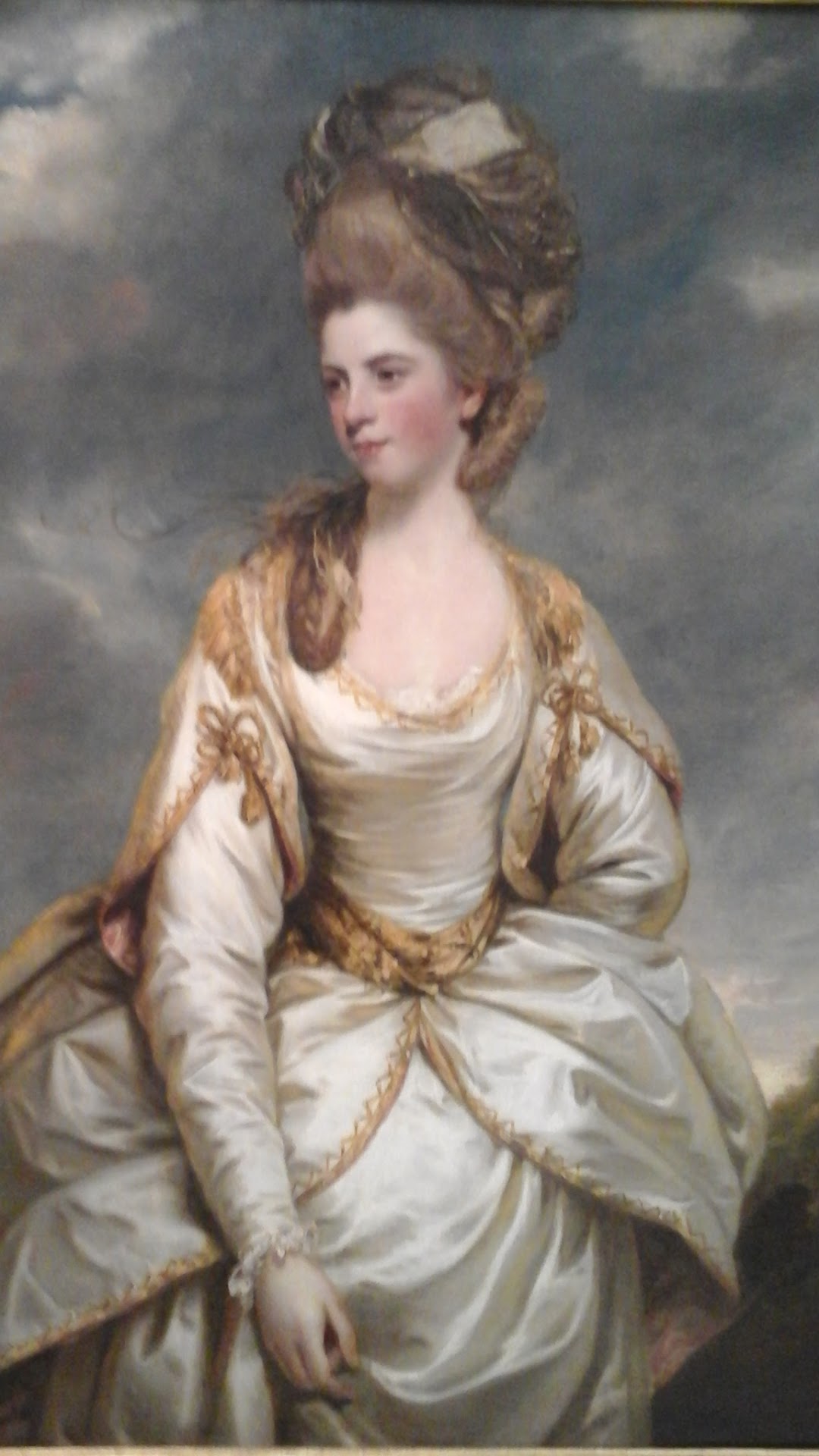
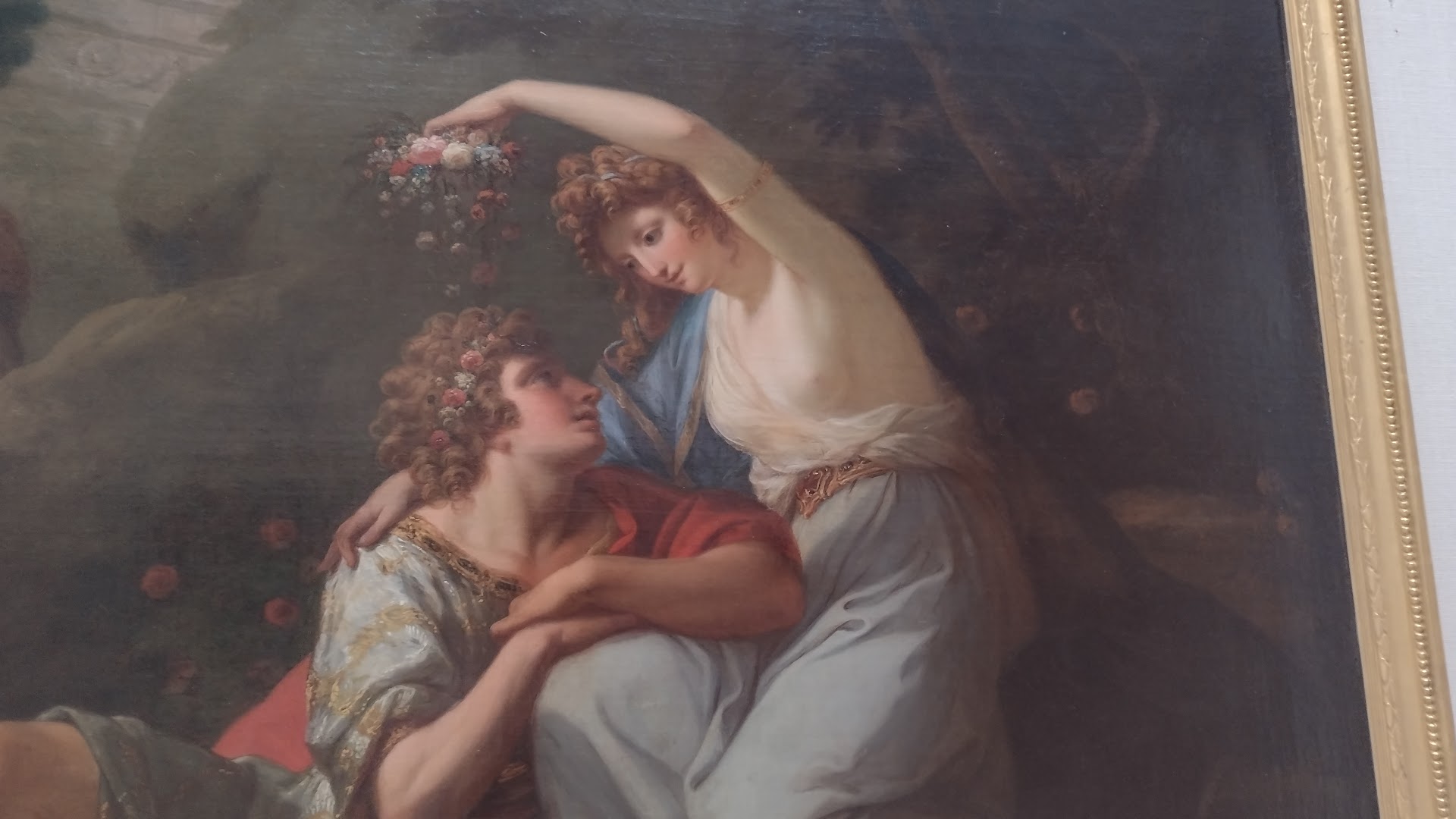
These sensitive interventions provide a fitting backdrop for the reimagined presentation of the museum's collection. "In a New Light: Five Centuries of British Art" takes visitors on a journey from the Elizabethan period to contemporary works, creating unexpected dialogues across time. As you enter the fourth-floor gallery, you can choose to look left toward contemporary pieces or right to portraits of 16th-century aristocrats — a visual manifestation of the museum's approach to connecting past and present.
The reopening exhibitions include "J.M.W. Turner: Romance and Reality," marking the renowned English Romantic painter's 250th birthday. The show culminates with Turner's impressionistic "Inverary Pier: Loch Fyne: Morning," which curator Lucinda Lax describes as epitomizing "late Turner" with its "beautiful, abstract, yet representational quality that just holds your attention."
In contrast, "Tracey Emin: I Loved You Until The Morning" represents the first North American museum presentation of this influential contemporary artist's work, featuring a neon installation in the Entrance Court that spells out the exhibition title in yellow against a mirrored background.
This juxtaposition of Turner and Emin represents the YCBA's dual commitment to honoring British art's rich history while engaging with its contemporary practitioners. The building itself reflects this balance — a mid-century masterpiece that feels timeless, housing works spanning five centuries in spaces that respect tradition while embracing innovation.
Paul Mellon's extraordinary collection has found its perfect home in Kahn's architecture. As visitors return to experience this renewed masterpiece, they'll discover both familiar treasures and surprising new perspectives—all bathed in the natural light that Kahn so...
Read moreAnother hidden gem in New Haven is The Yale Center for British Art. It is free public art museum and research institute that houses the largest collection of British art outside the United Kingdom. Presented to the university by Paul Mellon (Yale College, Class of 1929), the collection reflects the development of British art and culture from the Elizabethan period onward. Admission is free!
A masterpiece architecture by Louis I. Kahn. The Building alone is worth making the trip and I think it is the Center’s greatest treasures. Opened to the public in 1977, the Yale Center for British Art is the last building designed by the internationally acclaimed American architect Louis I. Kahn. The structure integrates the dual functions of study center and gallery, while providing an environment for works of art that is appropriately elegant and dignified. The building stands across the street from Kahn’s first major commission, the Yale University Art Gallery (1953). Located in downtown New Haven, the Center is near many of the city’s best restaurants, theaters, and shops.
More about the architect: In his bio it is mentioned that Louis Isadore Kahn was born into a poor Jewish family in Pärnu, formerly in Russian Empire, but now in Estonia. He spent his early childhood in Kuressaare on the island of Saaremaa, then part of the Russian Empire's Livonian Governorate. At the age of three, he saw coals in the stove and was captivated by the light of the coal. He put the coal in his apron, which caught on fire and seared his face. He carried these scars for the rest of his life.
In 1906, his family emigrated to the United States, as they feared that his father would be recalled into the military during the Russo-Japanese War He was a design critic and professor of architecture at Yale School of Architecture from 1947 to 1957. From 1957 until his death, he was a professor of architecture at the School of Design at the University of Pennsylvania.
Kahn created a style that was monumental and monolithic; his heavy buildings for the most part do not hide their weight, their materials, concrete, wood, metal, or the way they are assembled. Famous for his meticulously-built works, his provocative proposals that remained unbuilt, and his teaching, Kahn was one of the most influential architects of the twentieth century. He was awarded the AIA Gold Medal and the RIBA Gold Medal. At the time of his death he was considered by some as "America's foremost living architect."
In 1974, Kahn died of a heart attack in a restroom at Penn Station in Manhattan. He had just returned from a work trip to India. Owing to police miscommunications in both New York City and Philadelphia, his wife and his office were not notified until two days after his death.
I wonder if my other favorite architect Tadao Ando who was self taught, was influenced by Louis Kahn. Tadao Ando worked as a boxer and a truck driver before settling on the profession of architect, despite never having formal training in the field. The Chichu Art Museum is a museum built directly into a southern portion of the island of Naoshima in Kagawa Prefecture, Japan is definitely worth making a special...
Read moreA nearly sublime museum experience, lovingly restored. The collection of art may or may not be to your taste, tho there are some standout works from Stubbs, Reynolds, van Dyck, Bacon, and above all the magnificent Turner holdings. The real star is the the Kahn building itself, however, all blonde oak and fine concrete, travertine and pale linen walls, spongy carpet and mod seating, the magnificent concrete cylinder containing the stairwell (skip the slow clunky elevator). The new skylights are a major improvement, and the whole place is wonderful for people watching along with enjoyment of the art. The shops along the Chapel Street facade are a nice touch although the exterior steel panels are still (to me) absolutely dreadful. I don’t buy the argument that it’s a background building—it’s just ugly. No matter, still a treat to walk through, under and up around in Kahn’s last masterpiece....
Read more