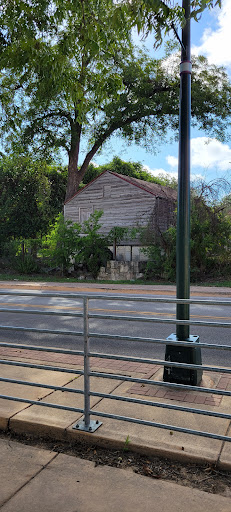
Yturri-Edmunds House Museum things to do, attractions, restaurants, events info and trip planning
Basic Info
Yturri-Edmunds House Museum
128 Mission Rd, San Antonio, TX 78210, United States
4.3(12)
Open until 12:00 AM

tickets
Save
spot
spot
Ratings & Description
Info
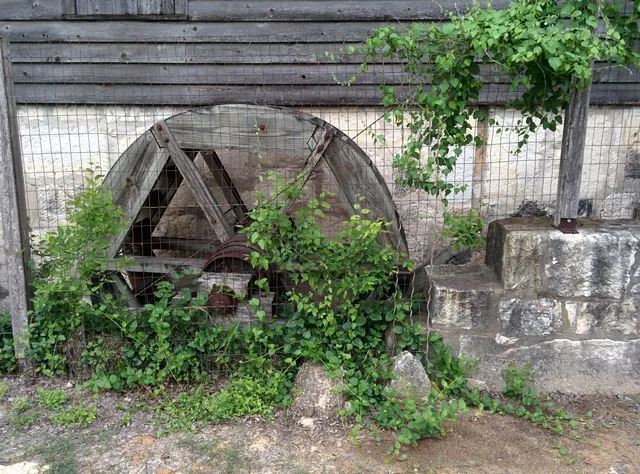
The Yturri–Edmunds Historic Site is an historic site in San Antonio, Texas. The house is listed on the National Register of Historic Places listings in Bexar County, Texas. The homestead and mill were designated a Recorded Texas Historic Landmark in 1966.
Cultural
Family friendly
Accessibility
attractions: Roosevelt Park, Mercury Project, Riverwalk: Eagleland Dr. Trailhead, Mission Concepción, restaurants: El Luchador, La Barca De Jalisco, Poetic Republic Coffee Roasters, Camaron Pelado Seafood, El Chunky, Twelve Stone, Coco Loco Sports Bar, Bill Miller BBQ, Whataburger, The Hungry Waffle, local businesses: St Cecilia's Catholic Church, Springfield Museums, REFUGE CHURCH, Alamo City's Rocks & Crystals, El Camino de San Antonio Missions
 Learn more insights from Wanderboat AI.
Phone
+1 210-224-6163
Website
saconservation.org
Open hoursSee all hours
MonOpen 24 hoursOpen
Plan your stay

Pet-friendly Hotels in San Antonio
Find a cozy hotel nearby and make it a full experience.

Affordable Hotels in San Antonio
Find a cozy hotel nearby and make it a full experience.

The Coolest Hotels You Haven't Heard Of (Yet)
Find a cozy hotel nearby and make it a full experience.

Trending Stays Worth the Hype in San Antonio
Find a cozy hotel nearby and make it a full experience.
Reviews
Live events

Titanic: A Voyage Through Time
Mon, Feb 16 • 10:00 AM
849 East Commerce Street, San Antonio, 78205
View details

SAW The Musical: The Unauthorized Parody of SAW
Thu, Feb 19 • 7:30 PM
339 West Josephine Street, San Antonio, 78212
View details

Candlelight: 80s Rock Anthems
Sat, Feb 21 • 6:30 PM
230 E Travis St, San Antonio, 78205
View details
Nearby attractions of Yturri-Edmunds House Museum
Roosevelt Park
Mercury Project
Riverwalk: Eagleland Dr. Trailhead
Mission Concepción
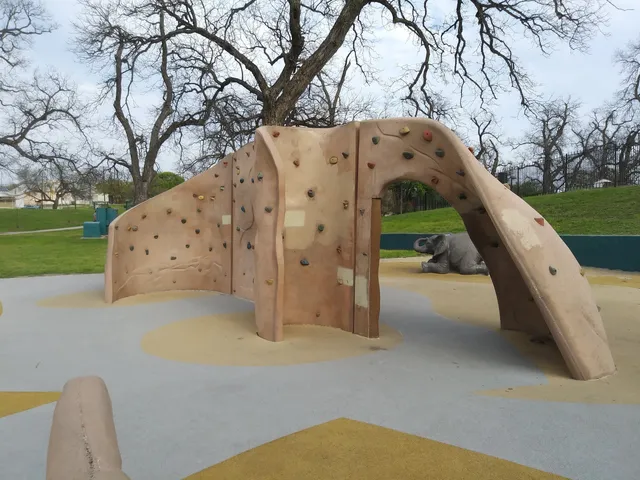
Roosevelt Park
4.5
(606)
Closed
Click for details

Mercury Project
4.9
(24)
Open 24 hours
Click for details
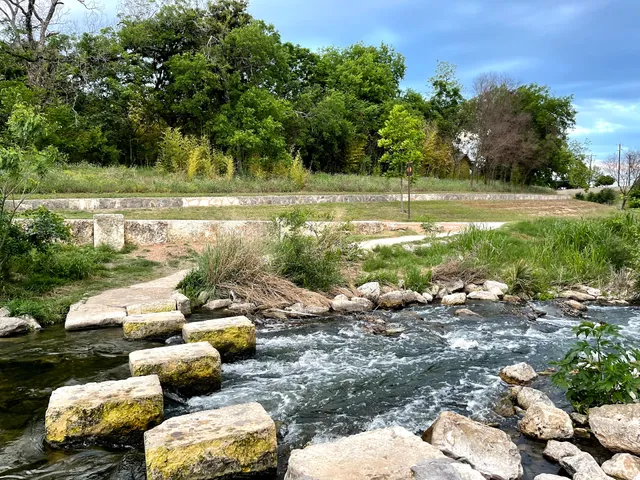
Riverwalk: Eagleland Dr. Trailhead
4.8
(121)
Closed
Click for details
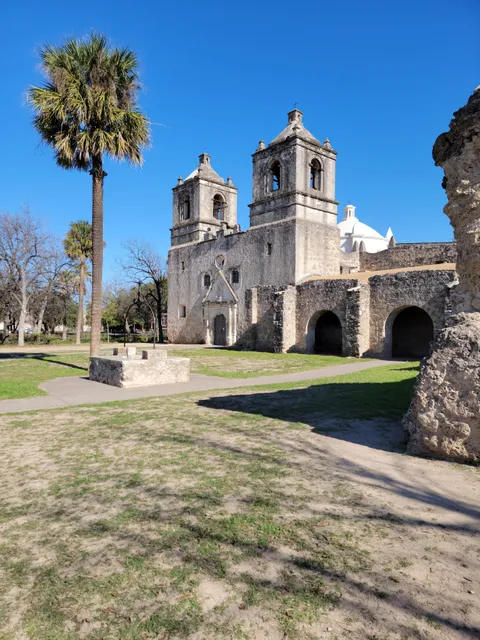
Mission Concepción
4.8
(1.6K)
Closed
Click for details
Nearby restaurants of Yturri-Edmunds House Museum
El Luchador
La Barca De Jalisco
Poetic Republic Coffee Roasters
Camaron Pelado Seafood
El Chunky
Twelve Stone
Coco Loco Sports Bar
Bill Miller BBQ
Whataburger
The Hungry Waffle

El Luchador
4.5
(278)
$
Open until 2:00 AM
Click for details
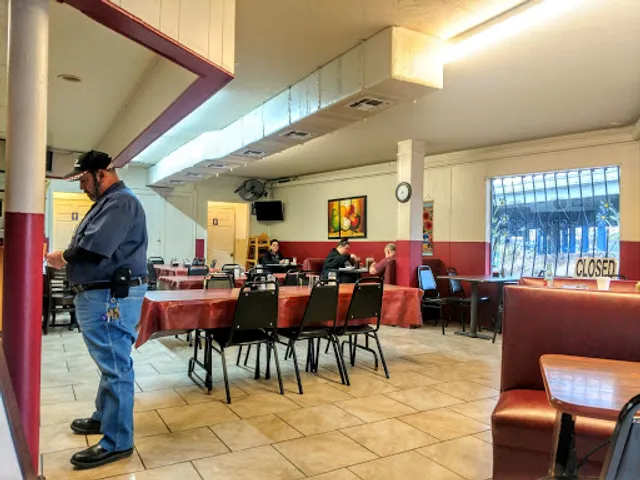
La Barca De Jalisco
4.5
(310)
$
Closed
Click for details
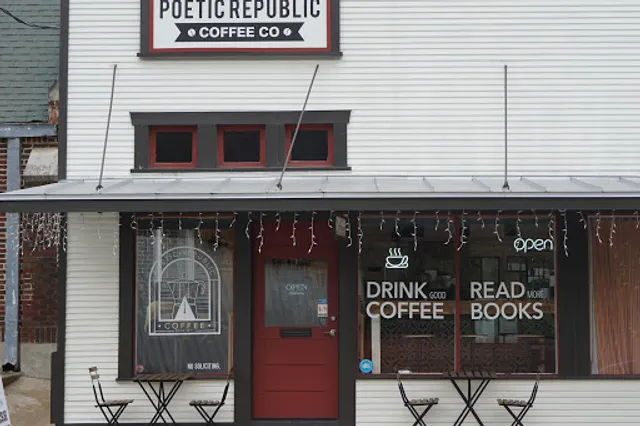
Poetic Republic Coffee Roasters
4.7
(258)
$
Closed
Click for details
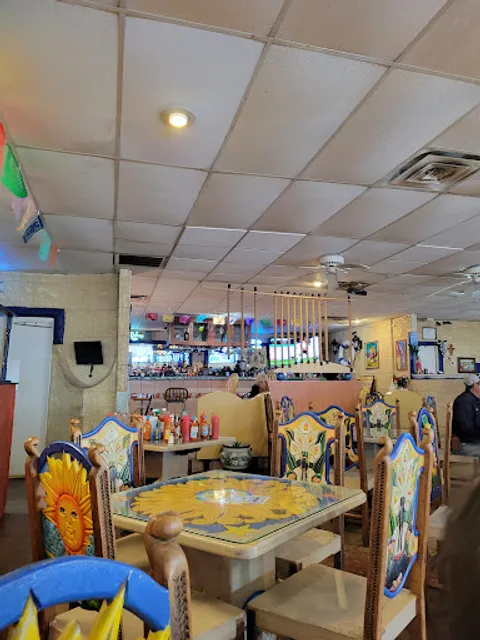
Camaron Pelado Seafood
3.9
(307)
$
Closed
Click for details
Nearby local services of Yturri-Edmunds House Museum
St Cecilia's Catholic Church
Springfield Museums
REFUGE CHURCH
Alamo City's Rocks & Crystals
El Camino de San Antonio Missions
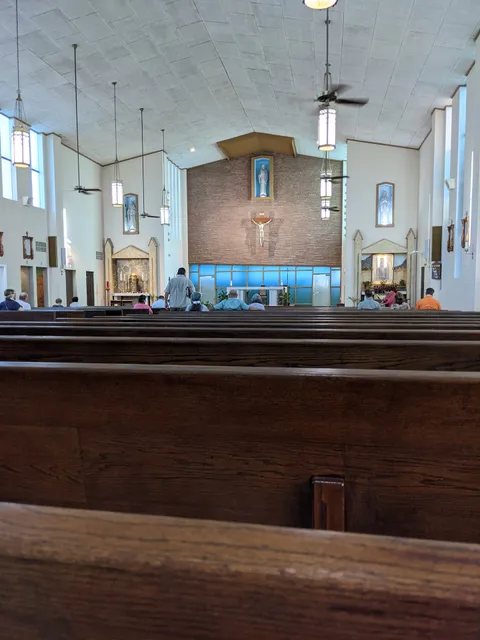
St Cecilia's Catholic Church
4.7
(71)
Click for details
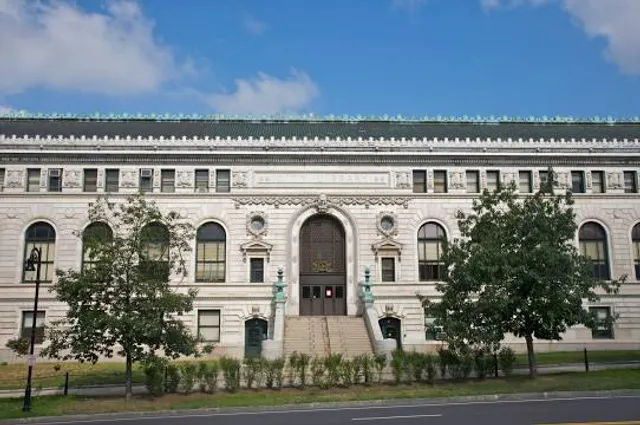
Springfield Museums
4.7
(1.2K)
Click for details
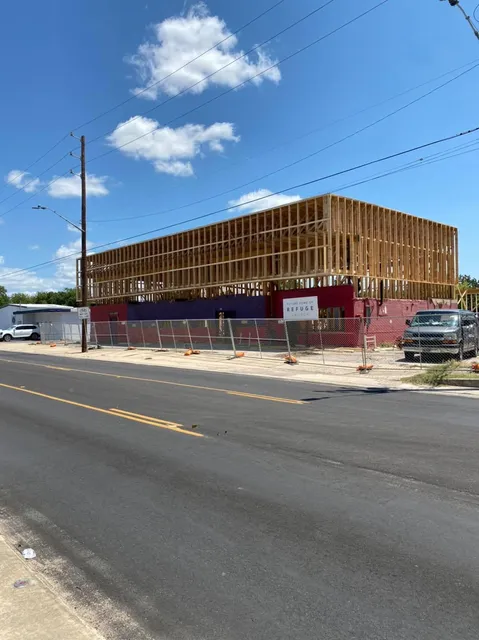
REFUGE CHURCH
4.9
(44)
Click for details
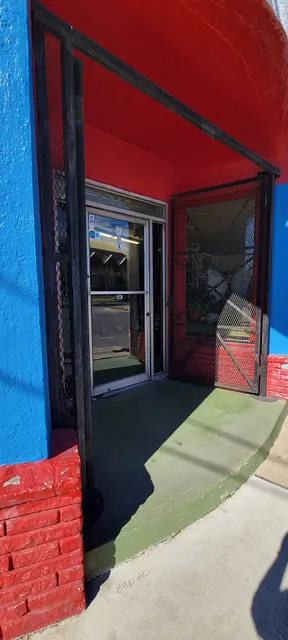
Alamo City's Rocks & Crystals
4.8
(119)
Click for details


The hit list



Plan your trip with Wanderboat
Welcome to Wanderboat AI, your AI search for local Eats and Fun, designed to help you explore your city and the world with ease.
Powered by Wanderboat AI trip planner.