Hopi House things to do, attractions, restaurants, events info and trip planning
Basic Info
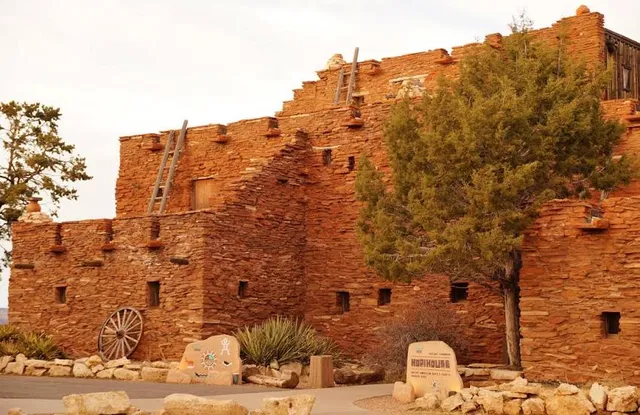
Hopi House
Hopi House, Rim Trail, Grand Canyon Village, AZ 86023
4.6(284)
Closed
Save
spot
spot
Ratings & Description
Info
Hopi House is located on the South Rim of the Grand Canyon, within Grand Canyon National Park in the U.S. state of Arizona.
Cultural
Family friendly
Accessibility
attractions: Grand Canyon Railway, Verkamp's Visitor Center, Lookout Studio, Bright Angel Trailhead, South Rim Trail, Three Mile Resthouse, Grand Canyon Museum Collection, restaurants: El Tovar Dining Room, El Tovar cocktail lounge, Arizona Steakhouse, Grand Canyon Beer Garden, Harvey House Cafe, Fred Harvey Tavern, The Fountain, Maswik Food Court, Maswik Pizza Pub, local businesses: Grand Canyon South Rim, Grand Canyon, Bright Angel Lodge, 1.5 Mile Resthouse, Bright Angel Gift Shop, Grand Canyon Food Pantry, Inc., South Rim Trail, Grand Canyon Community Recreation Center, Rim Trail, Hermit Rd
 Learn more insights from Wanderboat AI.
Phone
(928) 638-2631
Website
grandcanyonlodges.com
Open hoursSee all hours
Fri9 AM - 5 PMClosed
Plan your stay

Pet-friendly Hotels in Tuba City
Find a cozy hotel nearby and make it a full experience.

Affordable Hotels in Tuba City
Find a cozy hotel nearby and make it a full experience.

The Coolest Hotels You Haven't Heard Of (Yet)
Find a cozy hotel nearby and make it a full experience.

Trending Stays Worth the Hype in Tuba City
Find a cozy hotel nearby and make it a full experience.
Reviews
Live events
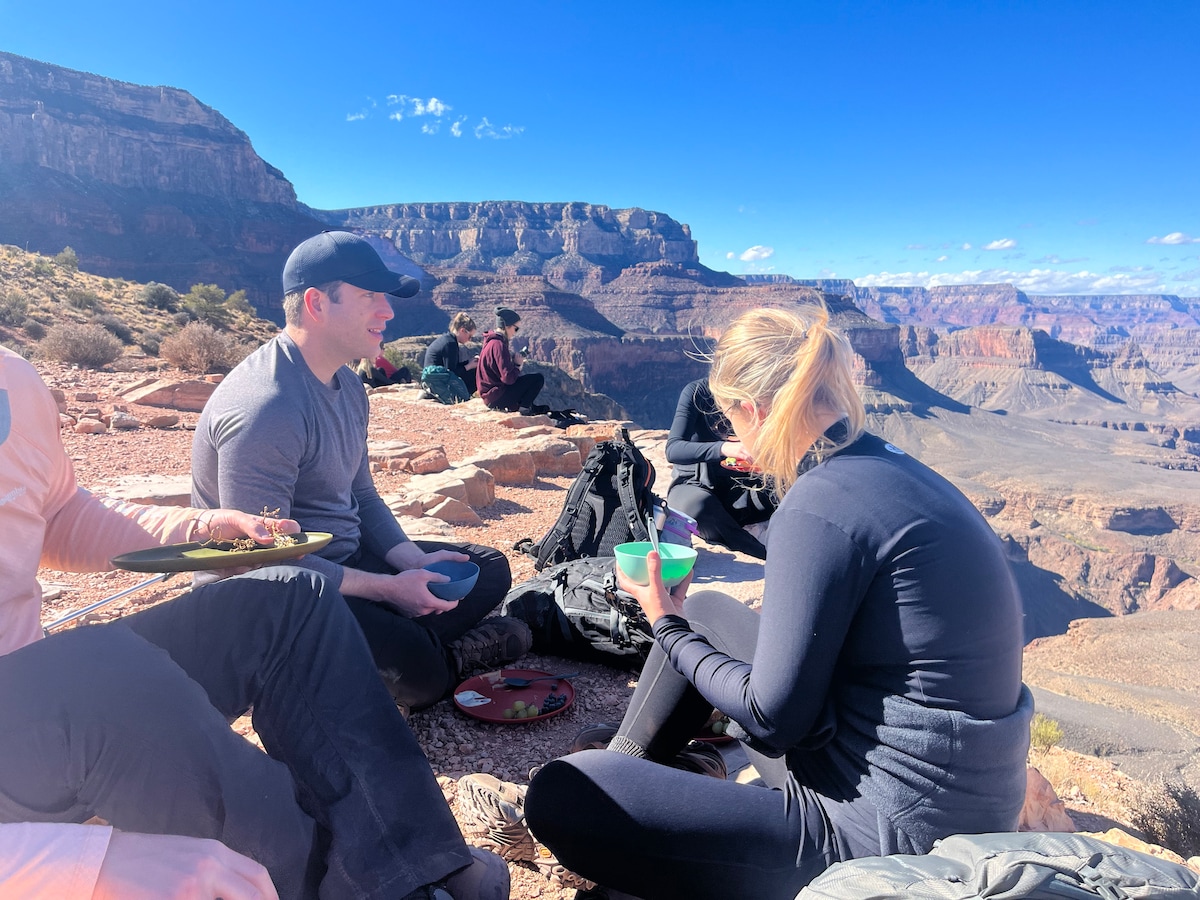
Descend the Grand Canyon on the South Kaibab Trail
Sat, Jan 31 • 8:00 AM
Grand Canyon Village, Arizona, 86023
View details
Nearby attractions of Hopi House
Grand Canyon Railway
Verkamp's Visitor Center
Lookout Studio
Bright Angel Trailhead
South Rim Trail
Three Mile Resthouse
Grand Canyon Museum Collection

Grand Canyon Railway
4.7
(1.2K)
Open 24 hours
Click for details
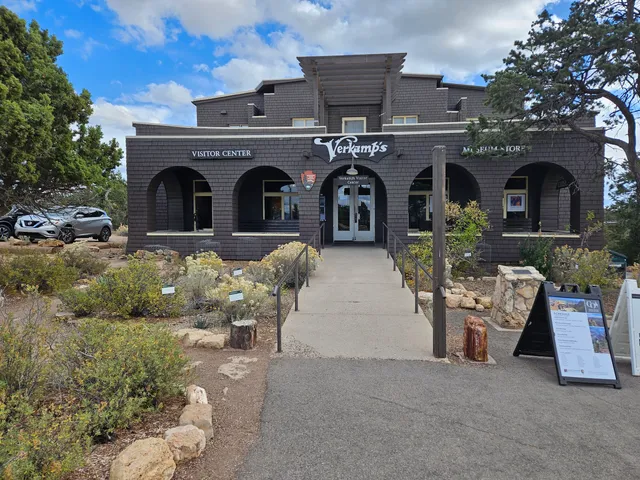
Verkamp's Visitor Center
4.6
(392)
Closed
Click for details
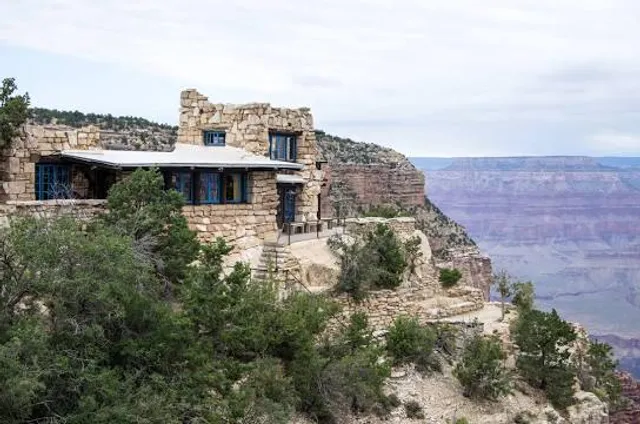
Lookout Studio
4.7
(220)
Closed
Click for details
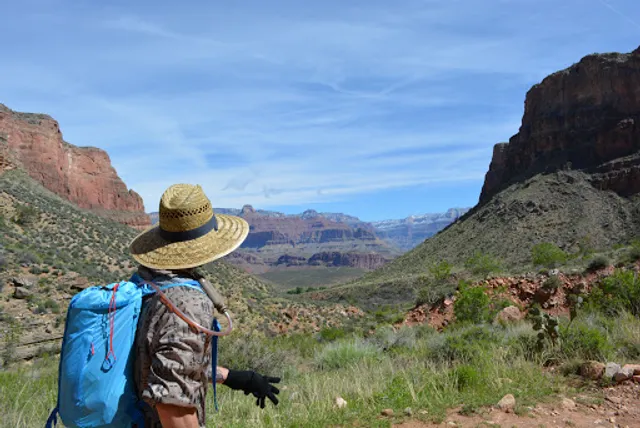
Bright Angel Trailhead
4.9
(2.5K)
Open until 12:00 AM
Click for details
Nearby restaurants of Hopi House
El Tovar Dining Room
El Tovar cocktail lounge
Arizona Steakhouse
Grand Canyon Beer Garden
Harvey House Cafe
Fred Harvey Tavern
The Fountain
Maswik Food Court
Maswik Pizza Pub
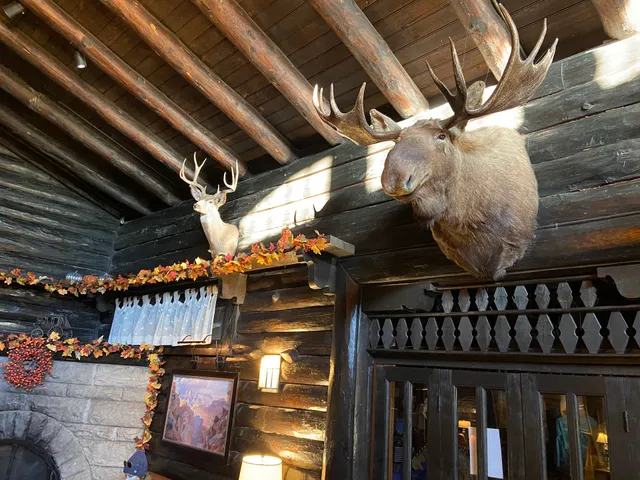
El Tovar Dining Room
4.2
(1.3K)
$$
Closed
Click for details

El Tovar cocktail lounge
3.3
(63)
Closed
Click for details

Arizona Steakhouse
4.0
(728)
$$
Closed
Click for details
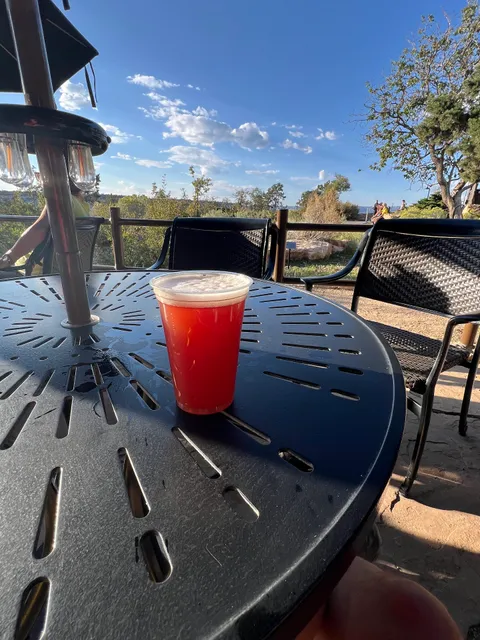
Grand Canyon Beer Garden
4.1
(14)
$
Closed
Click for details
Nearby local services of Hopi House
Grand Canyon South Rim
Grand Canyon
Bright Angel Lodge
1.5 Mile Resthouse
Bright Angel Gift Shop
Grand Canyon Food Pantry, Inc.
South Rim Trail
Grand Canyon Community Recreation Center
Rim Trail
Hermit Rd
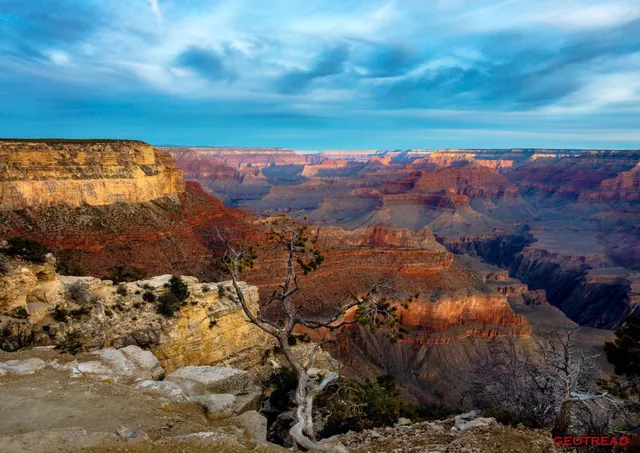
Grand Canyon South Rim
4.9
(736)
Click for details

Grand Canyon
5.0
(17)
Click for details

Bright Angel Lodge
4.4
(678)
Click for details
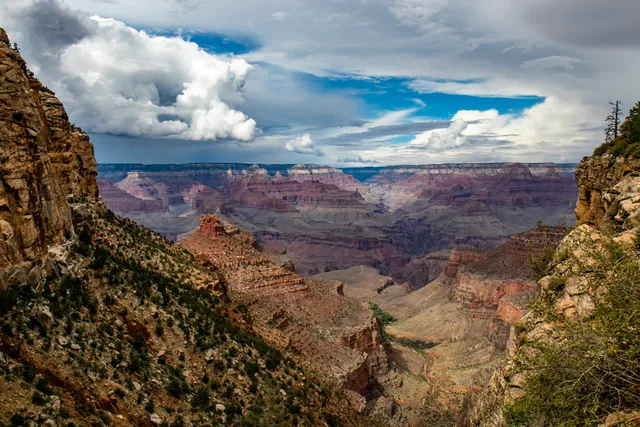
1.5 Mile Resthouse
4.6
(73)
Click for details