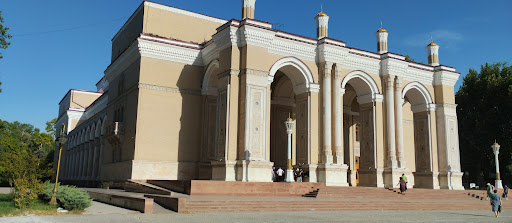
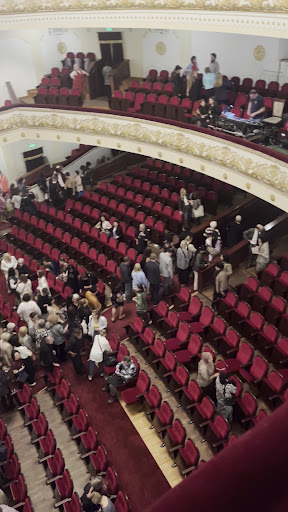
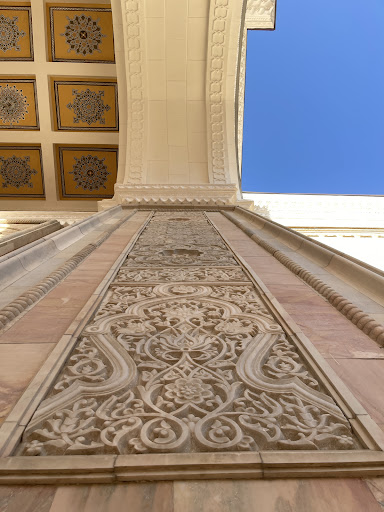
Alisher Navoiy Theater things to do, attractions, restaurants, events info and trip planning
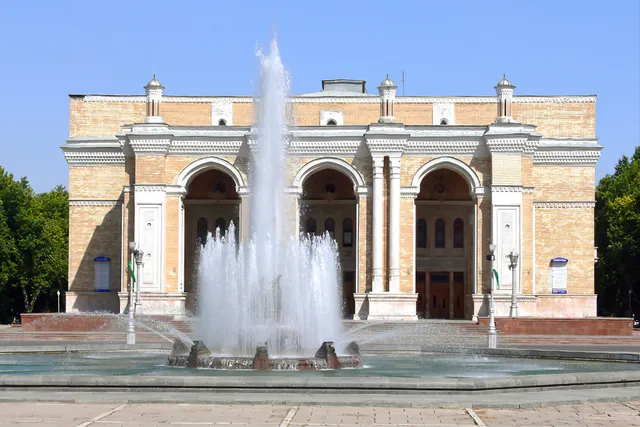
Basic Info
Alisher Navoiy Theater
Moustafa Kamoul Atatürk, Bukhara Street 28, 100029, Tashkent, Uzbekistan
4.7(421)
Open 24 hours

tickets
Save
spot
spot
Ratings & Description
Info
The Navoi Theater is the national opera theater in Tashkent, Uzbekistan.
Cultural
Entertainment
Family friendly
Accessibility
Luxury
attractions: State Museum of the History of Uzbekistan, Park V Tashkente, Amir Temur Square, Tashkent Polytechnic Museum, Mustakillik Fountain, Children’s playground, Palace of Grand Duke Nicholas Constantinovich, State Museum of the Temurids, Amir Temur Monument, Art Gallery of Uzbekistan, restaurants: Ogni Tashkenta - café & restaurant, Florya Cafe, L`Opera ristorante, Navvat Lounge Bar, The Bar Speak Easy, Madbrick Lounge, Bella Notte Italian Restaurant, Bon!, FM Bar, Bon!, local businesses: Central Department Store, Gloss, Zarafshan, Poytakht Shopping Center, Amir Temur Square, Mustakillik maydoni, Kosmonavtlar, Mustaqillik Maydoni, Independence Monument
 Learn more insights from Wanderboat AI.
Phone
+998 71 233 90 81
Website
gabt.uz
Plan your stay

Pet-friendly Hotels in Tashkent
Find a cozy hotel nearby and make it a full experience.

Affordable Hotels in Tashkent
Find a cozy hotel nearby and make it a full experience.

The Coolest Hotels You Haven't Heard Of (Yet)
Find a cozy hotel nearby and make it a full experience.

Trending Stays Worth the Hype in Tashkent
Find a cozy hotel nearby and make it a full experience.
Reviews
Live events

Uzbekistan Tech Certifications Summit 2026: Cloud, Cybersecurity, PM
Wed, Feb 25 • 11:30 AM
University of World Economy and Diplomacy, Ташкент Toshkent UZ, Mustaqillik shoh ko'chasi 54, 100007, г, Toshkent, Uzbekistan
View details
Nearby attractions of Alisher Navoiy Theater
State Museum of the History of Uzbekistan
Park V Tashkente
Amir Temur Square
Tashkent Polytechnic Museum
Mustakillik Fountain
Children’s playground
Palace of Grand Duke Nicholas Constantinovich
State Museum of the Temurids
Amir Temur Monument
Art Gallery of Uzbekistan
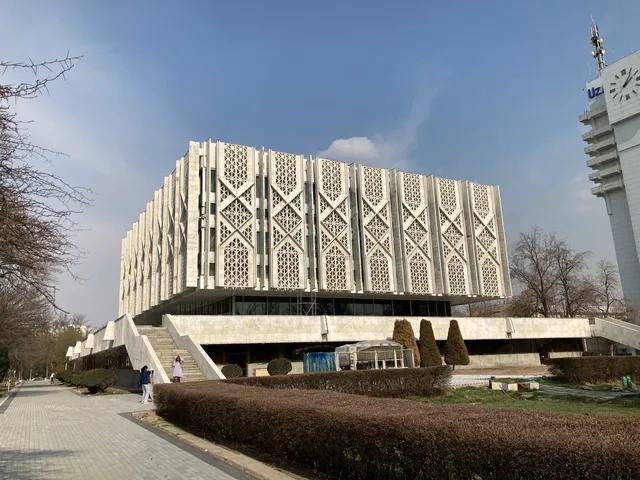
State Museum of the History of Uzbekistan
4.0
(350)
Open 24 hours
Click for details
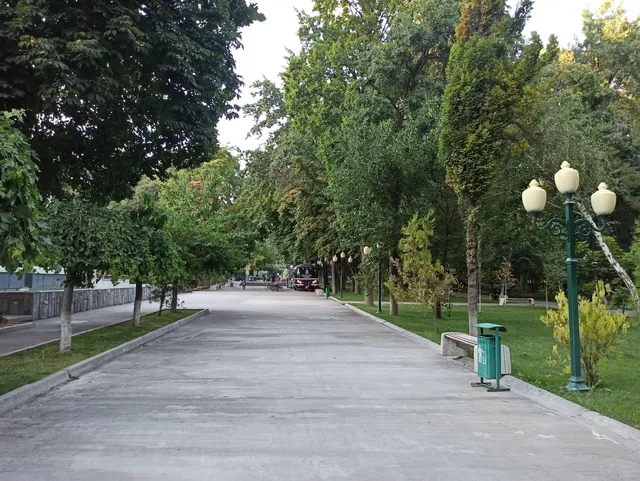
Park V Tashkente
4.8
(35)
Open until 12:00 AM
Click for details
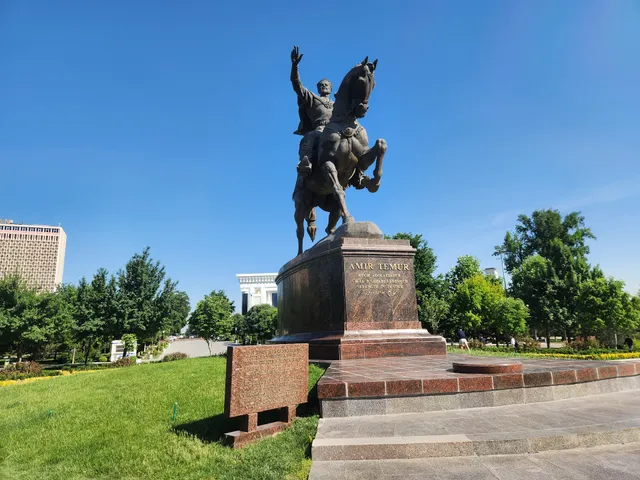
Amir Temur Square
4.6
(1.5K)
Open until 12:00 AM
Click for details
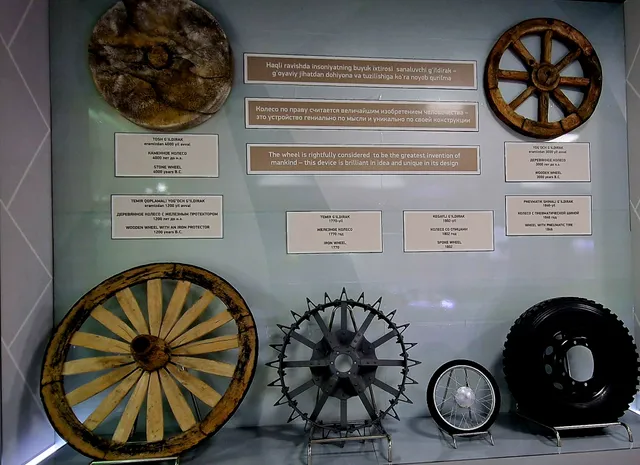
Tashkent Polytechnic Museum
4.5
(195)
Closed
Click for details
Nearby restaurants of Alisher Navoiy Theater
Ogni Tashkenta - café & restaurant
Florya Cafe
L`Opera ristorante
Navvat Lounge Bar
The Bar Speak Easy
Madbrick Lounge
Bella Notte Italian Restaurant
Bon!
FM Bar
Bon!
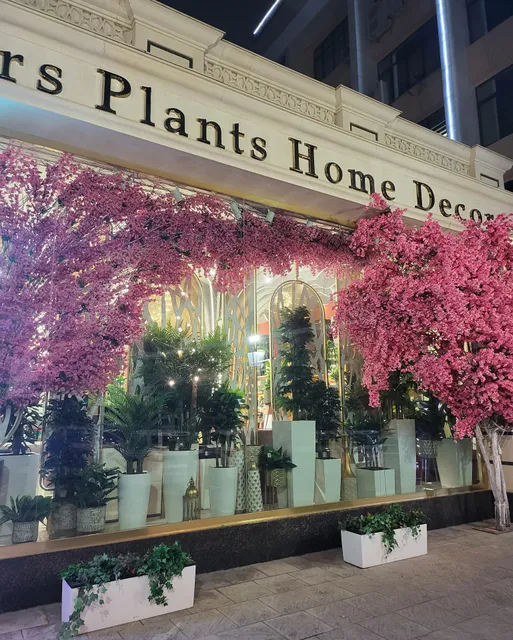
Ogni Tashkenta - café & restaurant
4.2
(214)
Open until 11:00 PM
Click for details
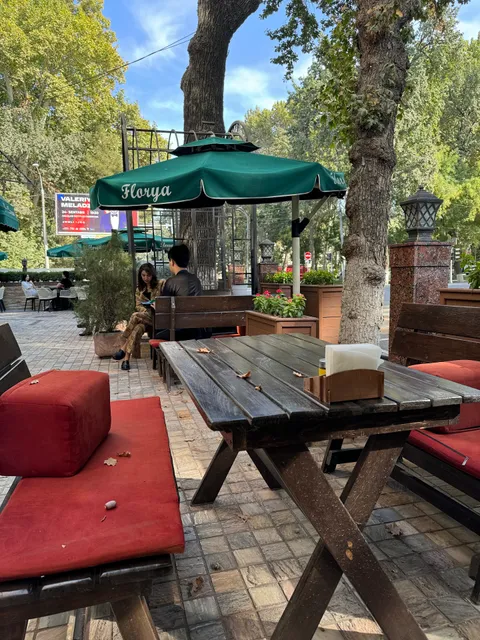
Florya Cafe
4.0
(186)
Open until 12:00 AM
Click for details
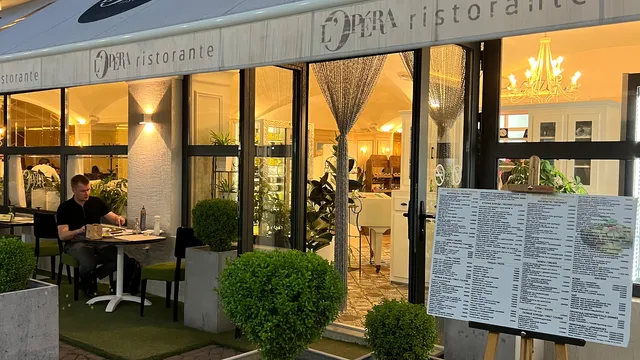
L`Opera ristorante
4.4
(163)
Closed
Click for details
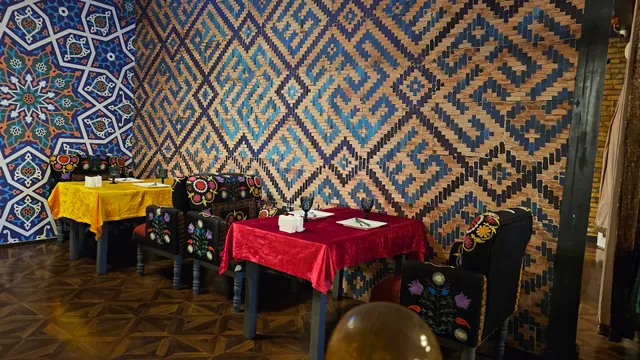
Navvat Lounge Bar
4.1
(305)
Open until 12:00 AM
Click for details
Nearby local services of Alisher Navoiy Theater
Central Department Store
Gloss
Zarafshan
Poytakht Shopping Center
Amir Temur Square
Mustakillik maydoni
Kosmonavtlar
Mustaqillik Maydoni
Independence Monument

Central Department Store
4.2
(243)
Click for details

Gloss
4.8
(9)
Click for details
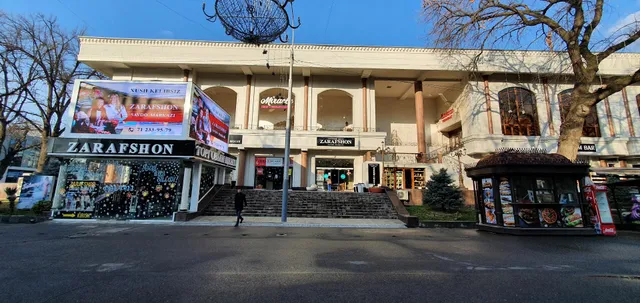
Zarafshan
4.4
(393)
Click for details
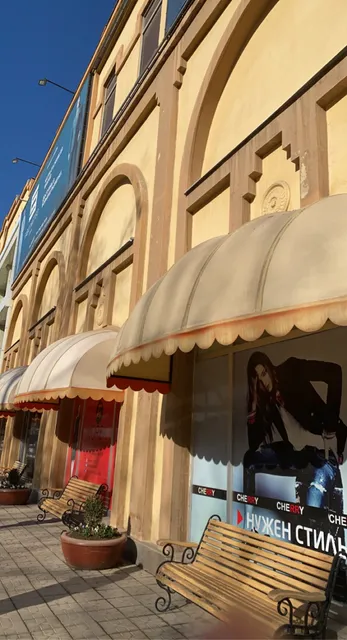
Poytakht Shopping Center
4.2
(315)
Click for details