Ponagar Tower – A Symbol of Cham Culture in Nha Trang
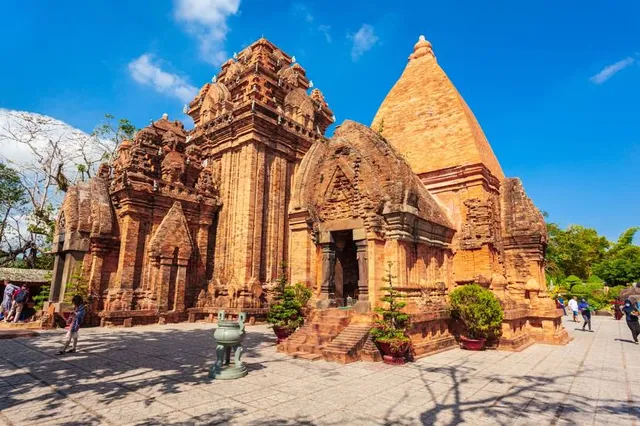
Ponagar Tower is one of the most prominent historical and cultural relics of the Cham people, reflecting the flourishing Cham Pa art and architecture from the 7th to the 12th centuries. Located on the Cù Lao hill (about 10–12 meters high), by the Cai River in Vinh Phuoc Ward, Nha Trang City, Khanh Hoa Province, the site is just about 2 kilometers north of downtown Nha Trang.
⸻
Opening Hours & Ticket Price • Opening hours: 6:00 AM – 5:30 PM daily • During Tet (Lunar New Year): Open until 9:00 PM to accommodate visitors
Entrance fee: • Adults: 30,000 VND/person • Children: 15,000 VND/person
⸻
Overview & Historical Significance
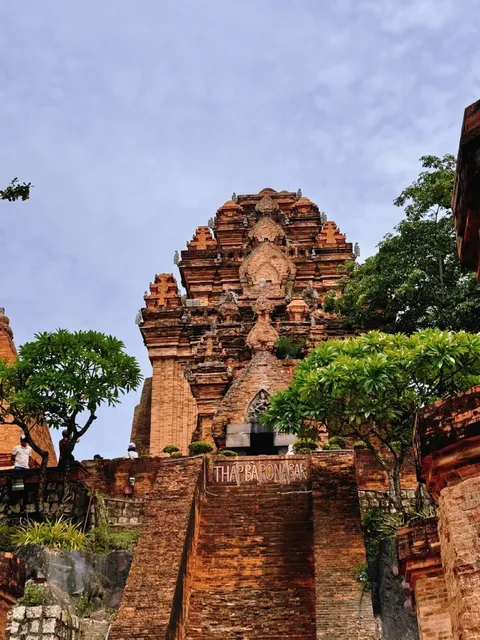
Ponagar Tower was constructed between the 8th and 13th centuries and is considered a masterpiece of Cham architecture. The name “Ponagar” means “The Mother of the Country” in the Cham language, referring to Goddess Po Ina Nagar, revered as the deity who created the Earth, plants, and taught people agriculture and weaving.
⸻
Unique Architecture
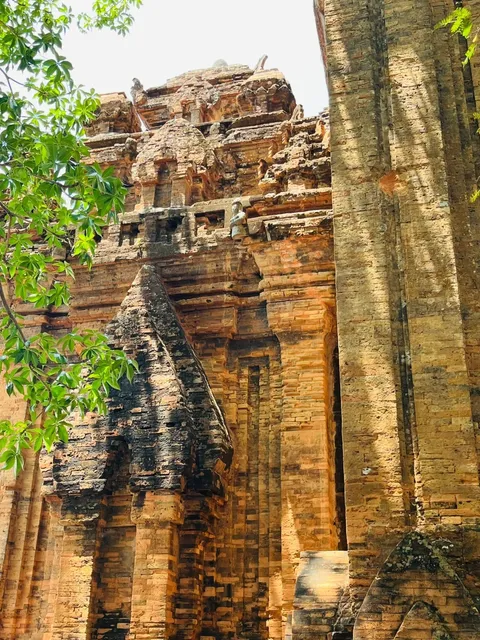
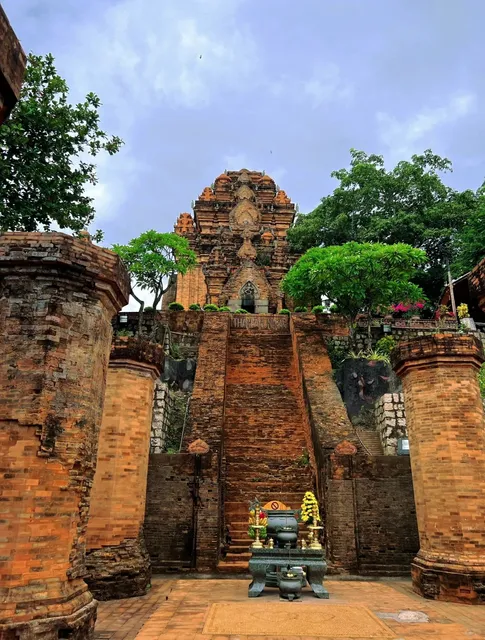
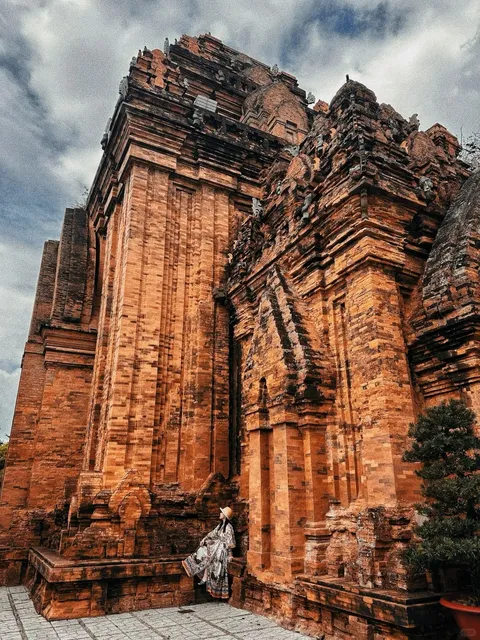
The Ponagar complex consists of three main levels: The Lower Level: This level originally had a gate and a flight of stairs leading to the middle terrace, but only the foundations remain today. The Middle Level (Mandapa): A rectangular hall where pilgrims used to rest and prepare offerings. The hall includes 4 rows of pillars: 12 smaller outer octagonal ones and 10 large inner columns. The Upper Level: This is the sanctuary area with the main towers. The largest tower is about 23 meters high and dedicated to the goddess Ponagar. These towers were built from red bricks without any adhesive, showcasing the advanced construction techniques of the Cham people.
⸻
Ponagar Festival
Held annually from the 20th to the 23rd of the 3rd lunar month, the Ponagar Festival features traditional rituals and cultural performances such as Cham dances, spiritual singing, and offering ceremonies. It attracts thousands of visitors and devotees each year, honoring the Goddess Po Ina Nagar.
⸻
Visiting Tips • Dress code: Wear modest and respectful clothing suitable for religious sites. • Best time to visit: Early morning or late afternoon to avoid the midday heat. • Respect the site: Do not touch ancient relics, litter, or cause damage to the structure.
⸻
Ponagar Tower is not only an architectural marvel but also a vital spiritual and cultural symbol for the people of Nha Trang. If you’re visiting this coastal city, don’t miss the chance to explore the sacred and serene atmosphere of this...
Read moreThe Tháp Bà Ponagar complex is located just a few kilometers from Nha Trang city center, making it easily accessible by taxi or motorbike. It’s a popular stop for tourists who are exploring Nha Trang’s many cultural and natural attractions. The site is open daily, and tickets are reasonably priced, making it a budget-friendly option for visitors.
Nearby Attractions After visiting the Ponagar Towers, many tourists explore other nearby attractions such as the Nha Trang hot springs or take a boat ride along the Cai River. These activities can easily be combined into a half-day or full-day excursion.
Best Time to Visit The best time to visit is in the early morning or late afternoon when the sun isn’t too harsh, and you can fully enjoy the complex without the midday heat. This is also when the lighting is perfect for photography, especially with the golden sunlight casting shadows on the red brick towers.
Overall Impression Tháp Bà Ponagar offers a mix of cultural, historical, and spiritual experiences. Whether you’re interested in ancient architecture, religious history, or just want a peaceful place to admire beautiful views, this temple complex has something to offer. The combination of its rich history, religious significance, and impressive architecture makes it one of Nha Trang’s most captivating attractions.
Conclusion: Tháp Bà Ponagar is a must-visit for anyone interested in Vietnam’s ancient civilizations and spiritual heritage. The beauty of the temple complex, its serene atmosphere, and the cultural richness it embodies make it a memorable stop on any tour of Nha Trang. Whether you are exploring the religious significance of the site or just appreciating the intricate architecture and the views, Tháp Bà Ponagar is a place where history and culture...
Read moreMy first visit to the Po Nagar Cham Towers in Nha Trang left me with a deep and lasting impression. As I entered the site, I was immediately struck by the sense of history and sacredness that surrounded the towers. Standing tall on a small hill overlooking the Cai River, the ancient red-brick structures seemed to carry the weight of centuries, whispering stories of the Cham civilization that once flourished in this land.
The towers themselves are remarkably well-preserved, considering they were built between the 7th and 12th centuries. Their unique architecture, with intricate carvings and statues, reflects the Cham people’s devotion to Hindu deities and their advanced craftsmanship. As I walked around the towers, I felt as if I were stepping back in time, connecting with a culture that has shaped part of Vietnam’s heritage. The fragrance of burning incense, the sight of locals and pilgrims praying, and the sound of traditional music created an atmosphere that was both mystical and peaceful.
What impressed me most was the harmony between history and spirituality. The towers are not just ruins from the past; they are still alive, serving as a place of worship and cultural pride for many people. This living heritage made my experience even more meaningful, as I realized that the Cham culture continues to influence and inspire Vietnam today.
Visiting Po Nagar was more than just sightseeing—it was a journey into the soul of an ancient civilization. I left the site with admiration for the artistry, resilience, and spiritual depth of the Cham people. The towers, standing tall against time, are a reminder of the richness of Vietnamese history and the importance of preserving it for future generations. It was truly an...
Read more