Multan Karvansarayi things to do, attractions, restaurants, events info and trip planning
Basic Info
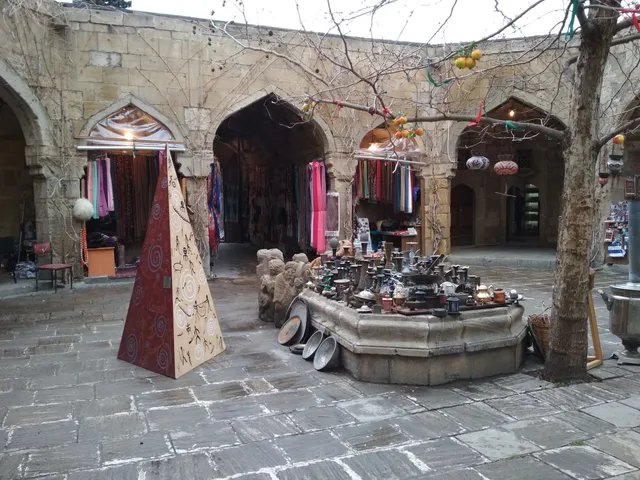
Multan Karvansarayi
9R8P+RWJ, Baku 1000, Azerbaijan
4.1(28)
Closed
Save
spot
spot
Ratings & Description
Info
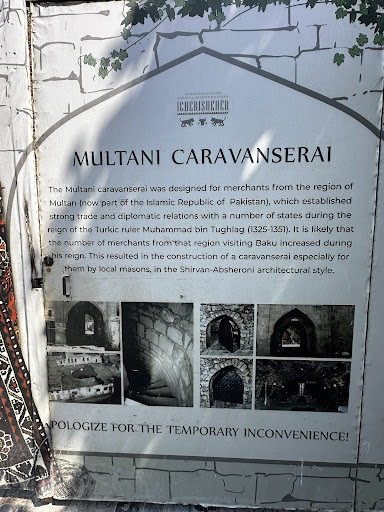
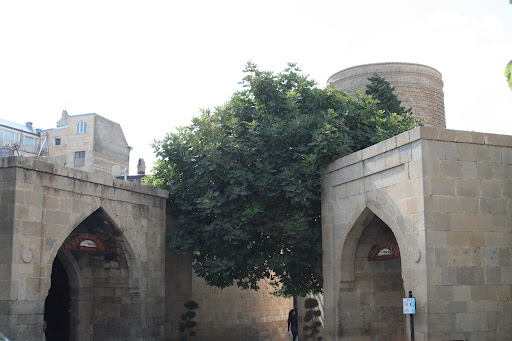
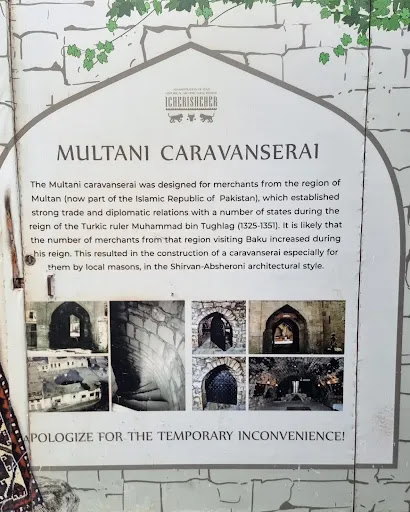
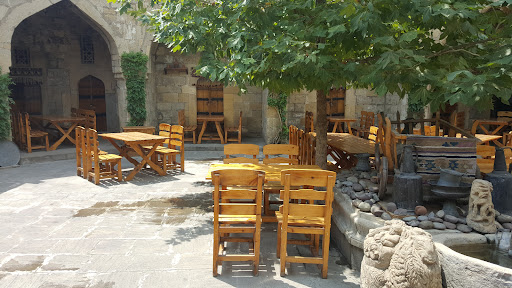
The Multani Caravanserai is a caravanserai located in Baku, Azerbaijan. It was established in the 14th century and is located opposite to the Bukhara Caravanserai. The caravanserai was built to house merchants from the medieval city of Multan who frequented the region for trade, and used this caravanserai as a stop.
Cultural
Accessibility
attractions: Azerbaijan State Puppet Theatre, Museum of Archaeology and Anthropology, White Lilies Fountain, Palace of the Shirvanshahs, Juma Mosque, Old City Baku, National Museum of History of Azerbaijan, Nizami Museum of Azerbaijani Literature, Muhammad Mosque, Dənizkənarı Milli Park, restaurants: Tea Garden 145, Restaurant Old Garden, LaQuzu, JazzBaku, Terrace 145, Paris Bistro, Qaynana Restaurant, Barfly Social Hub, Best Place Baku Restaurant & Jazz Club, Book and Coffee, local businesses: Maiden Tower, Bukhara Caravanserai, My Tour Baku, Fluffy Baku, Seaside boulevard, Baku Free Tours, Paul's Baku Steakhouse, Ismailiyya Palace, mahalli shop, CaucAsian Guide
 Learn more insights from Wanderboat AI.
Open hoursSee all hours
Tue9 AM - 6 PMClosed
Plan your stay

Pet-friendly Hotels in Baku City
Find a cozy hotel nearby and make it a full experience.

Affordable Hotels in Baku City
Find a cozy hotel nearby and make it a full experience.

The Coolest Hotels You Haven't Heard Of (Yet)
Find a cozy hotel nearby and make it a full experience.

Trending Stays Worth the Hype in Baku City
Find a cozy hotel nearby and make it a full experience.
Reviews
Live events
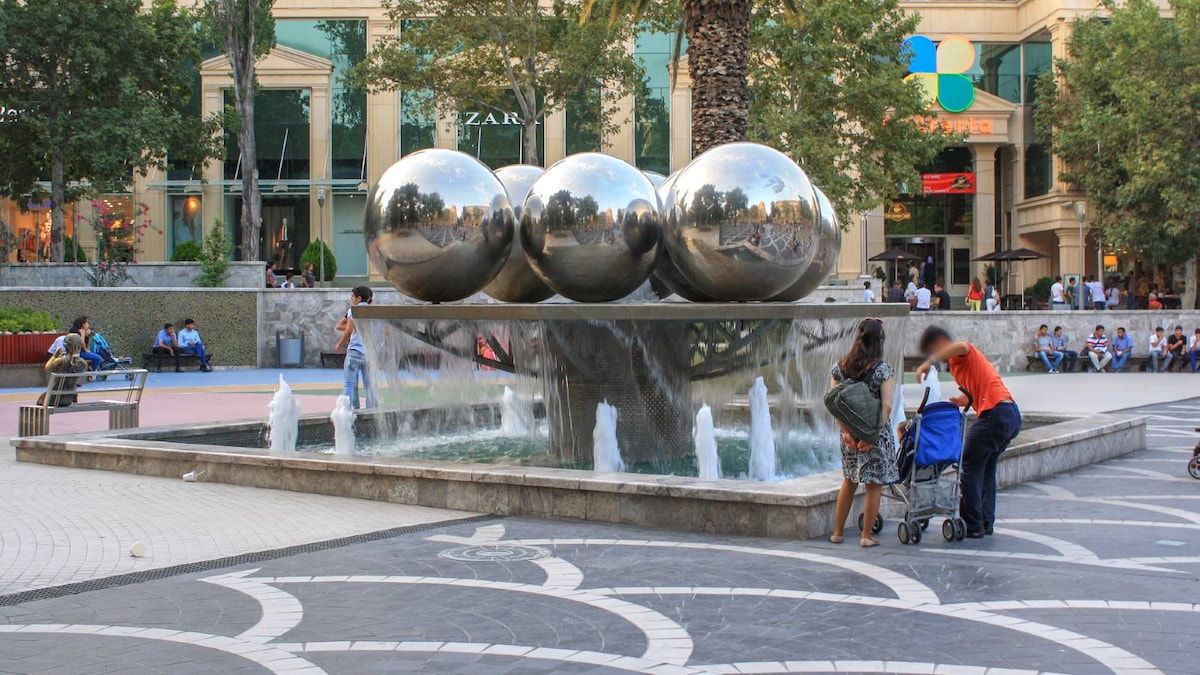
Old and Modern Baku City Tour
Tue, Feb 24 • 10:00 AM
Baku, 1005, Azerbaijan
View details
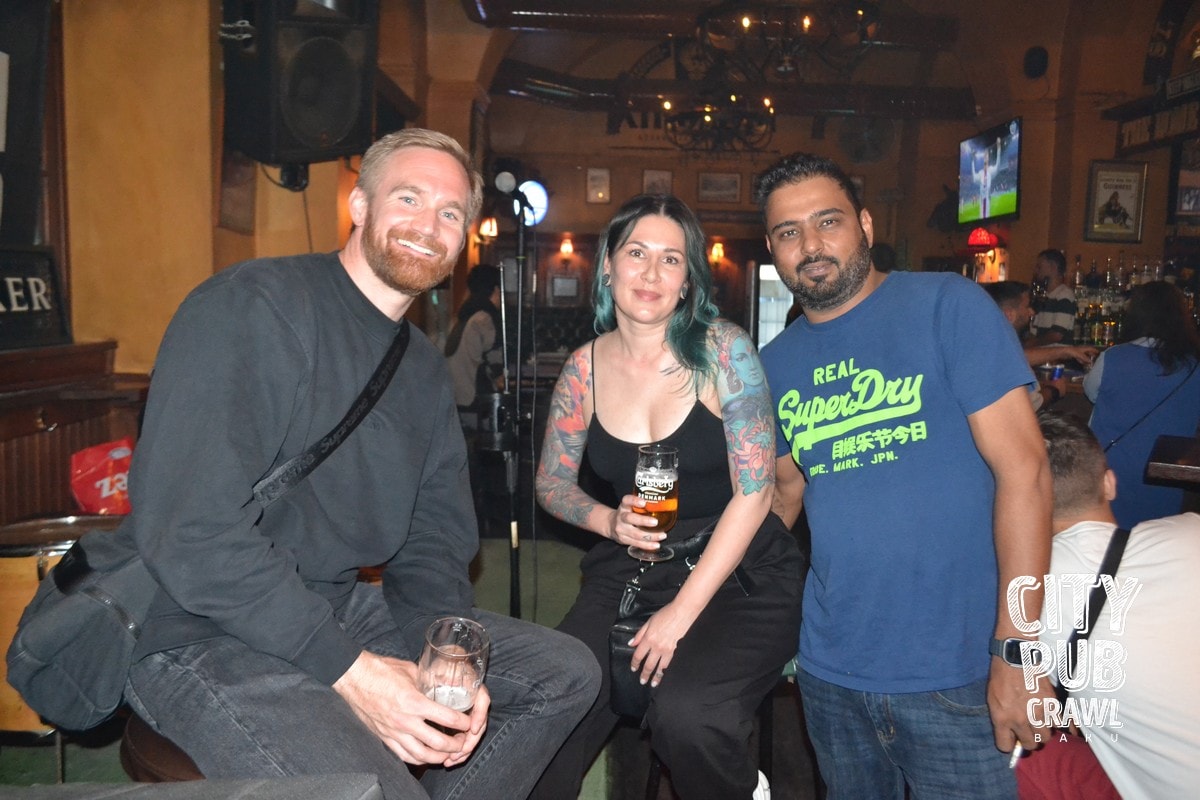
Baku City Pub Crawl
Sat, Feb 28 • 9:00 PM
Baku, , Azerbaijan
View details
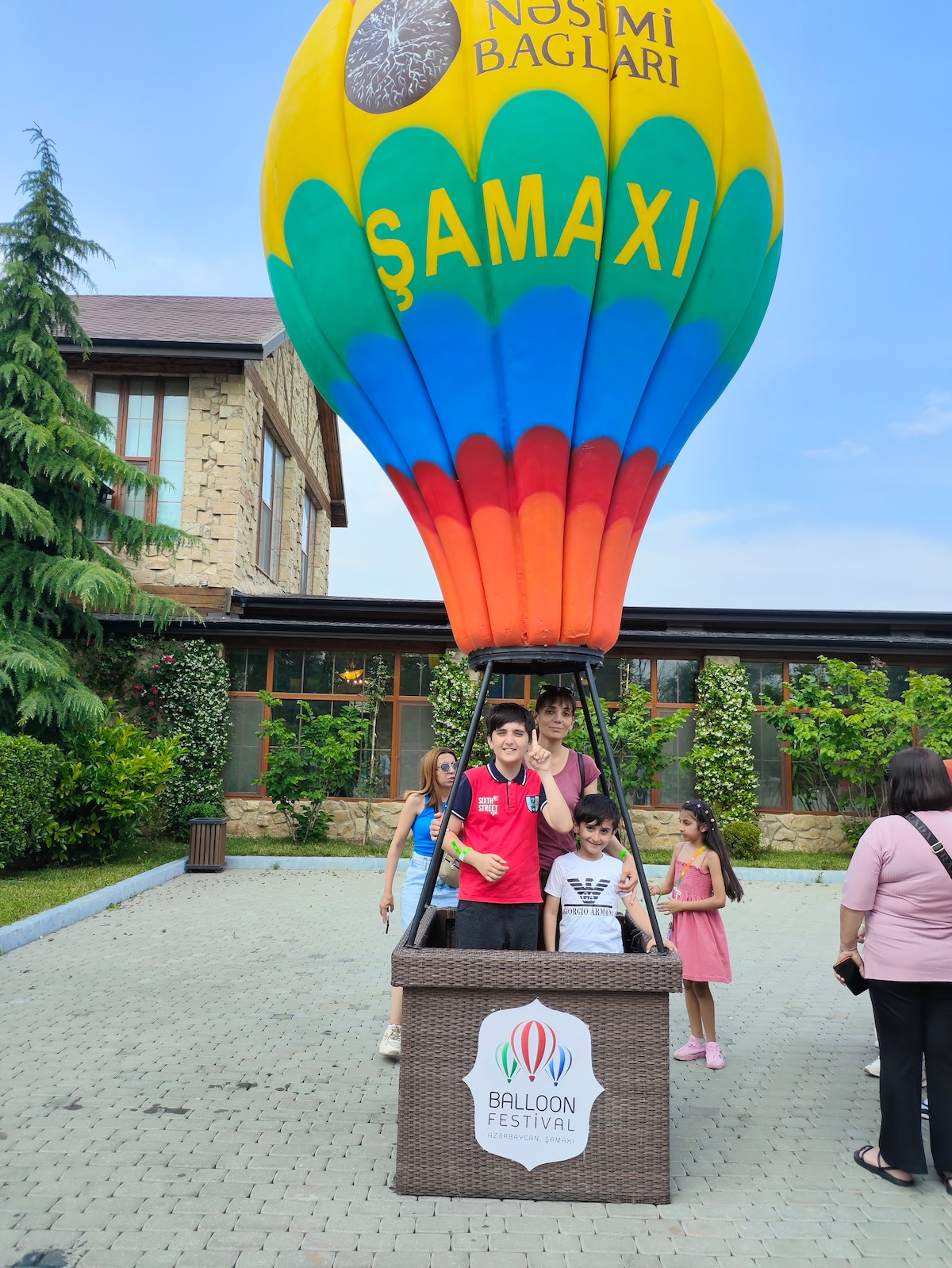
Gabala Guided Day Tour via Shamakhi
Tue, Feb 24 • 8:00 AM
Baku, 1000, Azerbaijan
View details
Nearby attractions of Multan Karvansarayi
Azerbaijan State Puppet Theatre
Museum of Archaeology and Anthropology
White Lilies Fountain
Palace of the Shirvanshahs
Juma Mosque
Old City Baku
National Museum of History of Azerbaijan
Nizami Museum of Azerbaijani Literature
Muhammad Mosque
Dənizkənarı Milli Park
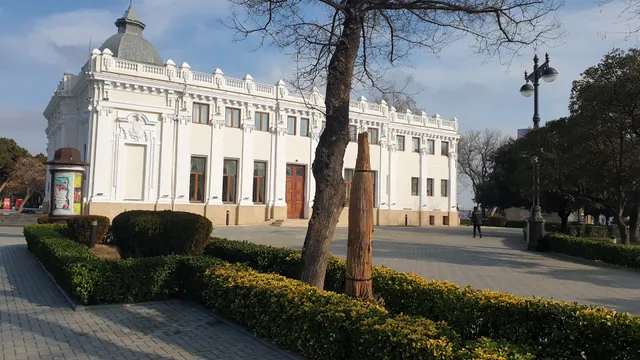
Azerbaijan State Puppet Theatre
4.7
(253)
Open 24 hours
Click for details
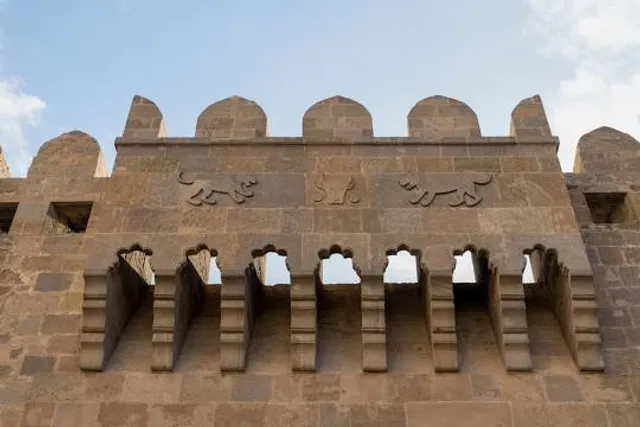
Museum of Archaeology and Anthropology
3.9
(51)
Open until 12:00 AM
Click for details
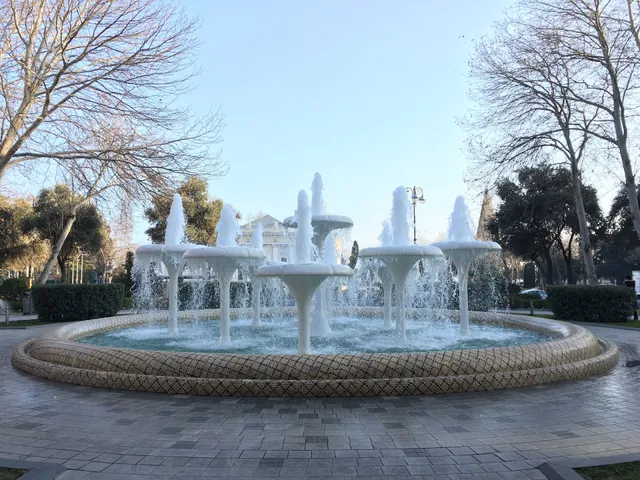
White Lilies Fountain
4.6
(51)
Open until 12:00 AM
Click for details
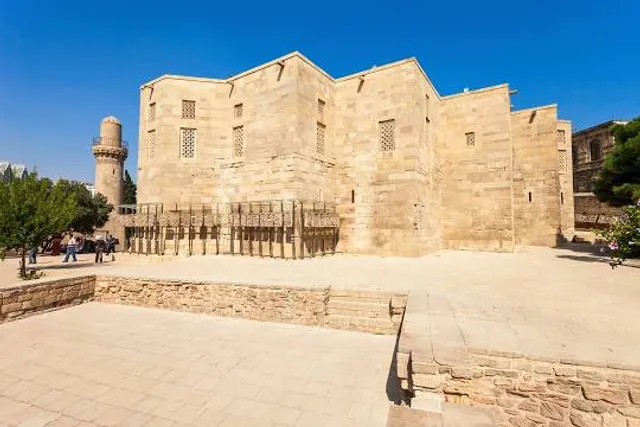
Palace of the Shirvanshahs
4.4
(1.5K)
Closed
Click for details
Nearby restaurants of Multan Karvansarayi
Tea Garden 145
Restaurant Old Garden
LaQuzu
JazzBaku
Terrace 145
Paris Bistro
Qaynana Restaurant
Barfly Social Hub
Best Place Baku Restaurant & Jazz Club
Book and Coffee
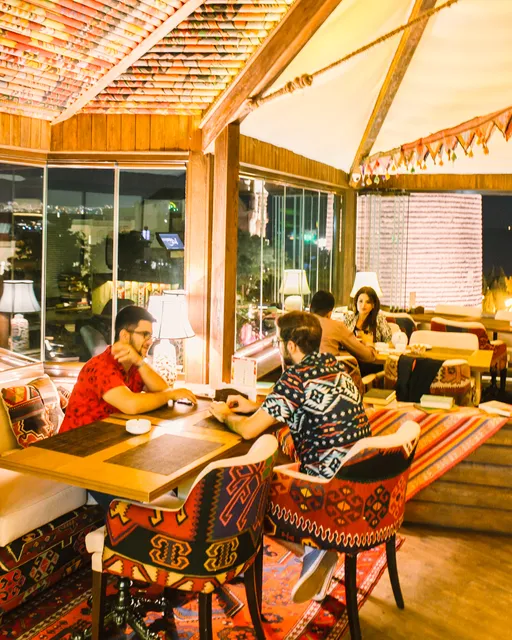
Tea Garden 145
4.5
(1.1K)
$$
Closed
Click for details
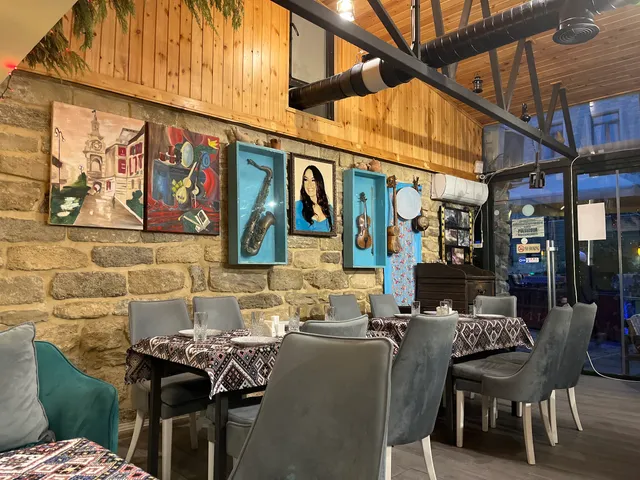
Restaurant Old Garden
4.6
(326)
Closed
Click for details
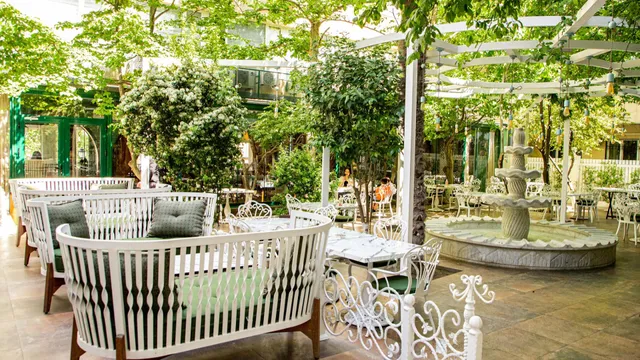
LaQuzu
4.4
(469)
Open until 12:00 AM
Click for details
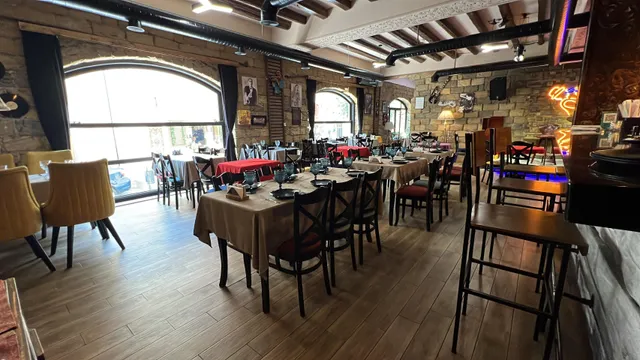
JazzBaku
4.8
(252)
Closed
Click for details
Nearby local services of Multan Karvansarayi
Maiden Tower
Bukhara Caravanserai
My Tour Baku
Fluffy Baku
Seaside boulevard
Baku Free Tours
Paul's Baku Steakhouse
Ismailiyya Palace
mahalli shop
CaucAsian Guide
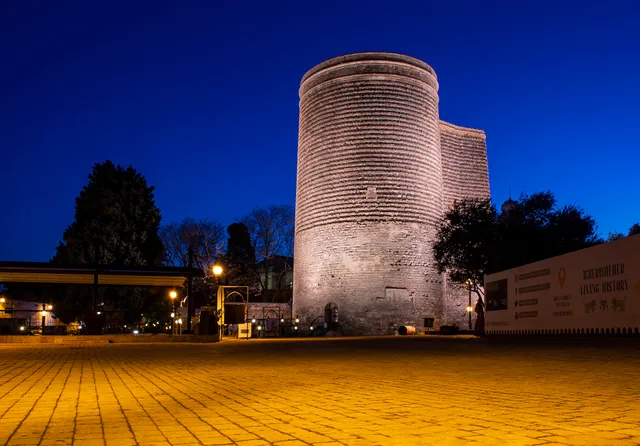
Maiden Tower
4.4
(564)
Click for details
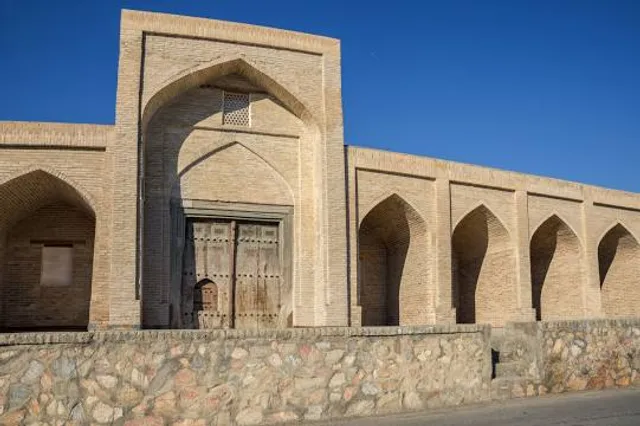
Bukhara Caravanserai
4.1
(21)
Click for details
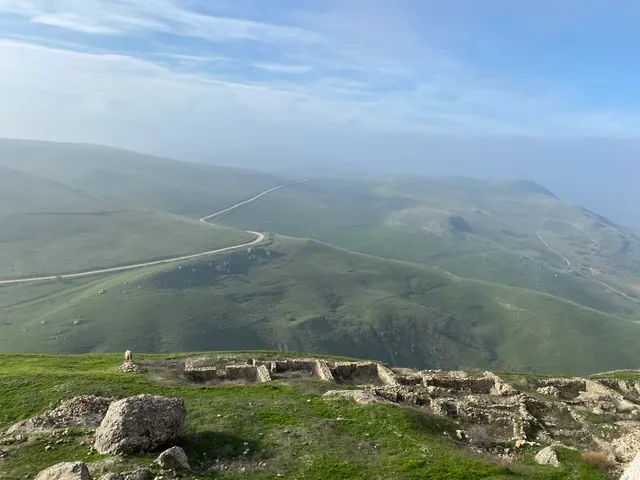
My Tour Baku
4.9
(506)
Click for details
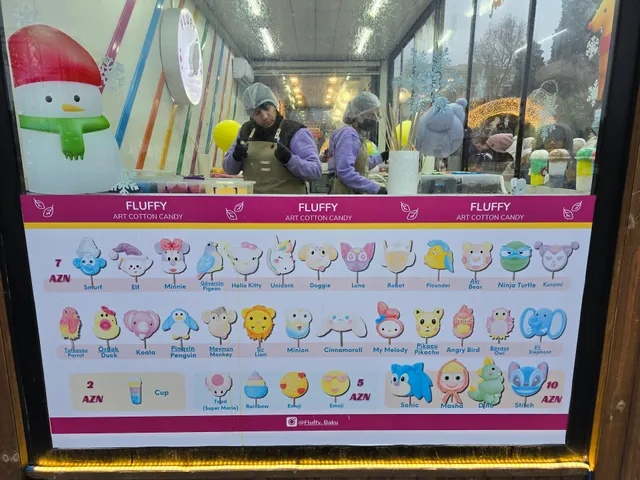
Fluffy Baku
4.0
(13)
Click for details