Museum of Archeology of the University of Catania things to do, attractions, restaurants, events info and trip planning
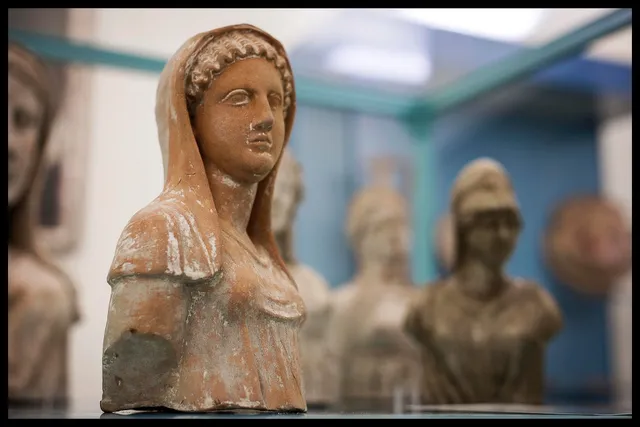
Basic Info
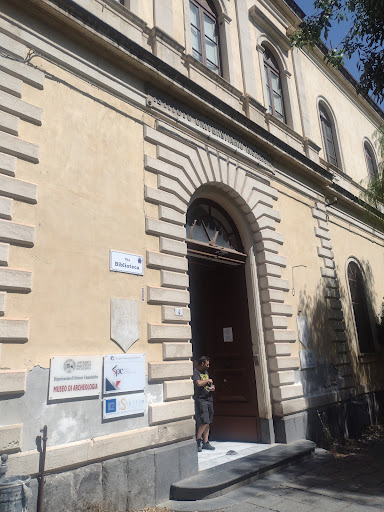
Museum of Archeology of the University of Catania
Palazzo Ingrassia, Via Biblioteca, 4, 95124 Catania CT, Italy
4.0(15)
Open until 12:00 AM
Save
spot
spot
Ratings & Description
Info
Cultural
Family friendly
Accessibility
attractions: Benedictine Monastery of San Nicolò l'Arena, Officine Culturali Società Cooperativa Sociale, Greek - Roman theatre, Archaeological Complex Terme della Rotonda, Chiesa di Sant'Agata la Vetere, Roman Amphitheater of Catania, Church of Saint Julian, Piazza Università, Villa Cerami, Fountain of the Elephant, restaurants: Ciuri coffee&more*, Re Carlo V, Achille, Dal Tenerissimo, Cafè San Nicolò, Trattoria Lo Chef, Ristorante Trattoria La terrazza del barone, Pancare – Sicily Food, docalquadrato, Iris-Doc Sicilian Street Food, local businesses: Church of Saint Nicholas the Arena, Piazza Dante, Church of Saint Agatha 'la Vetere', Candy Shop International, Tocal Supermercati, Via Crociferi, Église Sainte-Agathe-de-la-Fournaise, COOP Supermarket, Luca Barra Gioielli Store Catania, SaiaVogue
 Learn more insights from Wanderboat AI.
Phone
+39 095 710 2767
Website
officineculturali.net
Open hoursSee all hours
Wed9 AM - 1 PMOpen
Plan your stay

Pet-friendly Hotels in Catania
Find a cozy hotel nearby and make it a full experience.

Affordable Hotels in Catania
Find a cozy hotel nearby and make it a full experience.

The Coolest Hotels You Haven't Heard Of (Yet)
Find a cozy hotel nearby and make it a full experience.

Trending Stays Worth the Hype in Catania
Find a cozy hotel nearby and make it a full experience.
Reviews
Live events
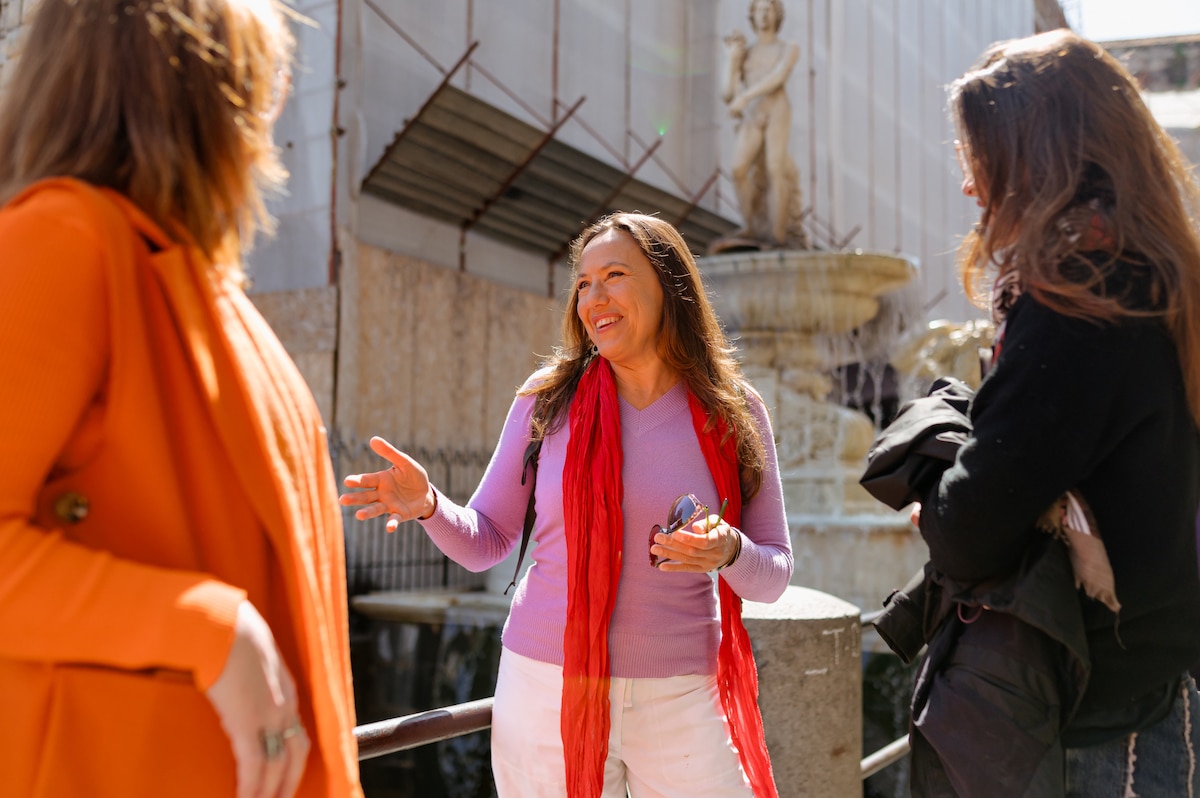
Discover Catania and enjoy the best street food
Thu, Jan 29 • 10:00 AM
95121, Catania, Sicily, Italy
View details
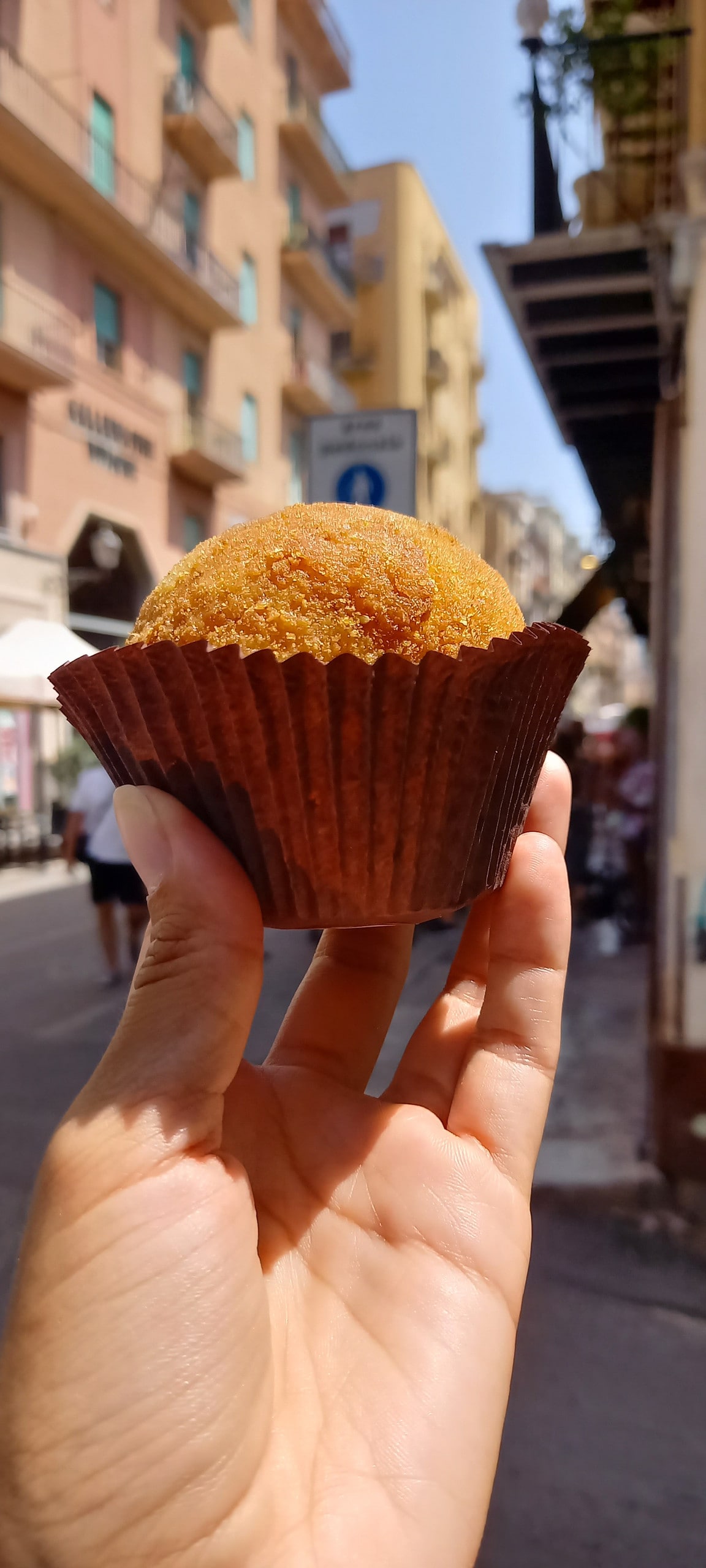
Catania Street Food Tour with a Local - Full Meal
Wed, Jan 28 • 11:45 AM
95100, Catania, Sicily, Italy
View details
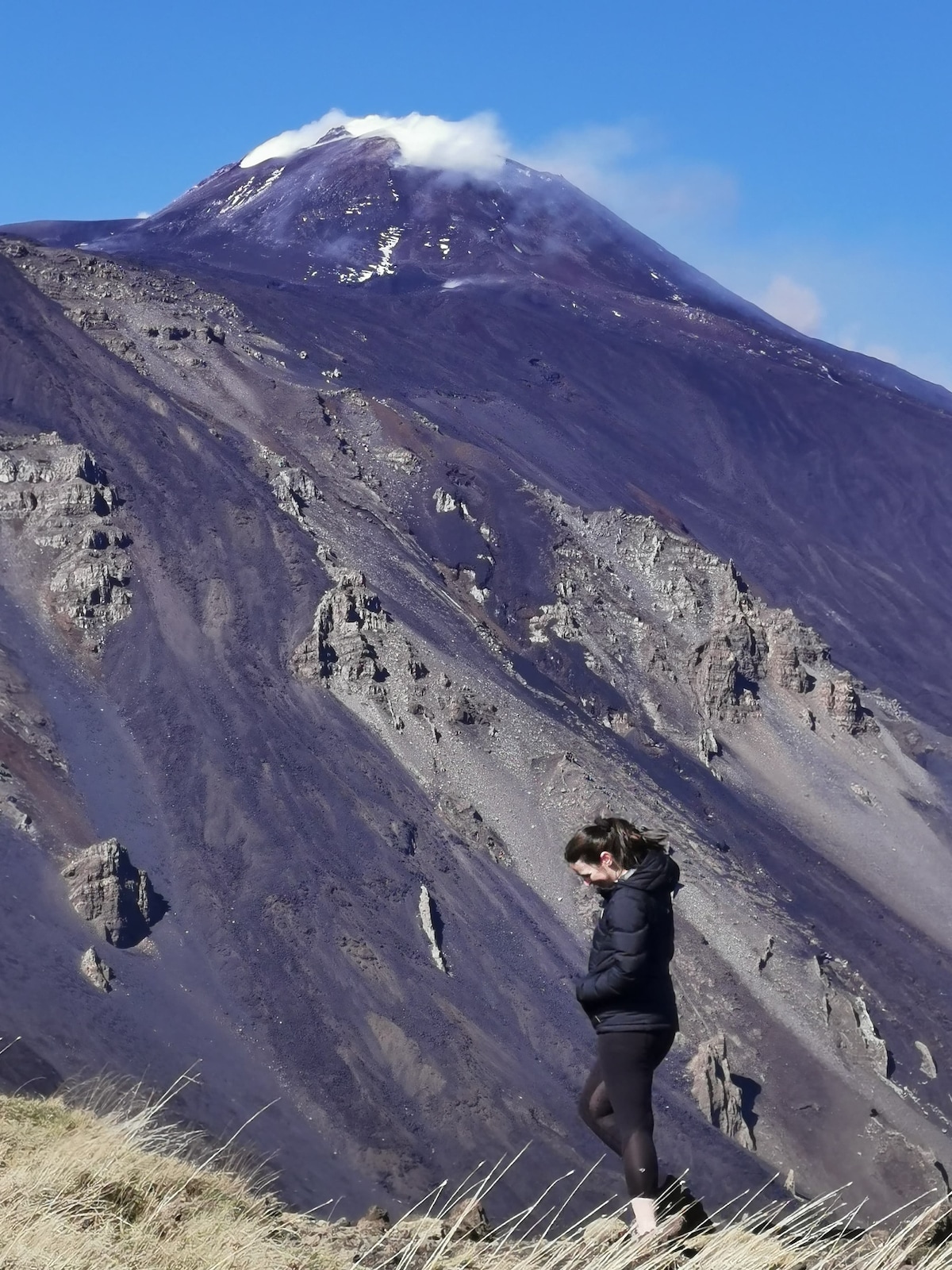
Mount Etna Hike Tour Off the Tourists Path
Wed, Jan 28 • 8:15 AM
95131, Catania, Sicily, Italy
View details
Nearby attractions of Museum of Archeology of the University of Catania
Benedictine Monastery of San Nicolò l'Arena
Officine Culturali Società Cooperativa Sociale
Greek - Roman theatre
Archaeological Complex Terme della Rotonda
Chiesa di Sant'Agata la Vetere
Roman Amphitheater of Catania
Church of Saint Julian
Piazza Università
Villa Cerami
Fountain of the Elephant
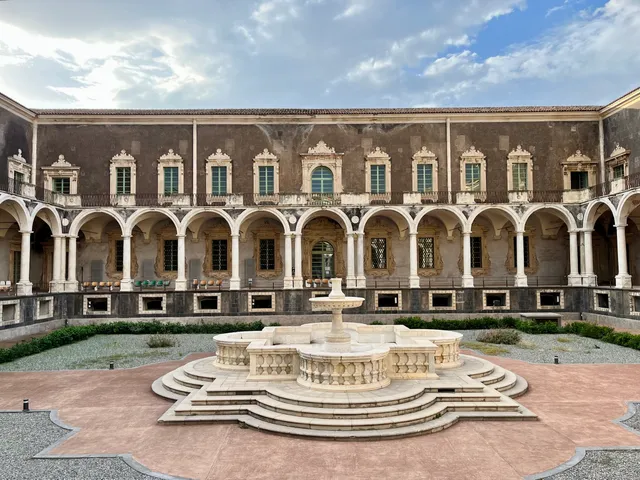
Benedictine Monastery of San Nicolò l'Arena
4.7
(856)
Closed
Click for details
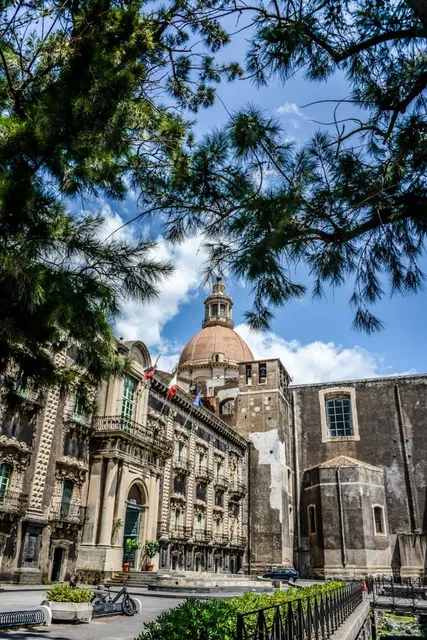
Officine Culturali Società Cooperativa Sociale
4.5
(105)
Closed
Click for details
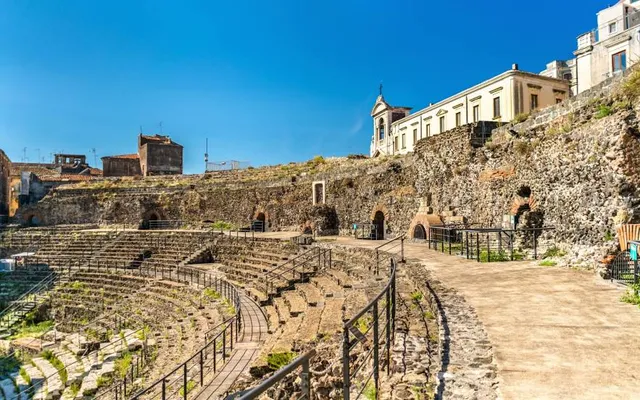
Greek - Roman theatre
4.4
(3.8K)
Open until 7:00 PM
Click for details
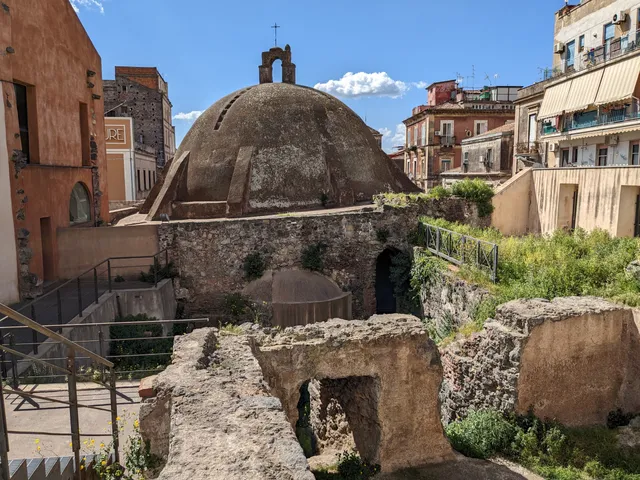
Archaeological Complex Terme della Rotonda
4.3
(205)
Open until 5:00 PM
Click for details
Nearby restaurants of Museum of Archeology of the University of Catania
Ciuri coffee&more*
Re Carlo V
Achille
Dal Tenerissimo
Cafè San Nicolò
Trattoria Lo Chef
Ristorante Trattoria La terrazza del barone
Pancare – Sicily Food
docalquadrato
Iris-Doc Sicilian Street Food
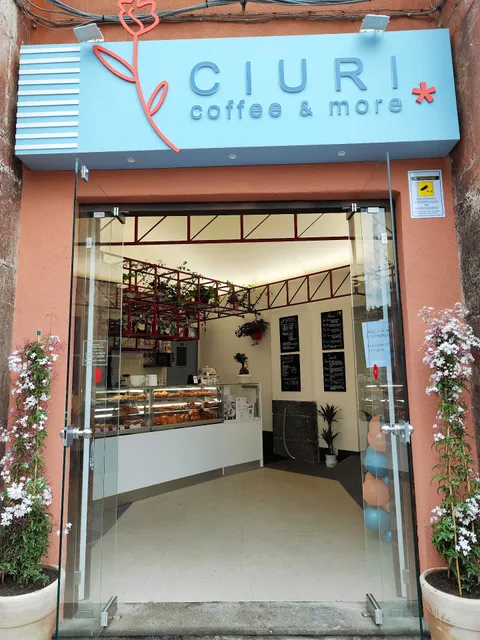
Ciuri coffee&more*
4.9
(167)
Open until 8:00 PM
Click for details
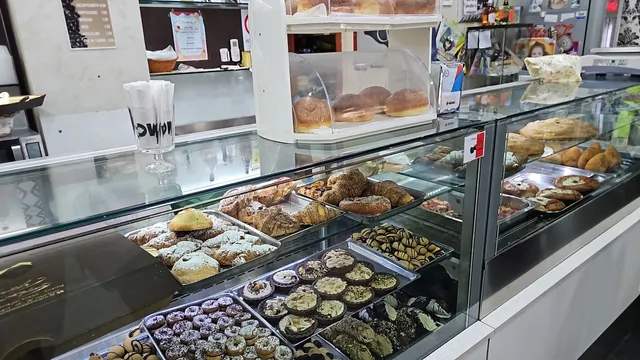
Re Carlo V
4.3
(1.4K)
Closed
Click for details
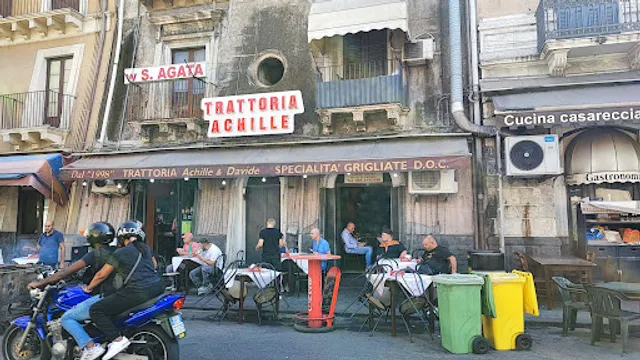
Achille
4.2
(1.2K)
Closed
Click for details
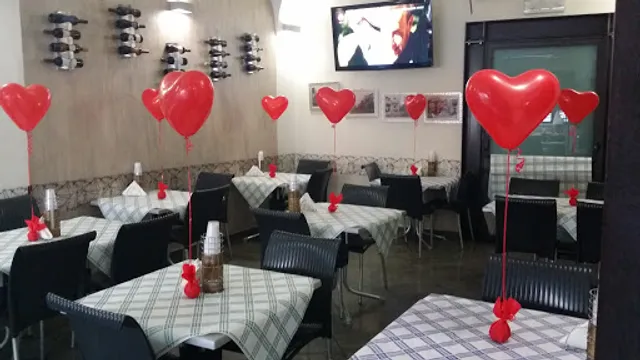
Dal Tenerissimo
4.2
(1.0K)
Open until 12:00 AM
Click for details
Nearby local services of Museum of Archeology of the University of Catania
Church of Saint Nicholas the Arena
Piazza Dante
Church of Saint Agatha 'la Vetere'
Candy Shop International
Tocal Supermercati
Via Crociferi
Église Sainte-Agathe-de-la-Fournaise
COOP Supermarket
Luca Barra Gioielli Store Catania
SaiaVogue
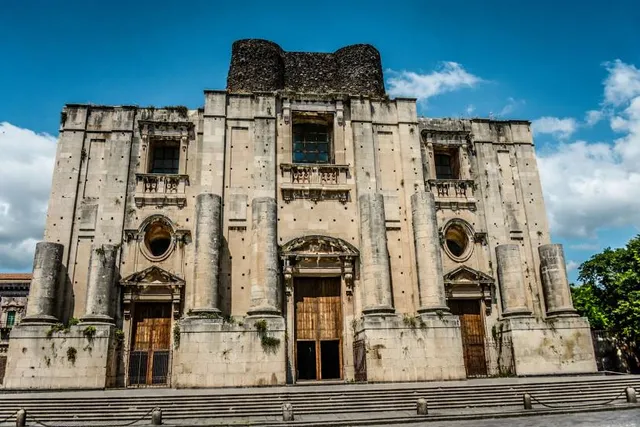
Church of Saint Nicholas the Arena
4.6
(215)
Click for details
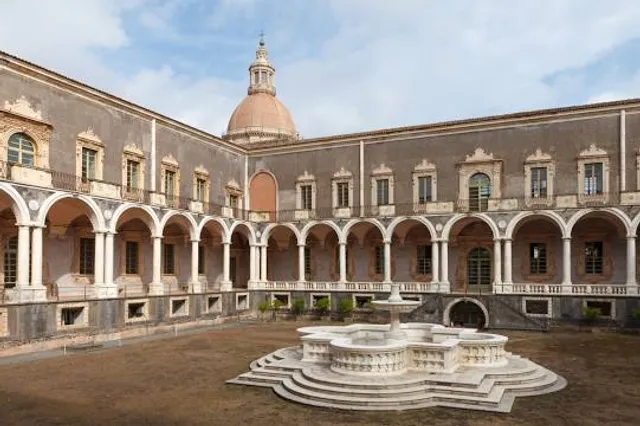
Piazza Dante
4.1
(31)
Click for details
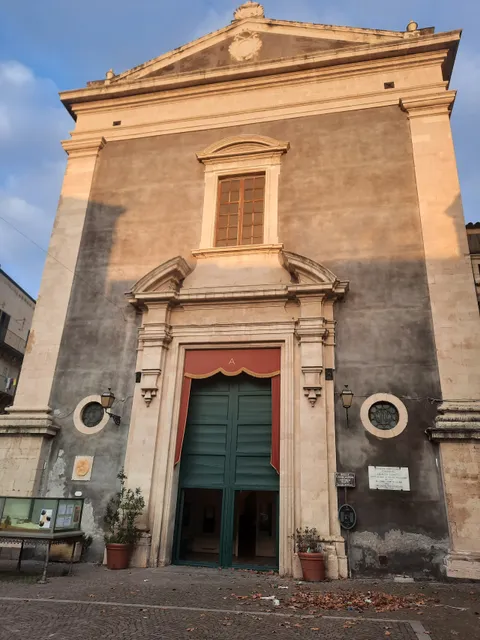
Church of Saint Agatha 'la Vetere'
4.6
(139)
Click for details
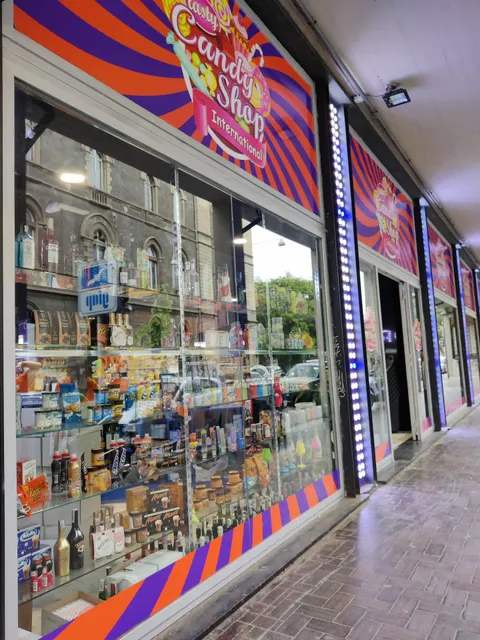
Candy Shop International
4.2
(292)
Click for details