Greek - Roman theatre things to do, attractions, restaurants, events info and trip planning
Basic Info
Greek - Roman theatre
Via Vittorio Emanuele II, 266, 95124 Catania CT, Italy
4.4(3.8K)
Closed

tickets
Save
spot
spot
Ratings & Description
Info
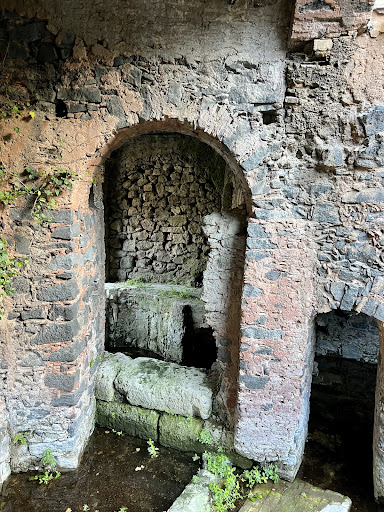
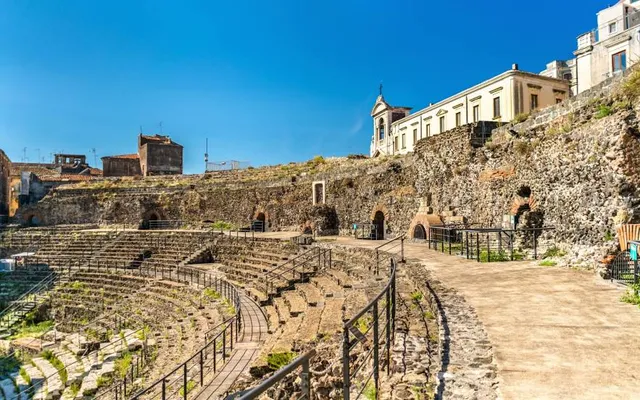
The Roman Theatre of Catania consists of the ruins of two open-air semicircular ancient Roman theatres, located between Piazza San Francesco, via Vittorio Emanuele, via Timeo, and via Teatro Greco in the center of Catania, Sicily, southern Italy.
Cultural
Outdoor
Family friendly
attractions: Fountain of the Elephant, Museo Vincenzo Bellini, Casa di Giovanni Verga, Piazza Università, Church of Saint Benedict, Church of St. Francis of Assisi 'all'Immacolata', Museum of Contemporary Art in Sicily, Basilica Cattedrale di Sant'Agata, Ursino Castle, Native House of Vincenzo Bellini, restaurants: Canusciuti Sicilian Cafe, Deliziosa cucina siciliana, Trattoria Giglio Rosso, SVRGO Ristorante cucina siciliana, Frumento Pizzeria Catania, PLANTE Lab, La Pizzoleria, Rocket Pizza & Cocktails Catania, Carlito's, Thirsty Corner, local businesses: Vulcanika Artigianato Siciliano, Castello Ursino, Happy Sicily negozio, Rent Car Al Nuovo Baretto, Storico mercato del pesce di Catania, Monastero di San Benedetto, ELETTRICITÀ, Via Crociferi, Via Etnea, Chiesa di San Francesco Borgia
 Learn more insights from Wanderboat AI.
Phone
+39 095 715 0508
Open hoursSee all hours
Mon9 AM - 7 PMClosed
Plan your stay

Pet-friendly Hotels in Catania
Find a cozy hotel nearby and make it a full experience.

Affordable Hotels in Catania
Find a cozy hotel nearby and make it a full experience.

The Coolest Hotels You Haven't Heard Of (Yet)
Find a cozy hotel nearby and make it a full experience.

Trending Stays Worth the Hype in Catania
Find a cozy hotel nearby and make it a full experience.
Reviews
Live events
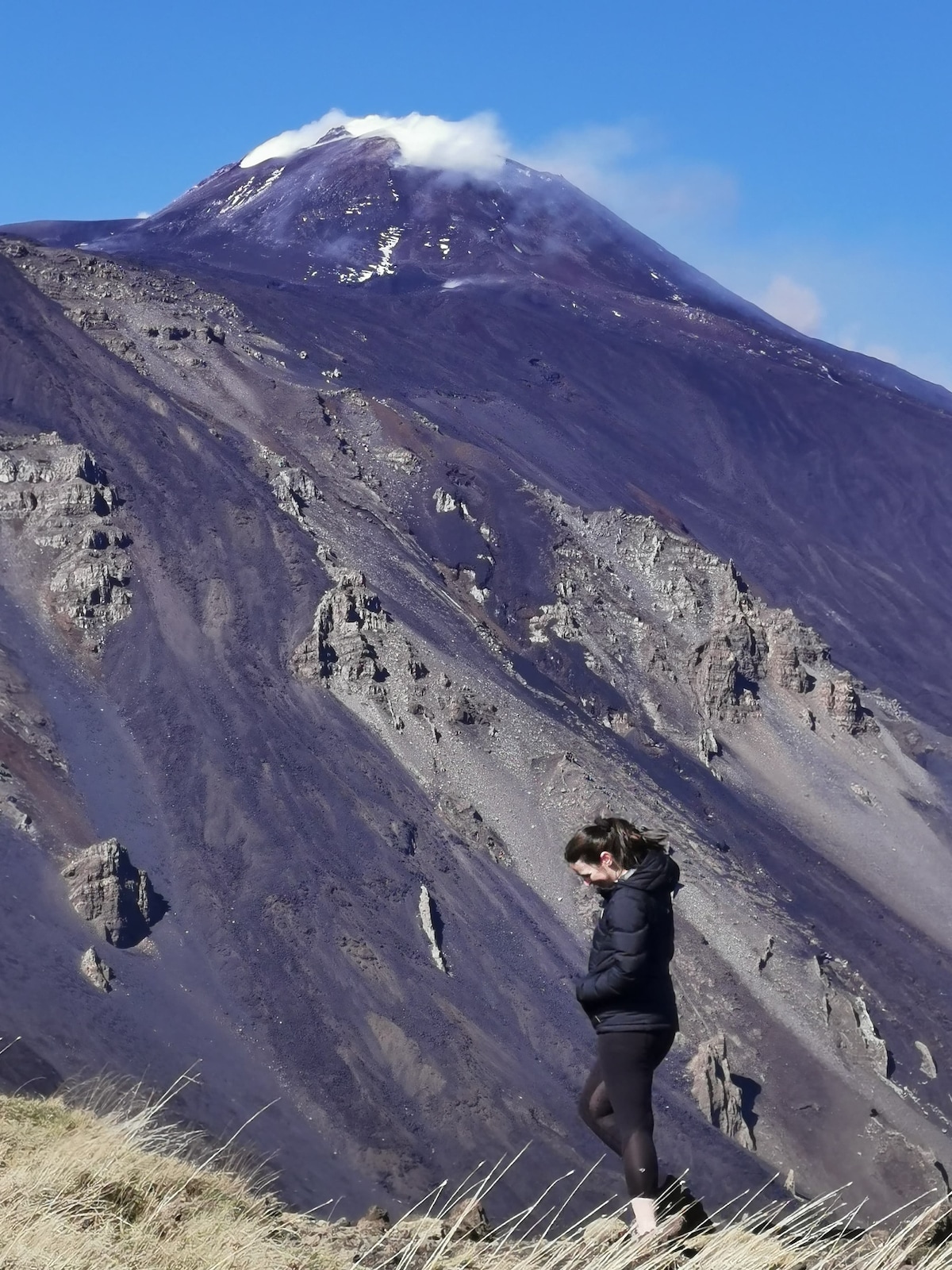
Mount Etna Hike Tour Off the Tourists Path
Mon, Feb 16 • 8:15 AM
95131, Catania, Sicily, Italy
View details

Costruire con lAI: dal lavoro quotidiano a un nuovo business
Tue, Feb 17 • 7:00 PM
29 Via dei Piccioni #Palazzina D 95123 Catania
View details
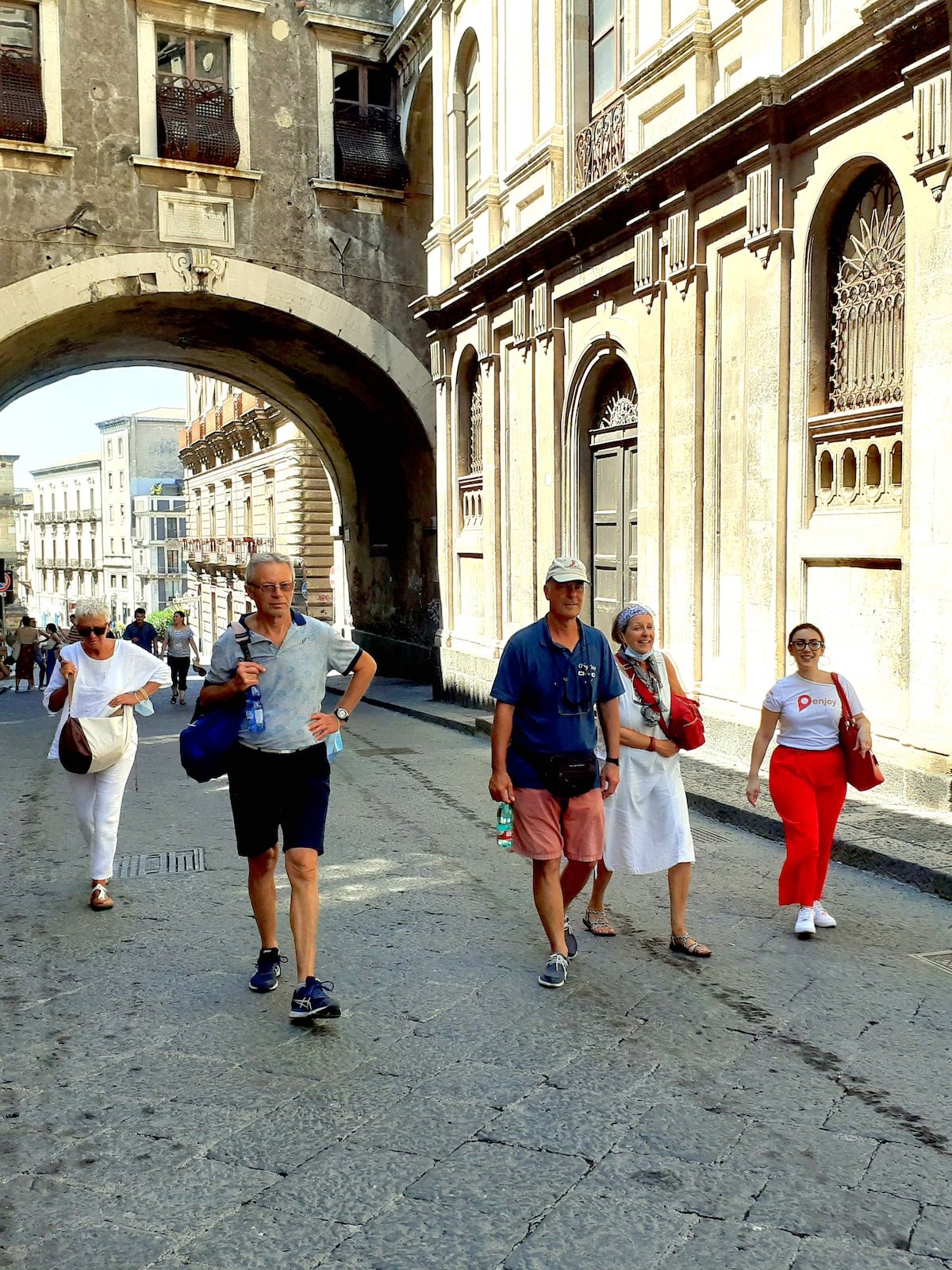
Walking Tour of Catania with Tasting
Mon, Feb 16 • 4:00 PM
95129, Catania, Sicily, Italy
View details
Nearby attractions of Greek - Roman theatre
Fountain of the Elephant
Museo Vincenzo Bellini
Casa di Giovanni Verga
Piazza Università
Church of Saint Benedict
Church of St. Francis of Assisi 'all'Immacolata'
Museum of Contemporary Art in Sicily
Basilica Cattedrale di Sant'Agata
Ursino Castle
Native House of Vincenzo Bellini
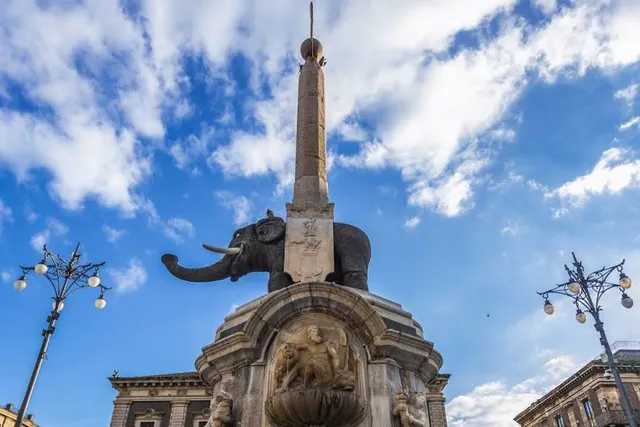
Fountain of the Elephant
4.7
(4.4K)
Open until 12:00 AM
Click for details
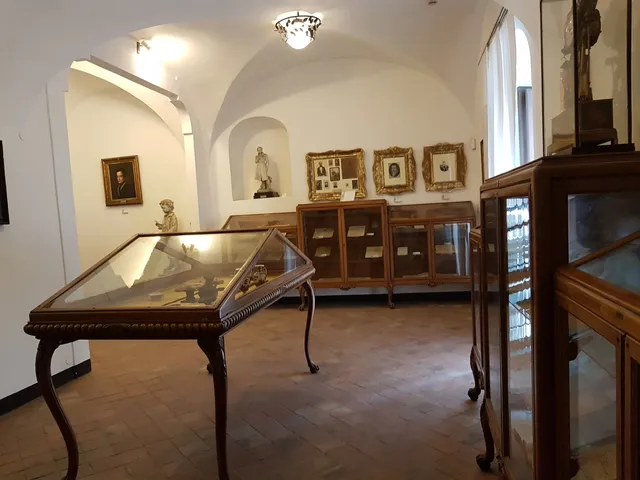
Museo Vincenzo Bellini
4.2
(129)
Closed
Click for details
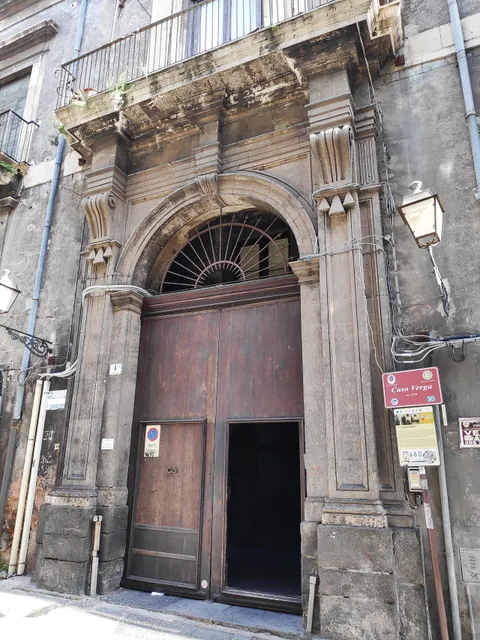
Casa di Giovanni Verga
4.0
(166)
Open 24 hours
Click for details
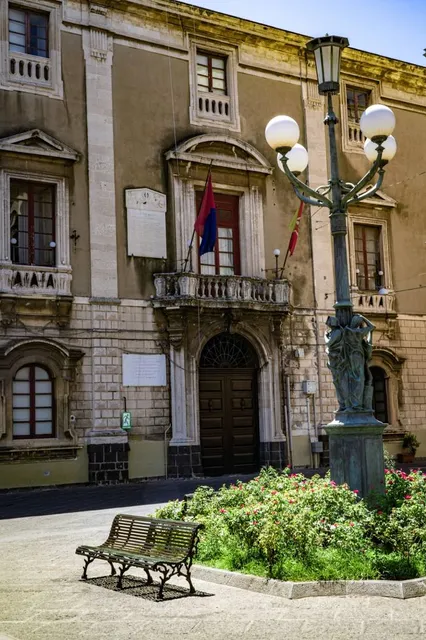
Piazza Università
4.6
(3.4K)
Open 24 hours
Click for details
Nearby restaurants of Greek - Roman theatre
Canusciuti Sicilian Cafe
Deliziosa cucina siciliana
Trattoria Giglio Rosso
SVRGO Ristorante cucina siciliana
Frumento Pizzeria Catania
PLANTE Lab
La Pizzoleria
Rocket Pizza & Cocktails Catania
Carlito's
Thirsty Corner
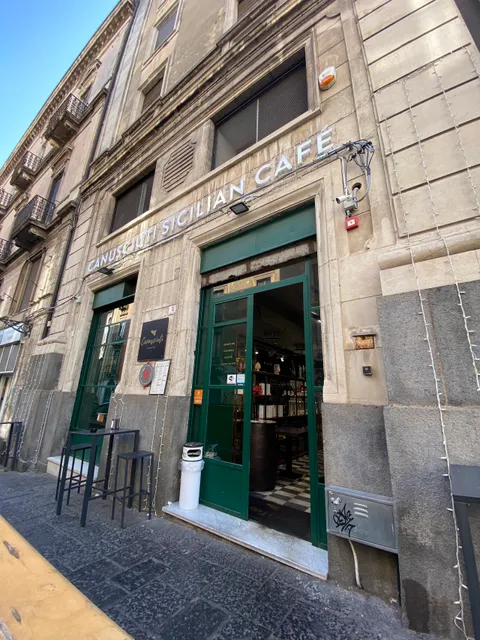
Canusciuti Sicilian Cafe
4.5
(1.2K)
Open until 12:00 AM
Click for details
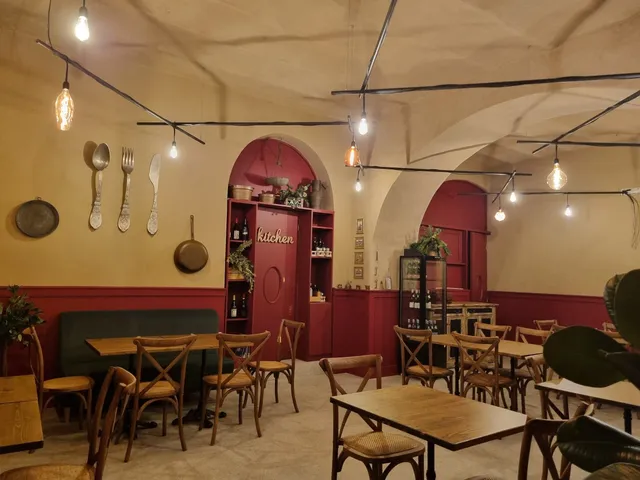
Deliziosa cucina siciliana
4.6
(854)
Open until 12:00 AM
Click for details
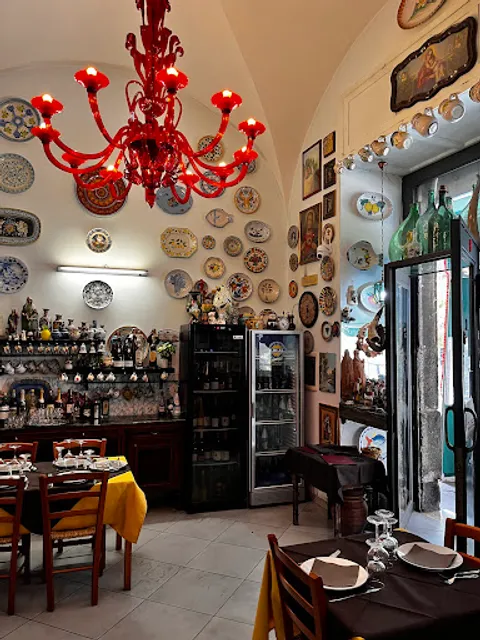
Trattoria Giglio Rosso
4.5
(1.0K)
Closed
Click for details
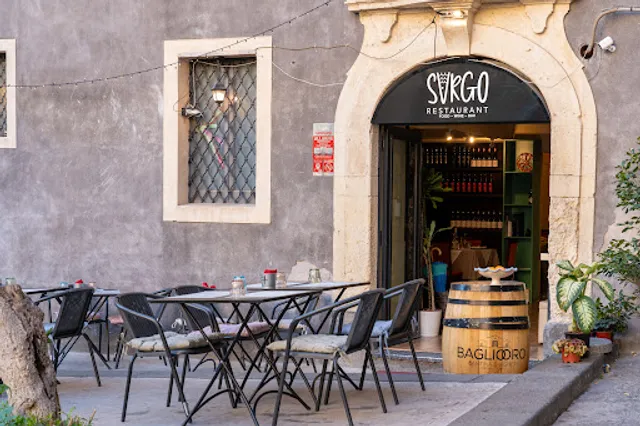
SVRGO Ristorante cucina siciliana
4.6
(507)
Closed
Click for details
Nearby local services of Greek - Roman theatre
Vulcanika Artigianato Siciliano
Castello Ursino
Happy Sicily negozio
Rent Car Al Nuovo Baretto
Storico mercato del pesce di Catania
Monastero di San Benedetto
ELETTRICITÀ
Via Crociferi
Via Etnea
Chiesa di San Francesco Borgia
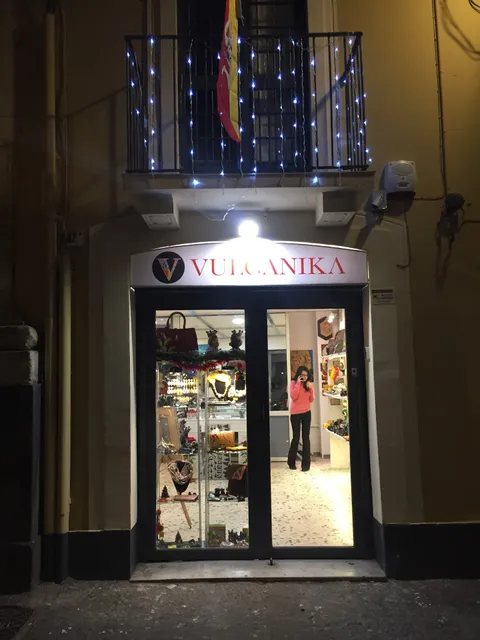
Vulcanika Artigianato Siciliano
4.9
(103)
Click for details
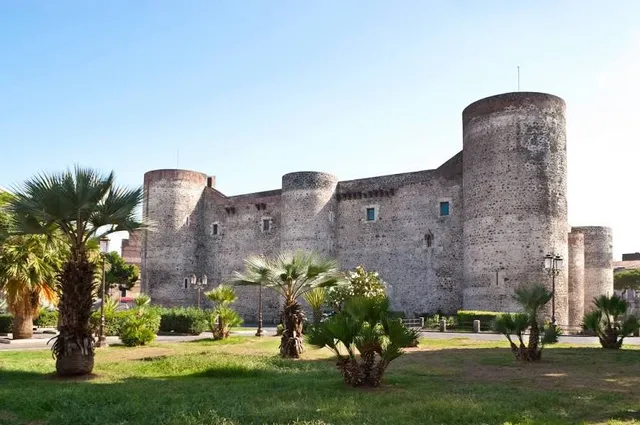
Castello Ursino
4.3
(4.4K)
Click for details
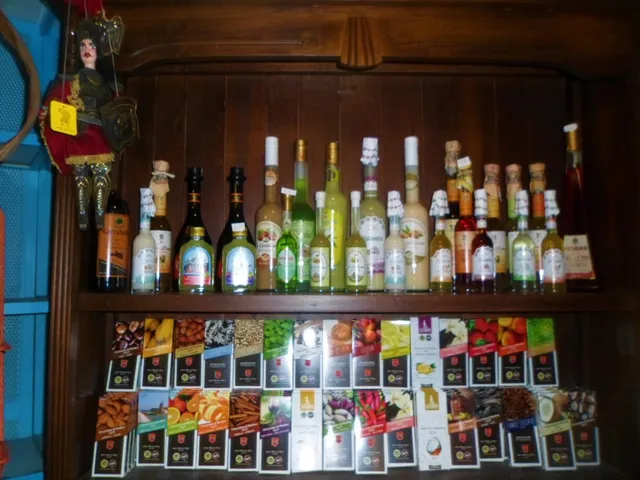
Happy Sicily negozio
3.9
(16)
Click for details
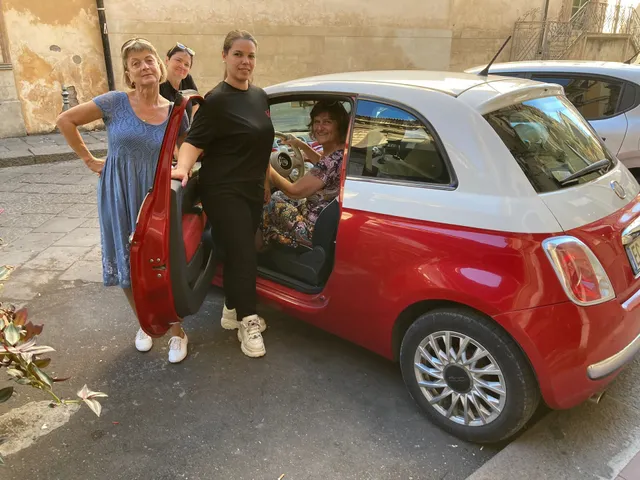
Rent Car Al Nuovo Baretto
4.9
(282)
Click for details