HTML SitemapExplore

Midorogaike Pond (Mizorogaike Pond) — Local services in Kyoto

Name
Midorogaike Pond (Mizorogaike Pond)
Description
Nearby attractions
Entsū-ji Temple
389 Iwakura Hataedacho, Sakyo Ward, Kyoto, 606-0015, Japan
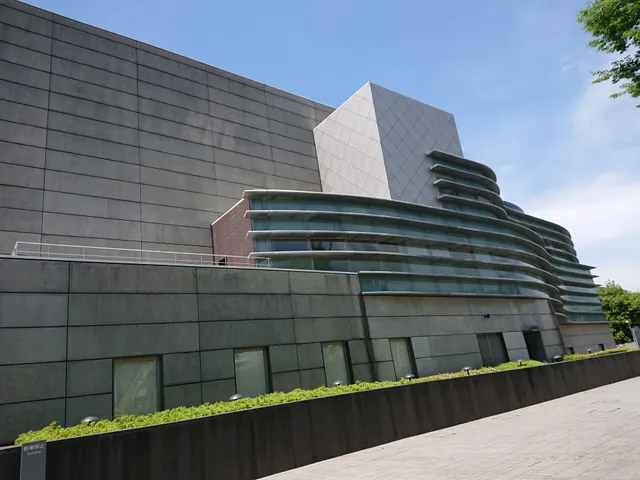
Kyoto Concert Hall
1-26-1-26 Shimogamo Hangicho, Sakyo Ward, Kyoto, 606-0823, Japan
Garden of Fine Arts Kyoto
Shimogamo Hangicho, Sakyo Ward, Kyoto, 606-0823, Japan
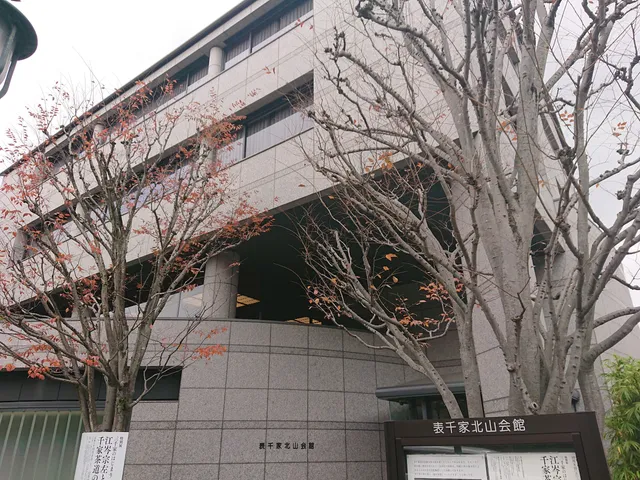
Omotesenke Kitayama Kaikan
61 Kamigamo Sakuraicho, Kita Ward, Kyoto, 603-8054, Japan
Museum of Oribe Furuta
107-2 Kamigamo Sakuraicho, Kita Ward, Kyoto, 603-8054, Japan
北山ル・アンジェ教会
1-7 Matsugasaki Idegakaidocho, Sakyo Ward, Kyoto, 606-0931, Japan
Ōta Shrine
340 Kamigamo Motoyama, Kita Ward, Kyoto, 603-8047, Japan
Nearby restaurants
Radio Bagel
Japan, 〒603-8043 Kyoto, Kita Ward, Kamigamo Ikebatacho, 9 久世ハイツ 101
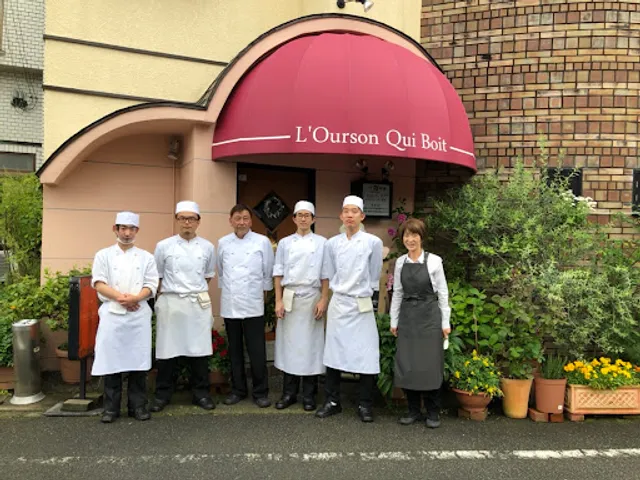
L'ourson qui boit
52 Kamigamo Toyodacho, Kita Ward, Kyoto, 603-8045, Japan
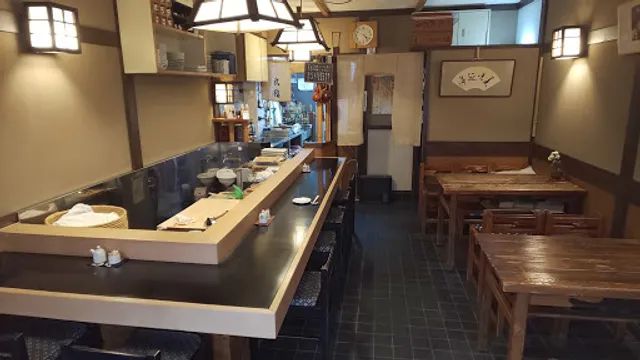
武鮨
9 Kamigamo Ikebatacho, Kita Ward, Kyoto, 603-8043, Japan
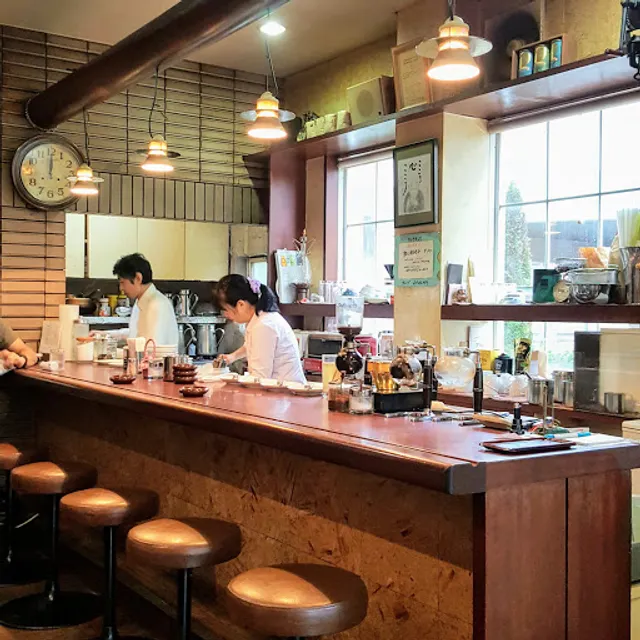
Coffee House Le Temp
40-3 Kamigamo Toyodacho, Kita Ward, Kyoto, 603-8045, Japan
Kawamura
Japan, 〒603-8044 Kyoto, Kita Ward, Kamigamo Azekachicho, 43-2 かわむら
Mercure Cafe
3-2 Kamigamo Toyodacho, Kita Ward, Kyoto, 603-8045, Japan
Kamigamo Akiyama
58 Kamigamo Okamotocho, Kita Ward, Kyoto, 603-8081, Japan
gamecafe ATTIC
96-4 Kamigamo Matsumotocho, Kita Ward, Kyoto, 603-8052, Japan
YOSHIMURA
107 Kamigamo Iwagakakiuchicho, Kita Ward, Kyoto, 603-8053, Japan
Dining Cafe Bali Gasi
Japan, 〒606-0842 Kyoto, Sakyo Ward, Shimogamo Kitashibacho, 34 ブドワール北山 1F
Nearby local services
Mizorogaike Kifune Shrine
Kamigamo Midoroikecho, Kita Ward, Kyoto, 603-8047, Japan
Kitayama Gonbei
Japan, 〒606-0841 Kyoto, Sakyo Ward, Shimogamo Minamishibacho, 44-1 蕎麦 | 北山 権兵衛
Kitayama Station
Shimogamo Hangicho, Sakyo Ward, Kyoto, 606-0823, Japan
Kawabata Doki
Japan, 〒606-0847 Kyoto, Sakyo Ward, Shimogamo Minaminonokamicho, 2-12 川端道喜
Bamboo Garden
Shimogamo Hangicho, Sakyo Ward, Kyoto, 606-0823, Japan
梅林園
Matsugasaki Maruko, Sakyo Ward, Kyoto, 606-0000, Japan
Boat Rental
9 Matsugasaki Kitauracho, Sakyo Ward, Kyoto, 606-0937, Japan
Nearby hotels
Related posts
Keywords
Midorogaike Pond (Mizorogaike Pond) tourism.Midorogaike Pond (Mizorogaike Pond) hotels.Midorogaike Pond (Mizorogaike Pond) bed and breakfast. flights to Midorogaike Pond (Mizorogaike Pond).Midorogaike Pond (Mizorogaike Pond) attractions.Midorogaike Pond (Mizorogaike Pond) restaurants.Midorogaike Pond (Mizorogaike Pond) local services.Midorogaike Pond (Mizorogaike Pond) travel.Midorogaike Pond (Mizorogaike Pond) travel guide.Midorogaike Pond (Mizorogaike Pond) travel blog.Midorogaike Pond (Mizorogaike Pond) pictures.Midorogaike Pond (Mizorogaike Pond) photos.Midorogaike Pond (Mizorogaike Pond) travel tips.Midorogaike Pond (Mizorogaike Pond) maps.Midorogaike Pond (Mizorogaike Pond) things to do.
Midorogaike Pond (Mizorogaike Pond) things to do, attractions, restaurants, events info and trip planning
Midorogaike Pond (Mizorogaike Pond)
JapanKyoto PrefectureKyotoMidorogaike Pond (Mizorogaike Pond)

Basic Info

Midorogaike Pond (Mizorogaike Pond)

67-1 Kamigamo Midoroikecho, Kita Ward, Kyoto, 603-8042, Japan
3.9(172)
Open until 12:00 AM
Save
spot

Ratings & Description

Info

Outdoor
Relaxation
Scenic
Family friendly
attractions: Entsū-ji Temple, Kyoto Concert Hall, Garden of Fine Arts Kyoto, Omotesenke Kitayama Kaikan, Museum of Oribe Furuta, 北山ル・アンジェ教会, Ōta Shrine, restaurants: Radio Bagel, L'ourson qui boit, 武鮨, Coffee House Le Temp, Kawamura, Mercure Cafe, Kamigamo Akiyama, gamecafe ATTIC, YOSHIMURA, Dining Cafe Bali Gasi, local businesses: Mizorogaike Kifune Shrine, Kitayama Gonbei, Kitayama Station, Kawabata Doki, Bamboo Garden, 梅林園, Boat Rental

logoLearn more insights from Wanderboat AI.
Phone
+81 75-414-4706
Website
pref.kyoto.jp
Open hoursSee all hours
TueOpen 24 hoursOpen

Plan your stay

hotel
Pet-friendly Hotels in Kyoto
Find a cozy hotel nearby and make it a full experience.

hotel
Affordable Hotels in Kyoto
Find a cozy hotel nearby and make it a full experience.

hotel
The Coolest Hotels You Haven't Heard Of (Yet)
Find a cozy hotel nearby and make it a full experience.

hotel
Trending Stays Worth the Hype in Kyoto
Find a cozy hotel nearby and make it a full experience.

Reviews

Live events
Create traditional sushi
Fri, Jan 30 • 11:00 AM
600-8345, Kyoto, Kyoto, Japan
View details
Early Bird Arashiyama Bamboo Forest Bike Tour
Wed, Jan 28 • 8:00 AM
616-8373, Kyoto, Kyoto, Japan
View details
Kyoto: Traditional Crafts - Chopstick Making
Tue, Jan 27 • 5:00 PM
605-0851, Kyoto, Kyoto, Japan
View details

Nearby attractions of Midorogaike Pond (Mizorogaike Pond)

Entsū-ji Temple

Kyoto Concert Hall

Garden of Fine Arts Kyoto

Omotesenke Kitayama Kaikan

Museum of Oribe Furuta

北山ル・アンジェ教会

Ōta Shrine
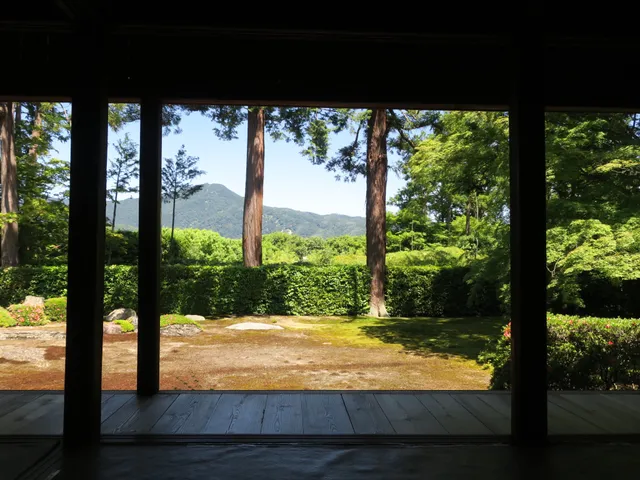
Entsū-ji Temple

Entsū-ji Temple

4.3

(255)

Closed
Click for details
Kyoto Concert Hall

Kyoto Concert Hall

4.4

(909)

Open 24 hours
Click for details
Garden of Fine Arts Kyoto

Garden of Fine Arts Kyoto

4.3

(454)

Closed
Click for details
Omotesenke Kitayama Kaikan

Omotesenke Kitayama Kaikan

4.4

(70)

Open until 12:00 AM
Click for details
Nearby restaurants of Midorogaike Pond (Mizorogaike Pond)

Radio Bagel

L'ourson qui boit

武鮨

Coffee House Le Temp

Kawamura

Mercure Cafe

Kamigamo Akiyama

gamecafe ATTIC

YOSHIMURA

Dining Cafe Bali Gasi
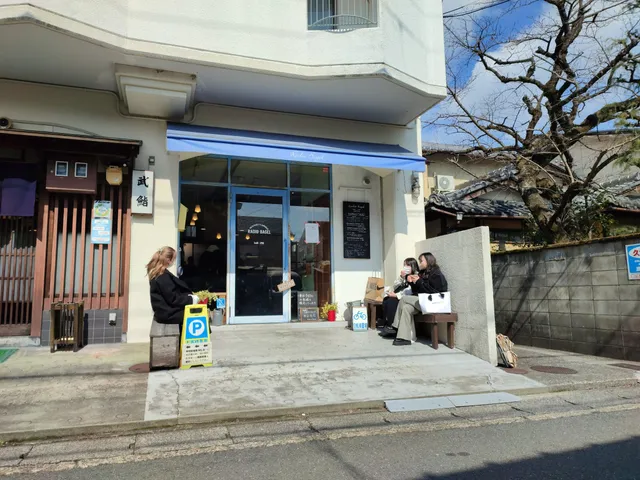
Radio Bagel

Radio Bagel

4.4

(173)

Open until 12:00 AM
Click for details
L'ourson qui boit

L'ourson qui boit

4.4

(128)

$$

Open until 9:00 PM
Click for details
武鮨

武鮨

4.3

(25)

Closed
Click for details
Coffee House Le Temp

Coffee House Le Temp

4.3

(26)

Closed
Click for details

Nearby local services of Midorogaike Pond (Mizorogaike Pond)

Mizorogaike Kifune Shrine

Kitayama Gonbei

Kitayama Station

Kawabata Doki

Bamboo Garden

梅林園

Boat Rental
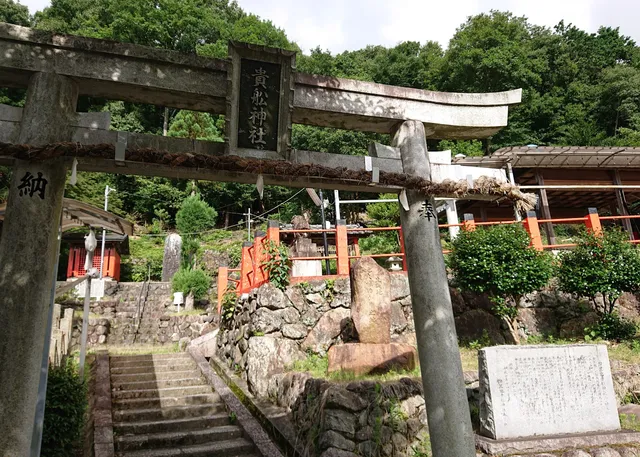
Mizorogaike Kifune Shrine

Mizorogaike Kifune Shrine

3.8

(18)

Click for details
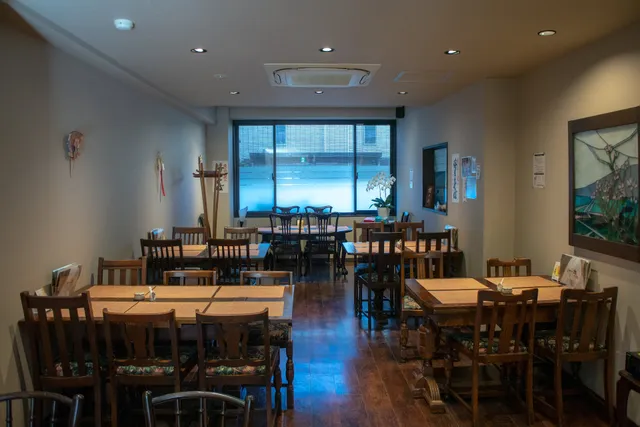
Kitayama Gonbei

Kitayama Gonbei

4.3

(117)

Click for details
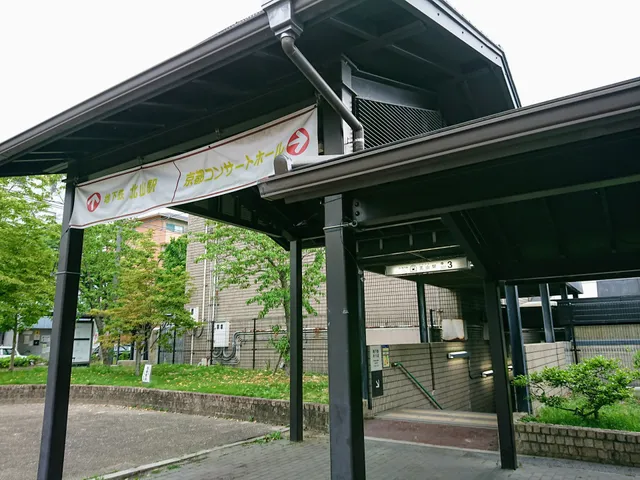
Kitayama Station

Kitayama Station

3.6

(63)

Click for details
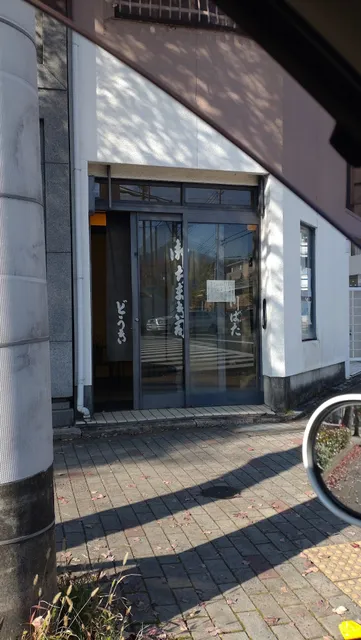
Kawabata Doki

Kawabata Doki

4.6

(37)

Click for details

Get the Appoverlay
Get the AppOne tap to find yournext favorite spots!
Wanderboat LogoWanderboat

Your everyday Al companion for getaway ideas

CompanyAbout Us
InformationAI Trip PlannerSitemap
SocialXInstagramTiktokLinkedin
LegalTerms of ServicePrivacy Policy

Get the app

© 2025 Wanderboat. All rights reserved.

Posts

Hiroshi KyotoHiroshi Kyoto
深泥池(みぞろがいけ)は,京都盆地の北にある周囲1.5km,面積9haの小さな池です。この池には,西日本の平坦地では珍しい浮島があります。また,氷河期以来の動植物が今も生き続けるとともに多くの水生植物,昆虫,魚類,野鳥等がいます。この池の水生植物群落を保護するため,昭和2年に国の天然記念物に指定されました。昭和63年には生物群集全体が対象になりました。 浮島と高層湿原(ミズゴケ湿原) 深泥池に広がる高層湿原 深泥池の南側から水域を隔てた池の中央部分に、池全体の3分の1を占める浮島が存在する。この下には水の流れがあり、島が池に浮いていることが確認されている。この浮島は、標高が水面とほぼ等しいほか、窒素やリンなどの無機塩類がほとんど含まれない貧栄養性の湿原が広がる。ここでは有機物の分解が進まず、枯死した植物が堆積していくために、コケ類を始め多様な植物が生育する絶好の場となっている。 浮島は夏になると浮かび上がり、冬には沈んで冠水する動きを見せる。この特徴により、多様な植物が生育している[34]。ミツガシワやホロムイソウのような寒冷地に分布する植物や、ジュンサイのような各地に自生する植物、タヌキモ (en) やモウセンゴケのような食虫植物、オオミズゴケ、ハリミズゴケ、ヌマガヤ(学名:Moliniopsis japonica)、イヌノハナゴケといった高層湿原(ミズゴケ湿原)の構成種が共存している。 60種ものトンボが生息しており、これは、日本に分布するトンボが約200種いるなかでその4分の1以上が当地域に分布していることを意味する。また、フナ、ヨシノボリ、スジエビ、クサガメ、ニホンイシガメなどの池に生息する動物や、ヒドリガモやルリビタキを始めとした、晩冬期を中心に170種の野鳥の飛来が確認されている[37]。1930年(昭和5年)には、日本で初めてミズグモが発見されるなど、希少動物にとっての数少ない生息地でもある。(出典:ウキペディア) Midorogaike is a small pond with a circumference of 1.5km and an area of ​​9ha in the north of the Kyoto Basin. This pond has a floating island, which is rare in the flatlands of western Japan. In addition, the flora and fauna since the ice age are still alive, and there are many aquatic plants, insects, fish, wild birds, etc. In order to protect the aquatic plant community of this pond, it was designated as a national natural monument in 1945. In 1988, the entire biological community was targeted. Floating islands and high moors (Sphagnum moor) High moor spreading in the deep mud pond In the central part of the pond, which is separated from the south side of the midoro-ga pond, there is a floating island that occupies one-third of the entire pond. Below this is a stream of water, and it has been confirmed that the island is floating in a pond. This floating island has an altitude almost equal to the water surface, and is an oligotrophic moor that contains almost no inorganic salts such as nitrogen and phosphorus. Here, the decomposition of organic matter does not proceed and dead plants accumulate, so it is a great place for various plants including mosses to grow. Floating islands emerge in the summer and sink and flood in the winter. Due to this feature, a variety of plants grow. [34] Plants distributed in cold regions such as Mitsugashiwa and Scheuchzeria palustris, plants that grow naturally in various places such as Junsai, carnivorous plants such as Tanukimo (en) and Drosera rotundifolia, Sphagnum palustre, Sphagnum palustre, Numagaya (scientific name: Molinopsis japonica), Inunohanagoke The constituent species of the high moor (Sphagnum palustre) coexist. As many as 60 species of dragonflies inhabit, which means that more than a quarter of the approximately 200 species of dragonflies distributed in Japan are distributed in this area. In addition, 170 species of wild birds, including crucian carps, rhinogobius, prawns, pond turtles, and Japanese pond turtles, as well as wigeons and red-flanked bluetails, have been confirmed to fly in late winter. [37] In 1930 (Showa 5), ​​the first Japanese spider was discovered, and it is also one of the few habitats for rare animals. (Source: Wikipedia)
Your browser does not support the video tag.
小川徹小川徹
太古の昔から残る池で、貴重な動植物が残っているそうです。
Myriam YonedaMyriam Yoneda
It’s a lovely place. Mysterious and calm. Shame there is no place to sit down and enjoy the view. I was especially drawn to it because of amazing myth and also known as a haunted place. As a psychic medium I wanted to visit it for a long time!
See more posts
See more posts
hotel
Find your stay

Pet-friendly Hotels in Kyoto

Find a cozy hotel nearby and make it a full experience.

深泥池(みぞろがいけ)は,京都盆地の北にある周囲1.5km,面積9haの小さな池です。この池には,西日本の平坦地では珍しい浮島があります。また,氷河期以来の動植物が今も生き続けるとともに多くの水生植物,昆虫,魚類,野鳥等がいます。この池の水生植物群落を保護するため,昭和2年に国の天然記念物に指定されました。昭和63年には生物群集全体が対象になりました。 浮島と高層湿原(ミズゴケ湿原) 深泥池に広がる高層湿原 深泥池の南側から水域を隔てた池の中央部分に、池全体の3分の1を占める浮島が存在する。この下には水の流れがあり、島が池に浮いていることが確認されている。この浮島は、標高が水面とほぼ等しいほか、窒素やリンなどの無機塩類がほとんど含まれない貧栄養性の湿原が広がる。ここでは有機物の分解が進まず、枯死した植物が堆積していくために、コケ類を始め多様な植物が生育する絶好の場となっている。 浮島は夏になると浮かび上がり、冬には沈んで冠水する動きを見せる。この特徴により、多様な植物が生育している[34]。ミツガシワやホロムイソウのような寒冷地に分布する植物や、ジュンサイのような各地に自生する植物、タヌキモ (en) やモウセンゴケのような食虫植物、オオミズゴケ、ハリミズゴケ、ヌマガヤ(学名:Moliniopsis japonica)、イヌノハナゴケといった高層湿原(ミズゴケ湿原)の構成種が共存している。 60種ものトンボが生息しており、これは、日本に分布するトンボが約200種いるなかでその4分の1以上が当地域に分布していることを意味する。また、フナ、ヨシノボリ、スジエビ、クサガメ、ニホンイシガメなどの池に生息する動物や、ヒドリガモやルリビタキを始めとした、晩冬期を中心に170種の野鳥の飛来が確認されている[37]。1930年(昭和5年)には、日本で初めてミズグモが発見されるなど、希少動物にとっての数少ない生息地でもある。(出典:ウキペディア) Midorogaike is a small pond with a circumference of 1.5km and an area of ​​9ha in the north of the Kyoto Basin. This pond has a floating island, which is rare in the flatlands of western Japan. In addition, the flora and fauna since the ice age are still alive, and there are many aquatic plants, insects, fish, wild birds, etc. In order to protect the aquatic plant community of this pond, it was designated as a national natural monument in 1945. In 1988, the entire biological community was targeted. Floating islands and high moors (Sphagnum moor) High moor spreading in the deep mud pond In the central part of the pond, which is separated from the south side of the midoro-ga pond, there is a floating island that occupies one-third of the entire pond. Below this is a stream of water, and it has been confirmed that the island is floating in a pond. This floating island has an altitude almost equal to the water surface, and is an oligotrophic moor that contains almost no inorganic salts such as nitrogen and phosphorus. Here, the decomposition of organic matter does not proceed and dead plants accumulate, so it is a great place for various plants including mosses to grow. Floating islands emerge in the summer and sink and flood in the winter. Due to this feature, a variety of plants grow. [34] Plants distributed in cold regions such as Mitsugashiwa and Scheuchzeria palustris, plants that grow naturally in various places such as Junsai, carnivorous plants such as Tanukimo (en) and Drosera rotundifolia, Sphagnum palustre, Sphagnum palustre, Numagaya (scientific name: Molinopsis japonica), Inunohanagoke The constituent species of the high moor (Sphagnum palustre) coexist. As many as 60 species of dragonflies inhabit, which means that more than a quarter of the approximately 200 species of dragonflies distributed in Japan are distributed in this area. In addition, 170 species of wild birds, including crucian carps, rhinogobius, prawns, pond turtles, and Japanese pond turtles, as well as wigeons and red-flanked bluetails, have been confirmed to fly in late winter. [37] In 1930 (Showa 5), ​​the first Japanese spider was discovered, and it is also one of the few habitats for rare animals. (Source: Wikipedia)
Hiroshi Kyoto

Hiroshi Kyoto

hotel
Find your stay

Affordable Hotels in Kyoto

Find a cozy hotel nearby and make it a full experience.

Get the Appoverlay
Get the AppOne tap to find yournext favorite spots!
太古の昔から残る池で、貴重な動植物が残っているそうです。
小川徹

小川徹

hotel
Find your stay

The Coolest Hotels You Haven't Heard Of (Yet)

Find a cozy hotel nearby and make it a full experience.

hotel
Find your stay

Trending Stays Worth the Hype in Kyoto

Find a cozy hotel nearby and make it a full experience.

It’s a lovely place. Mysterious and calm. Shame there is no place to sit down and enjoy the view. I was especially drawn to it because of amazing myth and also known as a haunted place. As a psychic medium I wanted to visit it for a long time!
Myriam Yoneda

Myriam Yoneda

See more posts
See more posts

Reviews of Midorogaike Pond (Mizorogaike Pond)

3.9
(172)
avatar
5.0
9y

Midrogaike is a pond located in north area ( Kamigamo area ) of Kyoto-city. In 1927, the plant community in this pond was designated as a protected species. in 1988, the scope of this designation was expanded to include all of living matter in the pond, referred to as the 'Midoroga-ike biological community.There are wide variety of plants and insects. Because, the pond water has poor inorganic salts, affected by the floating island. As for dragonfly, lives as many as 60 kinds. Midorogaike Pond is natural habitat for aquatic life communities and seasonal home to ducks and other water foul. Midorogaike Pond's biotic community has been designated as a natural monument of Japan. A resting place for water foul of many kinds, the beauty of this living museum blends with the surrounding mountains throughout the seasons. It is said that this pond has been a natural habitat for plants and animals since Ice Age. Also being a habitat for some rare species such as Junsai, Kingyo alga, Tanuki alga. Since it has been a hunting zone for aquatic birds from Heian Period, you will see birds of such kind still come around to this pond. The actual depth of the pond is 1 meter, but the deep layer of mud at the bottom makes this pond seem deeper. There is a floating island of a mud soil around its marshes and its also a habitat for some rare species. ( Trans-word+ : TGM...

   Read more
avatar
5.0
4y

深泥池(みぞろがいけ)は,京都盆地の北にある周囲1.5km,面積9haの小さな池です。この池には,西日本の平坦地では珍しい浮島があります。また,氷河期以来の動植物が今も生き続けるとともに多くの水生植物,昆虫,魚類,野鳥等がいます。この池の水生植物群落を保護するため,昭和2年に国の天然記念物に指定されました。昭和63年には生物群集全体が対象になりました。 浮島と高層湿原(ミズゴケ湿原) 深泥池に広がる高層湿原 深泥池の南側から水域を隔てた池の中央部分に、池全体の3分の1を占める浮島が存在する。この下には水の流れがあり、島が池に浮いていることが確認されている。この浮島は、標高が水面とほぼ等しいほか、窒素やリンなどの無機塩類がほとんど含まれない貧栄養性の湿原が広がる。ここでは有機物の分解が進まず、枯死した植物が堆積していくために、コケ類を始め多様な植物が生育する絶好の場となっている。 浮島は夏になると浮かび上がり、冬には沈んで冠水する動きを見せる。この特徴により、多様な植物が生育している[34]。ミツガシワやホロムイソウのような寒冷地に分布する植物や、ジュンサイのような各地に自生する植物、タヌキモ (en) やモウセンゴケのような食虫植物、オオミズゴケ、ハリミズゴケ、ヌマガヤ(学名:Moliniopsis japonica)、イヌノハナゴケといった高層湿原(ミズゴケ湿原)の構成種が共存している。 60種ものトンボが生息しており、これは、日本に分布するトンボが約200種いるなかでその4分の1以上が当地域に分布していることを意味する。また、フナ、ヨシノボリ、スジエビ、クサガメ、ニホンイシガメなどの池に生息する動物や、ヒドリガモやルリビタキを始めとした、晩冬期を中心に170種の野鳥の飛来が確認されている[37]。1930年(昭和5年)には、日本で初めてミズグモが発見されるなど、希少動物にとっての数少ない生息地でもある。(出典:ウキペディア) Midorogaike is a small pond with a circumference of 1.5km and an area of ​​9ha in the north of the Kyoto Basin. This pond has a floating island, which is rare in the flatlands of western Japan. In addition, the flora and fauna since the ice age are still alive, and there are many aquatic plants, insects, fish, wild birds, etc. In order to protect the aquatic plant community of this pond, it was designated as a national natural monument in 1945. In 1988, the entire biological community was targeted. Floating islands and high moors (Sphagnum moor) High moor spreading in the deep mud pond In the central part of the pond, which is separated from the south side of the midoro-ga pond, there is a floating island that occupies one-third of the entire pond. Below this is a stream of water, and it has been confirmed that the island is floating in a pond. This floating island has an altitude almost equal to the water surface, and is an oligotrophic moor that contains almost no inorganic salts such as nitrogen and phosphorus. Here, the decomposition of organic matter does not proceed and dead plants accumulate, so it is a great place for various plants including mosses to grow. Floating islands emerge in the summer and sink and flood in the winter. Due to this feature, a variety of plants grow. [34] Plants distributed in cold regions such as Mitsugashiwa and Scheuchzeria palustris, plants that grow naturally in various places such as Junsai, carnivorous plants such as Tanukimo (en) and Drosera rotundifolia, Sphagnum palustre, Sphagnum palustre, Numagaya (scientific name: Molinopsis japonica), Inunohanagoke The constituent species of the high moor (Sphagnum palustre) coexist. As many as 60 species of dragonflies inhabit, which means that more than a quarter of the approximately 200 species of dragonflies distributed in Japan are distributed in this area. In addition, 170 species of wild birds, including crucian carps, rhinogobius, prawns, pond turtles, and Japanese pond turtles, as well as wigeons and red-flanked bluetails, have been confirmed to fly in late winter. [37] In 1930 (Showa 5), ​​the first Japanese spider was discovered, and it is also one of the few habitats for rare animals....

   Read more
avatar
5.0
7y

10代弟方アマカミ・ニニキネさまのミコトノリによって、ヤマクイはヤマシロの野を掘り、土をオキツボの峰に盛ってオオヒヤマを模したヒヱヤマ(一枝山=後世にいう比叡山)をつくる。その池水がミソロ池となった。のちにシノミヤ(滋賀県大津市の天孫神社)をヤマクイが任されたという。(ホツマツタヱ24-101、ヲシテ研究者・池田満先生による解説)

ニニキネさんは思われるのでした。今後のクニの運営をどうしてゆこうか? と。そこで、オキツホ(大津市坂本、日吉大社)に行かれるのでした。オキツホは、7代アマカミのイサナギさんとイサナミさんが即位をしたミヤです。その後ろに高く聳(そび)えているオキツホの峰(比叡山)、にお登りになります。そうしますと、東の方向だけでなくて、西の方向の盆地も見えます。ここに、ニニキネさんは京都盆地の開発を開始なさるのでした。ヤマクイにお命じになります。京都盆地の水理を図って、沼や野になっている場所を新田に開発せよ、と。 沼や野の土を、ここ、オキツホの峰に上げて、オオヒノヤマ(富士山) の如くに田水の供給元として活用すれば良いのだから、と教えになられ ます。 ヤマクイさんの京都盆地の開発は、ヒトエタ(1枝=60年)にもなりなんとしました。ここ、オキツホの峰はヒトエタのことから、ヒヱのヤマと呼ばれるようになります。ヒヱのヤマから湧きだした水は、池を潤し、田圃に導かれてソロ(穀物)に実ります。中心的な池をミソロ池と言うようになりました。今、現在の京都市の深泥池です。また他にも多くの、灌漑事業を起こしますママアリイケの、ニシイワヤ、ミハムヰシナオ、イツワケテ、ナガスイシガワ、セキイレテ(堰を作りて、導水します)そうしまして、荒れ土地を活力ある田畑に作り替えたのでした。 もともと、洪水の時には冠水してしまう土地を田畑に作り替えた功績 は大きなものでした。さて、一端大水が出ると、被害は甚大になります。 そこで、ニニキネさんは、災害の減災を図るために自然神を祭ってコン トロールしようとなさいます。雷の構成を要素に別けてホのカクツチと、ミツのミツハメの2神分割祭祀をしました。ホのカクツチは、アオイハ(葵葉)に例えます。ミツのミツハメはカツラ(桂)に例えます。 この、自然神祭祀での災害の減災の取り組みを、イセのアマテルカミ は特段にお褒めになりました。 『あめ(雨)は降り照りの まつたき(完全な自然循環)を図るため イカツチ(雷)を二つの要素に分けて別神を祭祀する事で向上を為し遂 げたのですね。この功績は大きなものです。例えれば、国祖クニトコタ チさんの建国以来の、大きな功績とも言えましょう。ここに、ニニキネ には、新たな讃え名を与えましょう。これからは、ワケイカツチのアマ キミと称して下さい』 こうして、アマテルカミは、「ワケイカツチ」のヲシテを、ニニキネ さんに贈り賜わるのでした。

『ホツマツタヱ24アヤ』  日本...

   Read more
Page 1 of 7
Previous
Next