Tahoden (Hall of Many Treasures) things to do, attractions, restaurants, events info and trip planning
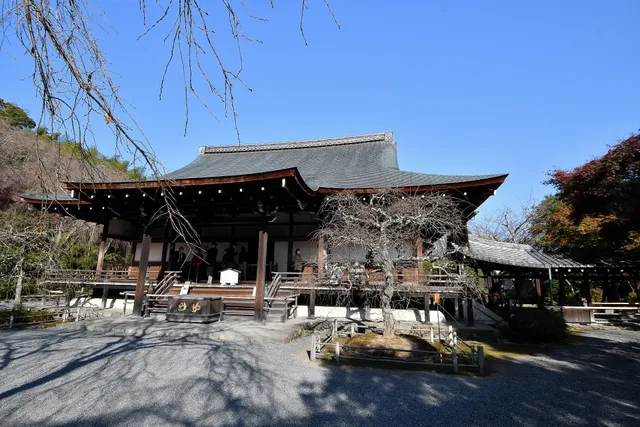
Basic Info
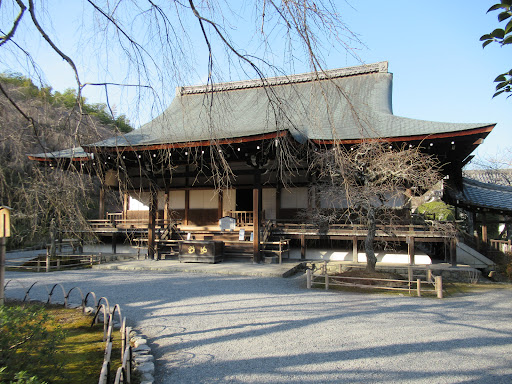
Tahoden (Hall of Many Treasures)
Sagatenryuji Susukinobabacho, Ukyo Ward, Kyoto, 616-8385, Japan
4.4(30)
Open until 4:15 PM
Save
spot
spot
Ratings & Description
Info
Cultural
Scenic
Accessibility
attractions: Tenryu-ji, Sogenchi Teien, Arashiyama Park Kameyama Area, Site of Danrin-ji Temple, Okochi Sanso Garden, Bamboo walkway, Garden of Hundred Flowers, Tenryu-ji Daihojo (Abbot's Grand Quarters), Tenryu-ji Kohojo (Abbot's Little Quarters), Site of Abstinence Palace, restaurants: Shigetsu, Bread, Espresso and Arashiyama Garden “Espresso and”, Yudofu Sagano, Gyukatsu Kyoto Katsugyu Arashiyama store, % ARABICA Kyoto Arashiyama, Taisho HANANA, Arashiyama Rilakkuma Tea House, Yojiya Cafe, Kijurou, Ine, local businesses: Arashiyama Bamboo Grove, Hōgon-in Temple, Nonomiya Shrine, 天龍寺北門, Tenryu-ji Hatto (Dharma Hall), Suzuriishi, Ozuru, Hatto (Dharma Hall), Kimono Rental Okamoto - Kyoto Station West Shop, Oimatsu Arashiyama
 Learn more insights from Wanderboat AI.
Website
tenryuji.com
Open hoursSee all hours
Wed8:30 AM - 4:15 PMOpen
Plan your stay

Pet-friendly Hotels in Kyoto
Find a cozy hotel nearby and make it a full experience.

Affordable Hotels in Kyoto
Find a cozy hotel nearby and make it a full experience.

The Coolest Hotels You Haven't Heard Of (Yet)
Find a cozy hotel nearby and make it a full experience.

Trending Stays Worth the Hype in Kyoto
Find a cozy hotel nearby and make it a full experience.
Reviews
Live events
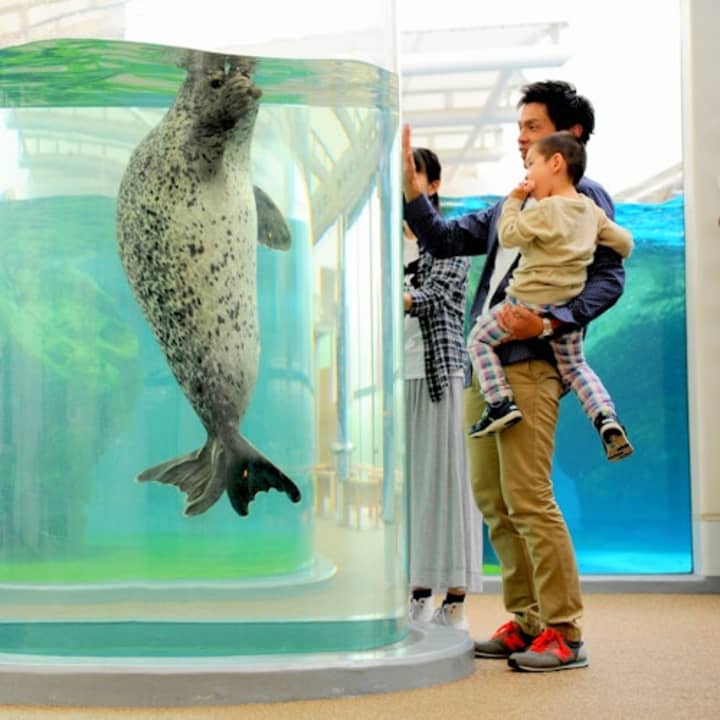
京都水族館: 入場券
Wed, Feb 18 • 10:00 AM
京都市下京区観喜寺町35−1 内 梅小路公園, 600-8835
View details
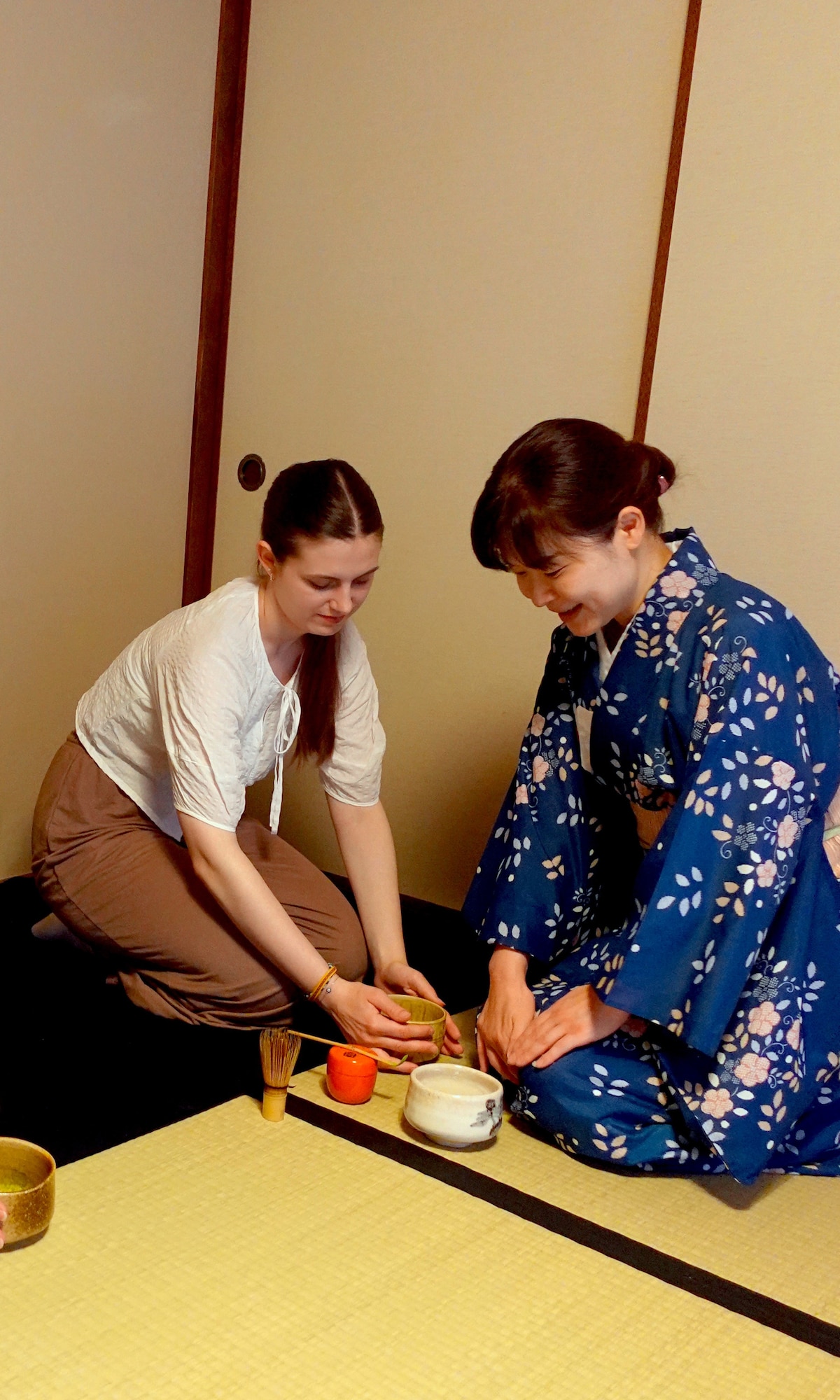
Learn tea ceremony in traditional Kyoto townhouse
Wed, Feb 18 • 1:00 PM
600-8397, Kyoto, Kyoto, Japan
View details
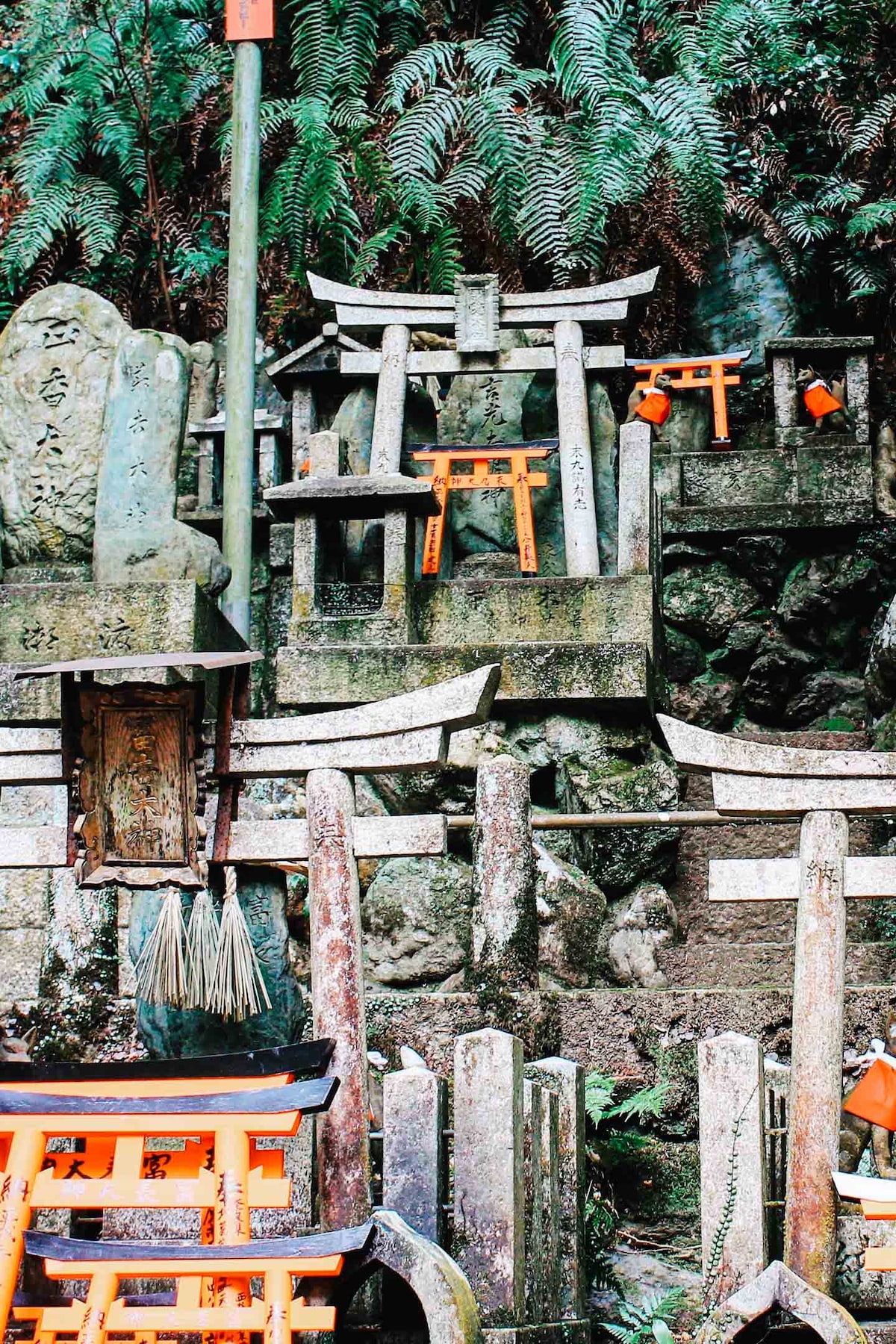
Hike to Fushimi Inari along hidden scenic trails
Wed, Feb 18 • 10:00 AM
605-0981, Kyoto, Kyoto, Japan
View details
Nearby attractions of Tahoden (Hall of Many Treasures)
Tenryu-ji
Sogenchi Teien
Arashiyama Park Kameyama Area
Site of Danrin-ji Temple
Okochi Sanso Garden
Bamboo walkway
Garden of Hundred Flowers
Tenryu-ji Daihojo (Abbot's Grand Quarters)
Tenryu-ji Kohojo (Abbot's Little Quarters)
Site of Abstinence Palace
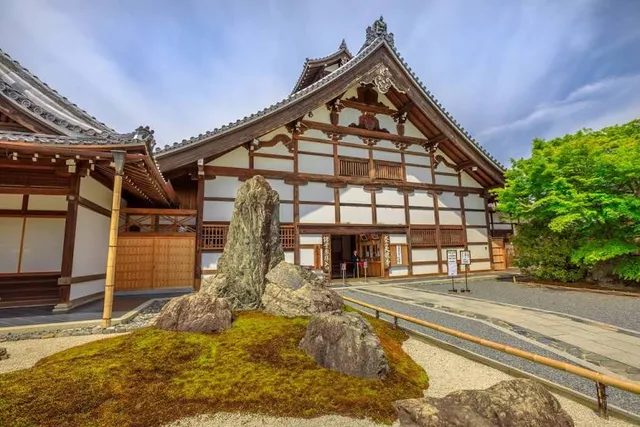
Tenryu-ji
4.4
(6.6K)
Open until 5:00 PM
Click for details
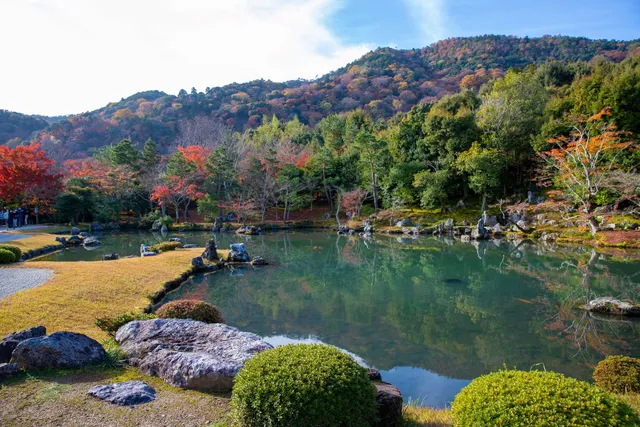
Sogenchi Teien
4.6
(293)
Open until 4:30 PM
Click for details
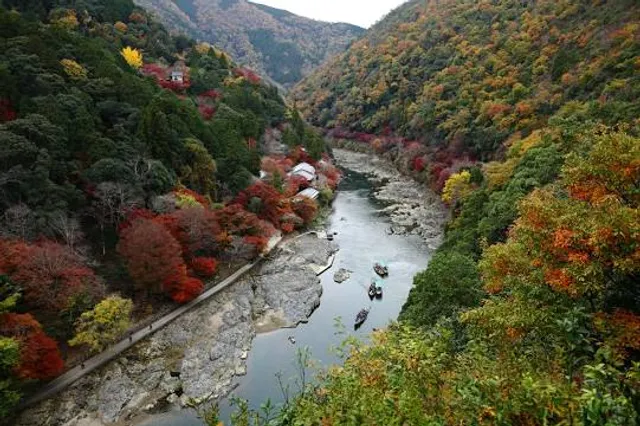
Arashiyama Park Kameyama Area
4.5
(378)
Closed
Click for details
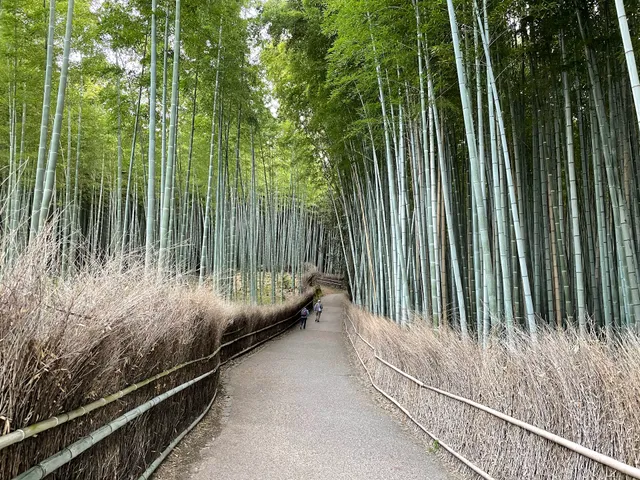
Site of Danrin-ji Temple
4.5
(112)
Open until 12:00 AM
Click for details
Nearby restaurants of Tahoden (Hall of Many Treasures)
Shigetsu
Bread, Espresso and Arashiyama Garden “Espresso and”
Yudofu Sagano
Gyukatsu Kyoto Katsugyu Arashiyama store
% ARABICA Kyoto Arashiyama
Taisho HANANA
Arashiyama Rilakkuma Tea House
Yojiya Cafe
Kijurou
Ine
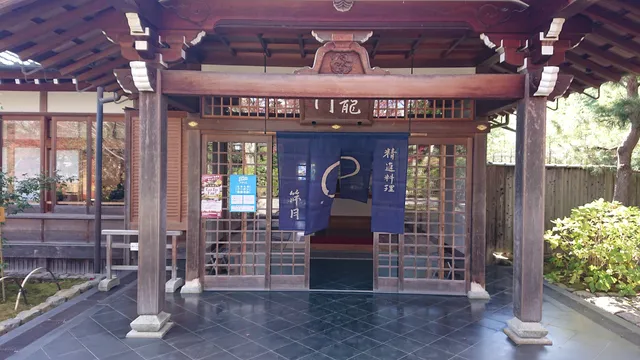
Shigetsu
4.6
(300)
Open until 2:00 PM
Click for details
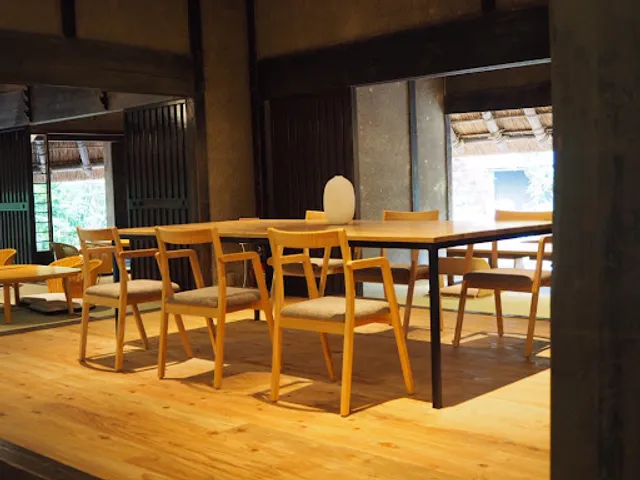
Bread, Espresso and Arashiyama Garden “Espresso and”
4.1
(674)
Open until 5:00 PM
Click for details
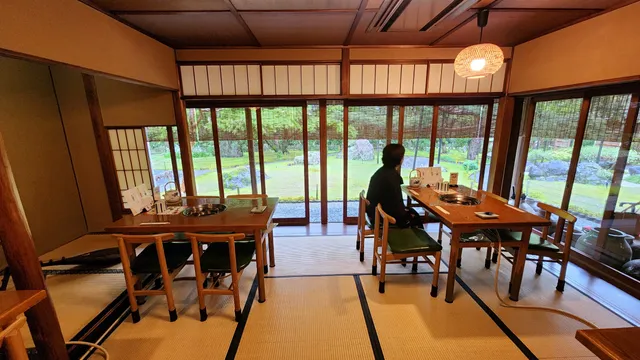
Yudofu Sagano
4.3
(610)
Open until 5:30 PM
Click for details
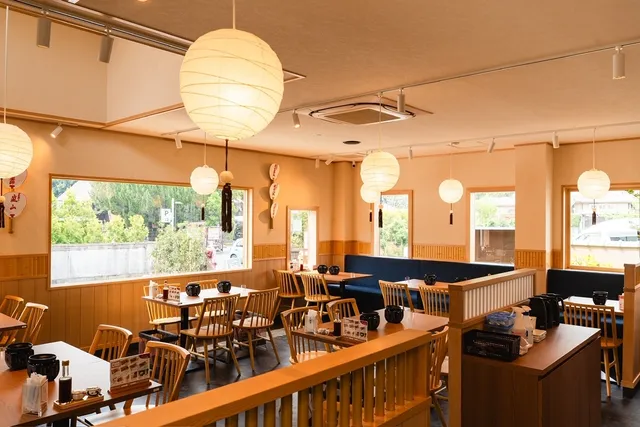
Gyukatsu Kyoto Katsugyu Arashiyama store
4.9
(1.2K)
Open until 6:00 PM
Click for details
Nearby local services of Tahoden (Hall of Many Treasures)
Arashiyama Bamboo Grove
Hōgon-in Temple
Nonomiya Shrine
天龍寺北門
Tenryu-ji Hatto (Dharma Hall)
Suzuriishi
Ozuru
Hatto (Dharma Hall)
Kimono Rental Okamoto - Kyoto Station West Shop
Oimatsu Arashiyama
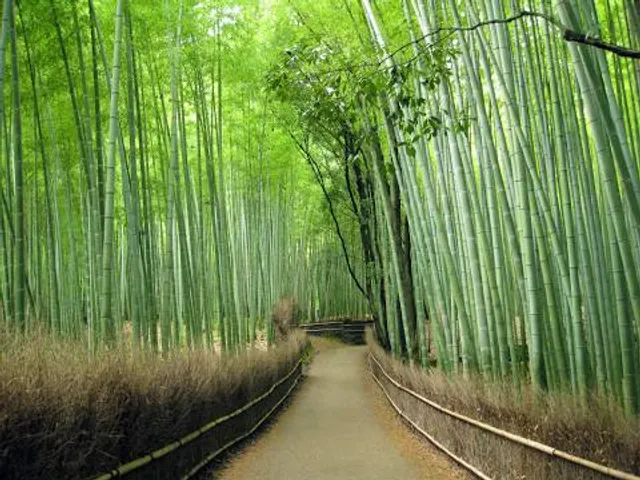
Arashiyama Bamboo Grove
4.4
(2.8K)
Click for details
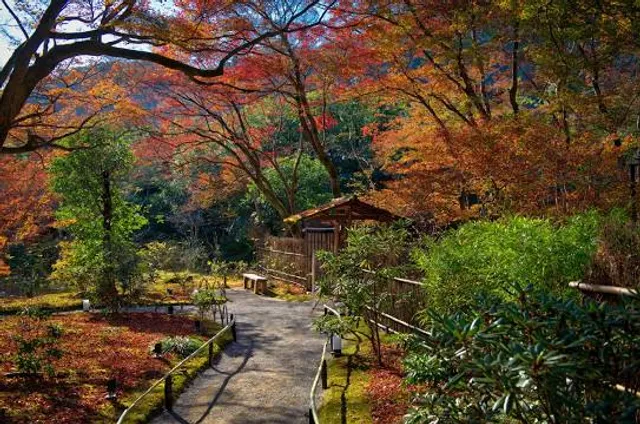
Hōgon-in Temple
4.4
(608)
Click for details
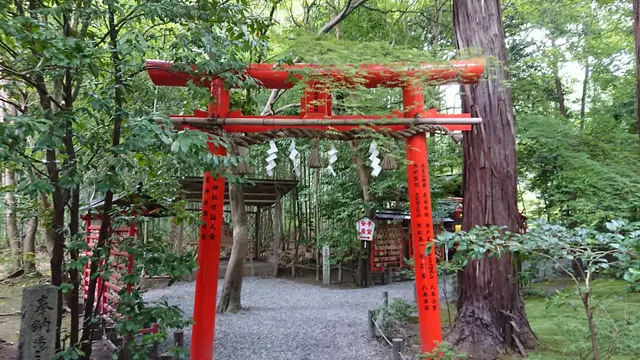
Nonomiya Shrine
4.4
(148)
Click for details
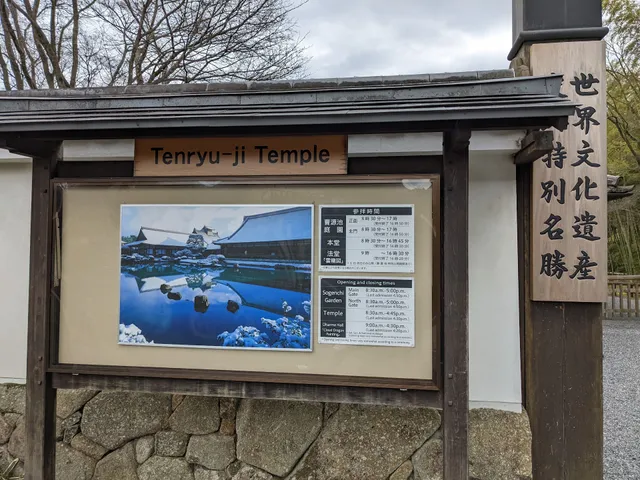
天龍寺北門
4.1
(26)
Click for details