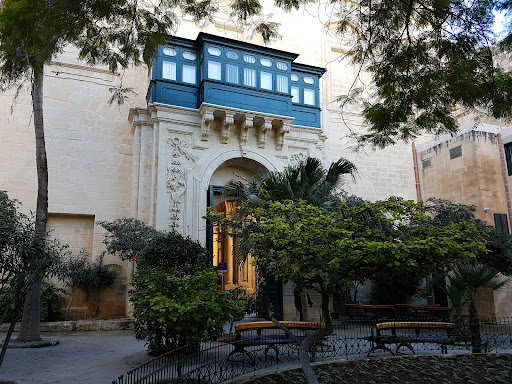
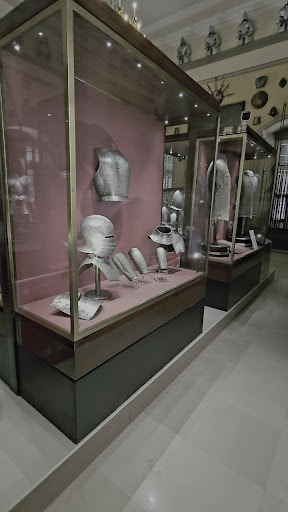
Grand Master's Palace things to do, attractions, restaurants, events info and trip planning
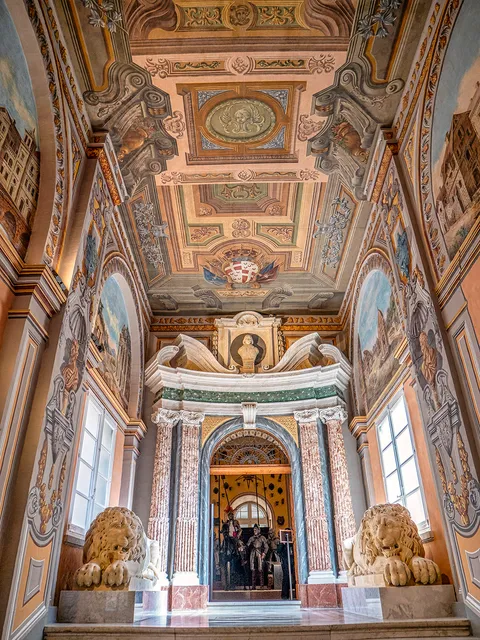
Basic Info
Grand Master's Palace
58 Republic St, Valletta, Malta
4.5(225)
Closed
Save
spot
spot
Ratings & Description
Info
Cultural
Family friendly
Accessibility
attractions: St. George’s Square, Grand Master's Palace, St. John's Co-Cathedral, Casa Rocca Piccola, Palace Armoury, Grandmaster's Palace, St John's Co-Cathedral Museum, Teatru Manoel, Malta Postal Museum & Arts Hub, Mysterium Fidei Museum St Catherine's Monastery and Secret Garden, restaurants: Caffe Cordina, Casa Sotto, Da Pablo Trattoria di Mare, Eddie's Cafe Regina, La Sfoglia, Lot 61 Coffee Roasters, Pastaus Restaurant Malta, Cheeky Monkey Gastropub Valletta, Kingsway Valletta, The Pub, local businesses: Is-Suq Tal-Belt - Valletta Food Market, Embassy Cinemas Valletta, Gelateria Cremilla Malta Valletta, Maltese, Lower Barrakka Gardens, NOM NOM Pinseria, Valletta City Gate, Upper Barrakka Gardens, Strait St, St Elmo’s Fire Jewellery
 Learn more insights from Wanderboat AI.
Phone
+356 2124 9349
Website
heritagemalta.mt
Open hoursSee all hours
Thu10 AM - 6 PMClosed
Plan your stay

Pet-friendly Hotels in Valletta
Find a cozy hotel nearby and make it a full experience.

Affordable Hotels in Valletta
Find a cozy hotel nearby and make it a full experience.

The Coolest Hotels You Haven't Heard Of (Yet)
Find a cozy hotel nearby and make it a full experience.

Trending Stays Worth the Hype in Valletta
Find a cozy hotel nearby and make it a full experience.
Reviews
Live events
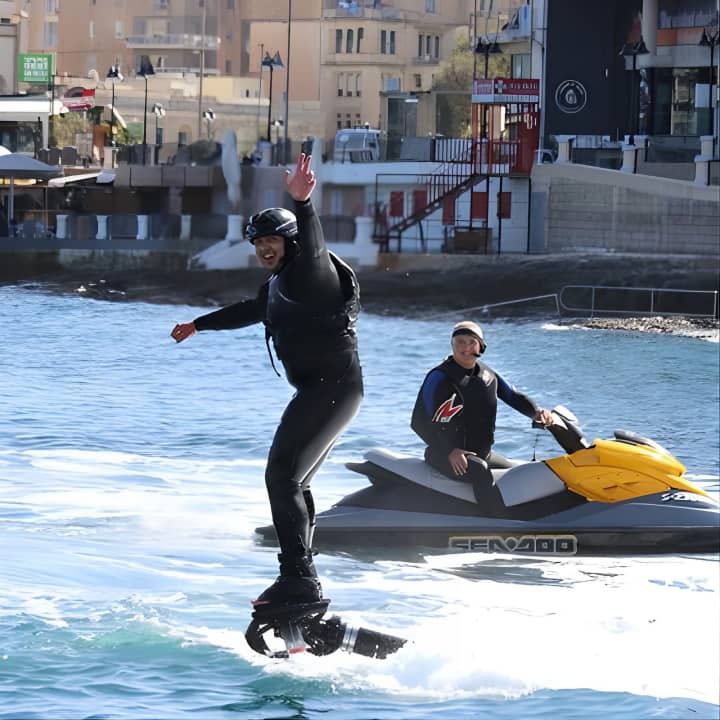
Flyboard Full Flight (30min)
Thu, Feb 12 • 9:00 AM
WF9V+H6W, St. Julian's
View details
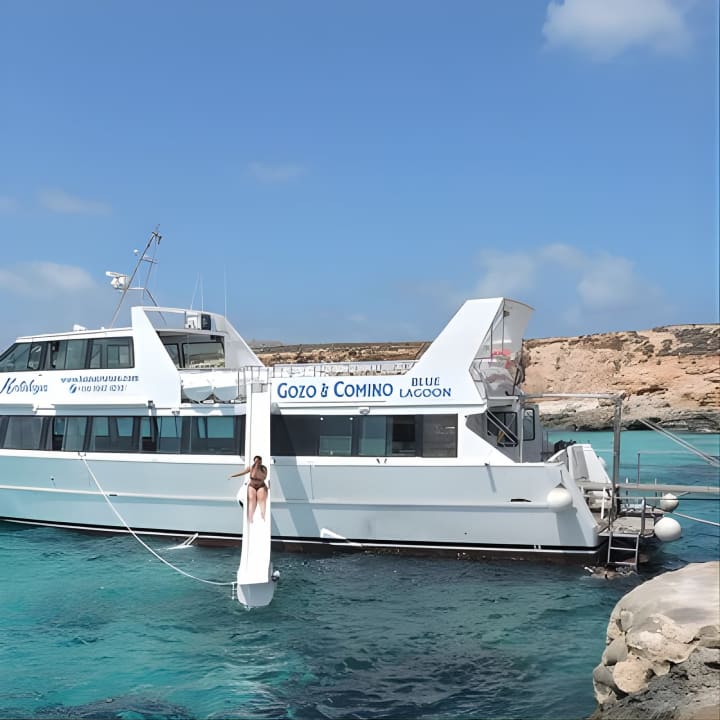
Comino Day Cruise
Thu, Feb 12 • 10:00 AM
Ferries 4, Triq Ix - Xatt, Sliema, SLM 1023
View details
Candlelight: The best of Abba
Sat, Feb 14 • 9:00 PM
The Mall FRN1478, Floriana, FRN1478
View details
Nearby attractions of Grand Master's Palace
St. George’s Square
Grand Master's Palace
St. John's Co-Cathedral
Casa Rocca Piccola
Palace Armoury
Grandmaster's Palace
St John's Co-Cathedral Museum
Teatru Manoel
Malta Postal Museum & Arts Hub
Mysterium Fidei Museum St Catherine's Monastery and Secret Garden
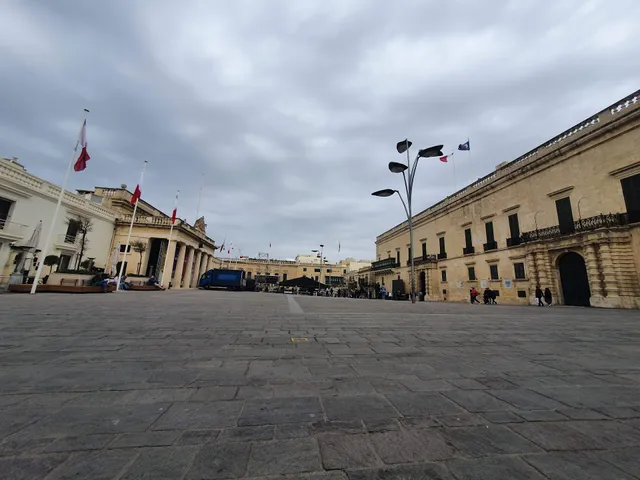
St. George’s Square
4.6
(2.2K)
Open until 12:00 AM
Click for details
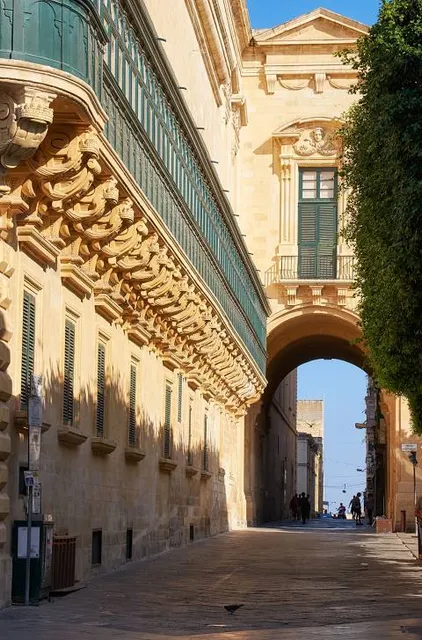
Grand Master's Palace
4.5
(1.1K)
Closed
Click for details
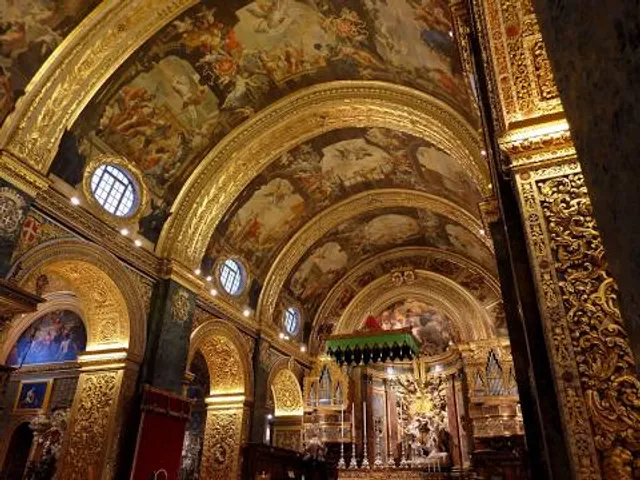
St. John's Co-Cathedral
4.8
(9.2K)
Closed
Click for details
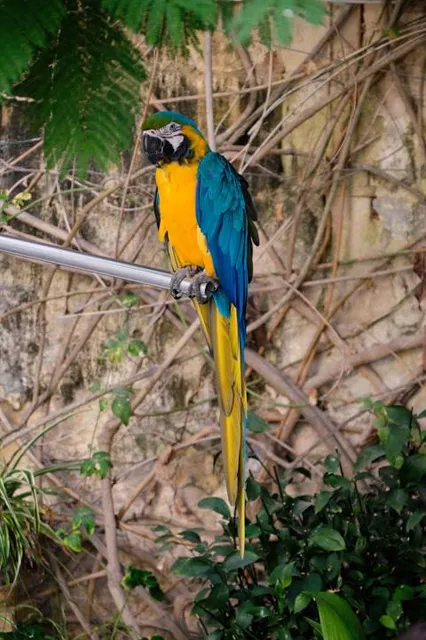
Casa Rocca Piccola
4.6
(1.5K)
Closed
Click for details
Nearby restaurants of Grand Master's Palace
Caffe Cordina
Casa Sotto
Da Pablo Trattoria di Mare
Eddie's Cafe Regina
La Sfoglia
Lot 61 Coffee Roasters
Pastaus Restaurant Malta
Cheeky Monkey Gastropub Valletta
Kingsway Valletta
The Pub
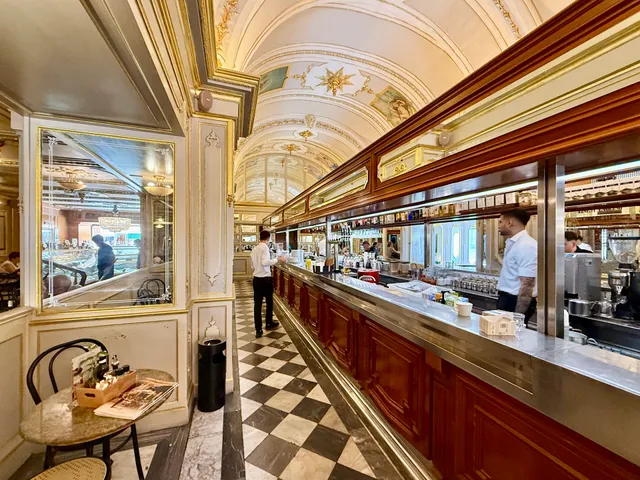
Caffe Cordina
4.1
(2.6K)
Closed
Click for details
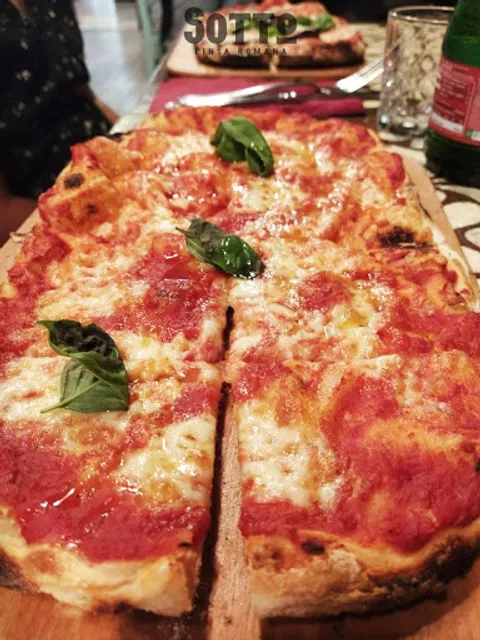
Casa Sotto
4.8
(912)
Closed
Click for details
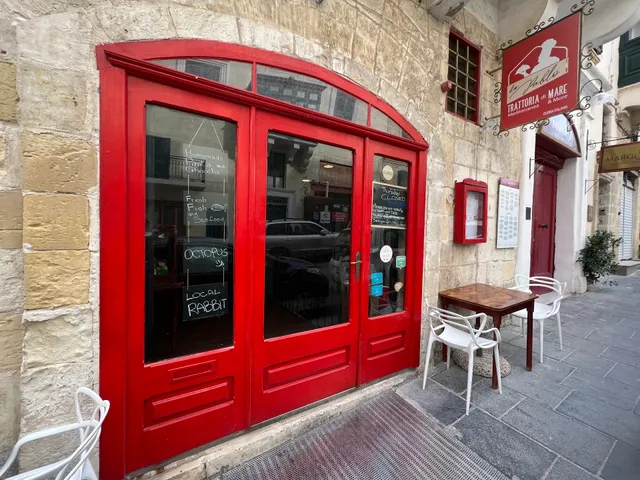
Da Pablo Trattoria di Mare
4.4
(791)
$$
Closed
Click for details
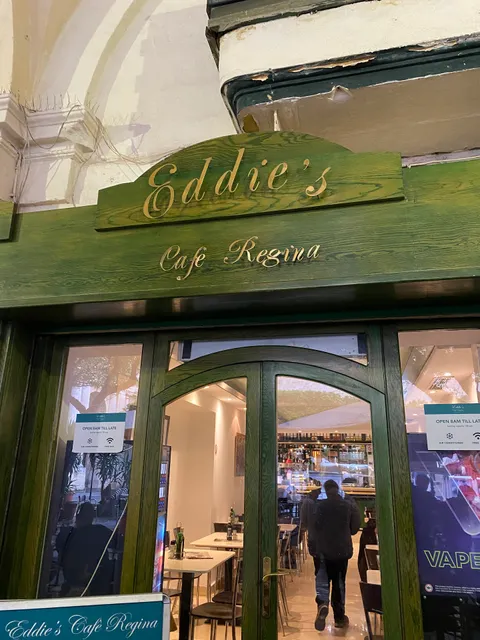
Eddie's Cafe Regina
3.7
(1.1K)
$$
Closed
Click for details
Nearby local services of Grand Master's Palace
Is-Suq Tal-Belt - Valletta Food Market
Embassy Cinemas Valletta
Gelateria Cremilla Malta Valletta
Maltese
Lower Barrakka Gardens
NOM NOM Pinseria
Valletta City Gate
Upper Barrakka Gardens
Strait St
St Elmo’s Fire Jewellery
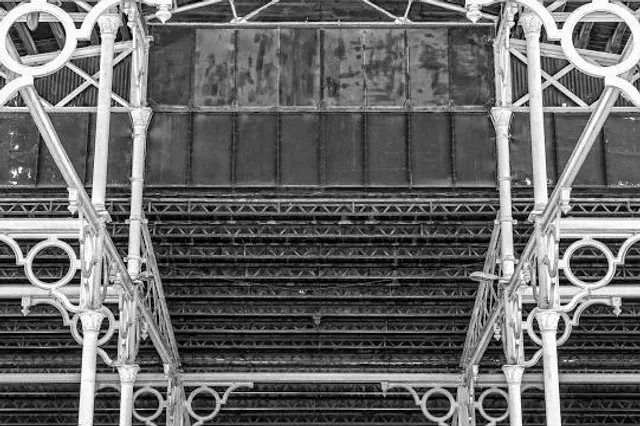
Is-Suq Tal-Belt - Valletta Food Market
4.3
(3.5K)
Click for details
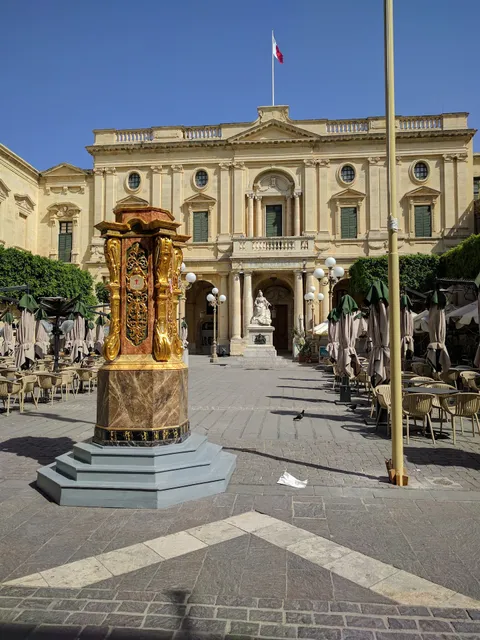
Embassy Cinemas Valletta
4.1
(1.0K)
Click for details
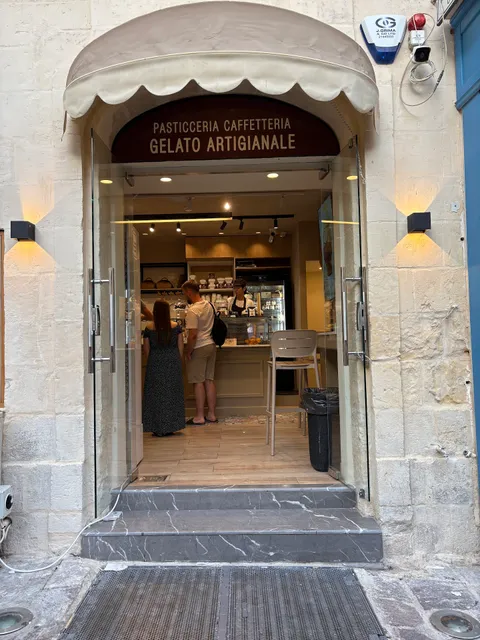
Gelateria Cremilla Malta Valletta
4.9
(275)
Click for details
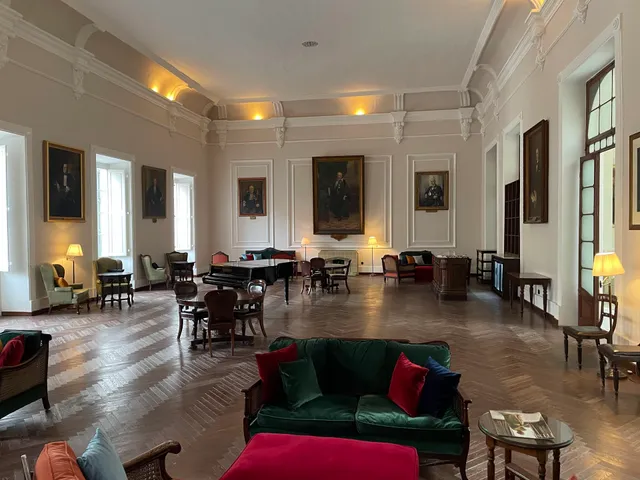
Maltese
4.6
(121)
Click for details