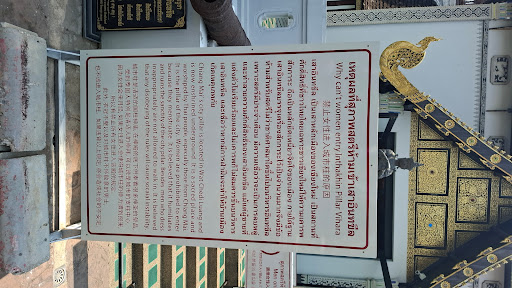
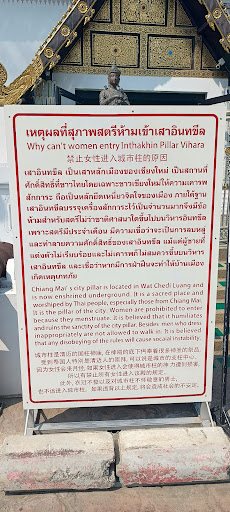
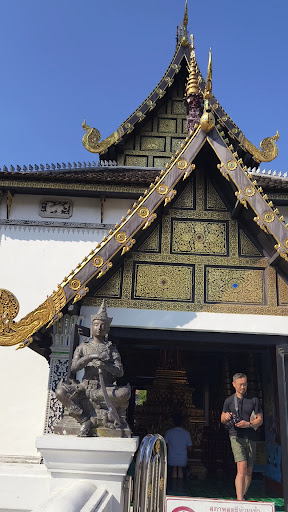
City Pillar Shrine (San Lak Mueang) things to do, attractions, restaurants, events info and trip planning
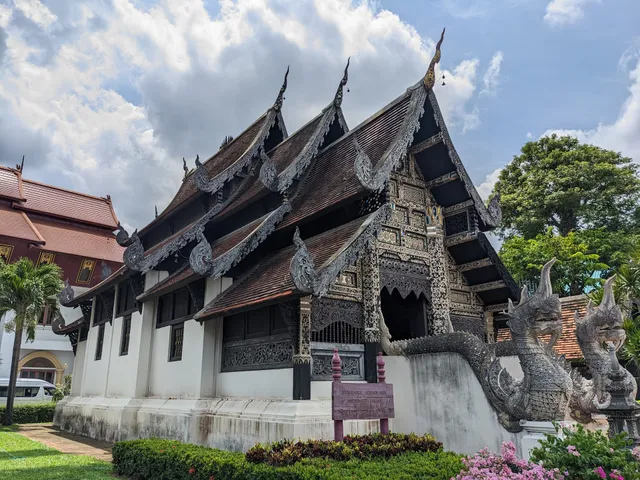
Basic Info
City Pillar Shrine (San Lak Mueang)
103 Prapokklao Road, Tambon Si Phum, Mueang Chiang Mai District, Chiang Mai 50200, Thailand
4.5(253)
Save
spot
spot
Ratings & Description
Info
Cultural
Family friendly
Accessibility
attractions: Wat Phantao, Wat Chedi Luang, Lanna Architecture Center, Three Kings Monument, Wat Chang Taem, Wat Jet Lin, The Treasury Museum Chiang Mai, Wat Duang Di, Wat Chetta, Wat Inthakhin Sadue Muang, restaurants: Poppy's Kitchen, Thaan Aoan, See You Soon Cafe Breakfast Brunch Coffee Dinner Thai food Drinks Shopping Hotel, Kati Breakfast and Brunch, Sompong Klang Wiang, LAZY LEMONN OLD CITY, Coco Mango The Garden, Pad Thai Rachadamnoen, La Fourchette, The Old City Inn, local businesses: Wat Chedi Luang, Wat Phantao, Chiang Mai Night Market, Da Massage, Wat Phan On, Wat Chang Taem, Lila Thai Massage Prapokklao, ถนนคนเดินเชียงใหม่, The Master Tattoo Chiang Mai, Kalm Village Chiang Mai
 Learn more insights from Wanderboat AI.
Website
facebook.com
Plan your stay

Pet-friendly Hotels in Chiang Mai Province
Find a cozy hotel nearby and make it a full experience.

Affordable Hotels in Chiang Mai Province
Find a cozy hotel nearby and make it a full experience.

The Coolest Hotels You Haven't Heard Of (Yet)
Find a cozy hotel nearby and make it a full experience.

Trending Stays Worth the Hype in Chiang Mai Province
Find a cozy hotel nearby and make it a full experience.
Reviews
Live events

Aromdii Thai cooking
Wed, Jan 28 • 9:00 AM
Haiya Sub-district, Chiang Mai, 50100, Thailand
View details

Explore Sticky Waterfalls with Annie
Fri, Jan 30 • 7:00 AM
Chang Phueak, Chiang Mai, 50300, Thailand
View details
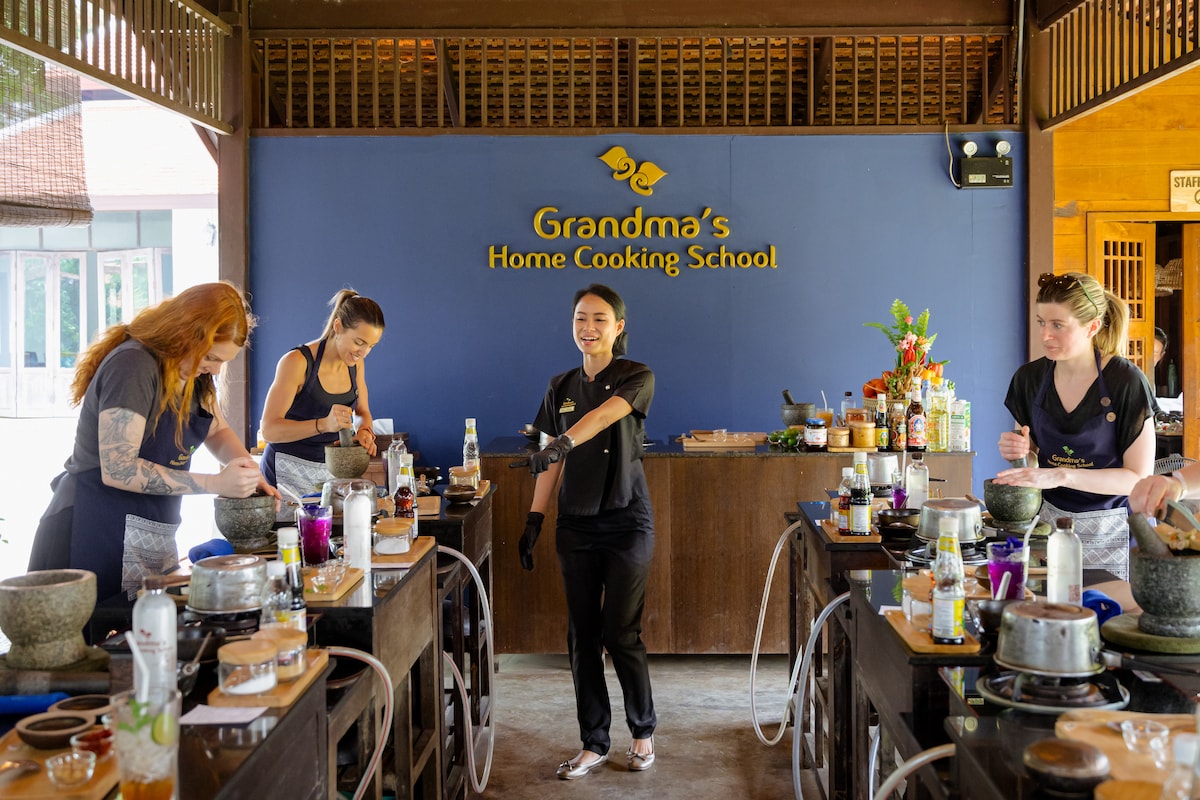
Cook Thai Dishes on Grandmas Organic Farm
Thu, Jan 29 • 4:00 PM
Saraphi, Chiang Mai, 50140, Thailand
View details
Nearby attractions of City Pillar Shrine (San Lak Mueang)
Wat Phantao
Wat Chedi Luang
Lanna Architecture Center
Three Kings Monument
Wat Chang Taem
Wat Jet Lin
The Treasury Museum Chiang Mai
Wat Duang Di
Wat Chetta
Wat Inthakhin Sadue Muang
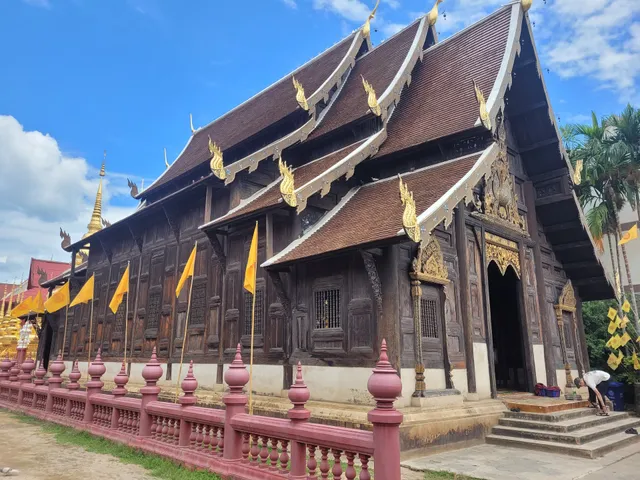
Wat Phantao
4.6
(1.0K)
Closed
Click for details
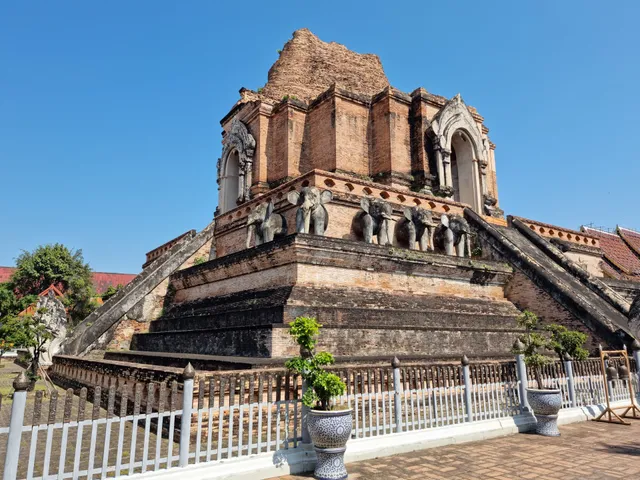
Wat Chedi Luang
4.7
(277)
Closed
Click for details
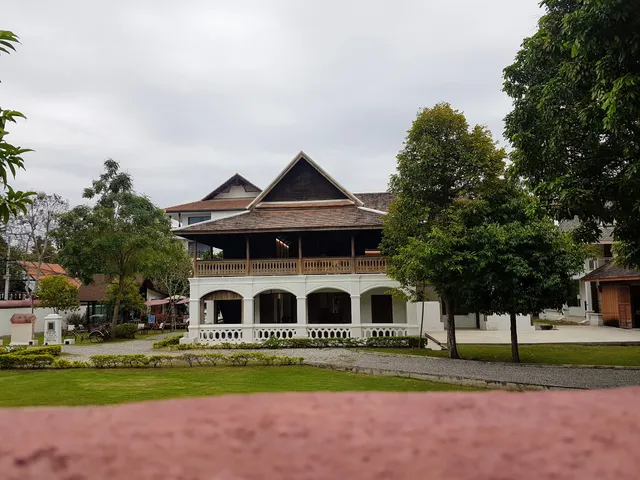
Lanna Architecture Center
4.3
(115)
Closed
Click for details
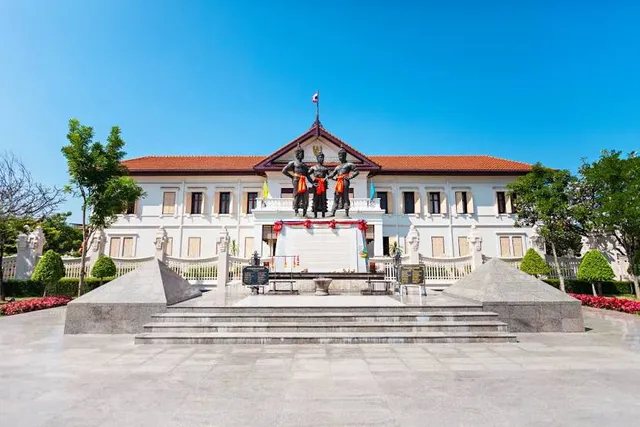
Three Kings Monument
4.3
(3.8K)
Open until 12:00 AM
Click for details
Nearby restaurants of City Pillar Shrine (San Lak Mueang)
Poppy's Kitchen
Thaan Aoan
See You Soon Cafe Breakfast Brunch Coffee Dinner Thai food Drinks Shopping Hotel
Kati Breakfast and Brunch
Sompong Klang Wiang
LAZY LEMONN OLD CITY
Coco Mango The Garden
Pad Thai Rachadamnoen
La Fourchette
The Old City Inn
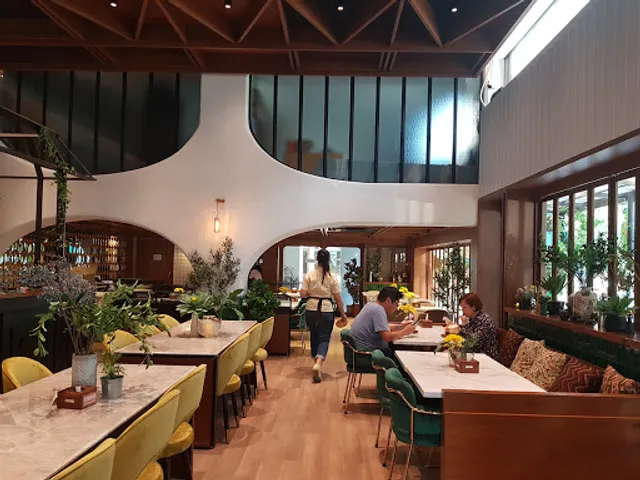
Poppy's Kitchen
4.1
(300)
Closed
Click for details
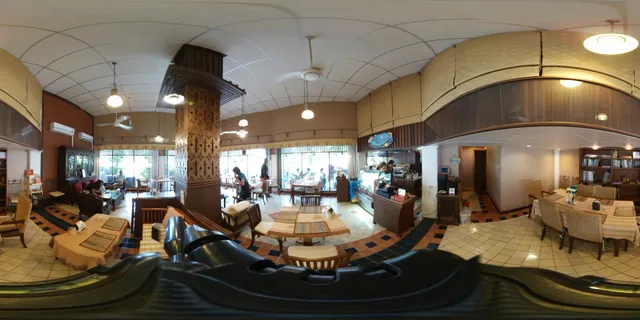
Thaan Aoan
4.6
(1.1K)
Closed
Click for details
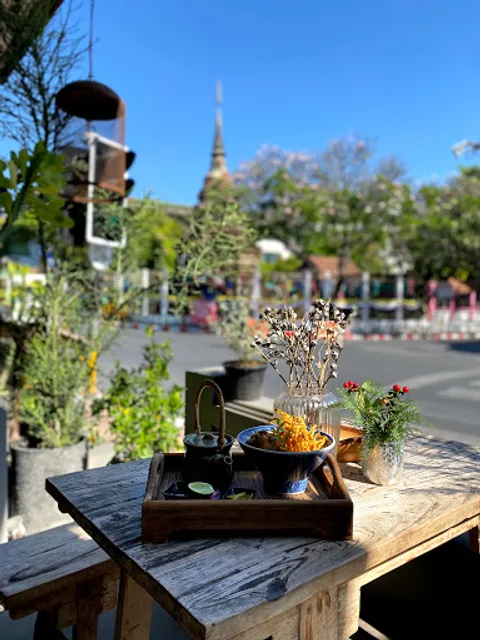
See You Soon Cafe Breakfast Brunch Coffee Dinner Thai food Drinks Shopping Hotel
4.0
(749)
$$
Closed
Click for details
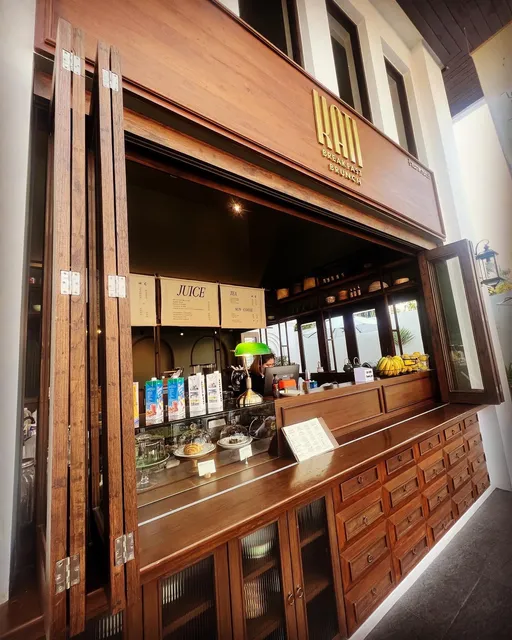
Kati Breakfast and Brunch
4.5
(589)
Closed
Click for details
Nearby local services of City Pillar Shrine (San Lak Mueang)
Wat Chedi Luang
Wat Phantao
Chiang Mai Night Market
Da Massage
Wat Phan On
Wat Chang Taem
Lila Thai Massage Prapokklao
ถนนคนเดินเชียงใหม่
The Master Tattoo Chiang Mai
Kalm Village Chiang Mai
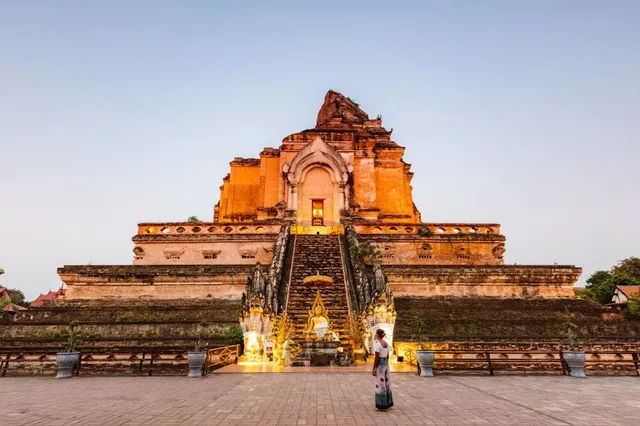
Wat Chedi Luang
4.7
(4.7K)
Click for details
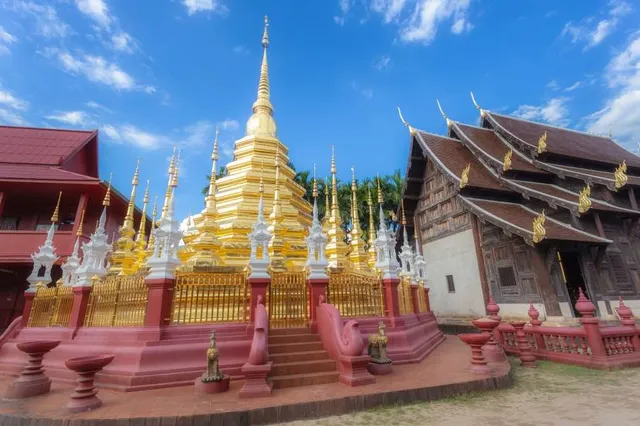
Wat Phantao
4.6
(774)
Click for details
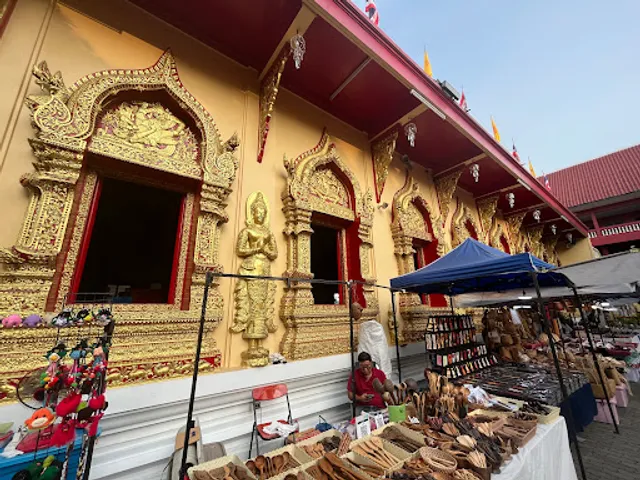
Chiang Mai Night Market
4.5
(1.2K)
Click for details
Da Massage
4.6
(446)
Click for details