Regent St. things to do, attractions, restaurants, events info and trip planning
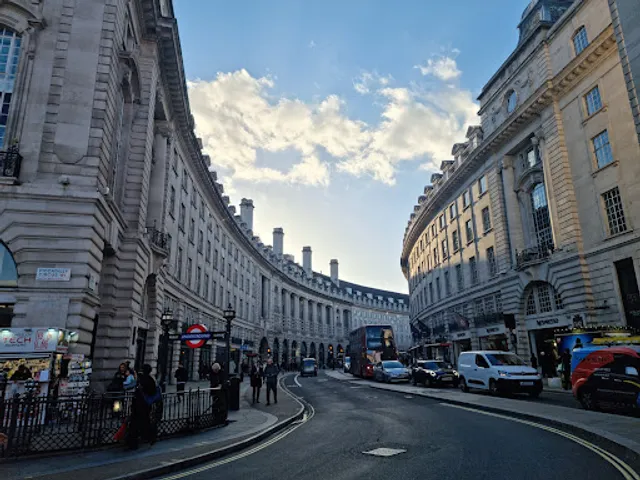
Basic Info
Regent St.
London, UK
4.8(982)
Save
spot
spot
Ratings & Description
Info
Cultural
Entertainment
Accessibility
attractions: The London Palladium, Regent Street Lights, The Photographers' Gallery, Oxford Circus, Maddox Gallery, Twist Museum, Hauser & Wirth, Golden Square, Unit, Sadie Coles HQ, restaurants: Dishoom Carnaby, sketch, Pizza Pilgrims, Ain't Nothin' But, Kingly Court, The Clachan, Mother Mash - Carnaby, Dehesa, Ergon Deli, Dirty Bones Carnaby, local businesses: Regent Street, Apple Regent Street, Carnaby St, On Flagship Store London Regent Street, Build-A-Bear Workshop, Venchi Chocolate & Gelato Carnaby, H&M, COS, Hackett London - Regent Street, Carnaby Street
 Learn more insights from Wanderboat AI.
Plan your stay

Pet-friendly Hotels in London
Find a cozy hotel nearby and make it a full experience.

Affordable Hotels in London
Find a cozy hotel nearby and make it a full experience.

The Coolest Hotels You Haven't Heard Of (Yet)
Find a cozy hotel nearby and make it a full experience.

Trending Stays Worth the Hype in London
Find a cozy hotel nearby and make it a full experience.
Reviews
Live events
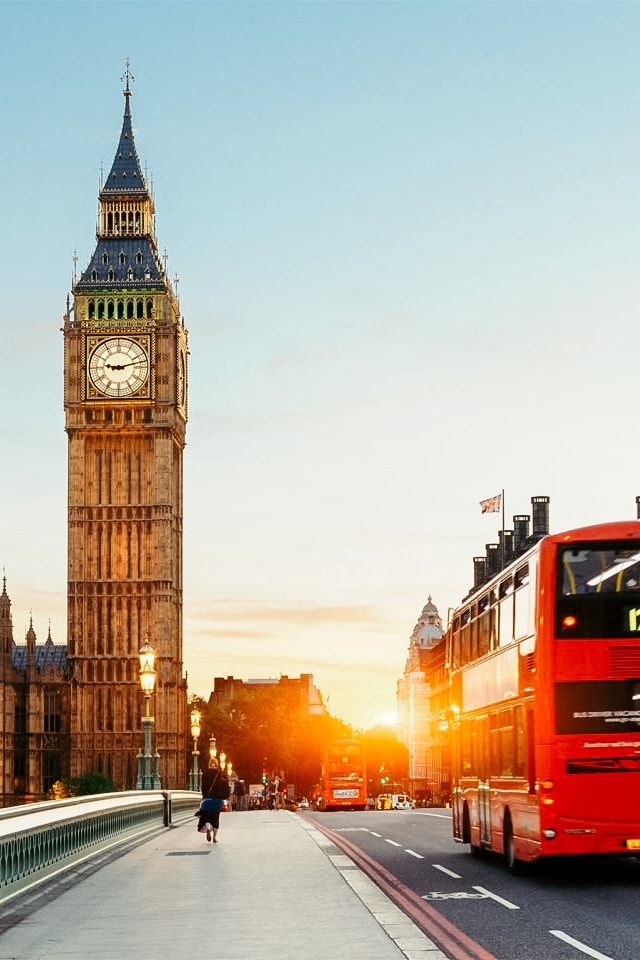
Explore 30+ London sights
Sun, Feb 15 • 10:00 AM
Greater London, W1J 9BR, United Kingdom
View details

Top-Rated London Harry Potter Tour—Family Friendly
Sun, Feb 15 • 1:30 PM
Greater London, N1 9AP, United Kingdom
View details
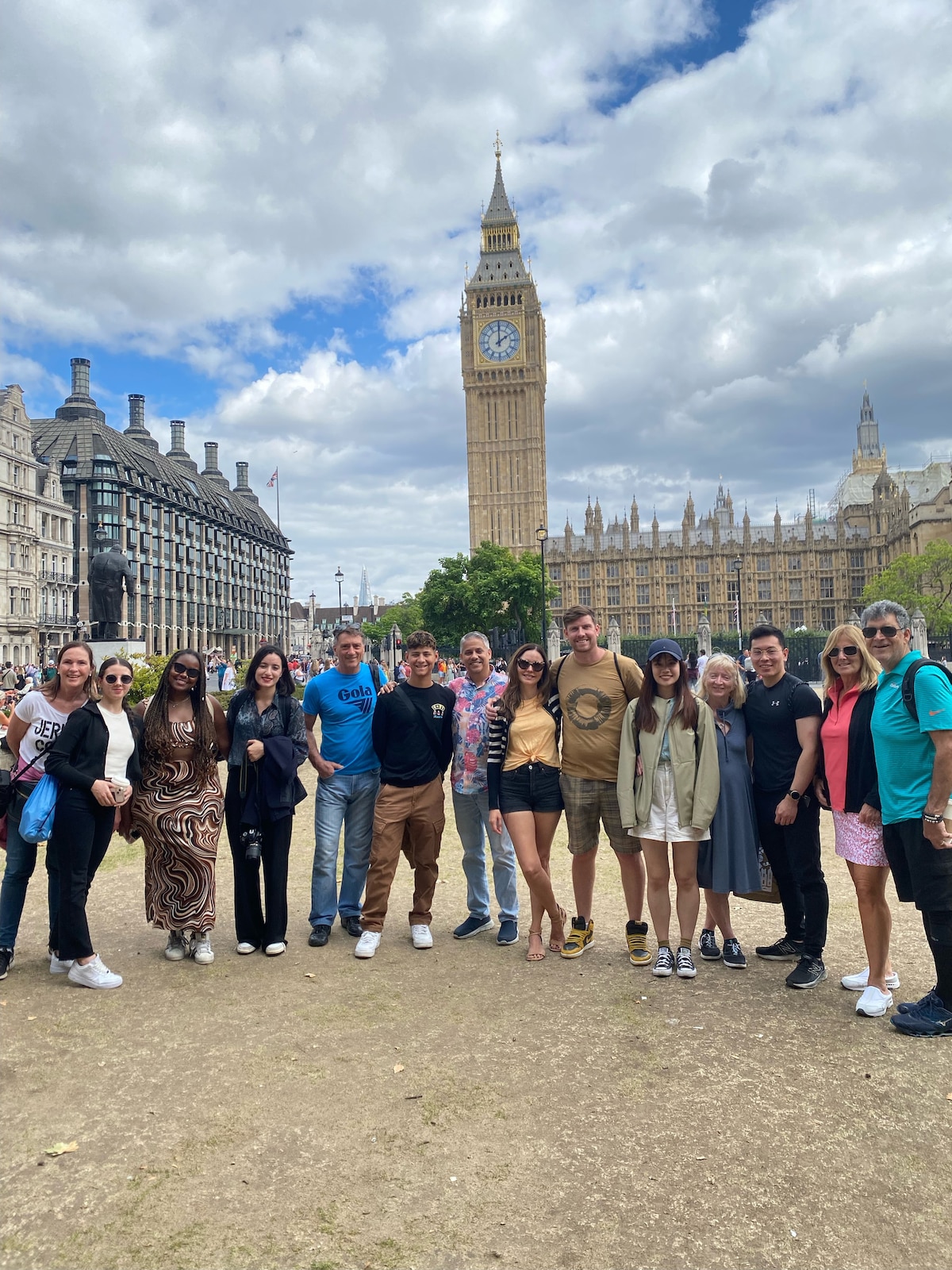
London sightseeing walking tour with 30 sights
Mon, Feb 16 • 10:00 AM
Greater London, SW1E 5EA, United Kingdom
View details
Nearby attractions of Regent St.
The London Palladium
Regent Street Lights
The Photographers' Gallery
Oxford Circus
Maddox Gallery
Twist Museum
Hauser & Wirth
Golden Square
Unit
Sadie Coles HQ

The London Palladium
4.6
(5K)
Open 24 hours
Click for details

Regent Street Lights
4.7
(206)
Open 24 hours
Click for details

The Photographers' Gallery
4.6
(1.4K)
Open until 6:00 PM
Click for details
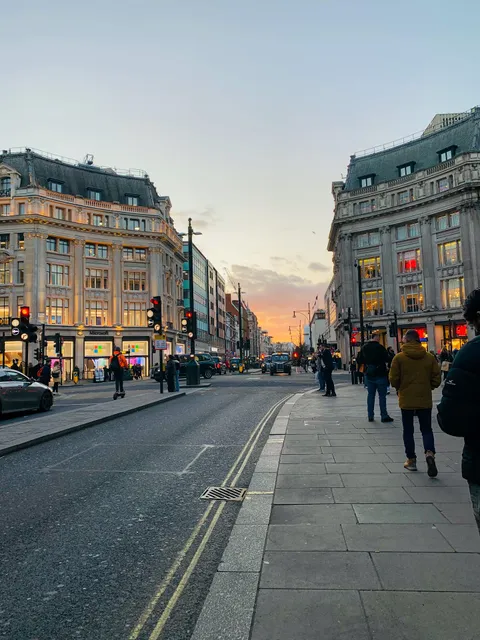
Oxford Circus
4.6
(1.9K)
Open 24 hours
Click for details
Nearby restaurants of Regent St.
Dishoom Carnaby
sketch
Pizza Pilgrims
Ain't Nothin' But
Kingly Court
The Clachan
Mother Mash - Carnaby
Dehesa
Ergon Deli
Dirty Bones Carnaby
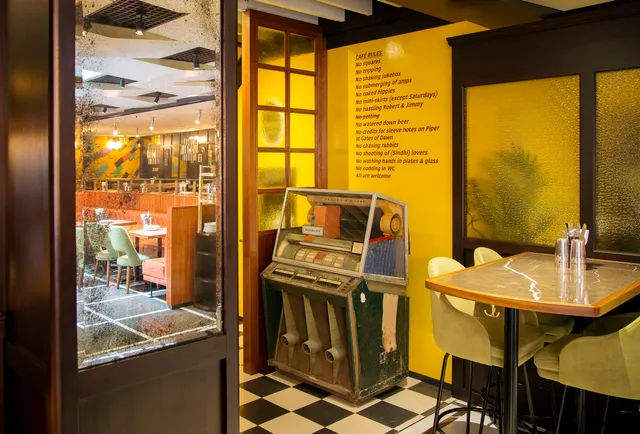
Dishoom Carnaby
4.7
(8.5K)
$$
Open until 11:00 PM
Click for details
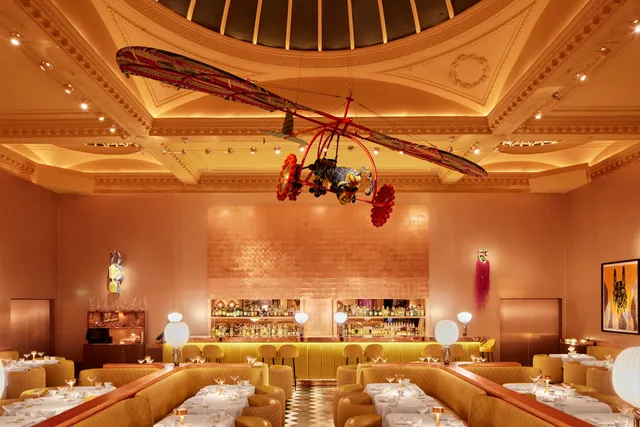
sketch
4.3
(4K)
Open until 12:00 AM
Click for details
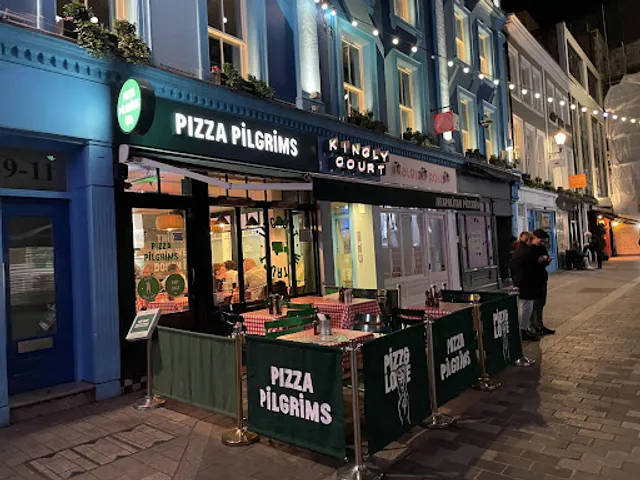
Pizza Pilgrims
4.8
(5.8K)
Open until 8:45 PM
Click for details
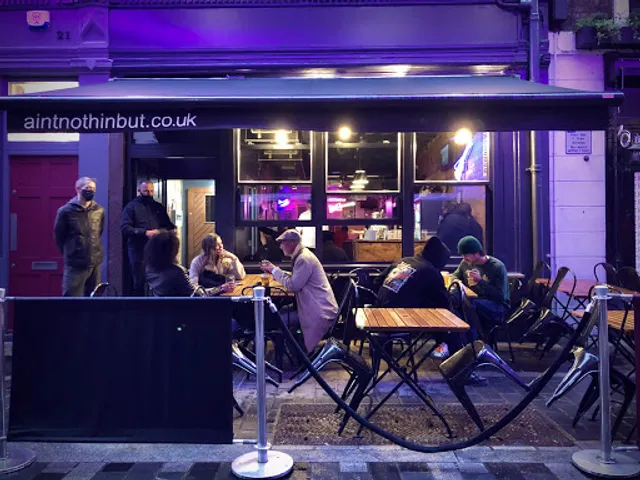
Ain't Nothin' But
4.6
(1.8K)
$
Open until 11:30 PM
Click for details
Nearby local services of Regent St.
Regent Street
Apple Regent Street
Carnaby St
On Flagship Store London Regent Street
Build-A-Bear Workshop
Venchi Chocolate & Gelato Carnaby
H&M
COS
Hackett London - Regent Street
Carnaby Street
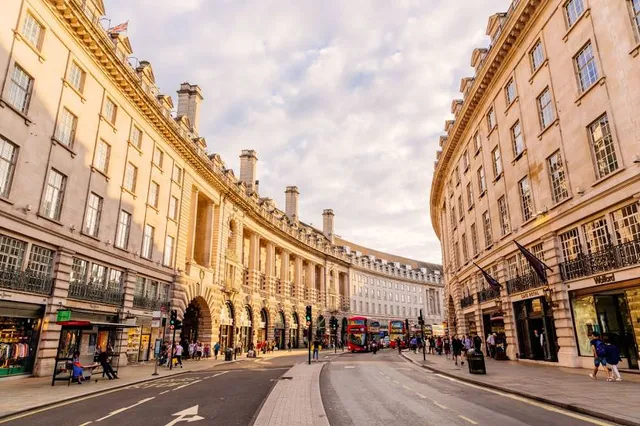
Regent Street
4.8
(374)
Click for details
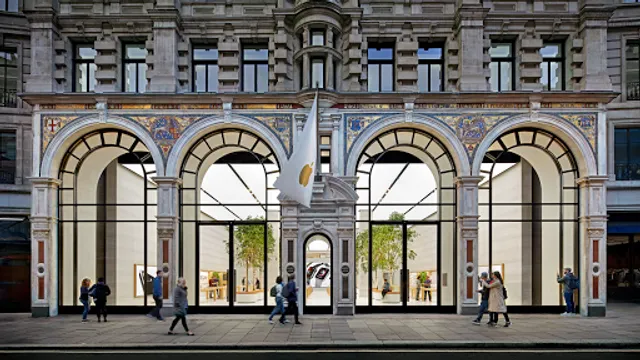
Apple Regent Street
4.2
(3.5K)
Click for details
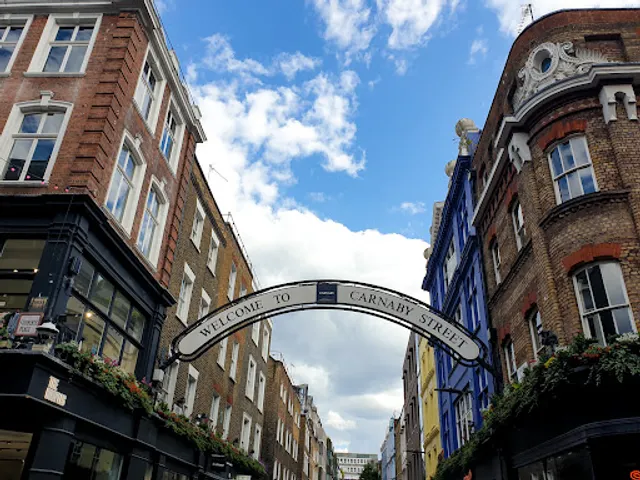
Carnaby St
4.6
(1.3K)
Click for details
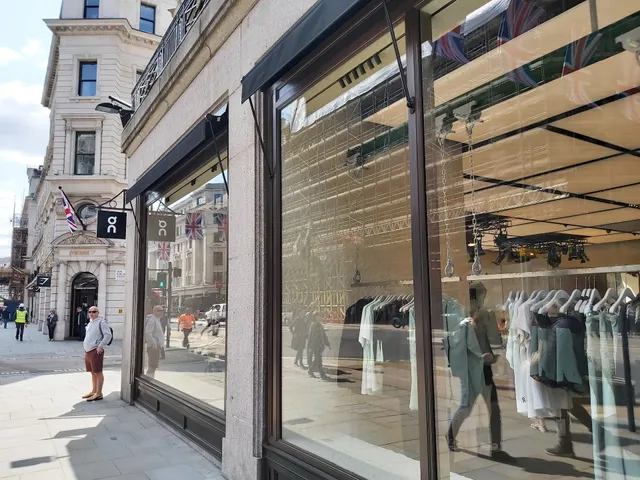
On Flagship Store London Regent Street
4.1
(719)
Click for details


The hit list


Plan your trip with Wanderboat
Welcome to Wanderboat AI, your AI search for local Eats and Fun, designed to help you explore your city and the world with ease.
Powered by Wanderboat AI trip planner.