Graceland Cemetery things to do, attractions, restaurants, events info and trip planning
Basic Info
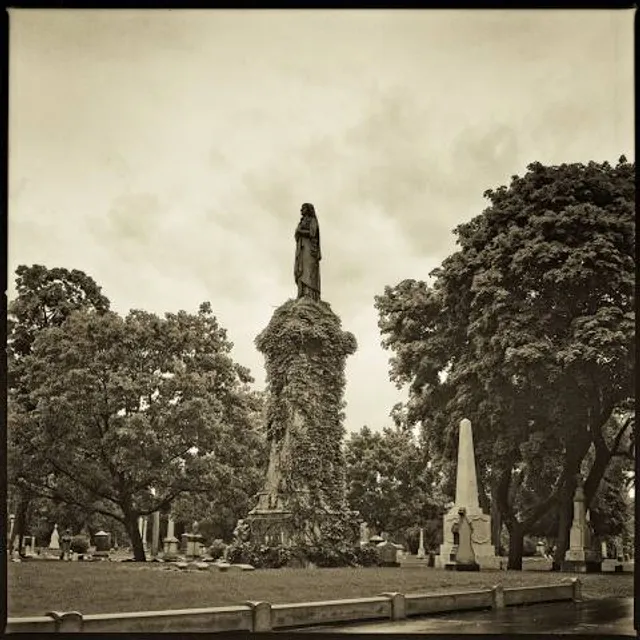
Graceland Cemetery
4001 N Clark St, Chicago, IL 60613
4.7(121)
Closed
Save
spot
spot
Ratings & Description
Info
Cultural
Scenic
Outdoor
Family friendly
attractions: Mercury Theater Chicago, Kelly Park, Wrigley Field, Ann Sather Garden, Buena Circle Park, Challenger Park, Gallagher Way, Juniper Park, Royal Flesh Tattoo and Piercing, Getty Tomb - Louis H. Sullivan, Architect, restaurants: Port and Park Restaurant & Bar, Toons Bar & Grill, El Taco Toro, Tango Sur, UncommonGround - Lakeview, Almost Home Tavern, Bodega Sur, Domino's Pizza, Kai Sushi, Min Min & THEE Asian Cafe, local businesses: Ivy Smoke & Vape, Music Box Theatre, Hebrew Benevolent Cemetery, 1612 W Irving Park Rd, Candyality, Batik Chicago, Levy Restaurants - WRIGLEY FIELD ONLY, Clark Street Sports - Wrigleyville, New York food mart &deli., Redbud Jewelry - Appointment Only
 Learn more insights from Wanderboat AI.
Website
gracelandcemetery.org
Open hoursSee all hours
Sat9 AM - 4 PMClosed
Plan your stay

Pet-friendly Hotels in Lake View Township
Find a cozy hotel nearby and make it a full experience.

Affordable Hotels in Lake View Township
Find a cozy hotel nearby and make it a full experience.

The Coolest Hotels You Haven't Heard Of (Yet)
Find a cozy hotel nearby and make it a full experience.

Trending Stays Worth the Hype in Lake View Township
Find a cozy hotel nearby and make it a full experience.
Reviews
Live events
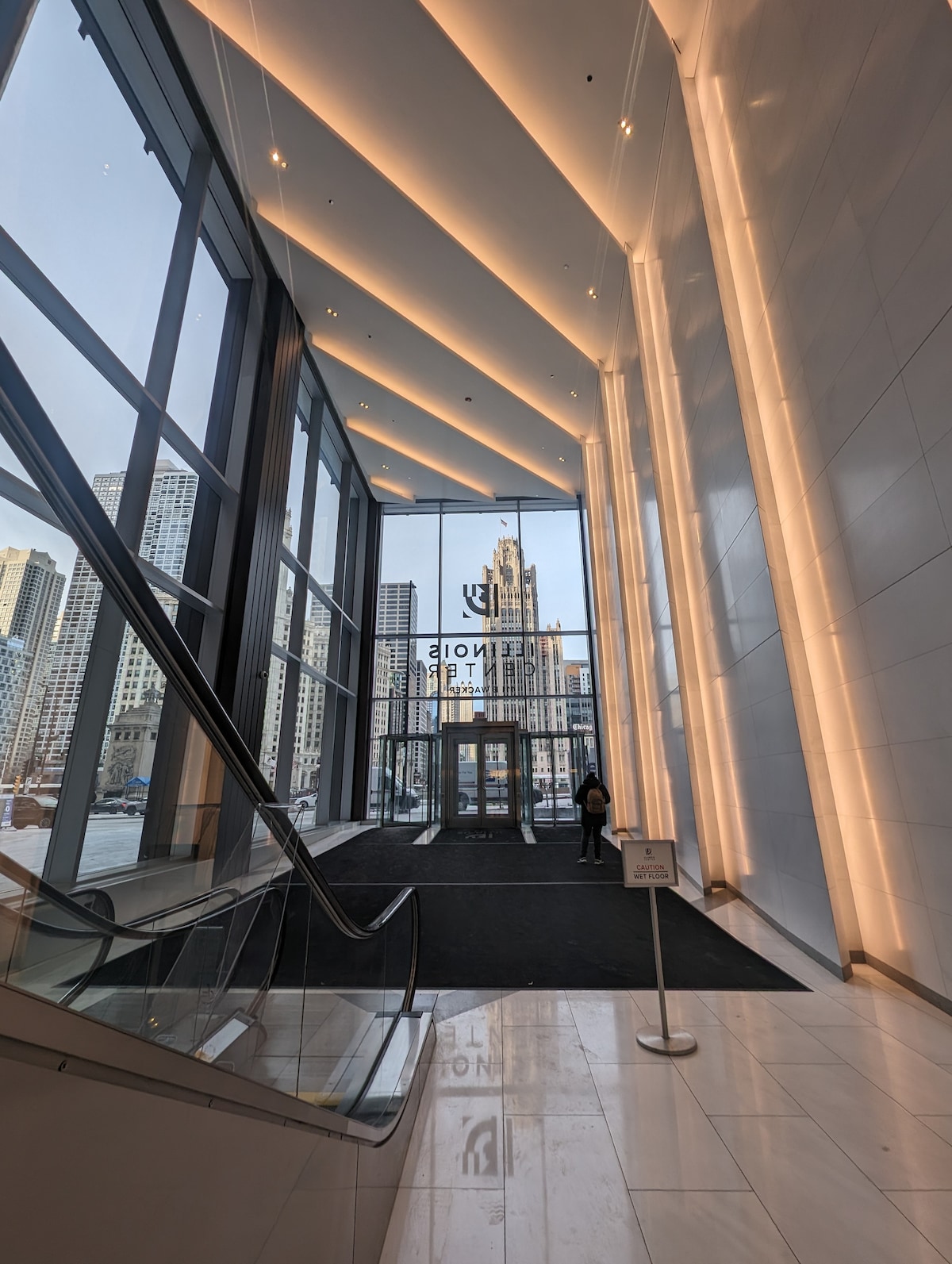
Chicago Underground Pedway & Secret Interiors Tour
Sat, Feb 7 • 10:00 AM
Chicago, Illinois, 60602
View details

ILAPT 2026 Annual Conference
Fri, Feb 6 • 8:30 AM
1110 Pleasant Street Oak Park, IL 60302
View details

Opening Keynote: Teresa Montoya’s Tó Łitso (Yellow Water)
Sat, Feb 7 • 2:00 PM
40 Arts Circle Drive Evanston, IL 60208
View details
Nearby attractions of Graceland Cemetery
Mercury Theater Chicago
Kelly Park
Wrigley Field
Ann Sather Garden
Buena Circle Park
Challenger Park
Gallagher Way
Juniper Park
Royal Flesh Tattoo and Piercing
Getty Tomb - Louis H. Sullivan, Architect
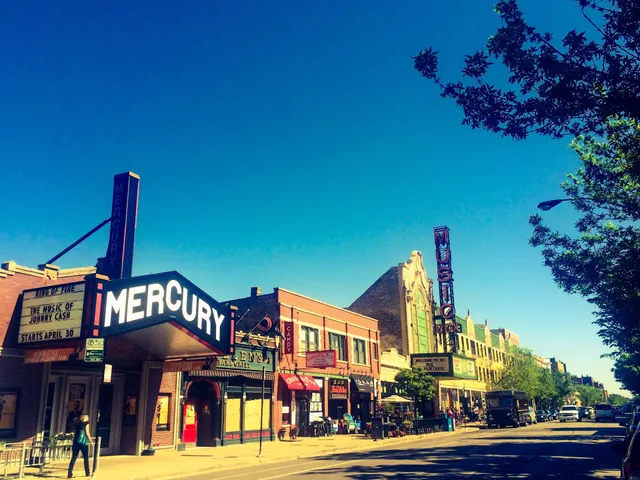
Mercury Theater Chicago
4.8
(321)
Open 24 hours
Click for details
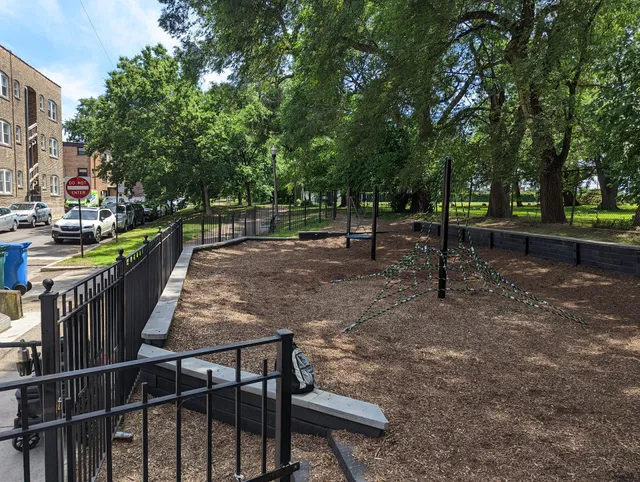
Kelly Park
4.3
(29)
Closed
Click for details
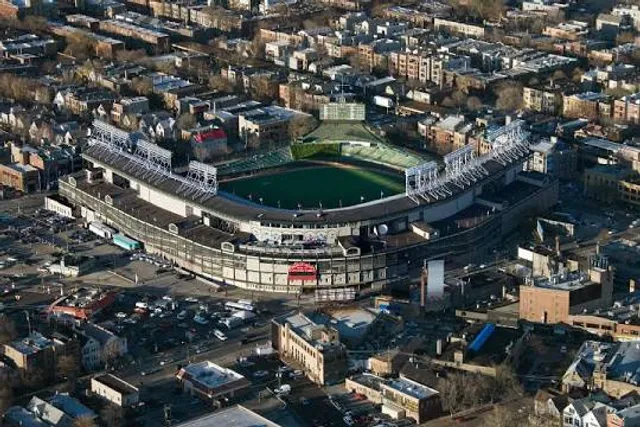
Wrigley Field
4.8
(12.3K)
Open 24 hours
Click for details

Ann Sather Garden
4.6
(8)
Open 24 hours
Click for details
Nearby restaurants of Graceland Cemetery
Port and Park Restaurant & Bar
Toons Bar & Grill
El Taco Toro
Tango Sur
UncommonGround - Lakeview
Almost Home Tavern
Bodega Sur
Domino's Pizza
Kai Sushi
Min Min & THEE Asian Cafe
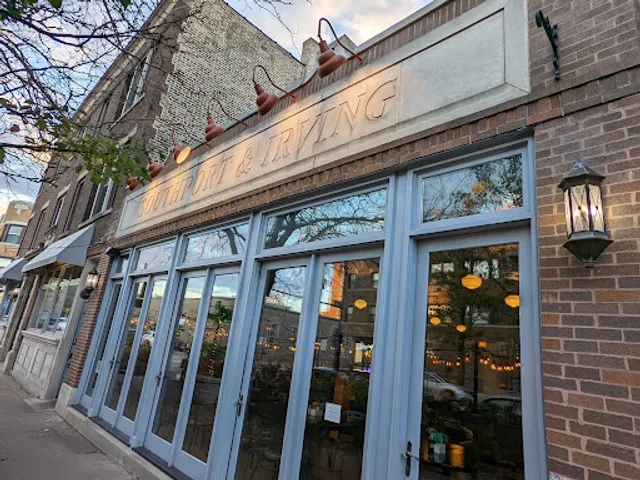
Port and Park Restaurant & Bar
4.5
(432)
$$
Closed
Click for details
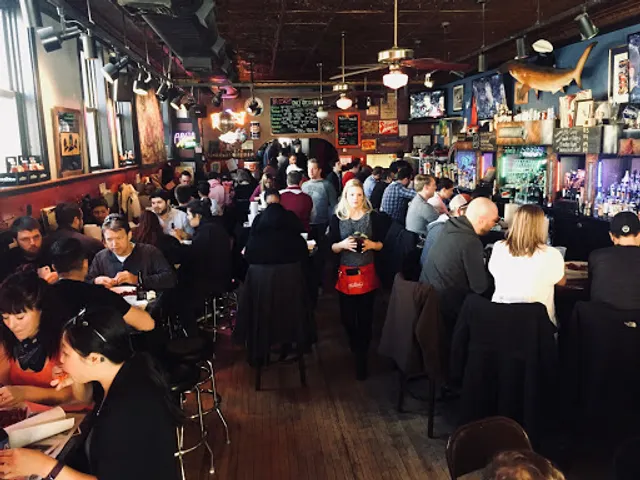
Toons Bar & Grill
4.5
(449)
$
Closed
Click for details
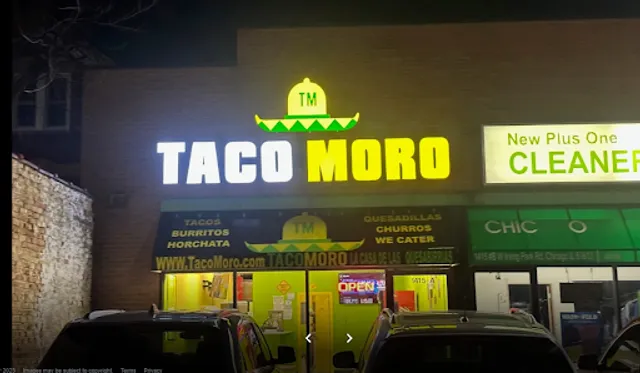
El Taco Toro
4.5
(174)
$
Closed
Click for details
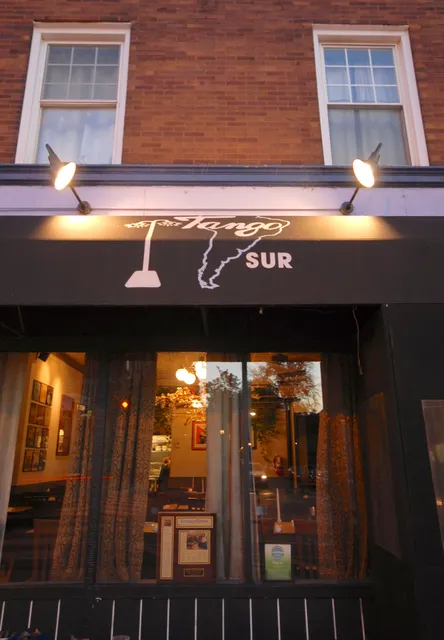
Tango Sur
4.5
(1.5K)
$$
Closed
Click for details
Nearby local services of Graceland Cemetery
Ivy Smoke & Vape
Music Box Theatre
Hebrew Benevolent Cemetery
1612 W Irving Park Rd
Candyality
Batik Chicago
Levy Restaurants - WRIGLEY FIELD ONLY
Clark Street Sports - Wrigleyville
New York food mart &deli.
Redbud Jewelry - Appointment Only
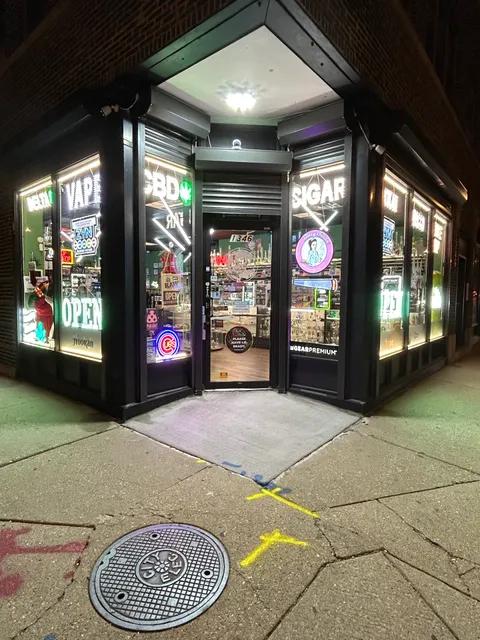
Ivy Smoke & Vape
4.9
(330)
Click for details
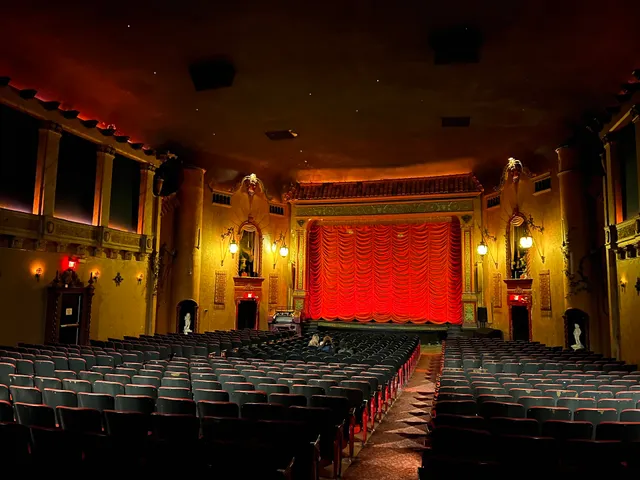
Music Box Theatre
4.8
(1.5K)
Click for details
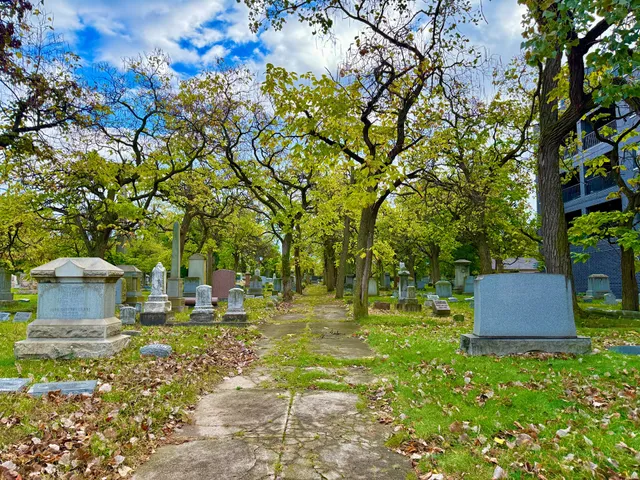
Hebrew Benevolent Cemetery
4.7
(8)
Click for details
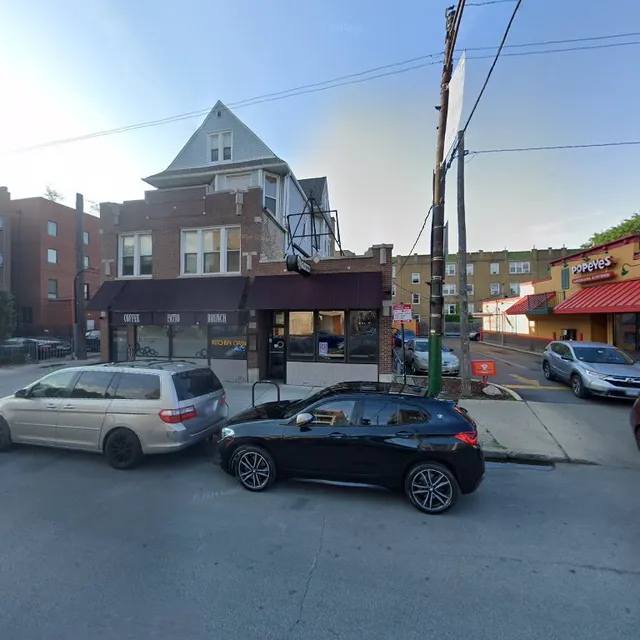
1612 W Irving Park Rd
4.7
(391)
Click for details