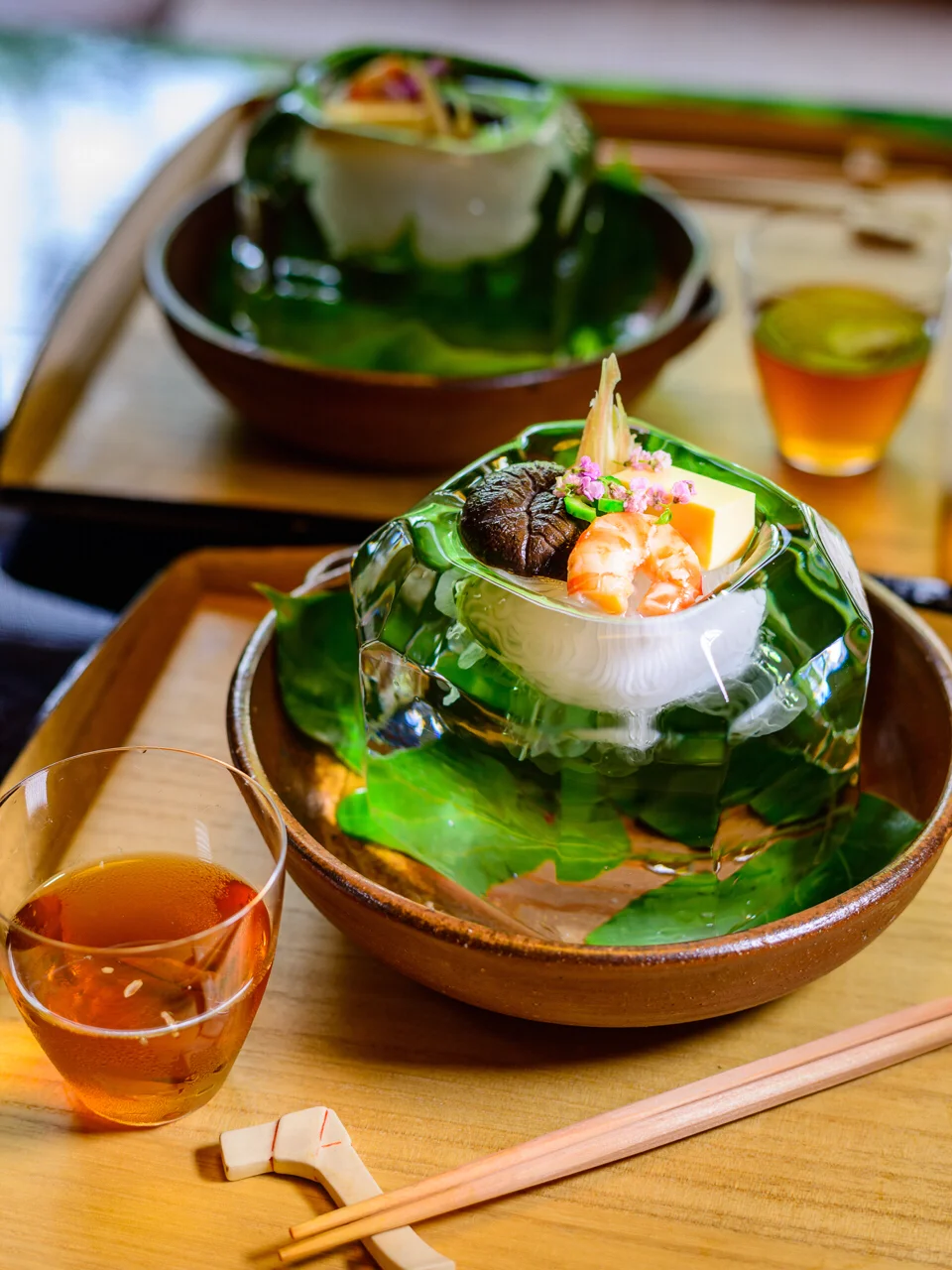
Went for lunch and had a relatively inexpensive course (20,000 yen), but was still greatly impressed by the experience. For me, the highlight is the beautiful presentation of the food and by that I mean the plates, bowls, dishes, and glassware that are used. All were made by hand and exquisite. This doesn't mean that the food was average, just that the presentation was so impressive.
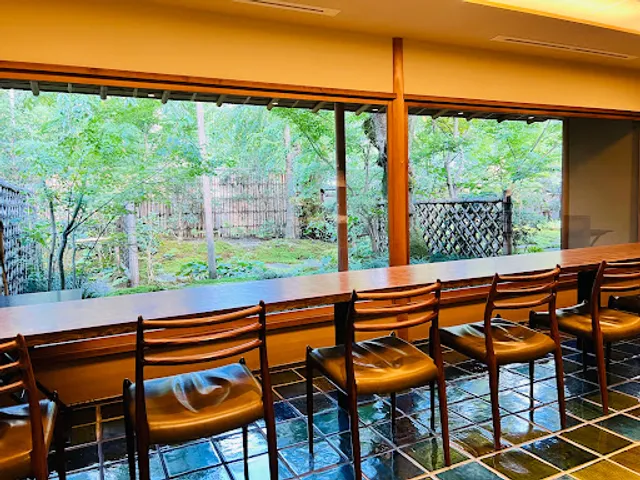
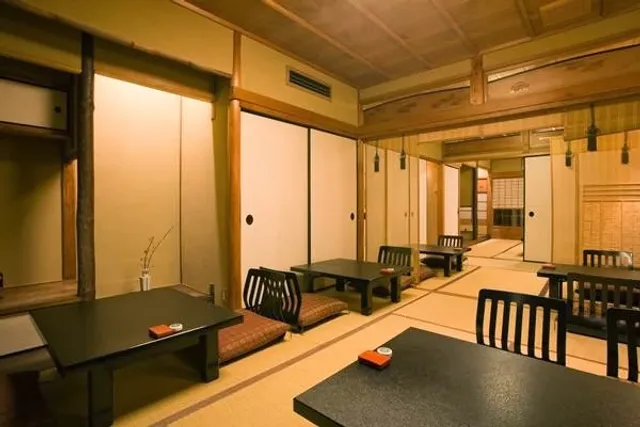
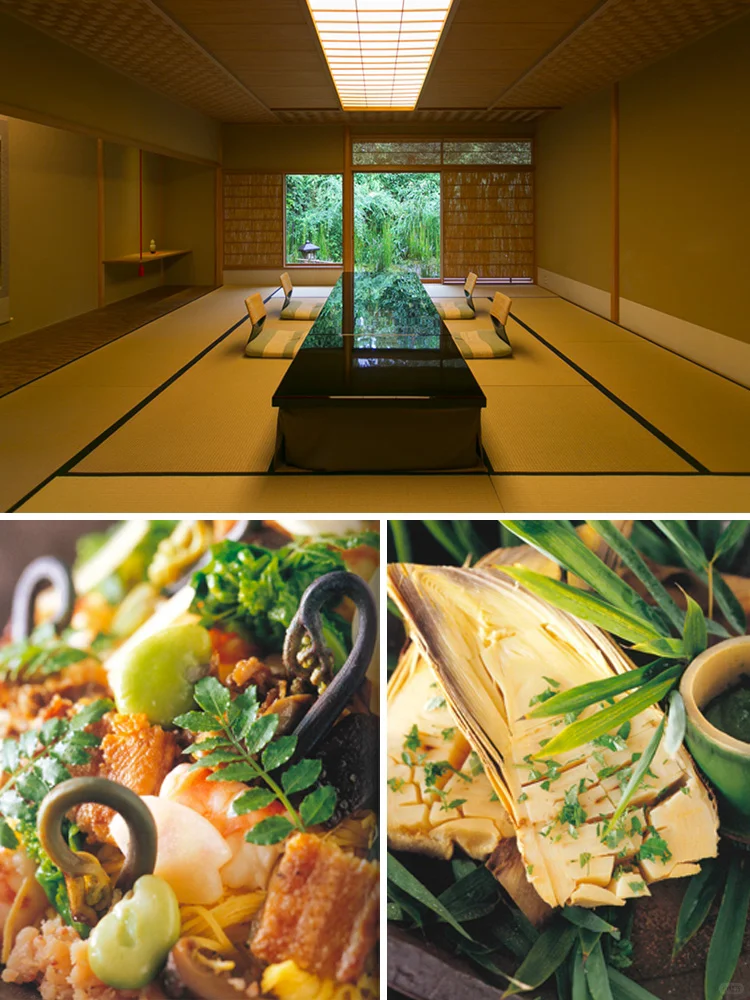
Everyone dines in a private room at Kikunoi, so adjust your expectations about what the atmosphere is going to be like. It's quiet, reserved, and relatively formal, but not so much as to make you uncomfortable. But it's not an open restaurant where you can see other or hear other diners or the kitchen. The private rooms are beautiful but they're very Kyoto, so not extensively decorated. The food and the diner are supposed to be the center of attention, so while you will get flowers, some decorations/artwork, and a view of a private garden, it's all very subtle.
I will get to the food in a second, but I was very impressed by the choice of sake (nihonshu). There is an extensive list (available in English) with a variety of sakes from across Japan at very reasonable prices. I tried two different bottles, one the Kikunoi house sake, which was floral and elegant, then a much drier sake from Niigata (Hakkaisan). They pair so well with the food here, I'd recommend trying a few if you can. There is also an extensive wine list (Champagne, Burgundy, a little Bordeaux) that is well chosen and not that pricey, considering this is a three-star Michelin restaurant. As I mentioned, I focused on the sake but I think that Champagne would also pair well with many of the dishes.
OK, so to the food. I found our lunch course to generally be quite different from other kaiseki restaurants. The flavors were quite intense with what seemed like French influences in some of the dishes. Soups and sauces were much richer and thicker than in traditional Japanese restaurants (kaiseki or ryokan), which I liked very much. Some of the dishes were very unusual, for example, green udon noodles with snapping turtle meat, instead of the usual rice dish at the end of the meal and a shabu shabu dish with fish, rather than meat.
Service is relatively slow (intentionally) and semi-formal. I found the service to be excellent, but keep in mind that you are in a private room and the servers only come in to your room to serve you each dish and remove the previous one. Overall, the experience at Kikunoi can be quite different to a multi-Michelin star restaurant in Europe or North America. I understand why some visitors may be disappointed in the experience, but I wasn't. I felt the overall experience was a great representation of fine, traditional Japanese dining, with exquisite presentation and very good, but not truly great food. That said, I had a "cheap" lunch course, so I can't speak for the experience that you get for a $500+ dinner. Maybe...
Read moreDining at Kikunoi Honten was one of the most exquisite and emotional food experiences of my life. I went in knowing it was a three-Michelin-star kaiseki restaurant, rooted in generations of culinary tradition — but even that didn’t prepare me for the beauty, precision, and grace that unfolded over the next few hours.
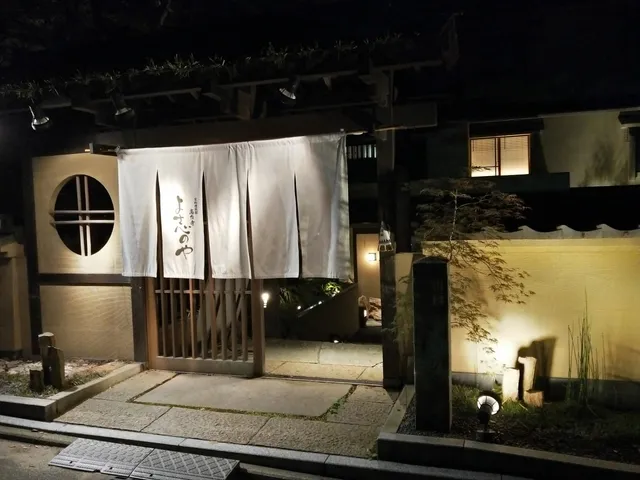
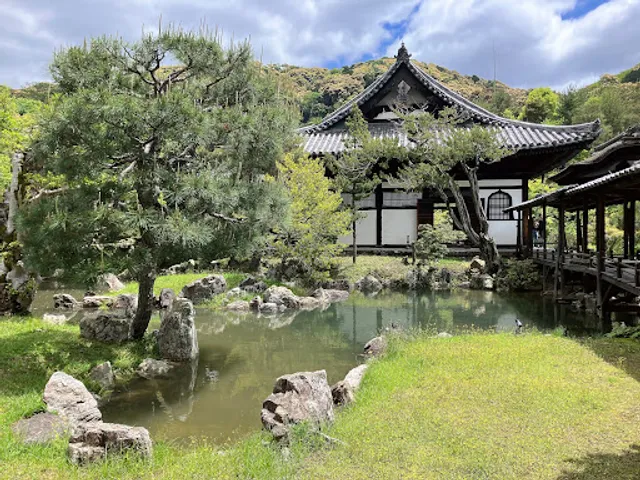
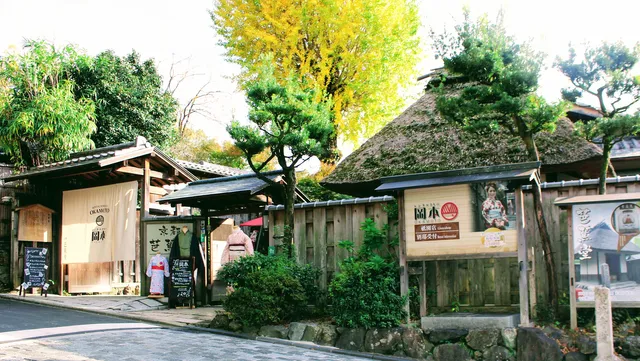
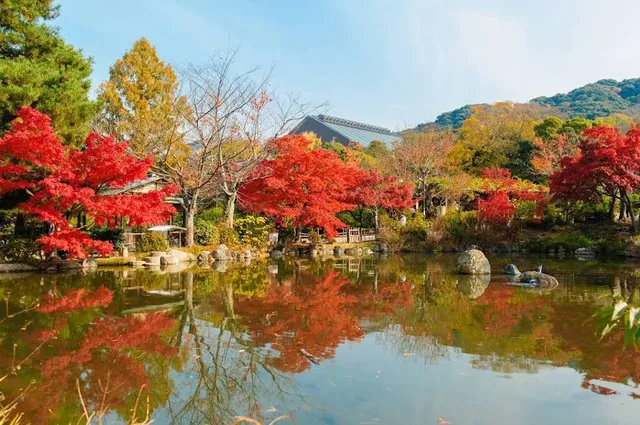
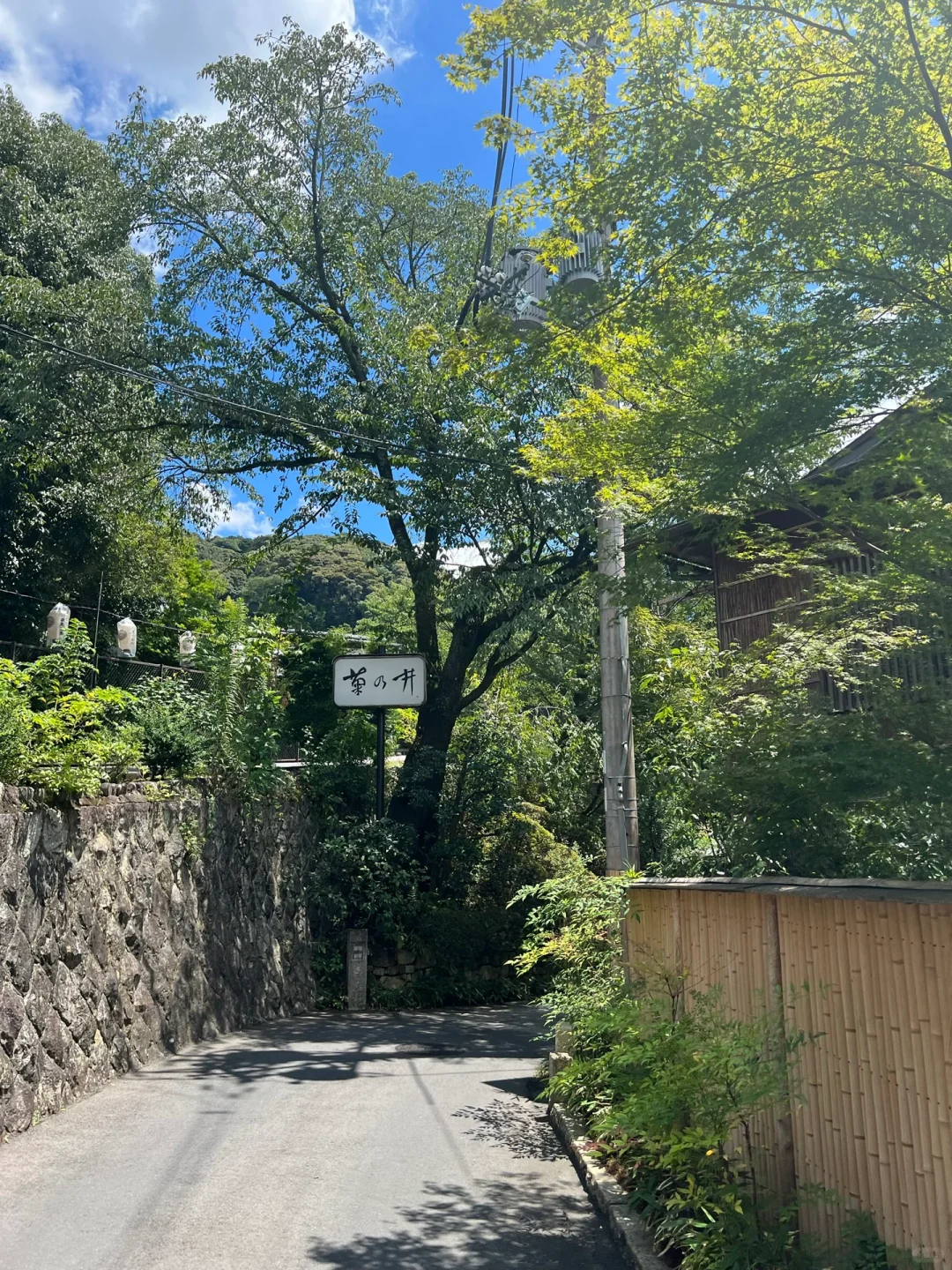
Tucked away in the quiet Gion-Maruyama area, Kikunoi feels more like a private estate than a restaurant. The entrance leads you through a beautifully kept garden with stepping stones, mossy rocks, and maple trees. It sets the mood right away: peaceful, timeless, and deeply Japanese.
I was seated in a private tatami room with a view of a small courtyard garden. Every detail — from the seasonal flower arrangement in the alcove to the delicate ceramics — had a sense of intention. It wasn’t just about food. It was about place, time, and harmony.
The meal was a seasonal kaiseki course, and every dish told a story. Chef Yoshihiro Murata is known for honoring the history of Kyoto cuisine while still gently evolving it. You can feel that in every bite.
The courses came in slow, thoughtful rhythm:
The sakizuke (amuse-bouche) was a tiny glass of clear dashi jelly with uni and young bamboo — refreshing and umami-packed.
The mukōzuke (sashimi course) included toro and tai, both sliced with surgical precision and served on a handmade ceramic plate cooled with a shiso ice bed.
The hassun, a seasonal arrangement of small bites, was a visual and flavor masterpiece — featuring river shrimp, a sake-marinated chestnut, and a chrysanthemum-leaf tempura.
One of the highlights was a clear soup with matsutake mushroom and hamo (pike conger) — delicate yet rich, with a fragrance that hit me before the bowl even touched the table. Another unforgettable dish was the grilled wagyu beef, seared and served with sansho leaves and a dollop of miso. Just perfect.
The rice course at the end (with pickles and miso soup) was as satisfying as the more luxurious dishes — comforting, grounding, and humble. Dessert was a warabi mochi with kinako powder and matcha — simple, soft, and a beautiful ending.
Throughout the meal, the service was flawless. The staff were dressed in elegant kimono, quietly stepping into the room between courses to explain each dish and check in with the utmost politeness. Even though English was limited, everything was communicated clearly and with warmth.
The price? High, of course — around 45,000 yen for the full seasonal menu — but worth it for a once-in-a-lifetime experience. This is not just a meal; it’s cultural immersion, craftsmanship, and poetry on a plate.
Final thoughts: Kikunoi Honten isn’t about showy flavors or fusion trends. It’s about slowing down, observing the seasons, and tasting a piece of Kyoto’s soul. If you're looking for something truly traditional, deeply refined, and emotionally moving...
Read moreJapanese haute cuisine among the Michelin stars
N35°0.099' E135°46.925' Kyō-ryōri (Kyoto kitchen) is a style of cooking that originated from the landlocked location of Kyoto and the ancient customs of the imperial court. The dishes are prepared using fresh seasonal vegetables in an ingenious way, emphasising subtle flavours that reveal the natural taste of the ingredients. Kyō-ryōri is selected according to the mood and shades of the ever-changing seasons, and the preparation, presentation and atmosphere in which it is enjoyed are as important as the taste. Kaiseki-ryōri (Japanese haute cuisine) is the epitome of refined dining, where ingredients, preparation, setting and presentation come together to create a multi-course banquet of seasonal delicacies that is unparalleled.
Restaurant Kikunoi was extremely difficult to book in April 2018. They only accept bookings from well-known hotel reception managers. Because we did not stay in a hotel, our only option was to drive to the restaurant and request a reservation. The receptionist spoke English, accepted our request and we made a reservation in 3 days. We had to pay 49.680¥ for a multi-course dinner (yes, kaiseki-ryri is expensive) and in advance (very unusual for a restaurant).
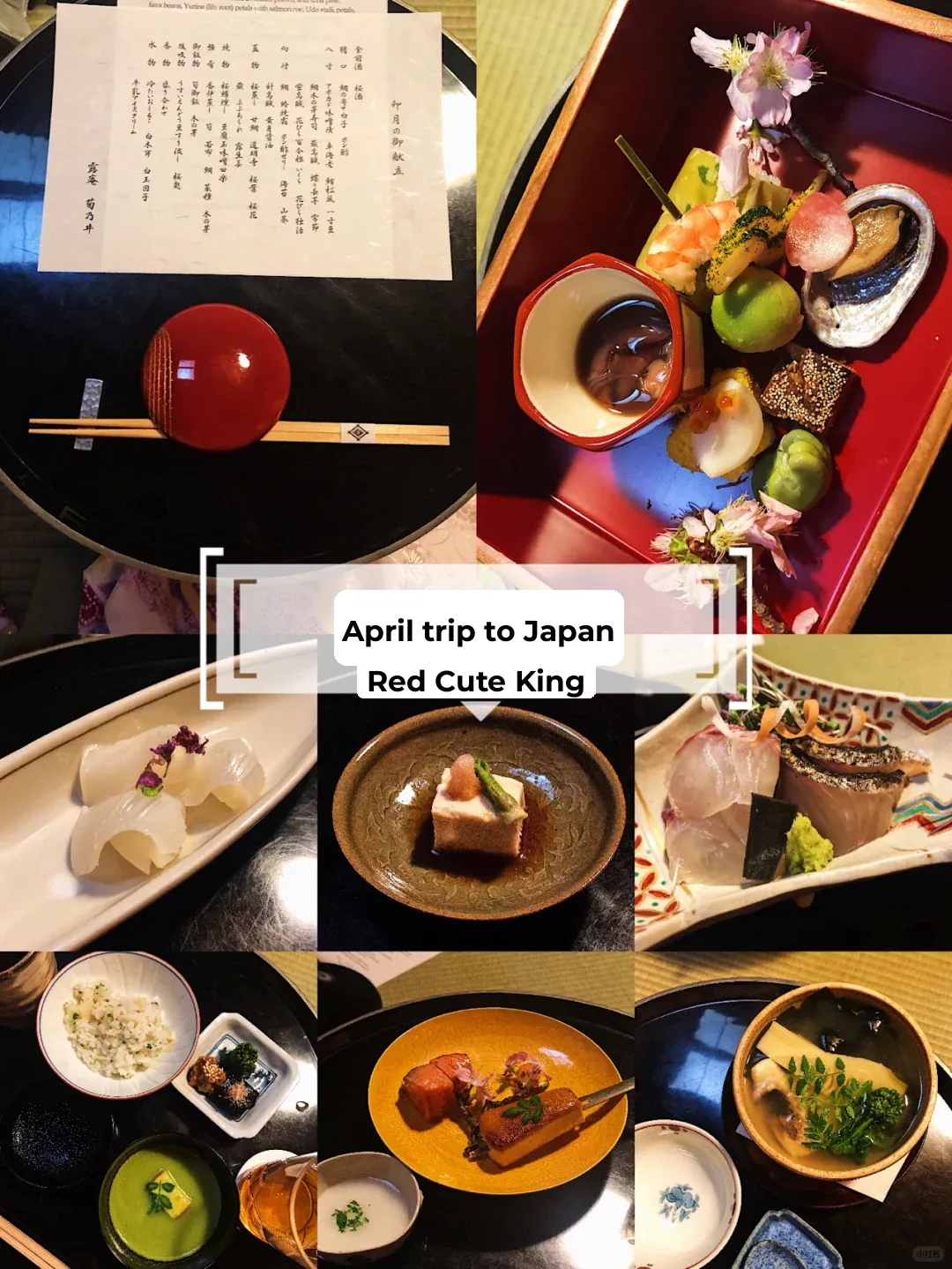
In Kikunoi, the atmosphere of the room, where the meal is served, is just as important as the food. In April 2018, we sat on tatami, a roll decorated with calligraphy hung in the tokonoma (alcove). Before dinner the owner welcomed us with a gracious bow. She showed us a book with pictures of all the dishes on the printed menu. The server in kimono served each course with beautiful porcelain and lacquer work. Look at the menu.
The food was great, as you can expect. Beautiful textures and flavours. Delicious in every way. Perfect personal service. We smiled discreetly and were impressed by the whole experience.
For a kaiseki-ryori experience where interior design, food and service are at three-star Michelin level (and the bill of course), Kikunoi offers a unique opportunity. Highly...
Read more