Nonna things to do, attractions, restaurants, events info and trip planning
Basic Info
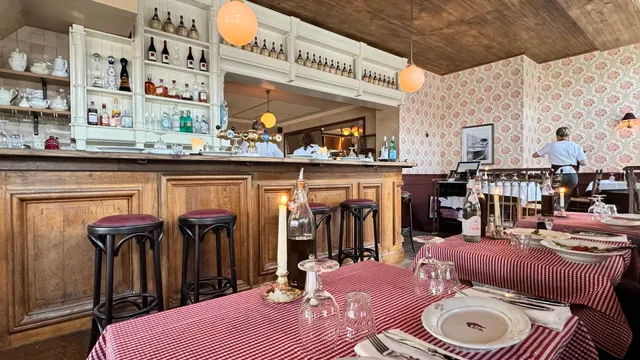
Nonna
Jan Pieter Heijestraat 110, 1054 MH Amsterdam, Netherlands
4.3(333)
Closed
Save
spot
spot
Ratings & Description
Info
attractions: OT301, Vondelpark, De Hallen, Rosarium Vondelpark, Vondelpark Openluchttheater, Beeldend Gesproken Art Rental Gallery, Studiekring Amsterdam - OBA, Appie Gallery, Salon Serpent Tattoo, Keramiek Atelier Patty Schilder, restaurants: Pastai, Staring at Jacob, Brewed by Women BAR, Trakteren, Flo's Appetizing Amsterdam, Gitane, Sushito Oud-West, Shoarma Roz, Spaghetteria Caffè, Trattoria Pizzeria Da Damiano, local businesses: Cafe De Kashmir Lounge, Asian Food Store - “Toko” (specialized Indian/Pakistan), Life of Pie Amsterdam, Hong Kong Superstore, Boerejongens Coffeeshop West Amsterdam, AH Overtoom, De Indian Mart, Advocatenkantoor Schmidt, Abyssinia African Grocery, Olivity - Catering / Cooking workshops / Private dining / Greek products
 Learn more insights from Wanderboat AI.
Phone
+31 20 226 9019
Website
nonnaamsterdam.nl
Open hoursSee all hours
Thu5 - 10 PMClosed
Plan your stay

Pet-friendly Hotels in Amsterdam
Find a cozy hotel nearby and make it a full experience.

Affordable Hotels in Amsterdam
Find a cozy hotel nearby and make it a full experience.

The Coolest Hotels You Haven't Heard Of (Yet)
Find a cozy hotel nearby and make it a full experience.

Trending Stays Worth the Hype in Amsterdam
Find a cozy hotel nearby and make it a full experience.
Featured dishes
View full menu
Polpo Allo Zafferano
Octopus | saffron cream | piment | lime | fresh herbs
Burrata
Tuna | ginger & lemon soy sauce | little gem
Vitello Tonnato
Thinly sliced veal | capers | tuna cream | arugula
Carpaccio
Thinly sliced beef | arugula | grana | balsamic | lemon
Gamberi
Roasted prawns | garlic | olive oil | red chilli | lime
Reviews
Live events

Cruise Amsterdam’s canals with onboard snacks
Thu, Feb 12 • 2:00 PM
1016 EK, Amsterdam, Netherlands
View details

90 min All Inclusive Canal Cruise with local guide
Thu, Feb 12 • 12:00 PM
1017 SG, Amsterdam, Netherlands
View details

Absolutely Amsterdam: Tip-Based Walking Tour
Thu, Feb 12 • 10:30 AM
1012 JW, Amsterdam, Netherlands
View details
Nearby attractions of Nonna
OT301
Vondelpark
De Hallen
Rosarium Vondelpark
Vondelpark Openluchttheater
Beeldend Gesproken Art Rental Gallery
Studiekring Amsterdam - OBA
Appie Gallery
Salon Serpent Tattoo
Keramiek Atelier Patty Schilder
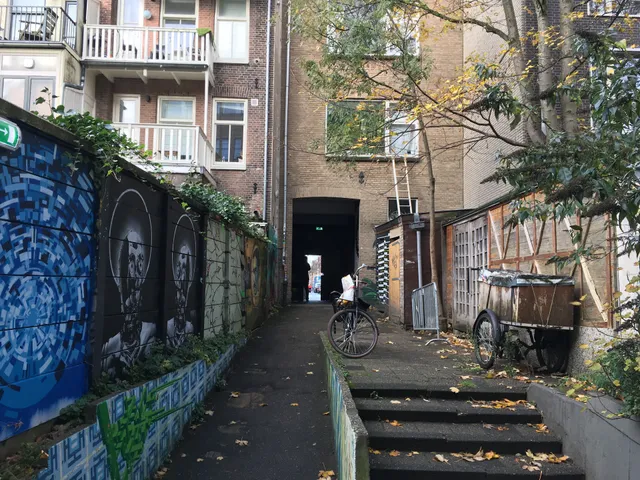
OT301
4.6
(316)
Open 24 hours
Click for details
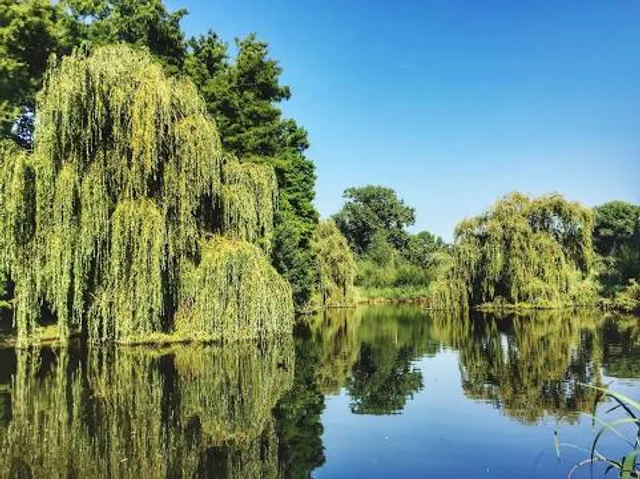
Vondelpark
4.7
(19.8K)
Open 24 hours
Click for details
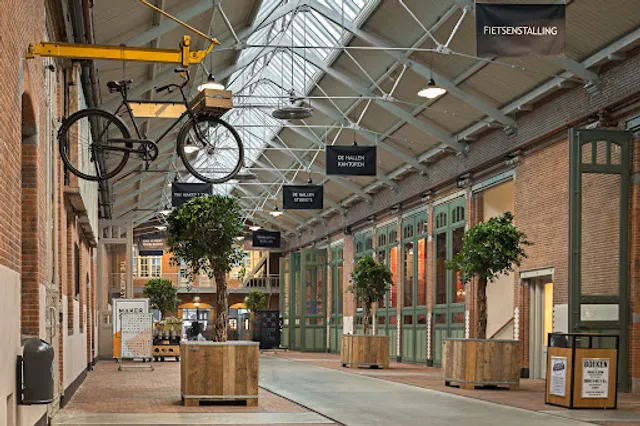
De Hallen
4.5
(8.5K)
Closed
Click for details
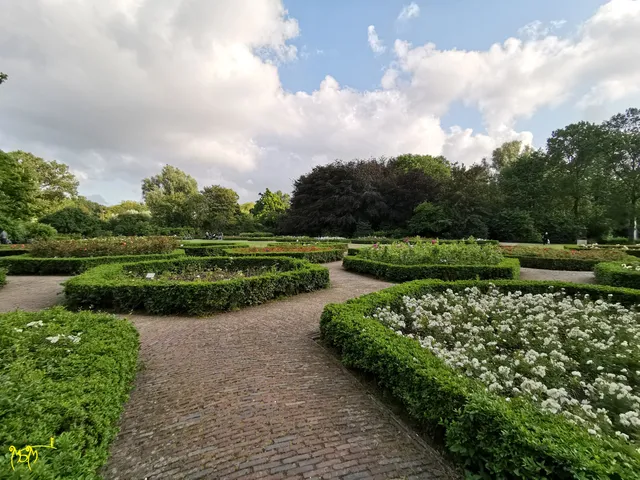
Rosarium Vondelpark
4.6
(290)
Open until 12:00 AM
Click for details
Nearby restaurants of Nonna
Pastai
Staring at Jacob
Brewed by Women BAR
Trakteren
Flo's Appetizing Amsterdam
Gitane
Sushito Oud-West
Shoarma Roz
Spaghetteria Caffè
Trattoria Pizzeria Da Damiano
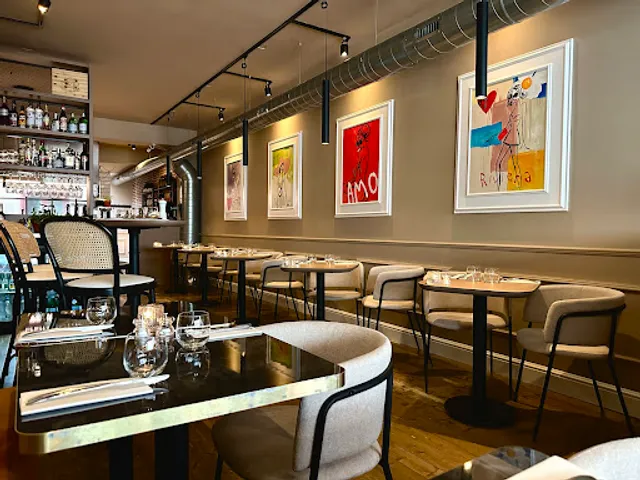
Pastai
4.6
(685)
$$
Closed
Click for details
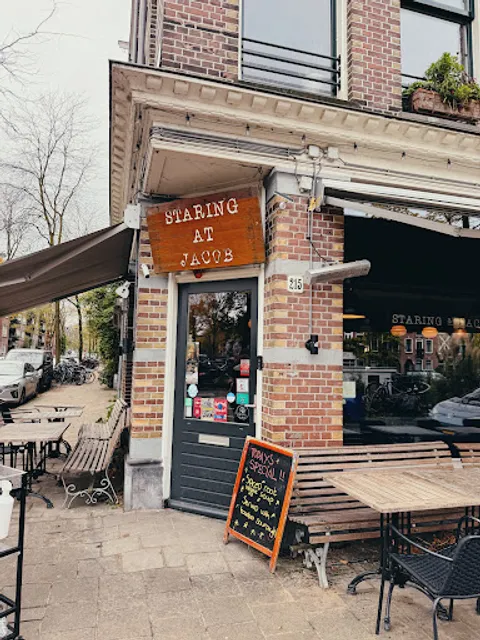
Staring at Jacob
4.5
(1.2K)
Open until 12:00 AM
Click for details
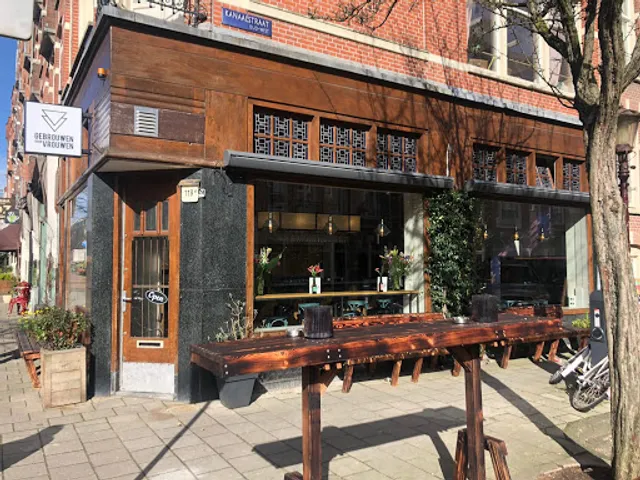
Brewed by Women BAR
4.7
(264)
Closed
Click for details
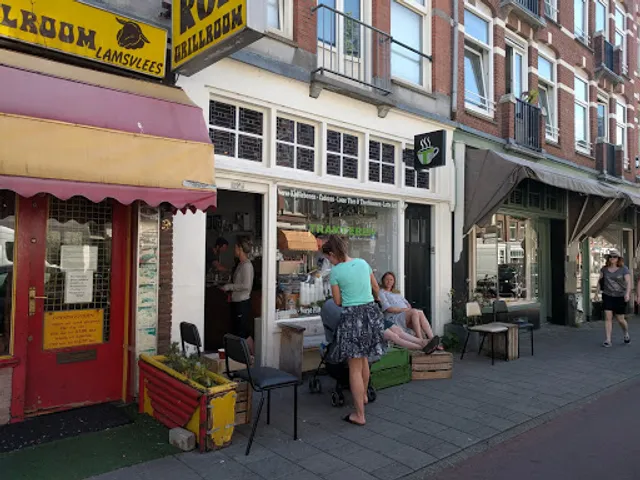
Trakteren
4.7
(184)
Closed
Click for details
Nearby local services of Nonna
Cafe De Kashmir Lounge
Asian Food Store - “Toko” (specialized Indian/Pakistan)
Life of Pie Amsterdam
Hong Kong Superstore
Boerejongens Coffeeshop West Amsterdam
AH Overtoom
De Indian Mart
Advocatenkantoor Schmidt
Abyssinia African Grocery
Olivity - Catering / Cooking workshops / Private dining / Greek products
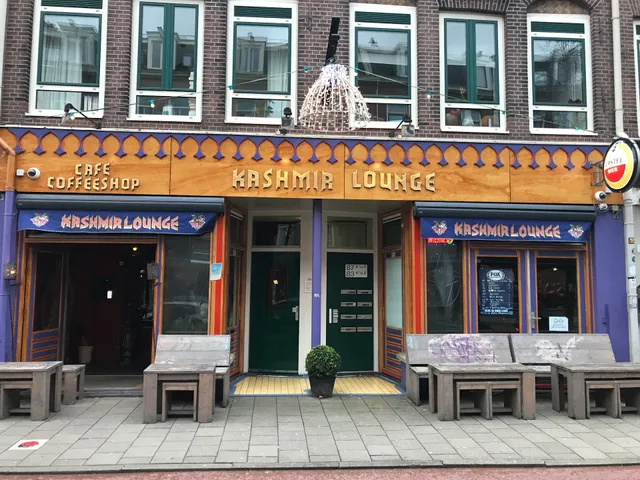
Cafe De Kashmir Lounge
4.3
(589)
Click for details
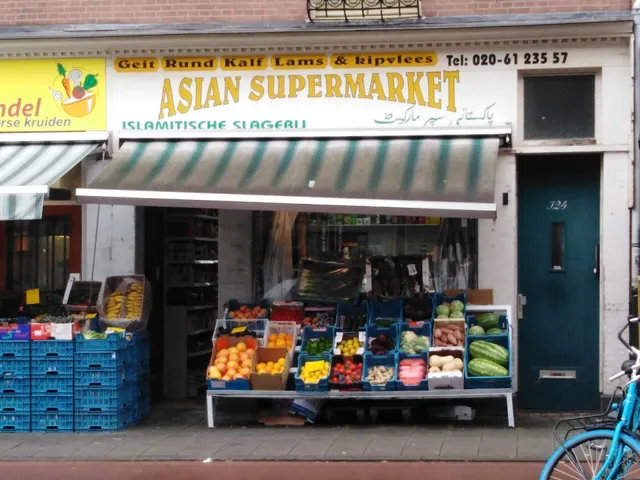
Asian Food Store - “Toko” (specialized Indian/Pakistan)
4.5
(72)
Click for details

Life of Pie Amsterdam
4.8
(83)
Click for details
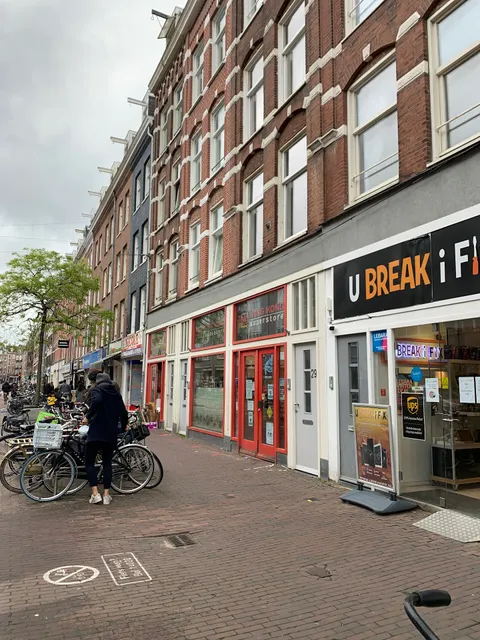
Hong Kong Superstore
4.6
(309)
Click for details