HTML SitemapExplore
logo
Find Things to DoFind The Best Restaurants

Seunggi Ssiat Hotteok — Restaurant in Busan

Name
Seunggi Ssiat Hotteok
Description
Nearby attractions
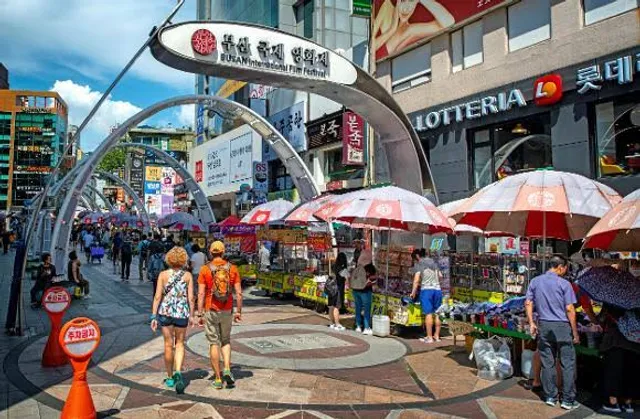
BIFF Square
58-1 Gudeok-ro, Jung-gu, Busan, South Korea
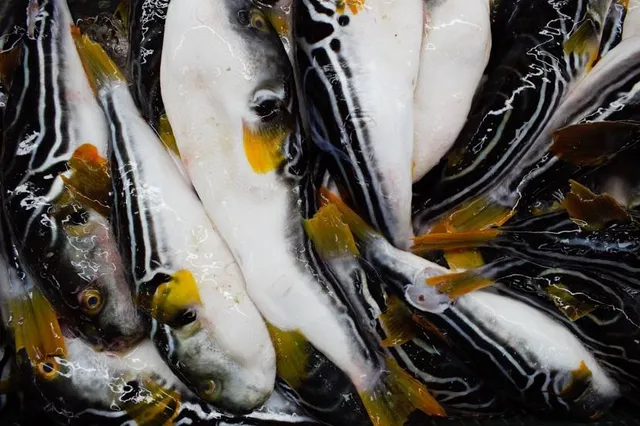
Jagalchi Market
52 Jagalchihaean-ro, Jung-gu, Busan, South Korea
Gwangbok-ro Fashion Street
2-6 Nampo-dong 5(o)-ga, Jung-gu, Busan, South Korea
BIFF Street
South Korea, Busan, Jung-gu, Nampo-dong 5(o)-ga, 10-3-ga
Bupyeong Kkangtong Market
39 Bupyeong 1-gil, Jung-gu, Busan, South Korea
Diamond Tower (Busan Tower)
37-55 Yongdusan-gil, Jung-gu, Busan, South Korea
Yongdusan Park
37-55 Yongdusan-gil, Jung-gu, Busan, South Korea
Arirang street open market
21-4 Gwangbok-dong, Jung-gu, Busan, South Korea
미술의거리
56-4 Sinchang-dong 4(sa)-ga, Jung-gu, Busan, South Korea
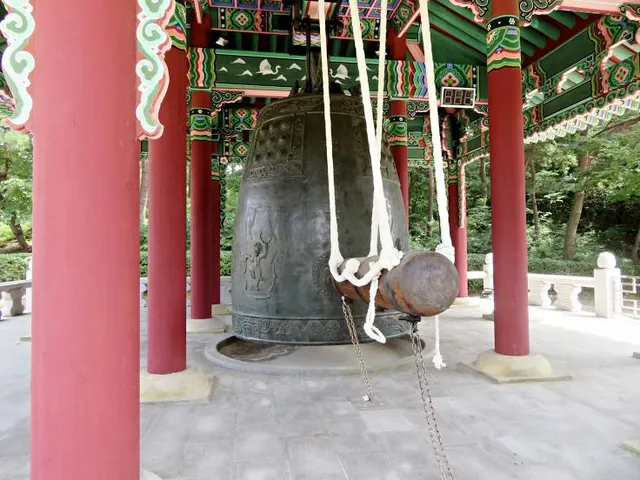
Daegaksa Temple
19 Gwangbokjungang-ro, Jung-gu, Busan, South Korea
Nearby restaurants
18번완당집
31 BIFF gwangjang-ro, Jung-gu, Busan, South Korea
Bakso Bejo Korea
6 Nampo-gil, Jung-gu, Busan, South Korea
Sulgodang
South Korea, Busan, Jung-gu, Junggu-ro 24beon-gil, 11-1 2층
New Little India
3층, 33-1 BIFF gwangjang-ro, 남포동 Jung-gu, Busan, South Korea
Hong Kong Banjum 0410
7-2 Nampo-gil, Jung-gu, Busan, South Korea
분짜라붐
5 Nampo-gil, Jung-gu, Busan, South Korea
삼송초밥
13 Gwangbok-ro 55beon-gil, Jung-gu, Busan, South Korea
Halmae Gaya Milmyeon
56-14 광복로 Jung-gu, Busan, South Korea
Gaemijip Main branch
21-1 Junggu-ro 30beon-gil, Jung-gu, Busan, South Korea
Kapposin
Busan, South Korea
Related posts
Keywords
Seunggi Ssiat Hotteok tourism.Seunggi Ssiat Hotteok hotels.Seunggi Ssiat Hotteok bed and breakfast. flights to Seunggi Ssiat Hotteok.Seunggi Ssiat Hotteok attractions.Seunggi Ssiat Hotteok restaurants.Seunggi Ssiat Hotteok travel.Seunggi Ssiat Hotteok travel guide.Seunggi Ssiat Hotteok travel blog.Seunggi Ssiat Hotteok pictures.Seunggi Ssiat Hotteok photos.Seunggi Ssiat Hotteok travel tips.Seunggi Ssiat Hotteok maps.Seunggi Ssiat Hotteok things to do.
Seunggi Ssiat Hotteok things to do, attractions, restaurants, events info and trip planning
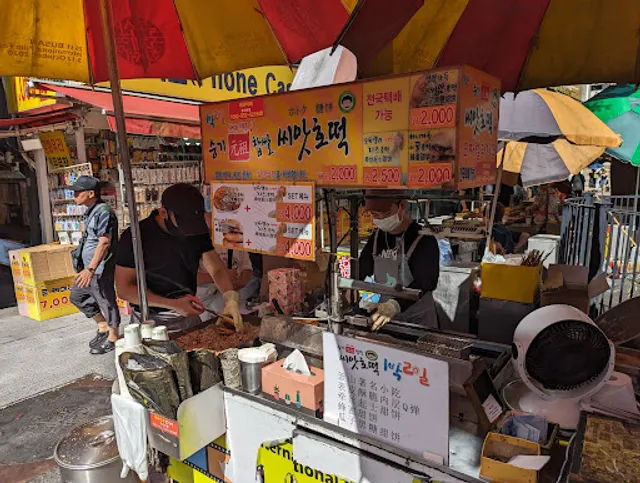
Seunggi Ssiat Hotteok
South KoreaBusanSeunggi Ssiat Hotteok

Basic Info

Seunggi Ssiat Hotteok

15 Nampo-dong 3(sam)-ga, Jung-gu, Busan, South Korea
3.9(255)
Save
spot

Ratings & Description

Info

attractions: BIFF Square, Jagalchi Market, Gwangbok-ro Fashion Street, BIFF Street, Bupyeong Kkangtong Market, Diamond Tower (Busan Tower), Yongdusan Park, Arirang street open market, 미술의거리, Daegaksa Temple, restaurants: 18번완당집, Bakso Bejo Korea, Sulgodang, New Little India, Hong Kong Banjum 0410, 분짜라붐, 삼송초밥, Halmae Gaya Milmyeon, Gaemijip Main branch, Kapposin
logoLearn more insights from Wanderboat AI.

Plan your stay

hotel
Pet-friendly Hotels in Busan
Find a cozy hotel nearby and make it a full experience.

hotel
Affordable Hotels in Busan
Find a cozy hotel nearby and make it a full experience.

hotel
The Coolest Hotels You Haven't Heard Of (Yet)
Find a cozy hotel nearby and make it a full experience.

hotel
Trending Stays Worth the Hype in Busan
Find a cozy hotel nearby and make it a full experience.

Reviews

Nearby attractions of Seunggi Ssiat Hotteok

BIFF Square

Jagalchi Market

Gwangbok-ro Fashion Street

BIFF Street

Bupyeong Kkangtong Market

Diamond Tower (Busan Tower)

Yongdusan Park

Arirang street open market

미술의거리

Daegaksa Temple

BIFF Square

BIFF Square

4.1

(7.7K)

Open 24 hours
Click for details
Jagalchi Market

Jagalchi Market

4.0

(9.6K)

Open 24 hours
Click for details
Gwangbok-ro Fashion Street

Gwangbok-ro Fashion Street

4.3

(913)

Open until 9:00 PM
Click for details
BIFF Street

BIFF Street

4.3

(349)

Open 24 hours
Click for details

Things to do nearby

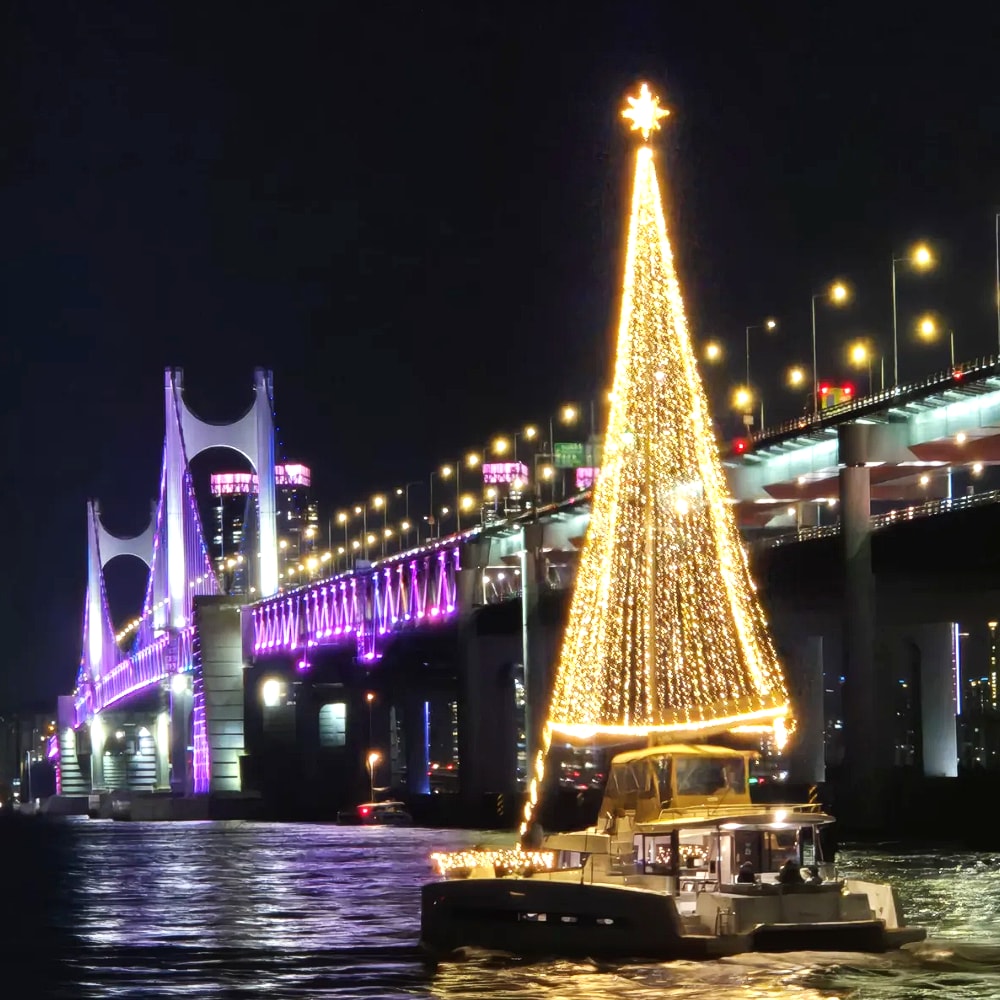
Enjoy a yacht tour in the Busan sea
Thu, Dec 4 • 6:30 PM
Busan, Haeundae-gu, 48090, South Korea
View details
Shiny mother-of-pearl ring, today as my own work
Fri, Dec 5 • 11:00 AM
Busan, Busanjin-gu, 47247, South Korea
View details
Vegan Friendly Korean Food Cooking Class
Fri, Dec 5 • 12:00 PM
Busan, Nam-gu, 48476, South Korea
View details

Nearby restaurants of Seunggi Ssiat Hotteok

18번완당집

Bakso Bejo Korea

Sulgodang

New Little India

Hong Kong Banjum 0410

분짜라붐

삼송초밥

Halmae Gaya Milmyeon

Gaemijip Main branch

Kapposin

18번완당집

18번완당집

3.9

(233)

Click for details
Bakso Bejo Korea

Bakso Bejo Korea

4.4

(180)

Click for details
Sulgodang

Sulgodang

4.8

(727)

$$

Open until 3:00 PM
Click for details
New Little India

New Little India

3.5

(127)

Click for details
Get the Appoverlay
Get the AppOne tap to find yournext favorite spots!
Wanderboat LogoWanderboat

Your everyday Al companion for getaway ideas

CompanyAbout Us
InformationAI Trip PlannerSitemap
SocialXInstagramTiktokLinkedin
LegalTerms of ServicePrivacy Policy

Get the app

© 2025 Wanderboat. All rights reserved.
logo

Reviews of Seunggi Ssiat Hotteok

3.9
(255)
avatar
5.0
29w

One of the street foods in Busan that we always talk about since our visit more than 10 years ago.

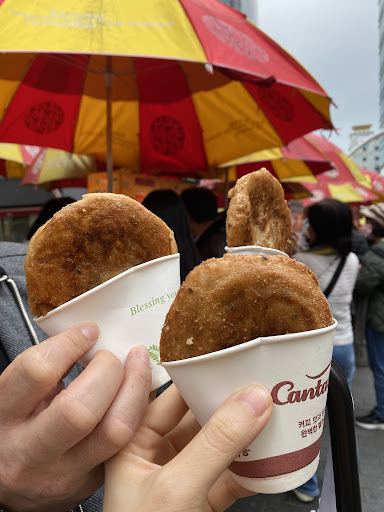
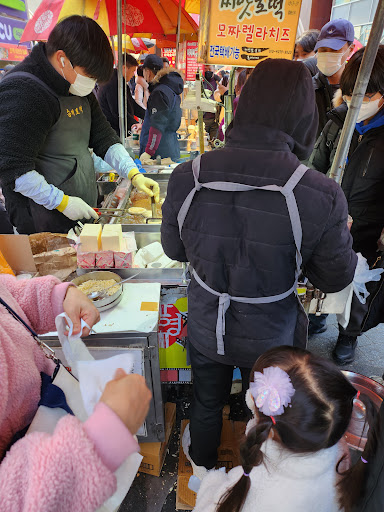
We came back and found that there are now three different stalls at the same spot, so we sampled from each one. The stall with “Since 1987” is the one we visited back then, and it’s still our favourite, we personally love the seed hotteok from this stall the most.

The “Since 1983” stall presses the hotteok a bit too much, which affects the texture of the dough. The third stall, which had the shortest queue, was actually decent too, but the dough lacked the slight salty flavour we liked in our...

   Read more
avatar
5.0
2y

This food is the representative street food of ‘Nampo-dong’. I think, I can say this is the representative street food of ‘Busan’ maybe. It is super delicious and yummy. Once you bite, you cannot stop it. The taste and how to cook is similar to ‘Churro’ in Spain. And it added more sugar paste and several kinds of peanuts. So if you have an allergy to nuts, you cannot enjoy this food. And as local people, who really love this food, all shops show similar taste, so if this store has long queue, please go to other store and you also can enjoy delicious...

   Read more
avatar
3.0
2y

줄 겁나김 줄서서 먹을 만한 정도인지는 의구심이 듬

옛 서역인들이 먹던 음식에서 유래했을 것이라는 추측이 많다. 호떡의 '호'자가 '오랑캐 호(胡)'자이며 오랑캐가 먹던 떡이라는 주장이다.[2] 참고로 몽골에서도 호떡을 먹기는 한다. 다만 주로 식사용으로 먹는 경우가 많다.

과거 동아시아에서는 중앙아시아, 인도, 아랍 등지의 지역을 서역(西域), 이 곳 사람들을 호인(胡人)이라고 불렀는데 한나라에서 서역과 왕래하며 들어온 빵음식을 호병(胡餠)이라고 불렀다고 한다. 이후 밀가루가 보급되면서 중국 북부에서는 제법 흔하게 먹는 음식이 되었는데, 한국에서처럼 달달하게 먹기도 하지만 고기나 야채를 넣어서 간단한 한끼식사로 먹기도 하며, 모옌의 작품 등 중국의 여러 문학작품에서도 이를 엿볼수있고, 차이나 타운에서 이러한 식사용 호떡을 고기호떡으로 팔기도 한다. 이 음식이 정확히 언제 우리나라로 들어왔는 지는 알려지지 않았지만 1882년 임오군란 수습때 체결된 조청상민수륙무역장정이라는 불평등조약을 통해 청나라 화교 상인들과 함께 들어온게 아닐까 추측하고 있으며, 구한말부터 일제강점기에 이르기까지 가난한 화교상인들이 흔히 할수있는 장사가 호떡이었기도 했다. 출처: 문화재청, 실크로드를 통해 전해진 서역의 음식 - 호떡

이것때문에 유래된 호떡집에 불났다라는 속담이 있다. 불구경하듯 바깥의 어수선한 분위기를 구경한다는 의미의 호떡집에 불났다는 해묵은 혐중 감정의 근원인 1930년대 일제강점기 화교배척폭동이 있다. 원래 쌀을 주로 재배하는 한반도에서는 밀이 귀하고 사탕수수나 사탕무를 재배하지 않아 설탕이 부족했던 한반도에서 화교 상인들이 중국에서 수입해온 밀과 설탕은 사실상 중국 상인들만 취급하던 고급 식재료였고, 중국인 노동자들이 현장에서 일할때 근처에 세운 노점에서 구운 호떡은 한국인들에게 별미이자 선물감이었다. 국밥이 15전,20전 할때 호떡 한장이 5전이니 당시 스타벅스 아메리카노 저리가라 할만한 사치품이었던 셈. 그런 귀한 별미를 독점해 돈을 긁어가는 화교 장사꾼을 보는 심정이 당연히 좋았을리가 없고, 기름을 많이 쓰는지라 화재가 잦은 호떡 노점에 불나는 일은 그야말로 남의 일이자 속으로는 신나는 불구경인 것이다. 게다가 평상시에도 시끄러운 중국인들이 불이 나면 얼마나 시끄러운지 저절로 분위기가 어수선해졌다.일제강점기 일본은 당연히 이들을 관리하기보다는 갈등을 부추겨 디바이드 앤 룰을 하려고 하니 그때부터 중국인과 조선인의 갈등은 심화되었고, 짱깨가 중국인 비하명칭이 되듯 호떡집에 불나면 구경하기 바빴던 것이다.

점차 세월이 흐르고 현재는 한국식으로 로컬라이징 되어 다양한 종류의 호떡 문화를 개발하며 이어지고 있다. 상술한 1930년대 호떡 붐은 40년대 중일전쟁,태평양전쟁으로 물자수탈이 심해지자 아예 자취를 감추고, 미국의 원조 밀가루와 설탕이 들어오면서 한국인들이 조리과정이 복잡했던 과거 호떡을 단순화하여 변경한 것이다. 원조 화교식 호떡은 지금 알고 있는 호떡이 아니라 페스트리처럼 겹겹이 층을 만들어 굽는 식으로 이마트가 대만에서 수입한 피코크 계피호떡이 당시 레시피와 가까운 원조 화교식 호떡이다.[3] 고려시대 벽란도를 드나들던 아랍인이 먹던 주식을 회회(回回)떡이라 했는데 이것이 호떡으로...

   Read more
Page 1 of 7
Previous
Next

Posts

Leh PingLeh Ping
One of the street foods in Busan that we always talk about since our visit more than 10 years ago. We came back and found that there are now three different stalls at the same spot, so we sampled from each one. The stall with “Since 1987” is the one we visited back then, and it’s still our favourite, we personally love the seed hotteok from this stall the most. The “Since 1983” stall presses the hotteok a bit too much, which affects the texture of the dough. The third stall, which had the shortest queue, was actually decent too, but the dough lacked the slight salty flavour we liked in our favourite stall.
Pepin MinPepin Min
줄 겁나김 줄서서 먹을 만한 정도인지는 의구심이 듬 옛 서역인들이 먹던 음식에서 유래했을 것이라는 추측이 많다. 호떡의 '호'자가 '오랑캐 호(胡)'자이며 오랑캐가 먹던 떡이라는 주장이다.[2] 참고로 몽골에서도 호떡을 먹기는 한다. 다만 주로 식사용으로 먹는 경우가 많다. 과거 동아시아에서는 중앙아시아, 인도, 아랍 등지의 지역을 서역(西域), 이 곳 사람들을 호인(胡人)이라고 불렀는데 한나라에서 서역과 왕래하며 들어온 빵음식을 호병(胡餠)이라고 불렀다고 한다. 이후 밀가루가 보급되면서 중국 북부에서는 제법 흔하게 먹는 음식이 되었는데, 한국에서처럼 달달하게 먹기도 하지만 고기나 야채를 넣어서 간단한 한끼식사로 먹기도 하며, 모옌의 작품 등 중국의 여러 문학작품에서도 이를 엿볼수있고, 차이나 타운에서 이러한 식사용 호떡을 고기호떡으로 팔기도 한다. 이 음식이 정확히 언제 우리나라로 들어왔는 지는 알려지지 않았지만 1882년 임오군란 수습때 체결된 조청상민수륙무역장정이라는 불평등조약을 통해 청나라 화교 상인들과 함께 들어온게 아닐까 추측하고 있으며, 구한말부터 일제강점기에 이르기까지 가난한 화교상인들이 흔히 할수있는 장사가 호떡이었기도 했다. 출처: 문화재청, 실크로드를 통해 전해진 서역의 음식 - 호떡 이것때문에 유래된 호떡집에 불났다라는 속담이 있다. 불구경하듯 바깥의 어수선한 분위기를 구경한다는 의미의 호떡집에 불났다는 해묵은 혐중 감정의 근원인 1930년대 일제강점기 화교배척폭동이 있다. 원래 쌀을 주로 재배하는 한반도에서는 밀이 귀하고 사탕수수나 사탕무를 재배하지 않아 설탕이 부족했던 한반도에서 화교 상인들이 중국에서 수입해온 밀과 설탕은 사실상 중국 상인들만 취급하던 고급 식재료였고, 중국인 노동자들이 현장에서 일할때 근처에 세운 노점에서 구운 호떡은 한국인들에게 별미이자 선물감이었다. 국밥이 15전,20전 할때 호떡 한장이 5전이니 당시 스타벅스 아메리카노 저리가라 할만한 사치품이었던 셈. 그런 귀한 별미를 독점해 돈을 긁어가는 화교 장사꾼을 보는 심정이 당연히 좋았을리가 없고, 기름을 많이 쓰는지라 화재가 잦은 호떡 노점에 불나는 일은 그야말로 남의 일이자 속으로는 신나는 불구경인 것이다. 게다가 평상시에도 시끄러운 중국인들이 불이 나면 얼마나 시끄러운지 저절로 분위기가 어수선해졌다.일제강점기 일본은 당연히 이들을 관리하기보다는 갈등을 부추겨 디바이드 앤 룰을 하려고 하니 그때부터 중국인과 조선인의 갈등은 심화되었고, 짱깨가 중국인 비하명칭이 되듯 호떡집에 불나면 구경하기 바빴던 것이다. 점차 세월이 흐르고 현재는 한국식으로 로컬라이징 되어 다양한 종류의 호떡 문화를 개발하며 이어지고 있다. 상술한 1930년대 호떡 붐은 40년대 중일전쟁,태평양전쟁으로 물자수탈이 심해지자 아예 자취를 감추고, 미국의 원조 밀가루와 설탕이 들어오면서 한국인들이 조리과정이 복잡했던 과거 호떡을 단순화하여 변경한 것이다. 원조 화교식 호떡은 지금 알고 있는 호떡이 아니라 페스트리처럼 겹겹이 층을 만들어 굽는 식으로 이마트가 대만에서 수입한 피코크 계피호떡이 당시 레시피와 가까운 원조 화교식 호떡이다.[3] 고려시대 벽란도를 드나들던 아랍인이 먹던 주식을 회회(回回)떡이라 했는데 이것이 호떡으로 변한 것이라는 설도 있다.
PierrePierre
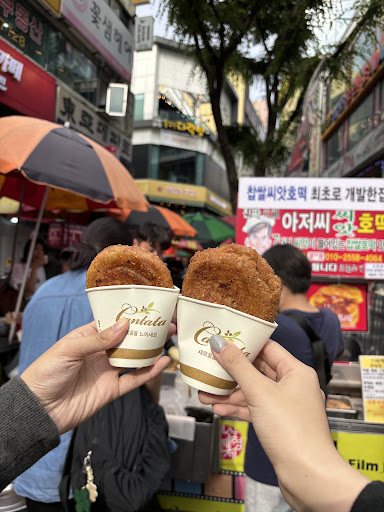
Very nice stall that makes some very good Ssiat Hotteok (Korean stuffed pancakes). We've tried the honey one and the nuts one and both were excellent. Be careful, there are multiple stalls a few meters away from each other. I would advise going for the one with the longest queue as it's usually the best one. This stall is located in the popular BIFF Square area, a renowned spot for street food in Busan.
See more posts
See more posts
hotel
Find your stay

Pet-friendly Hotels in Busan

Find a cozy hotel nearby and make it a full experience.

One of the street foods in Busan that we always talk about since our visit more than 10 years ago. We came back and found that there are now three different stalls at the same spot, so we sampled from each one. The stall with “Since 1987” is the one we visited back then, and it’s still our favourite, we personally love the seed hotteok from this stall the most. The “Since 1983” stall presses the hotteok a bit too much, which affects the texture of the dough. The third stall, which had the shortest queue, was actually decent too, but the dough lacked the slight salty flavour we liked in our favourite stall.
Leh Ping

Leh Ping

hotel
Find your stay

Affordable Hotels in Busan

Find a cozy hotel nearby and make it a full experience.

Get the Appoverlay
Get the AppOne tap to find yournext favorite spots!
줄 겁나김 줄서서 먹을 만한 정도인지는 의구심이 듬 옛 서역인들이 먹던 음식에서 유래했을 것이라는 추측이 많다. 호떡의 '호'자가 '오랑캐 호(胡)'자이며 오랑캐가 먹던 떡이라는 주장이다.[2] 참고로 몽골에서도 호떡을 먹기는 한다. 다만 주로 식사용으로 먹는 경우가 많다. 과거 동아시아에서는 중앙아시아, 인도, 아랍 등지의 지역을 서역(西域), 이 곳 사람들을 호인(胡人)이라고 불렀는데 한나라에서 서역과 왕래하며 들어온 빵음식을 호병(胡餠)이라고 불렀다고 한다. 이후 밀가루가 보급되면서 중국 북부에서는 제법 흔하게 먹는 음식이 되었는데, 한국에서처럼 달달하게 먹기도 하지만 고기나 야채를 넣어서 간단한 한끼식사로 먹기도 하며, 모옌의 작품 등 중국의 여러 문학작품에서도 이를 엿볼수있고, 차이나 타운에서 이러한 식사용 호떡을 고기호떡으로 팔기도 한다. 이 음식이 정확히 언제 우리나라로 들어왔는 지는 알려지지 않았지만 1882년 임오군란 수습때 체결된 조청상민수륙무역장정이라는 불평등조약을 통해 청나라 화교 상인들과 함께 들어온게 아닐까 추측하고 있으며, 구한말부터 일제강점기에 이르기까지 가난한 화교상인들이 흔히 할수있는 장사가 호떡이었기도 했다. 출처: 문화재청, 실크로드를 통해 전해진 서역의 음식 - 호떡 이것때문에 유래된 호떡집에 불났다라는 속담이 있다. 불구경하듯 바깥의 어수선한 분위기를 구경한다는 의미의 호떡집에 불났다는 해묵은 혐중 감정의 근원인 1930년대 일제강점기 화교배척폭동이 있다. 원래 쌀을 주로 재배하는 한반도에서는 밀이 귀하고 사탕수수나 사탕무를 재배하지 않아 설탕이 부족했던 한반도에서 화교 상인들이 중국에서 수입해온 밀과 설탕은 사실상 중국 상인들만 취급하던 고급 식재료였고, 중국인 노동자들이 현장에서 일할때 근처에 세운 노점에서 구운 호떡은 한국인들에게 별미이자 선물감이었다. 국밥이 15전,20전 할때 호떡 한장이 5전이니 당시 스타벅스 아메리카노 저리가라 할만한 사치품이었던 셈. 그런 귀한 별미를 독점해 돈을 긁어가는 화교 장사꾼을 보는 심정이 당연히 좋았을리가 없고, 기름을 많이 쓰는지라 화재가 잦은 호떡 노점에 불나는 일은 그야말로 남의 일이자 속으로는 신나는 불구경인 것이다. 게다가 평상시에도 시끄러운 중국인들이 불이 나면 얼마나 시끄러운지 저절로 분위기가 어수선해졌다.일제강점기 일본은 당연히 이들을 관리하기보다는 갈등을 부추겨 디바이드 앤 룰을 하려고 하니 그때부터 중국인과 조선인의 갈등은 심화되었고, 짱깨가 중국인 비하명칭이 되듯 호떡집에 불나면 구경하기 바빴던 것이다. 점차 세월이 흐르고 현재는 한국식으로 로컬라이징 되어 다양한 종류의 호떡 문화를 개발하며 이어지고 있다. 상술한 1930년대 호떡 붐은 40년대 중일전쟁,태평양전쟁으로 물자수탈이 심해지자 아예 자취를 감추고, 미국의 원조 밀가루와 설탕이 들어오면서 한국인들이 조리과정이 복잡했던 과거 호떡을 단순화하여 변경한 것이다. 원조 화교식 호떡은 지금 알고 있는 호떡이 아니라 페스트리처럼 겹겹이 층을 만들어 굽는 식으로 이마트가 대만에서 수입한 피코크 계피호떡이 당시 레시피와 가까운 원조 화교식 호떡이다.[3] 고려시대 벽란도를 드나들던 아랍인이 먹던 주식을 회회(回回)떡이라 했는데 이것이 호떡으로 변한 것이라는 설도 있다.
Pepin Min

Pepin Min

hotel
Find your stay

The Coolest Hotels You Haven't Heard Of (Yet)

Find a cozy hotel nearby and make it a full experience.

hotel
Find your stay

Trending Stays Worth the Hype in Busan

Find a cozy hotel nearby and make it a full experience.

Very nice stall that makes some very good Ssiat Hotteok (Korean stuffed pancakes). We've tried the honey one and the nuts one and both were excellent. Be careful, there are multiple stalls a few meters away from each other. I would advise going for the one with the longest queue as it's usually the best one. This stall is located in the popular BIFF Square area, a renowned spot for street food in Busan.
Pierre

Pierre

See more posts
See more posts