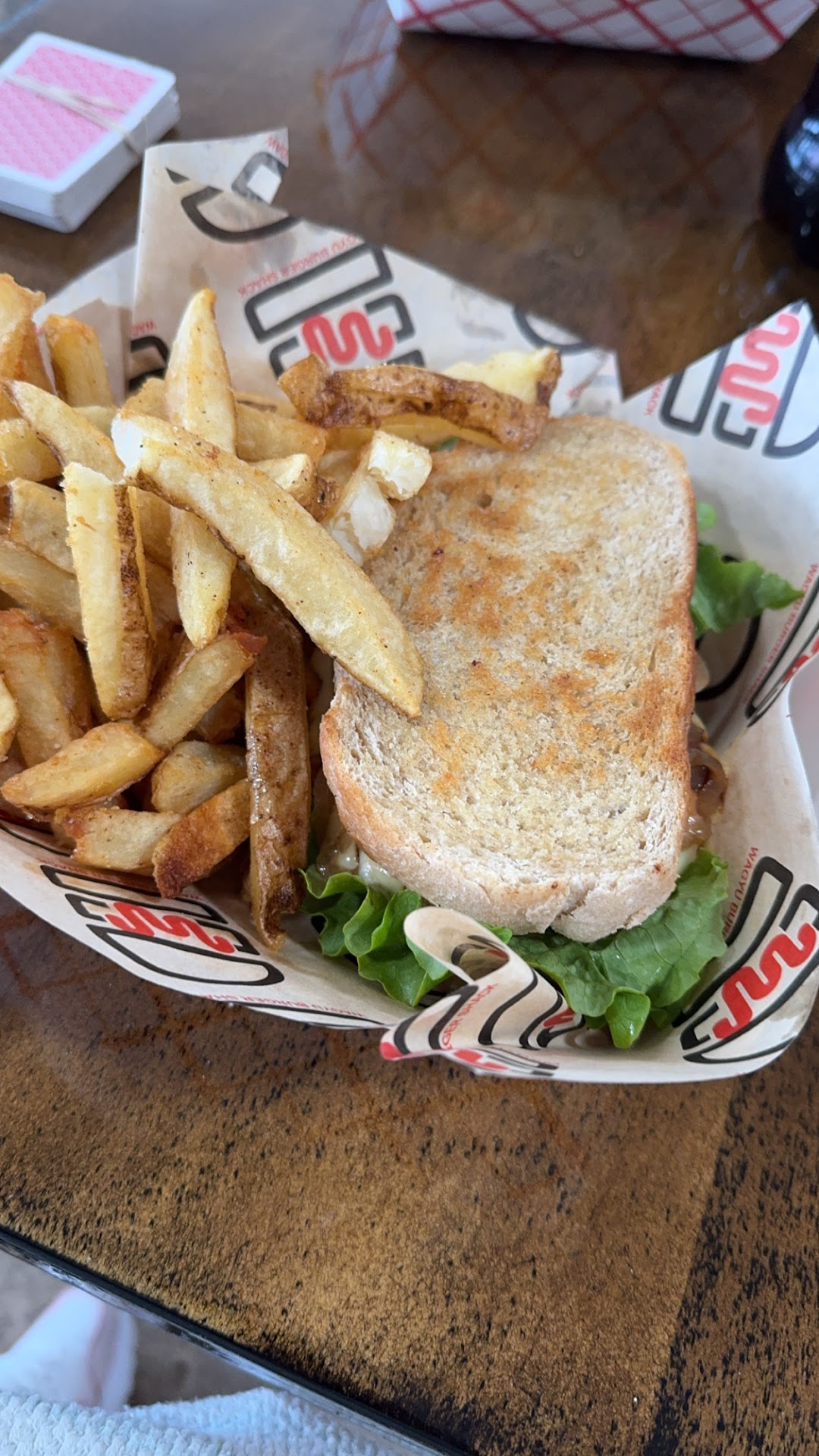
We drove 132mi just to eat here and drive back home. 5-Star!
We'd do it again!
WHAT IS WAGYU? Wagyu literally translates to "Japanese Cow". The breed is highly sought after due to its consistent high quality and reputation. To protect the authenticity of Japanese Wagyu Beef, lineage is thoroughly tracked and recorded from the time of birth. All Japanese Wagyu Beef are provided with individually unique ID numbers. This allows anyone to trace the cattle's history. Details about the cattle such as its date of birth, gender, lineage, or breed may be verified on the Japanese National Livestock Breeding Center Website. The NLBC provides this service to protect consumers and businesses from fraudulent suppliers. The Wagyu beef reputation has been built upon hundreds of years of meticulous husbandry, and strict measures were taken to protect its authenticity.
Wagyu in Japan come from four main breeds: Japanese Black, Japanese Brown, Japanese Shorthorn, and Japanese Polled.
THE SUPERIOR BREED Prior to 1867, Japanese practitioners of Buddhism refrained from eating meat. A strict ban was enforced prohibiting meat consumption. At that time, the native cattle breeds of Japan were being utilized for labor in the fields or in mines. Once the ban lifted, efforts were made to increase the musculature of the native cattle by cross breeding with imported breeds. The four Japanese native cattle breeds we know today as Wagyu were not established as indigenous until 1957.
JAPANESE BLACK The Japanese Black is by far the most popular cattle in Japan, accounting for more than 90% of all Wagyu Beef in the country. Japanese Black is raised mostly for beef consumption and is known for its marbling and soft, tender texture. The famed Miyazakigyu, Tajimagyu, and Matsuzakagyu are all Japanese Black.
JAPANESE BROWN The Japanese Brown is also known as "Akaushi". They were predominantly used as work cattle during the Meiji Era. Japanese Brown cattle tend to be leaner and have lower fat content compared to the Japanese Black. They have been attracting more attention over the years due to its lower fat characteristics and milder taste.
JAPANESE SHORTHORN The Japanese Shorthorn is one of the leaner Wagyu breeds raised in Japan. The cattle are mainly raised in the Tohoku Region. They rely less on eating grains and more on grazing. The genetic traits of the Shorthorn cattle emphasize a lean yet flavorful red meat.
JAPANESE POLLED The Japanese Polled was a result of crossbreeding the Aberdeen Angus with the Japanese Black. This is also known for producing a lean yet distinctive Wagyu Beef taste. Although less tender than the Japanese Black, it has a robust beef flavor.
WAGYU BEEF ACROSS THE GLOBE There are many different Wagyu breeds and brands throughout the world. With the growing popularity of Wagyu, it is important to be able to differentiate the main differences between brands.
JAPANESE WAGYU BEEF The most popular breed is the Japanese Black which accounts for over 90% of the total Japanese Wagyu cattle population. They are fed for over 600 days and many times over 700 days on a grain diet. Unlike the US cattle industry, many feedlots in Japan house less than 100 cattle. Japan's temperate climate ensures consistent beef quality. The majority of Wagyu in Japan are full-blooded, and any crossbred Wagyu are clearly marked and sold as Kozatsu gyu.
AMERICAN WAGYU BEEF (KOBE-STYLE BEEF) American Wagyu Beef is predominantly crossed with the Black Angus cattle and fed between 250 to 450 days on vegetarian grain diets. Its popularity has been steadily growing here in the United States as consumers are looking for a unique and valuable eating experience at home. Depending on the American Wagyu Beef brand, cattle can be raised on a varying diet. Some are raised predominantly on corn, whereas others will be raised according to their state's local agriculture. The farmers in United States primarily raise crossbred Wagyu & Angus mixes with...
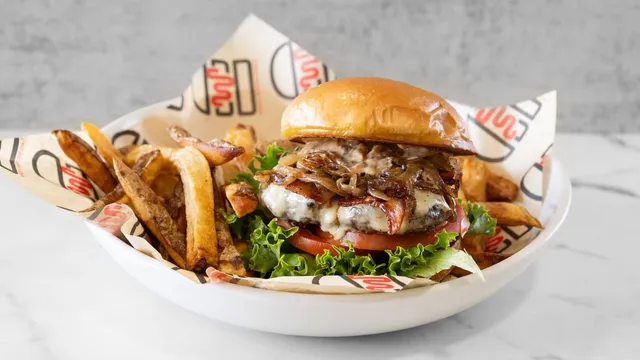
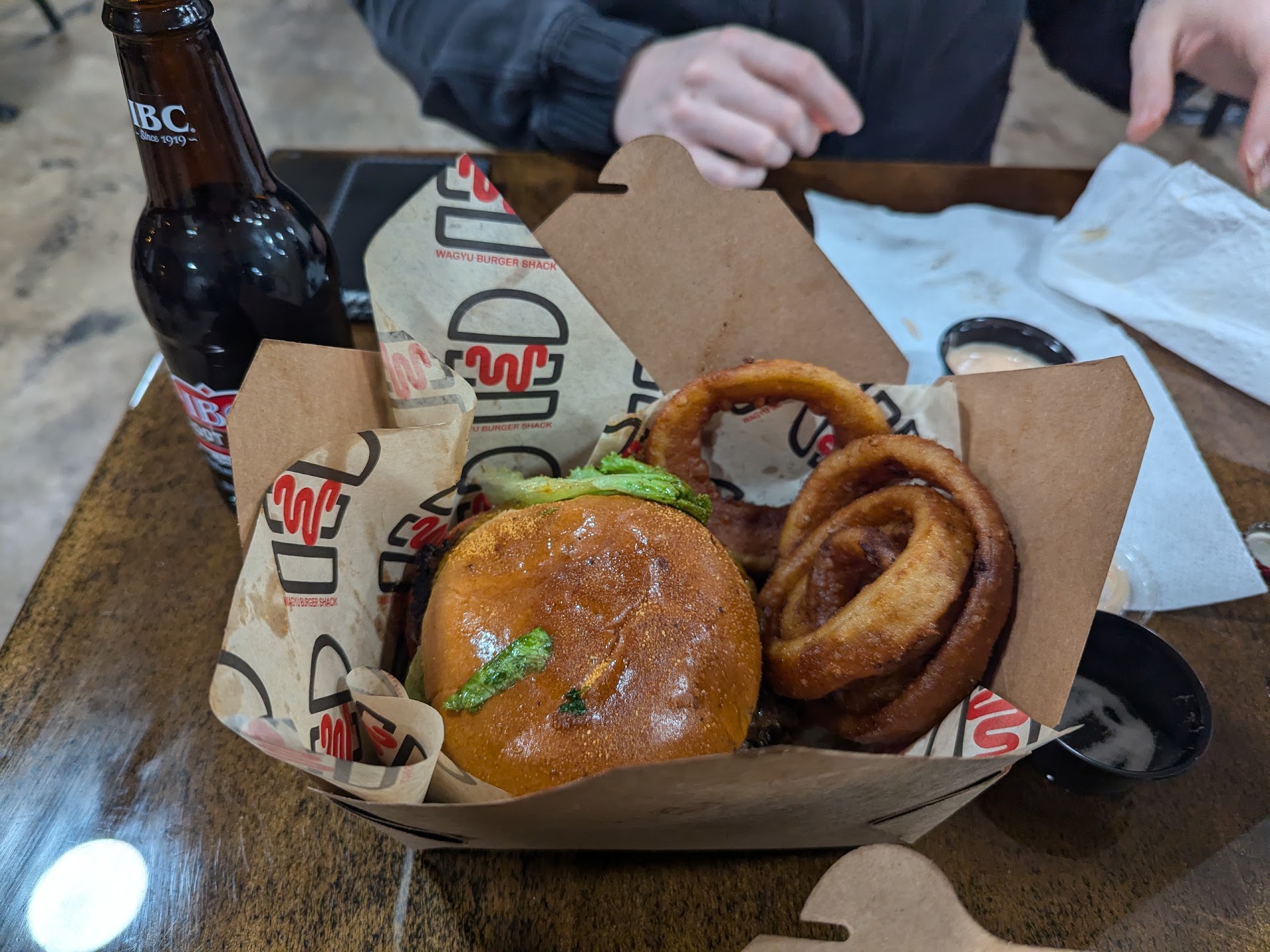
Read moreI recommend everyone to check it out. I got the Bacon burger and my wife got the Amish burger. No shade here just giving my unbiased opinion on opening day. I understand there will be changes as time moves on. Looking to give an update in 1 month when the process has been smoothed out.
The box you get the food in is too small. I had to eat half my fries just to get to the burger. Not a fan of that.
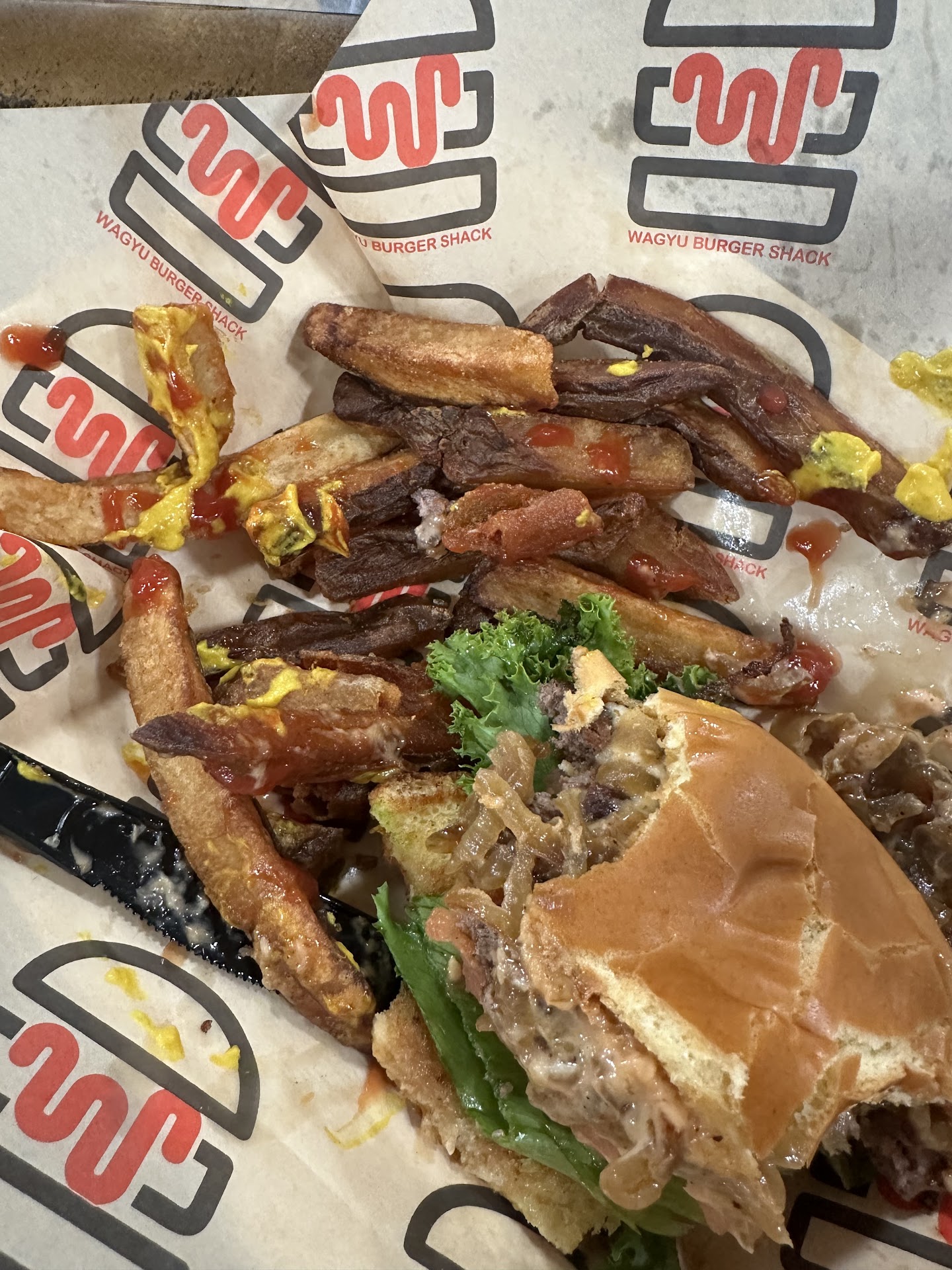
The fries were really salty. Minor issues really but worth noting. Be side the high salt, the fries were actually really good.
The burger was pretty good. I had no issue with my Bacon burger other than being a little salty. My wife in the other hand had issues. Hers was so greasy that the bun essentially disintegrated before she could even eat it as it was buried under the onion rings. When she picked up the burger the meat literally fell out of the other side due to the structure of the burger.
The burgers were pretty salty from over salting and the grease.
The onion rings were fire. Probably the best in town in my opinion.
Price I would say is high. It was $60 for 2 meals with a 15% tip.
We were charged 3 extra dollars for onion rings as an upgrade even though all the sides were the same price... Didn't make sense at all. It also doesn't say there is an upcharge. The menu says burger includes a drink and side. On the same menu it shows the sides all being the same price. So the $3 upcharge doesn't make sense.
Photos are after we ate a bunch...
Read moreI was excited to try Wagyu Shack, especially with all the buzz on Facebook and the local news. Fort Wayne doesn’t get many unique restaurant concepts, so I had high hopes. Unfortunately, my experience fell short of the hype, and I left a bit disappointed. First, I noticed the lack of music, which I’d read was supposed to create a lively ambiance. Instead, the restaurant was unusually quiet, which felt off for a new spot aiming to bring something fresh to the city. The front door also didn’t close properly, so there was a chilly draft as I looked over the menu, which could be uncomfortable for diners in colder weather. As for the food, I’d rate it a 6/10. My meal arrived fresh, but the fries were overcooked and burned, not ideal when spending $40 on a burger and fries. The wagyu burger itself tasted fine but didn’t feel much different from a regular burger. I was also hoping for more variety in the drink options, as they only offered three choices. Overall, I feel like Wagyu Shack has potential, but a bit more attention to detail with the ambiance and food quality would make a big difference. I’d be open to trying it again if some of these issues are addressed, as I’d love to see it become a unique addition to Fort...
Read more