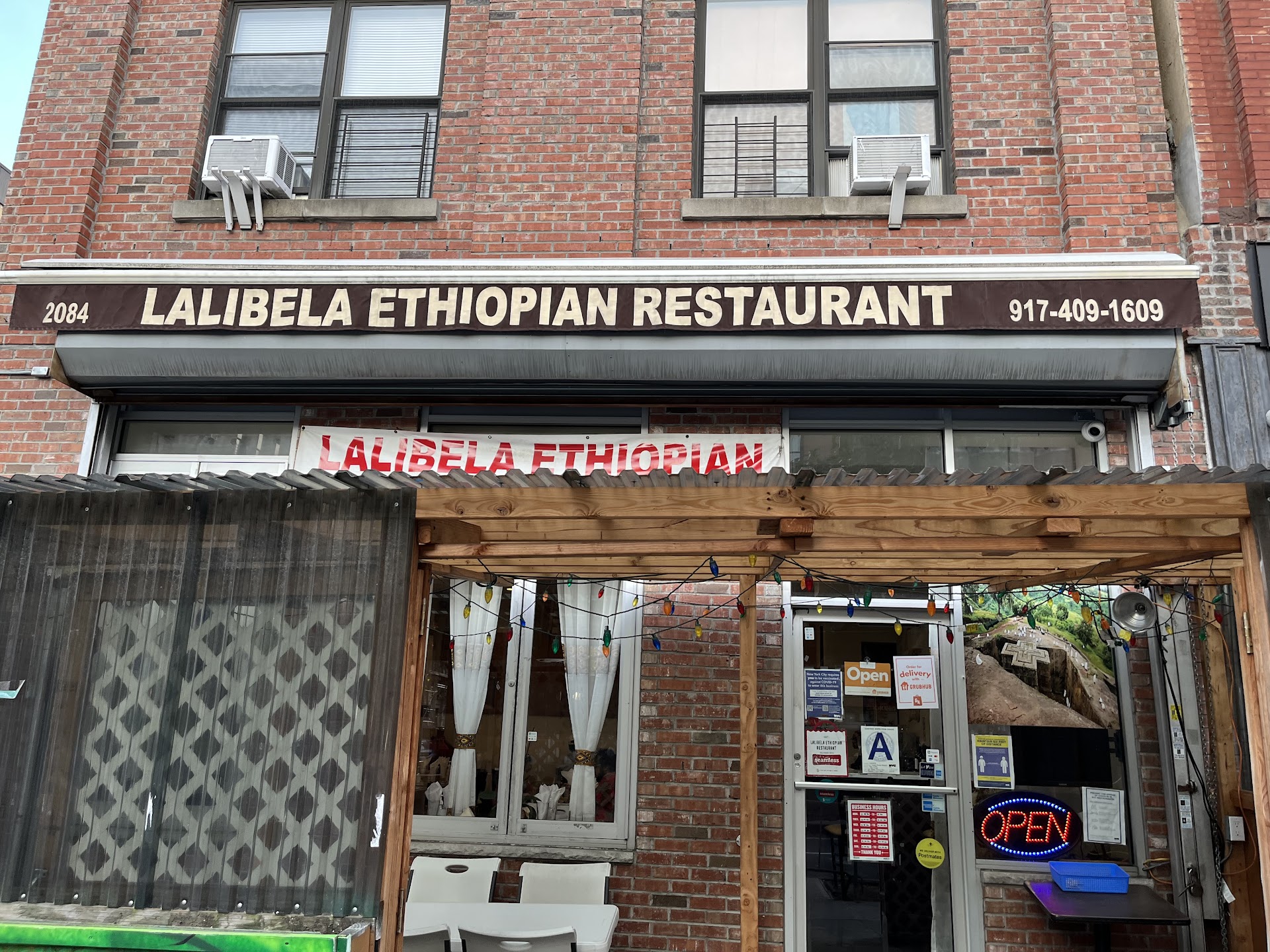
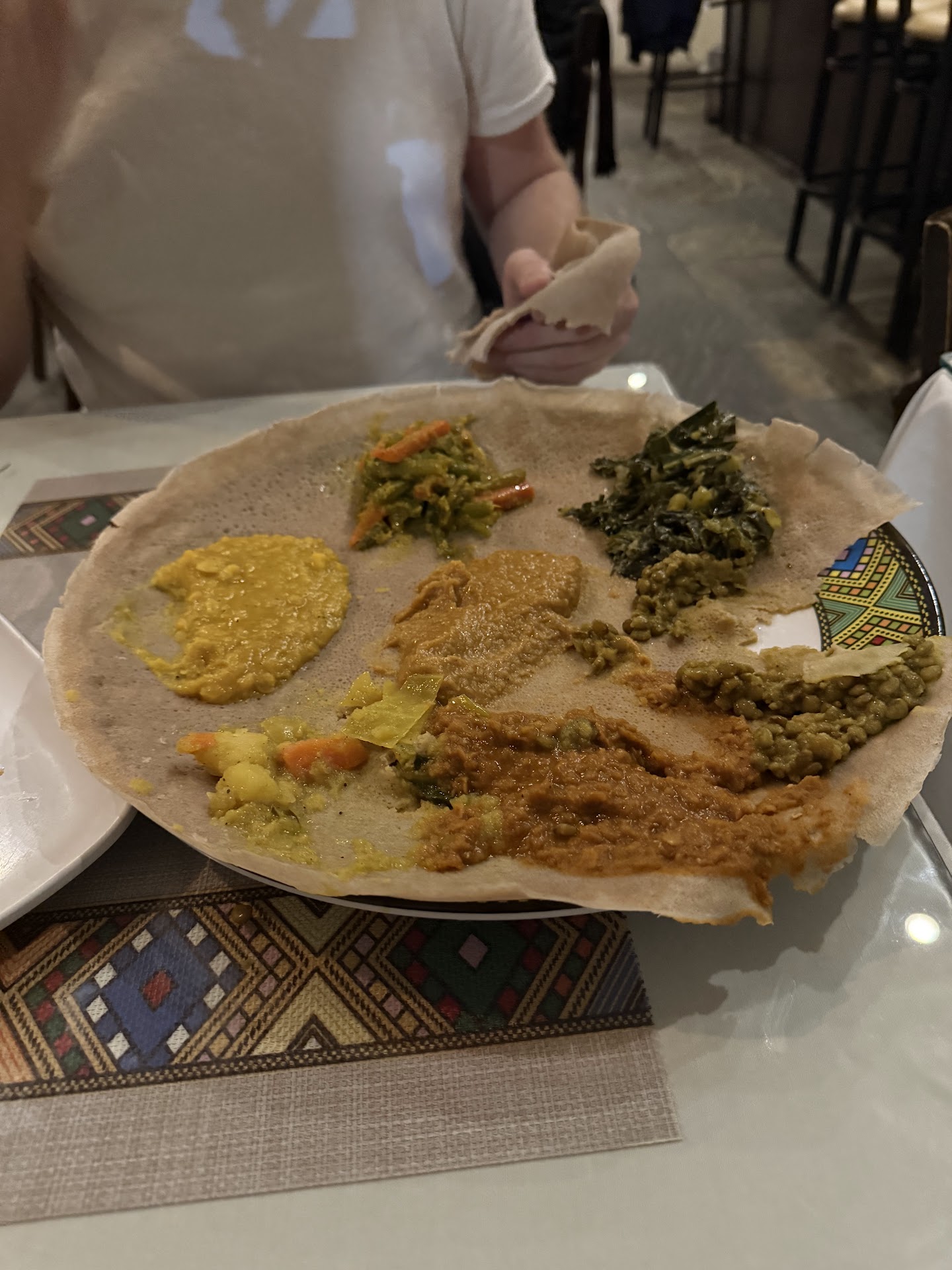
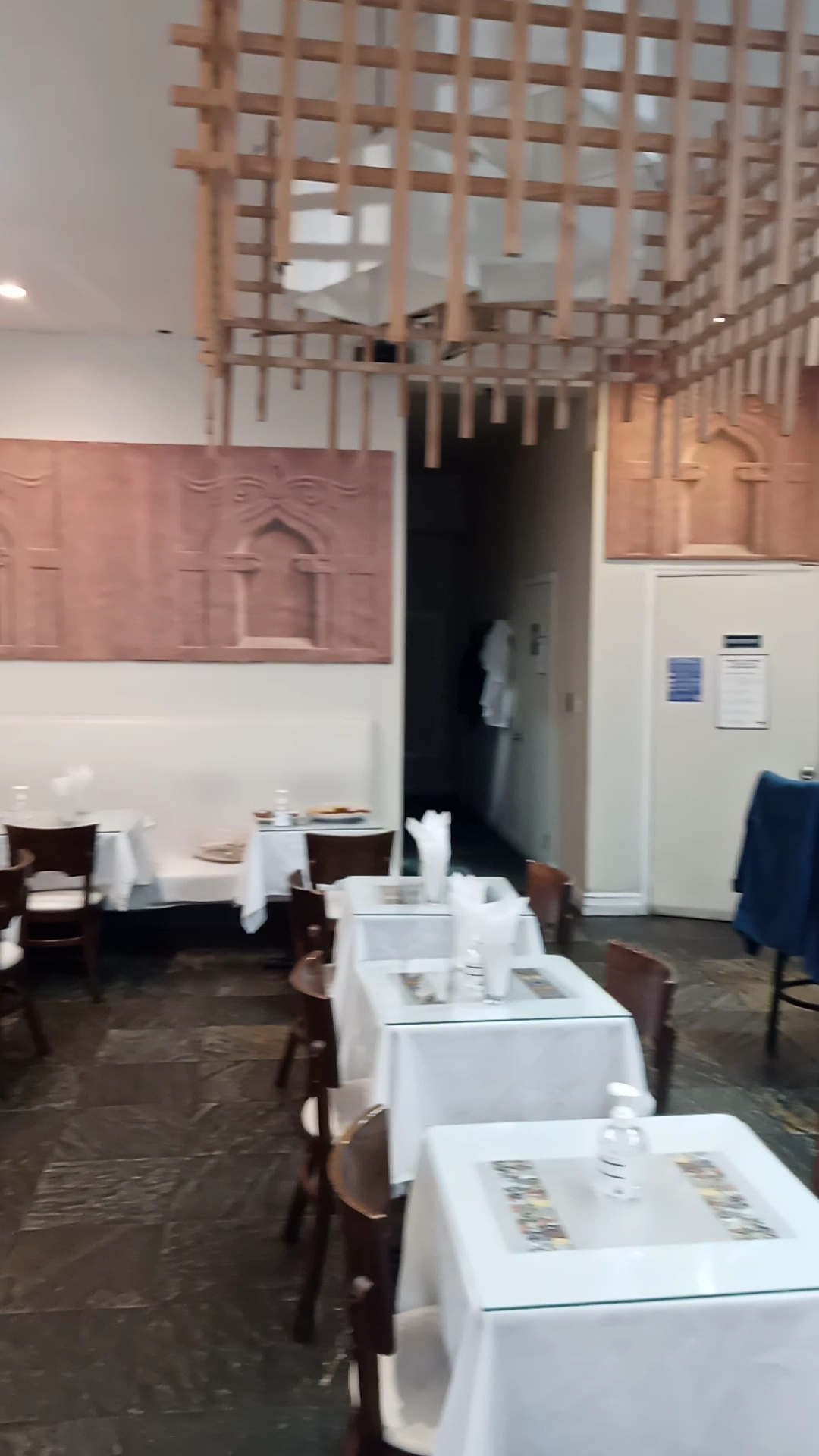
Lalibela Ethiopian Restaurant things to do, attractions, restaurants, events info and trip planning
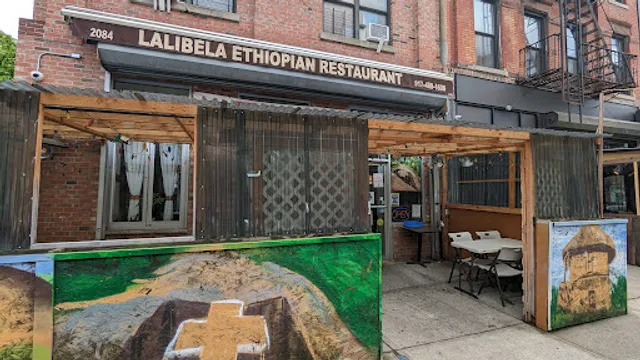
Basic Info
Lalibela Ethiopian Restaurant
2084 Frederick Douglass Blvd, New York, NY 10026
4.5(193)$$$$
Open until 10:00 PM



delivery
Save
spot
spot
Ratings & Description
Info
Humble restaurant offering Ethiopian meat, chicken & fish dishes, plus veggie options.
attractions: Houdini House, Frederick Douglass Sculpture and Water Wall, First Corinthian Baptist Church, Morningside Park, The Cathedral Church of St. John the Divine, Morningside Waterfall, Mount Neboh Baptist Church, West 110th Street Playground, Morningside Park Dog Run, Harry Belafonte 115th Street Library, restaurants: Melba's Restaurant, Cantina Taqueria & Tequila Bar, Row House, Atomic Wings, BLVD Bistro NY, Taqueria Allende, Harlem Tavern, Pa Pa Thai Cuisine ( Formerly Pad Thai ) Harlem, Dragon One, Silvana, local businesses: Coco Young Nail Salon, Mobile Car Buyer, AAA Green Carpet & Upholstery Cleaning, The Greens Photo, Bilingual Nest, Pelando & Rapeando Barber Shop, FIRE Studio, Central Markets, Down to Earth Morningside Park Farmers Market, Brazilian Keratin NYC-Hair Cuts Female Male
 Learn more insights from Wanderboat AI.
Phone
(917) 409-1609
Open hoursSee all hours
Sat12 - 10 PMOpen
Plan your stay

Pet-friendly Hotels in New York
Find a cozy hotel nearby and make it a full experience.

Affordable Hotels in New York
Find a cozy hotel nearby and make it a full experience.

The Coolest Hotels You Haven't Heard Of (Yet)
Find a cozy hotel nearby and make it a full experience.

Trending Stays Worth the Hype in New York
Find a cozy hotel nearby and make it a full experience.
Featured dishes
View full menu
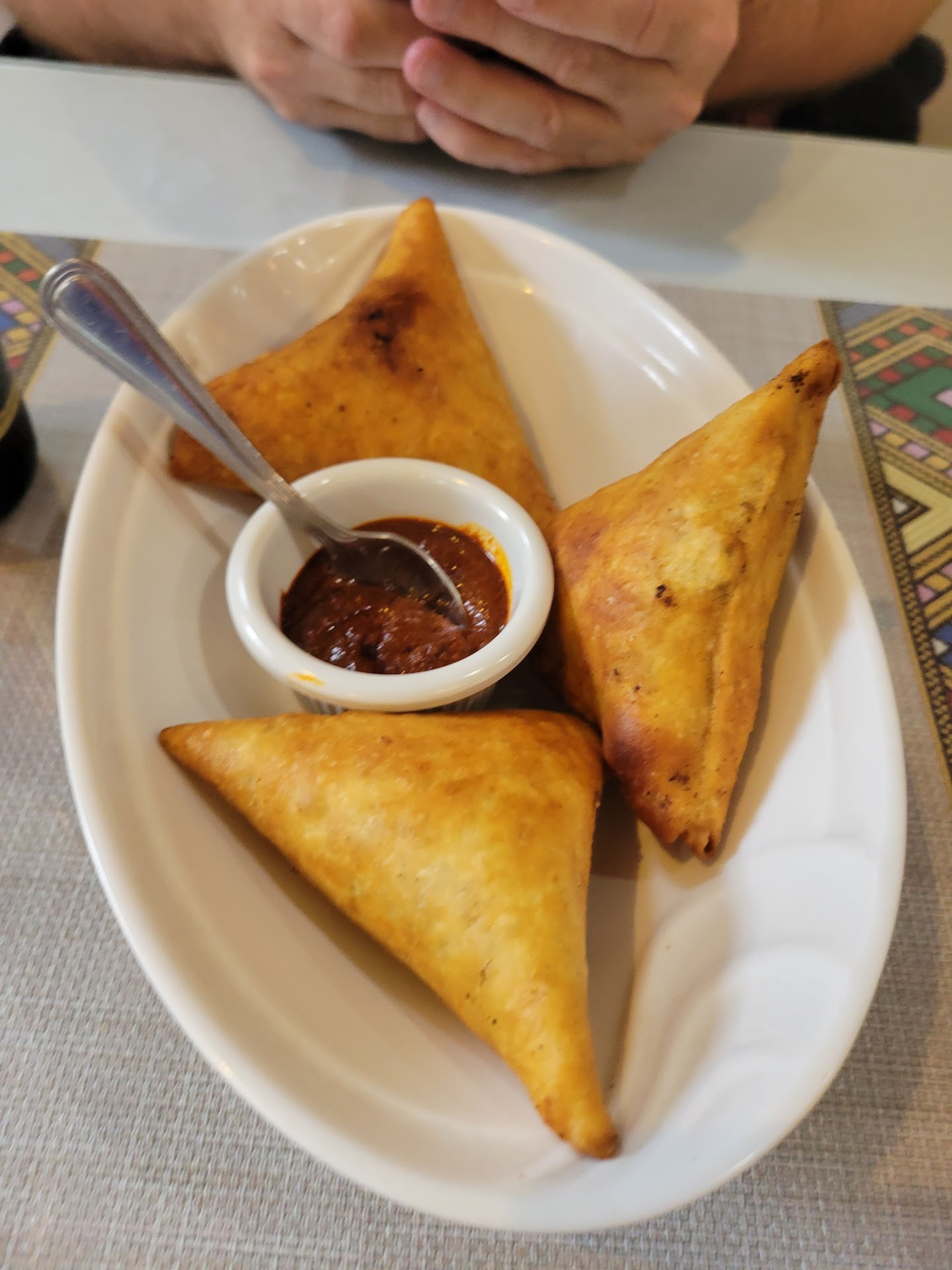
Veggie Sambusa
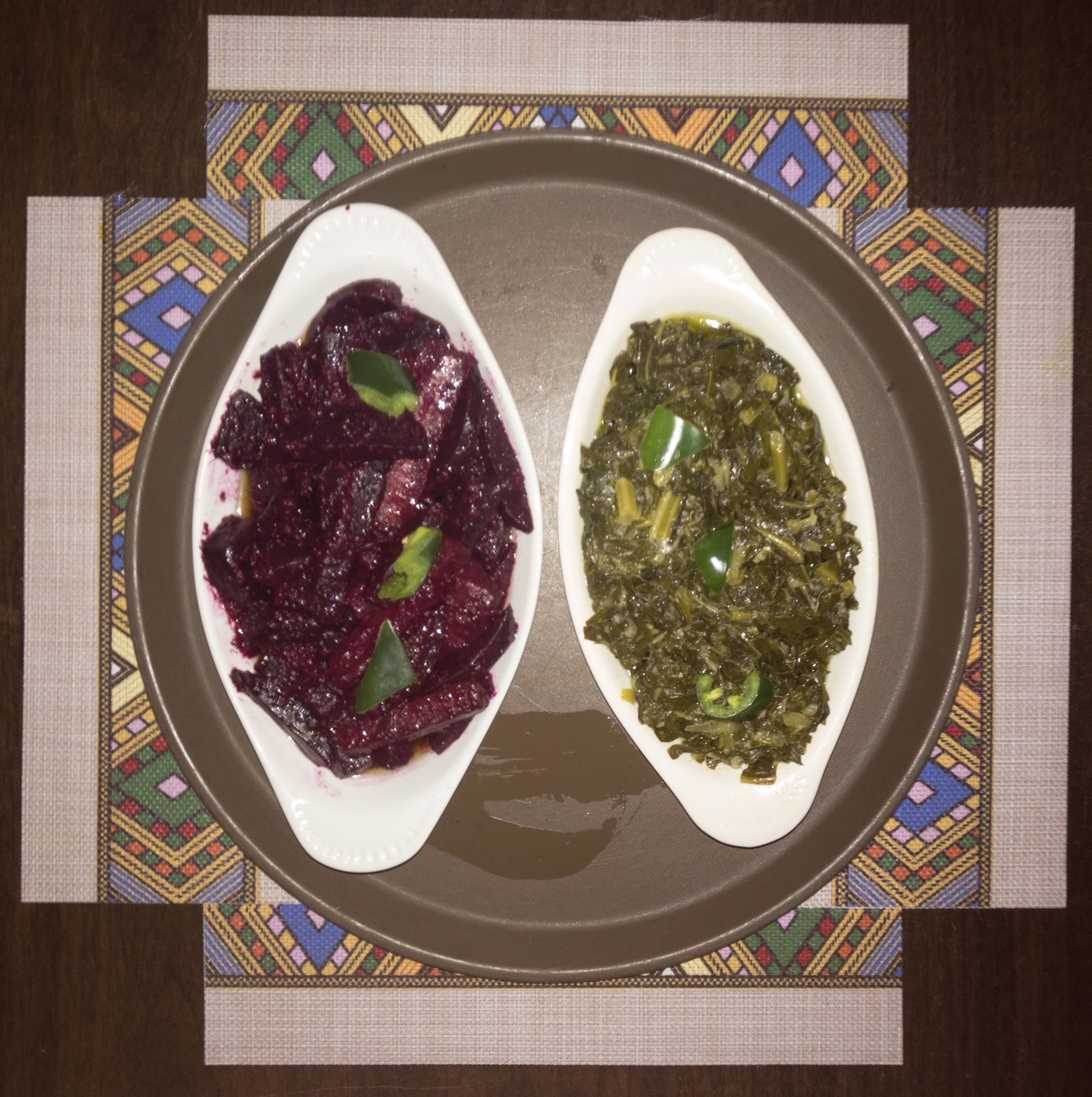
Gomen Wot
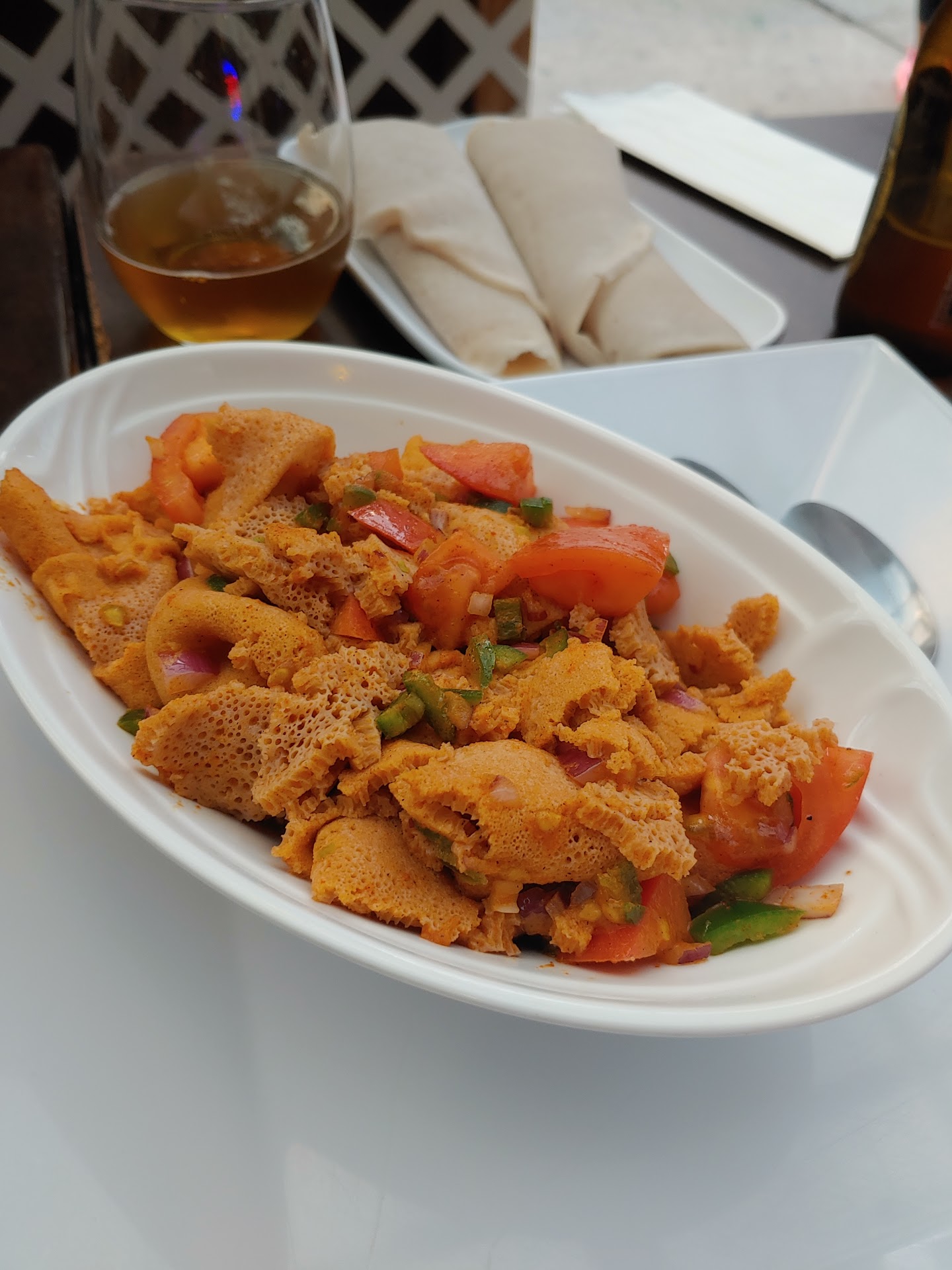
Tibs Firfir
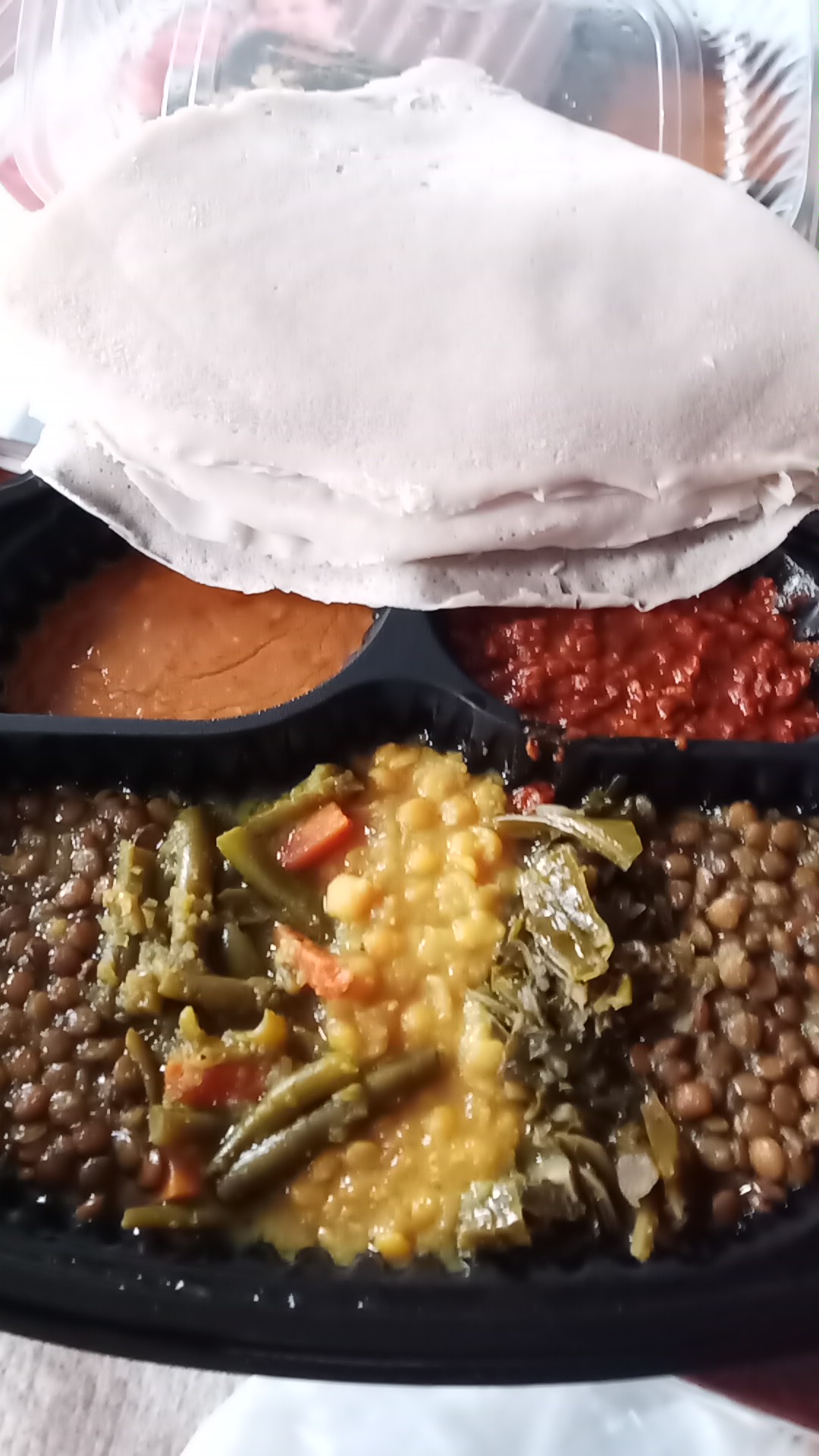
Vegetable Combo
Reviews
Live events
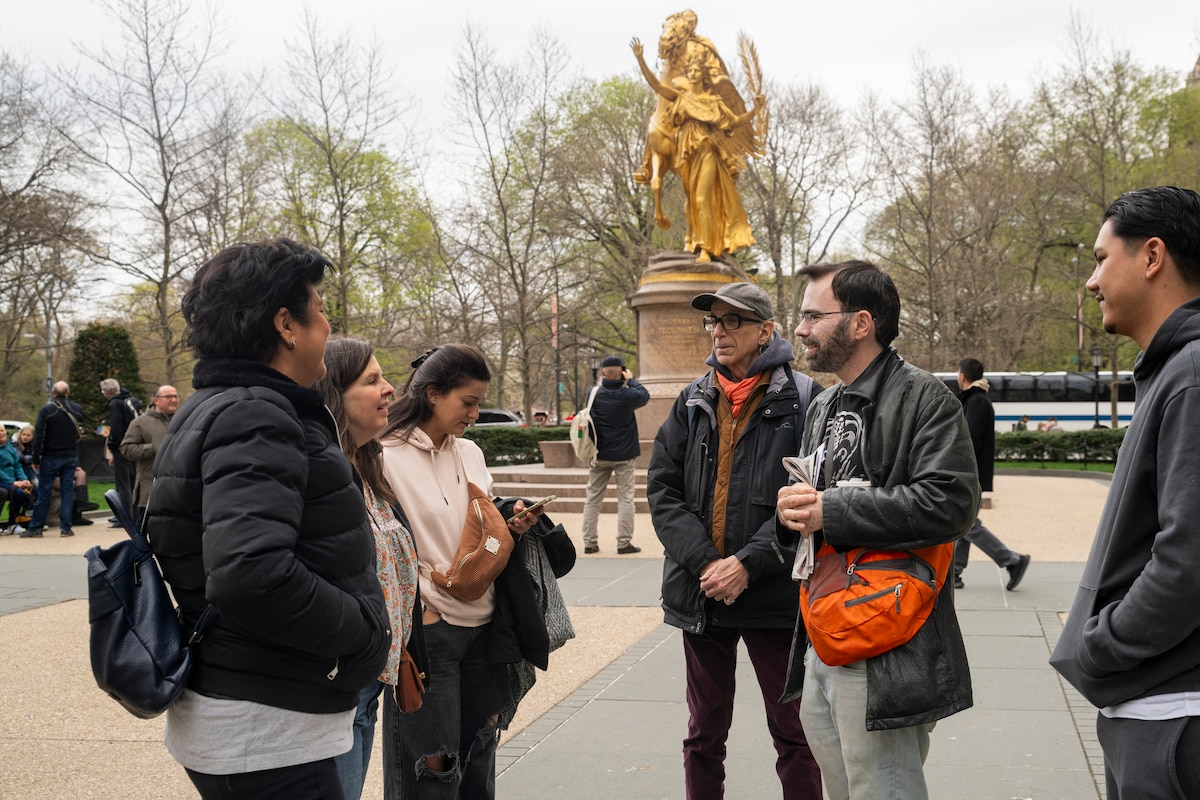
The Full-Day See It All NYC Tour
Sun, Feb 8 • 10:00 AM
New York, New York, 10019
View details
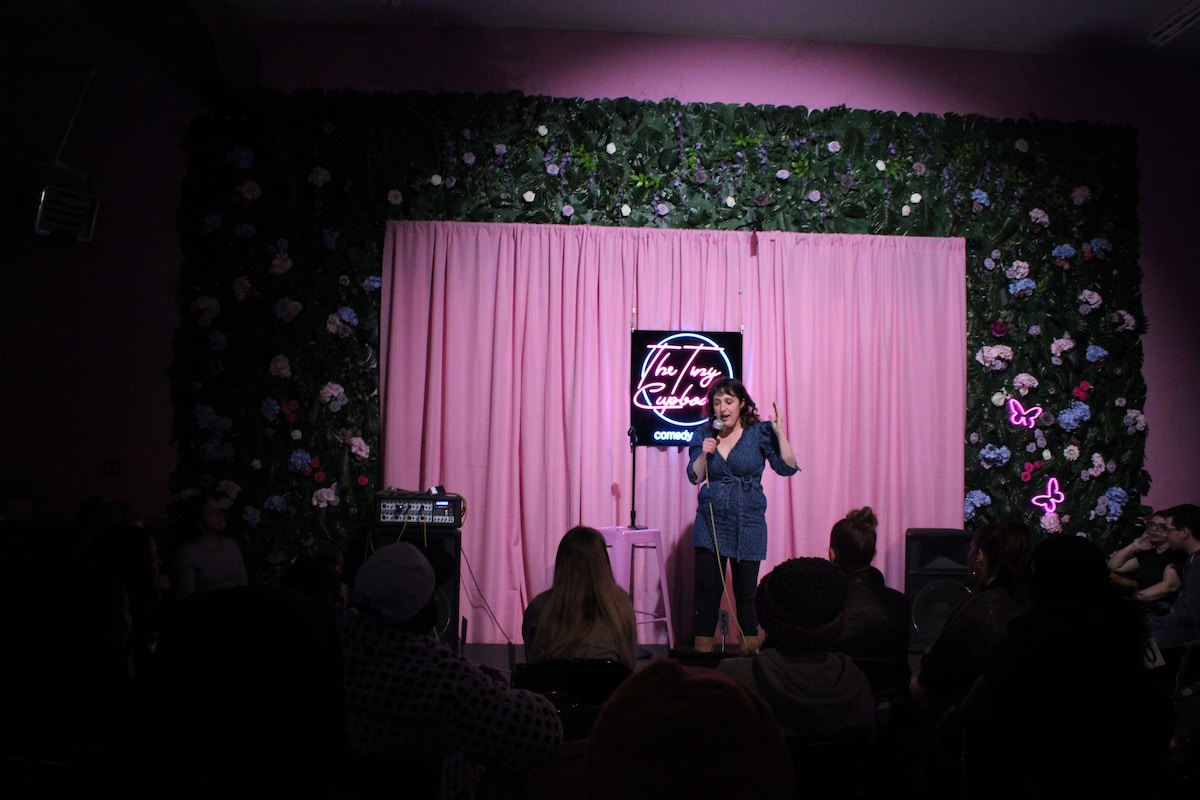
Guffaw at stand-up comedy in Brooklyn
Sat, Feb 7 • 8:30 PM
Brooklyn, New York, 11207
View details
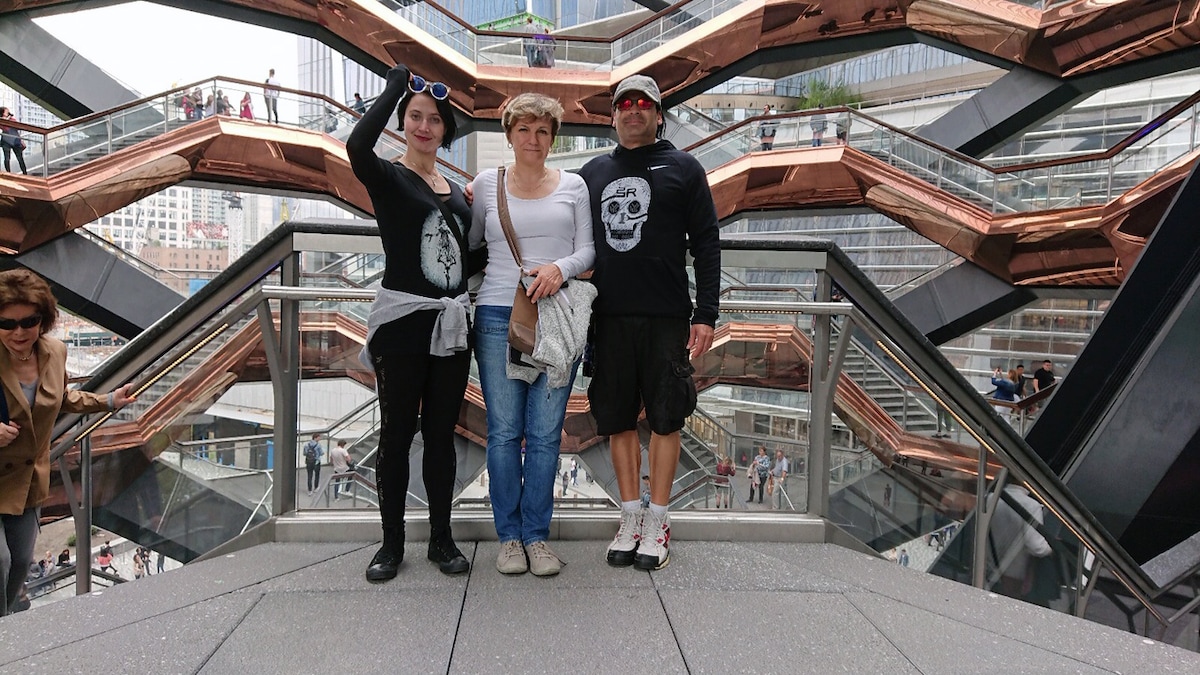
Maxs Wake n’ Bake Tour
Mon, Feb 9 • 11:00 AM
New York, New York, 10025
View details
Nearby attractions of Lalibela Ethiopian Restaurant
Houdini House
Frederick Douglass Sculpture and Water Wall
First Corinthian Baptist Church
Morningside Park
The Cathedral Church of St. John the Divine
Morningside Waterfall
Mount Neboh Baptist Church
West 110th Street Playground
Morningside Park Dog Run
Harry Belafonte 115th Street Library
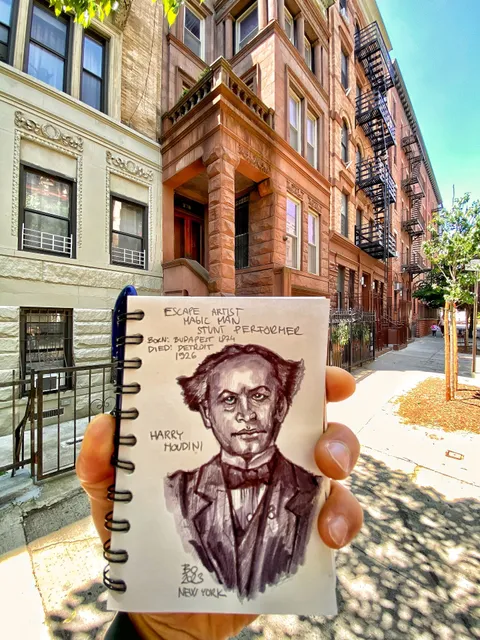
Houdini House
4.9
(8)
Open 24 hours
Click for details
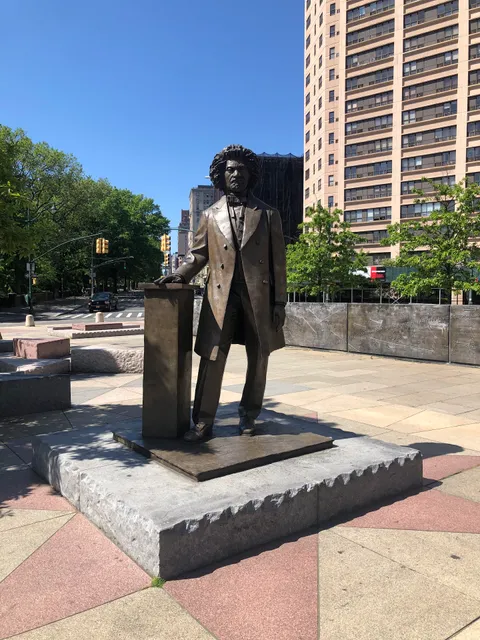
Frederick Douglass Sculpture and Water Wall
4.7
(108)
Open until 1:00 AM
Click for details
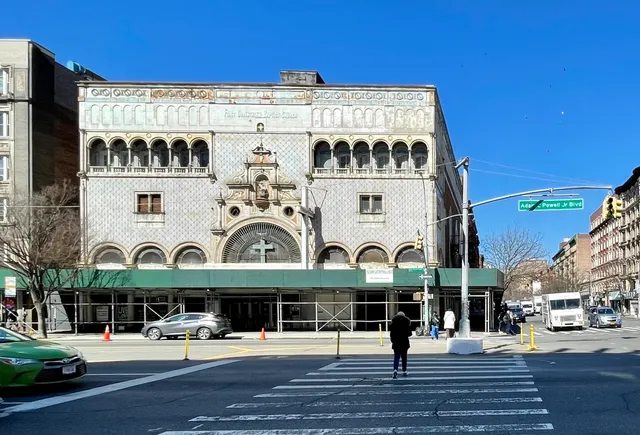
First Corinthian Baptist Church
4.3
(286)
Open until 12:00 AM
Click for details
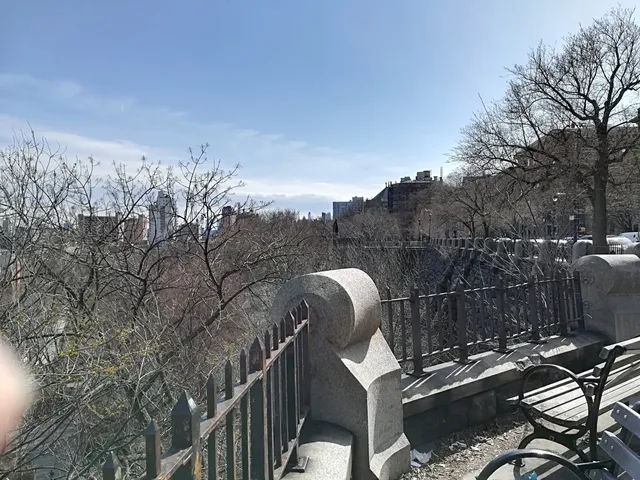
Morningside Park
4.5
(2K)
Open until 1:00 AM
Click for details
Nearby restaurants of Lalibela Ethiopian Restaurant
Melba's Restaurant
Cantina Taqueria & Tequila Bar
Row House
Atomic Wings
BLVD Bistro NY
Taqueria Allende
Harlem Tavern
Pa Pa Thai Cuisine ( Formerly Pad Thai ) Harlem
Dragon One
Silvana
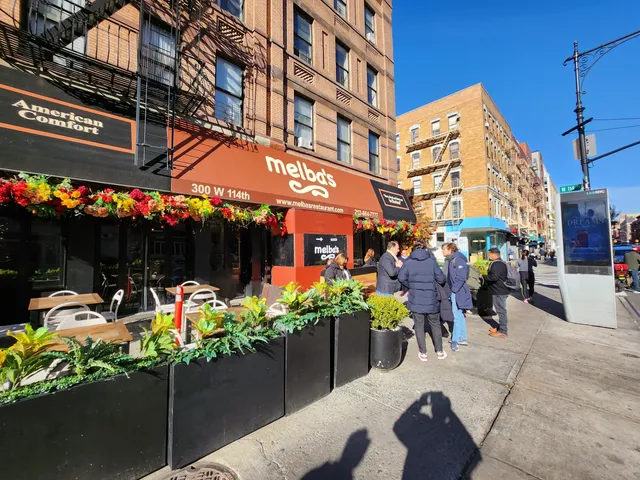
Melba's Restaurant
4.3
(2K)
$$
Open until 11:00 PM
Click for details
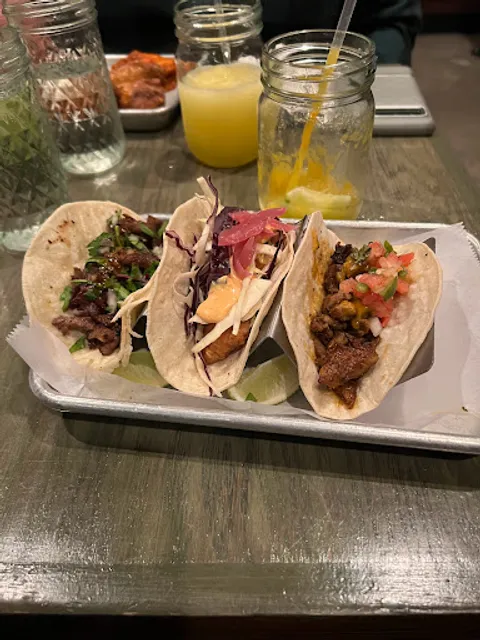
Cantina Taqueria & Tequila Bar
4.2
(505)
$$
Open until 12:00 AM
Click for details
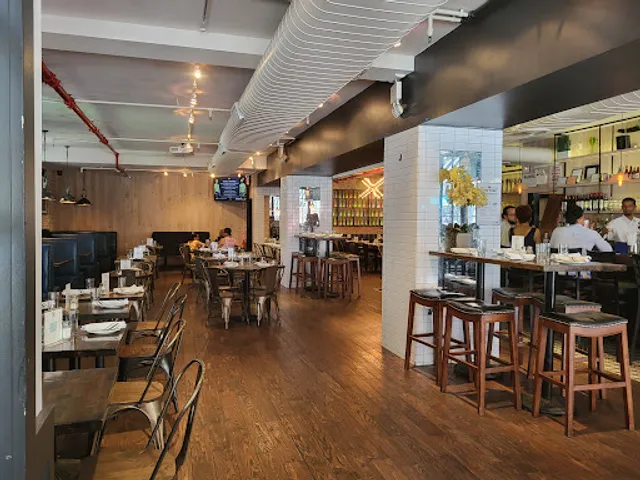
Row House
4.2
(842)
$$
Open until 12:00 AM
Click for details
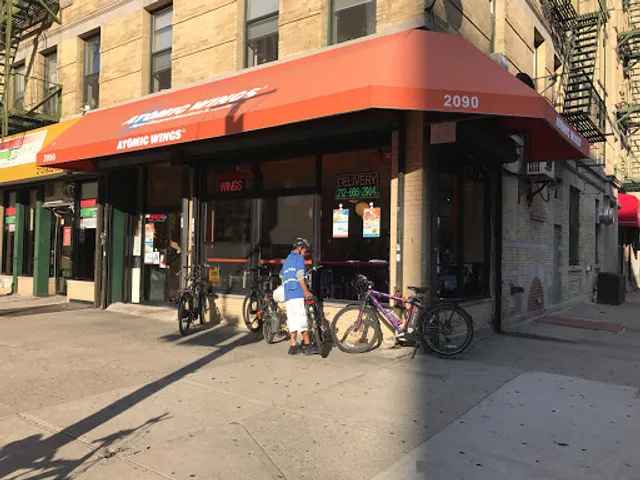
Atomic Wings
3.9
(200)
$
Open until 11:00 PM
Click for details
Nearby local services of Lalibela Ethiopian Restaurant
Coco Young Nail Salon
Mobile Car Buyer
AAA Green Carpet & Upholstery Cleaning
The Greens Photo
Bilingual Nest
Pelando & Rapeando Barber Shop
FIRE Studio
Central Markets
Down to Earth Morningside Park Farmers Market
Brazilian Keratin NYC-Hair Cuts Female Male
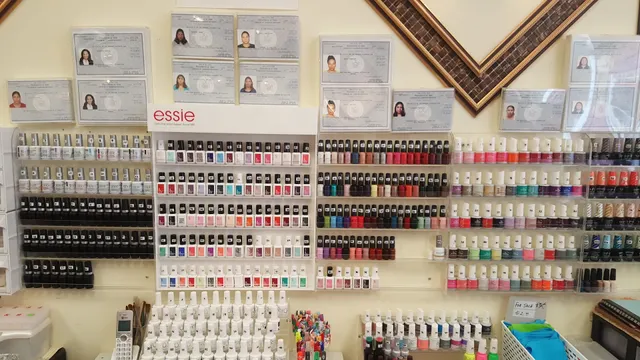
Coco Young Nail Salon
4.4
(132)
Click for details

Mobile Car Buyer
5.0
(71)
Click for details

AAA Green Carpet & Upholstery Cleaning
4.3
(13)
Click for details
The Greens Photo
5.0
(38)
Click for details