Museum of Chinese Australian History things to do, attractions, restaurants, events info and trip planning
Basic Info
Museum of Chinese Australian History
level 1/22 Cohen Pl, Melbourne VIC 3000, Australia
4.4(211)
Open until 4:00 PM

tickets
Save
spot
spot
Ratings & Description
Info
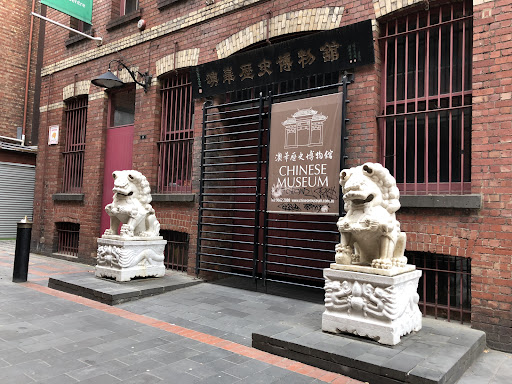
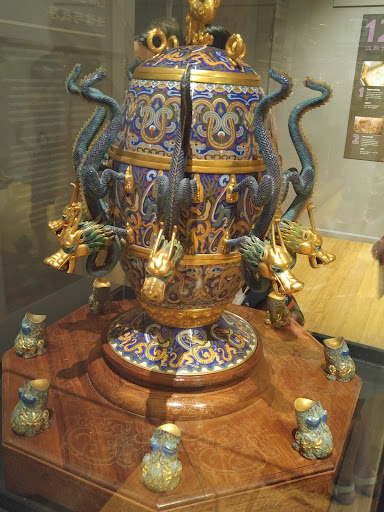
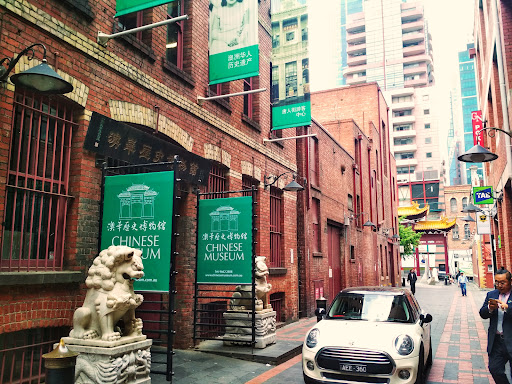
The Chinese Museum or Museum of Chinese Australian History is an Australian history museum located in Melbourne's Chinatown, which is dedicated to documenting, preserving and displaying the history, heritage and culture of Australia's Chinese community.
Cultural
Entertainment
Family friendly
Accessibility
attractions: Her Majesty's Theatre, Comedy Theatre, Impossible Occurrences - Melbourne's Exclusive Magic Show, The Princess Theatre, State Library Victoria, Wesley Uniting Church, Croft Alley Graffiti, Old Melbourne Gaol, Athenaeum Theatre, Parliament Gardens, restaurants: Shanghai Village, Bomba Tapas Bar & Rooftop, Hofbräuhaus Melbourne, Seamstress Restaurant and Bar, Secret Kitchen Chinatown, Stalactites Restaurant, Berlin Bar, Empress of China, K H A O • S O I, Pinto Thai Food ปิ่นโตเดลิเวอรี่, local businesses: 108 Bourke St, QV Melbourne, 195 Lonsdale St, The Paramount, TANG - The Asian Food Emporium, JB Hi-Fi City - Bourke Street, Adventure Rooms Melbourne (Bourke St) - Escape Rooms, First Parking | 59 Lonsdale Street Car Park, The Paperback Bookshop, CBD College
 Learn more insights from Wanderboat AI.
Phone
+61 3 9662 2888
Website
chinesemuseum.com.au
Open hoursSee all hours
Thu10 AM - 4 PMOpen
Plan your stay

Pet-friendly Hotels in Melbourne
Find a cozy hotel nearby and make it a full experience.

Affordable Hotels in Melbourne
Find a cozy hotel nearby and make it a full experience.

The Coolest Hotels You Haven't Heard Of (Yet)
Find a cozy hotel nearby and make it a full experience.

Trending Stays Worth the Hype in Melbourne
Find a cozy hotel nearby and make it a full experience.
Reviews
Live events
Candlelight Valentines Day: Classical Romance
Sat, Feb 14 • 8:30 PM
188 Collins St, Melbourne, 43215
View details
Titanic: A Voyage Through Time
Thu, Feb 12 • 12:20 PM
Level 1, 206 Bourke Street, Melbourne, 3000
View details
Balloon Story - Melbourne
Thu, Feb 12 • 12:30 PM
1 Convention Centre Pl, South Wharf VIC 3006, Australia, 3006
View details
Nearby attractions of Museum of Chinese Australian History
Her Majesty's Theatre
Comedy Theatre
Impossible Occurrences - Melbourne's Exclusive Magic Show
The Princess Theatre
State Library Victoria
Wesley Uniting Church
Croft Alley Graffiti
Old Melbourne Gaol
Athenaeum Theatre
Parliament Gardens
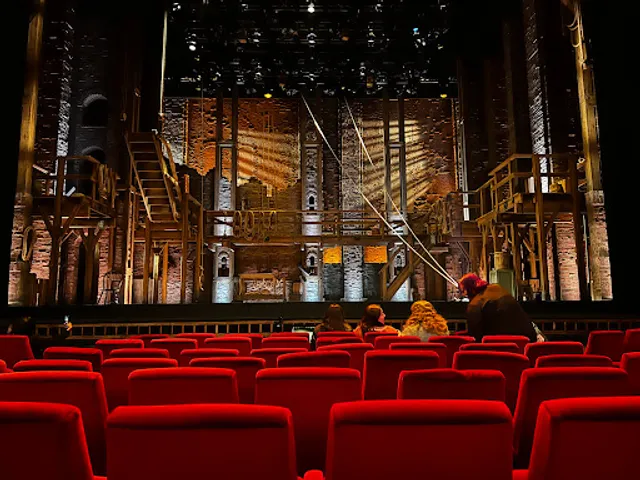
Her Majesty's Theatre
4.6
(2.2K)
Open 24 hours
Click for details
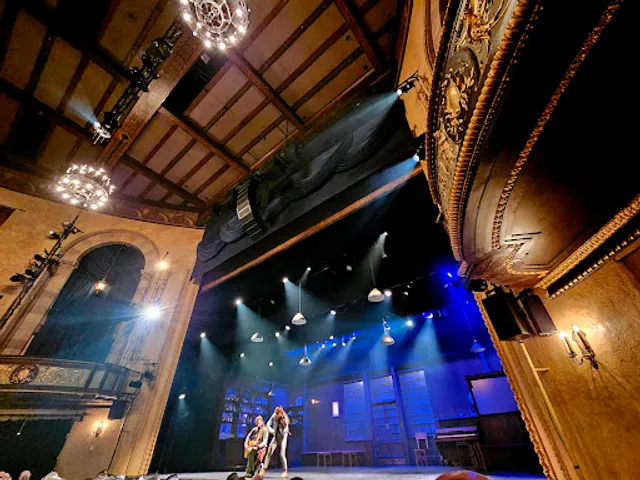
Comedy Theatre
4.6
(1.3K)
Open 24 hours
Click for details
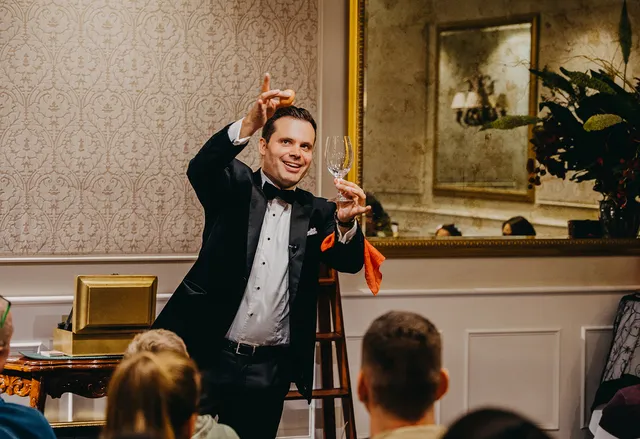
Impossible Occurrences - Melbourne's Exclusive Magic Show
5.0
(228)
Open 24 hours
Click for details
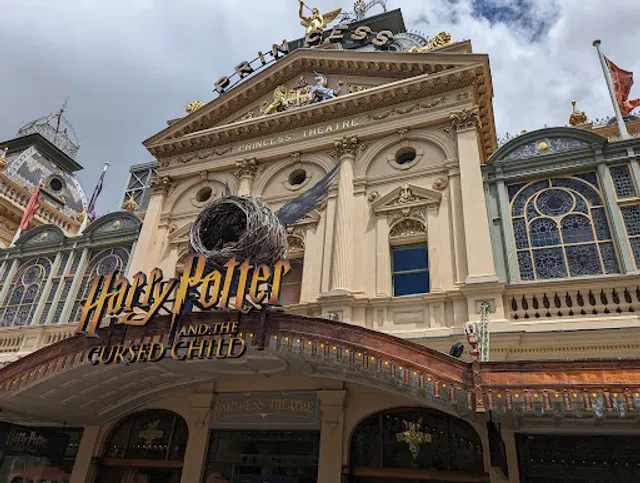
The Princess Theatre
4.6
(2.4K)
Open 24 hours
Click for details
Nearby restaurants of Museum of Chinese Australian History
Shanghai Village
Bomba Tapas Bar & Rooftop
Hofbräuhaus Melbourne
Seamstress Restaurant and Bar
Secret Kitchen Chinatown
Stalactites Restaurant
Berlin Bar
Empress of China
K H A O • S O I
Pinto Thai Food ปิ่นโตเดลิเวอรี่
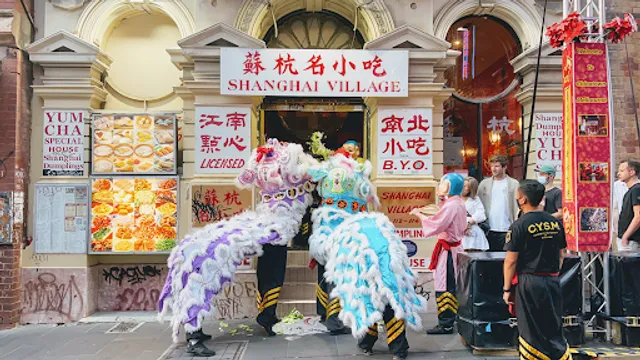
Shanghai Village
4.1
(1.5K)
Open until 10:00 PM
Click for details
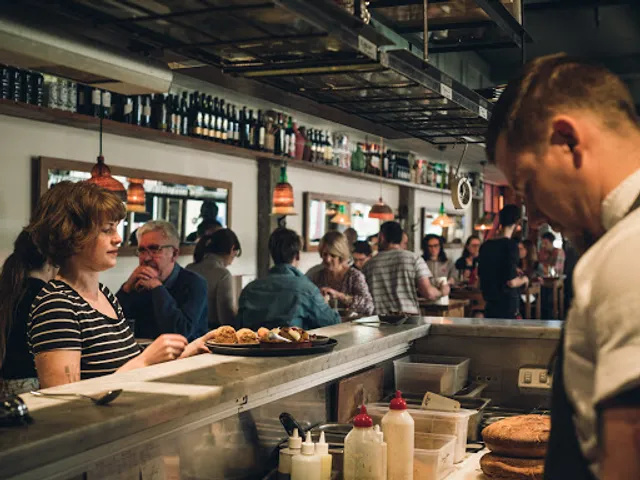
Bomba Tapas Bar & Rooftop
4.4
(1.1K)
$$
Open until 12:00 AM
Click for details
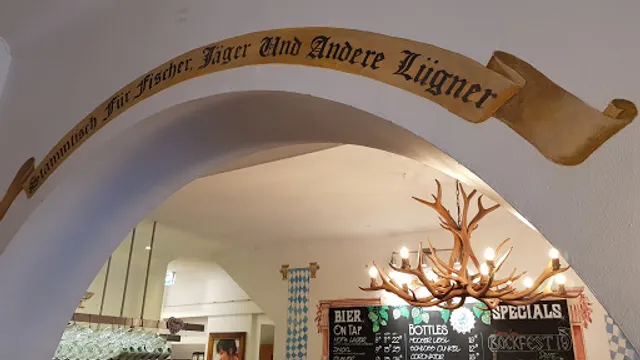
Hofbräuhaus Melbourne
4.6
(1.9K)
Open until 11:00 PM
Click for details
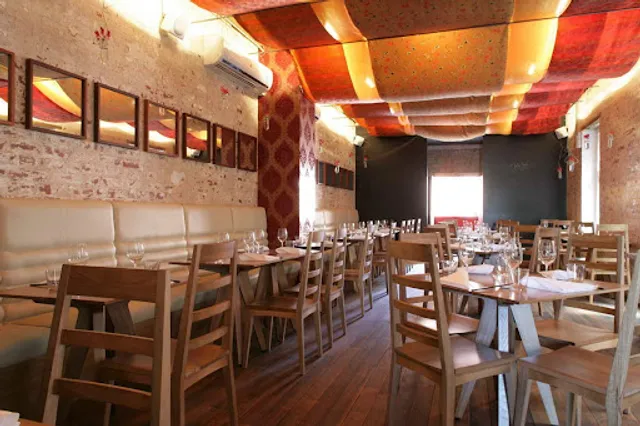
Seamstress Restaurant and Bar
4.4
(471)
$$
Open until 1:00 AM
Click for details
Nearby local services of Museum of Chinese Australian History
108 Bourke St
QV Melbourne
195 Lonsdale St
The Paramount
TANG - The Asian Food Emporium
JB Hi-Fi City - Bourke Street
Adventure Rooms Melbourne (Bourke St) - Escape Rooms
First Parking | 59 Lonsdale Street Car Park
The Paperback Bookshop
CBD College
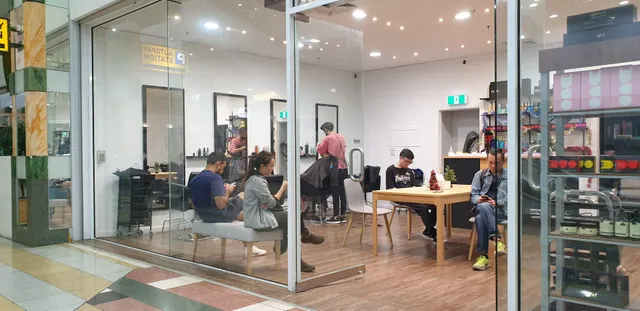
108 Bourke St
4.9
(2K)
Click for details
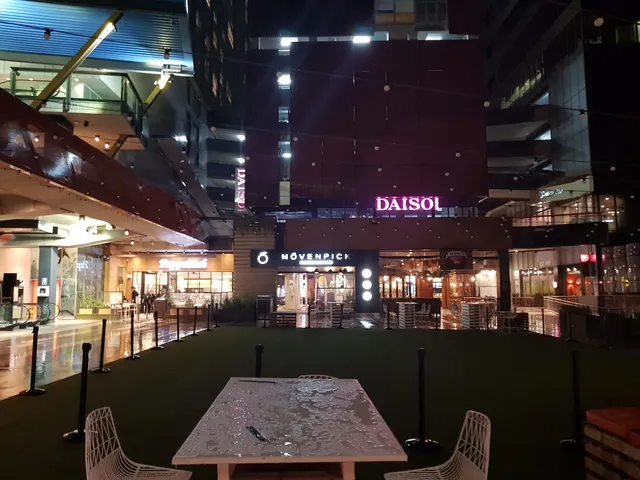
QV Melbourne
4.3
(4.8K)
Click for details

195 Lonsdale St
4.5
(1.3K)
Click for details
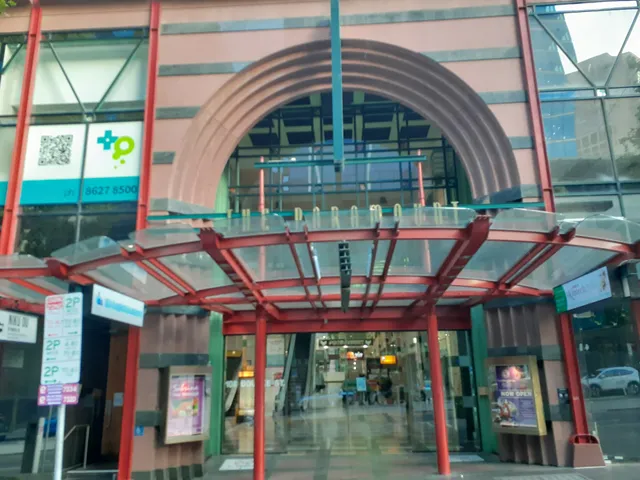
The Paramount
3.8
(238)
Click for details