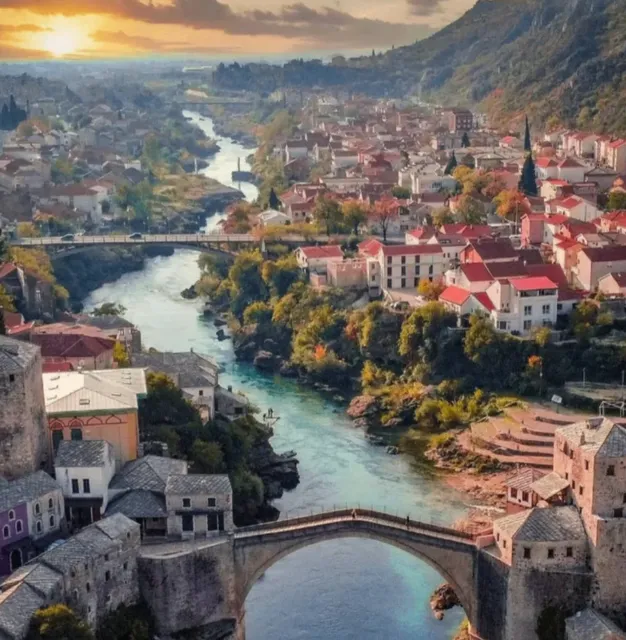
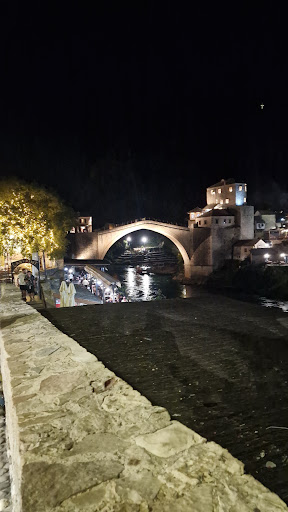
Mostar Old Town things to do, attractions, restaurants, events info and trip planning
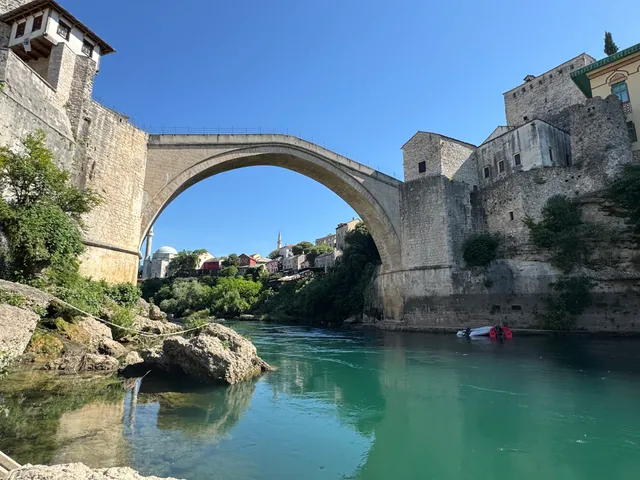
Basic Info
Mostar Old Town
Stari Most, Mostar 88000, Bosnia and Herzegovina
4.8(495)
Open until 12:00 AM
Save
spot
spot
Ratings & Description
Info
"cultural"
"scenic"
attractions: Old Bridge Mostar, Mostar Old Bridge Viewpoint, Koski Mehmed Pasha Mosque, Muzej Stari most, Crooked Bridge, Kujundžiluk Bazar, Halebija Tower, DONT FORGET '93 memorial stone, Ćejvan-Ćehaja's Mosque, Museum Of War And Genocide Victims, restaurants: Restaurant Šadrvan, Tima - Irma, Restaurant Bella Vista, Terrace Lagero, Hindin Han, URBAN taste of orient, Food House Mostar, Restaurant Divan - Traditional Food, Fish, Meat Specialties & Wine Bar, Restaurant Babilon, Café de Alma, local businesses: Mostar Old Bridge, Old Bazar " Mostar ", Beach below Stari Most, Mostar Old Bridge Photopoint, Taxi boat Old Bridge & ZIPLINE STARI MOST, Bazaar In Mostar, Most Bunur, Plaza de España, Hit Booker Property Management
 Learn more insights from Wanderboat AI.
Open hoursSee all hours
SunOpen 24 hoursOpen
Plan your stay

Pet-friendly Hotels in MZ Donja Mahala
Find a cozy hotel nearby and make it a full experience.

Affordable Hotels in MZ Donja Mahala
Find a cozy hotel nearby and make it a full experience.

The Coolest Hotels You Haven't Heard Of (Yet)
Find a cozy hotel nearby and make it a full experience.

Trending Stays Worth the Hype in MZ Donja Mahala
Find a cozy hotel nearby and make it a full experience.
Reviews
Nearby attractions of Mostar Old Town
Old Bridge Mostar
Mostar Old Bridge Viewpoint
Koski Mehmed Pasha Mosque
Muzej Stari most
Crooked Bridge
Kujundžiluk Bazar
Halebija Tower
DONT FORGET '93 memorial stone
Ćejvan-Ćehaja's Mosque
Museum Of War And Genocide Victims
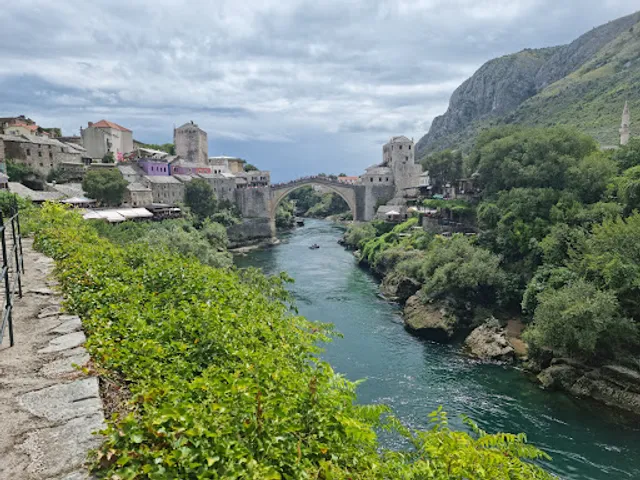
Old Bridge Mostar
4.8
(19.5K)
Open until 12:00 AM
Click for details
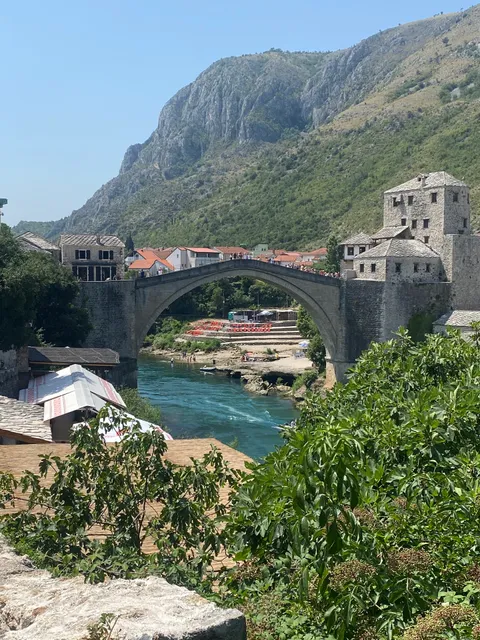
Mostar Old Bridge Viewpoint
4.8
(100)
Open until 12:00 AM
Click for details
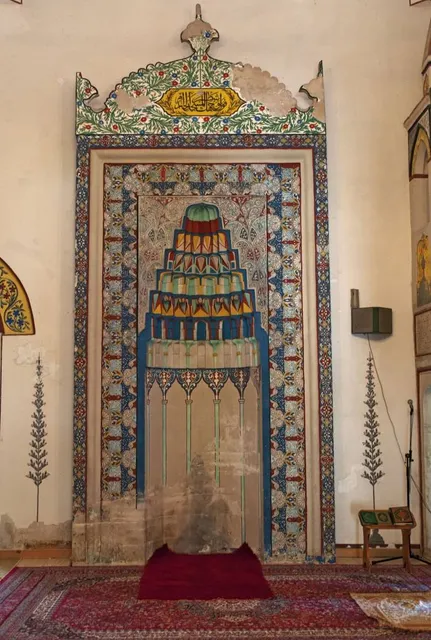
Koski Mehmed Pasha Mosque
4.4
(497)
Closed
Click for details
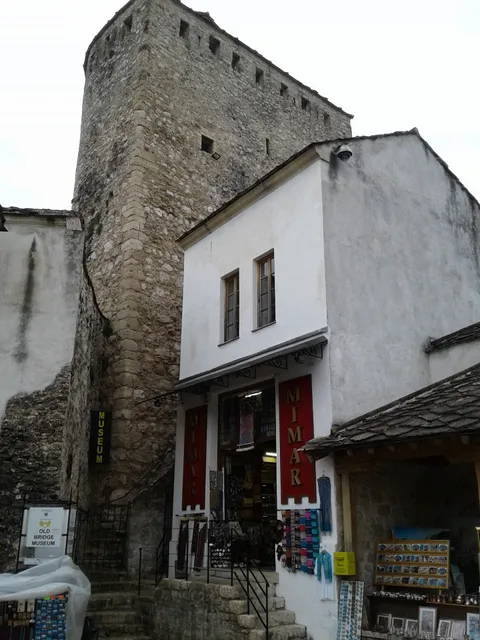
Muzej Stari most
4.4
(92)
Closed
Click for details
Nearby restaurants of Mostar Old Town
Restaurant Šadrvan
Tima - Irma
Restaurant Bella Vista
Terrace Lagero
Hindin Han
URBAN taste of orient
Food House Mostar
Restaurant Divan - Traditional Food, Fish, Meat Specialties & Wine Bar
Restaurant Babilon
Café de Alma
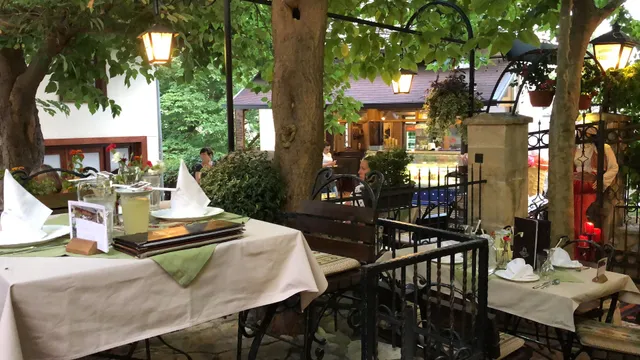
Restaurant Šadrvan
4.5
(2.2K)
$$
Open until 11:00 PM
Click for details
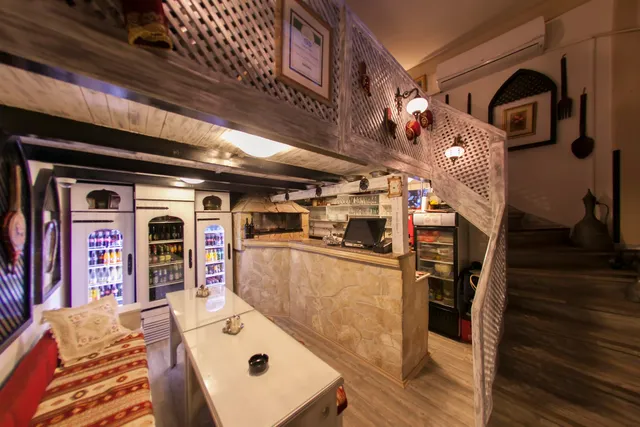
Tima - Irma
4.8
(1.6K)
$
Open until 11:00 PM
Click for details
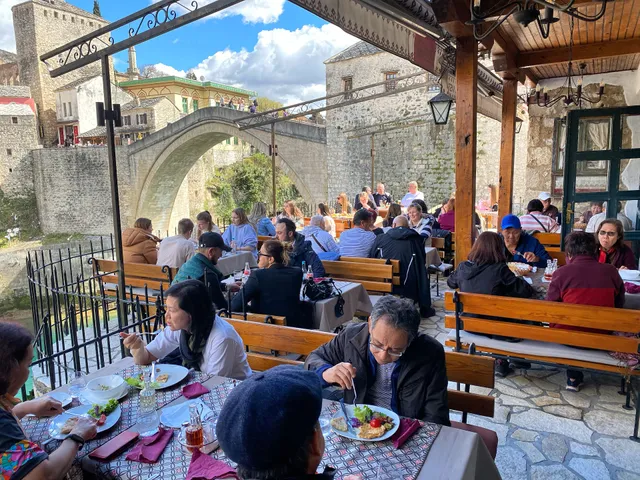
Restaurant Bella Vista
4.6
(632)
$$
Click for details
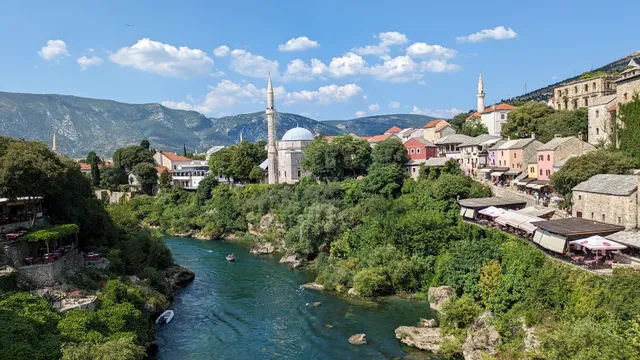
Terrace Lagero
4.8
(686)
$$
Open until 10:59 PM
Click for details
Nearby local services of Mostar Old Town
Mostar Old Bridge
Old Bazar " Mostar "
Beach below Stari Most
Mostar Old Bridge Photopoint
Taxi boat Old Bridge & ZIPLINE STARI MOST
Bazaar In Mostar
Most Bunur
Plaza de España
Hit Booker Property Management
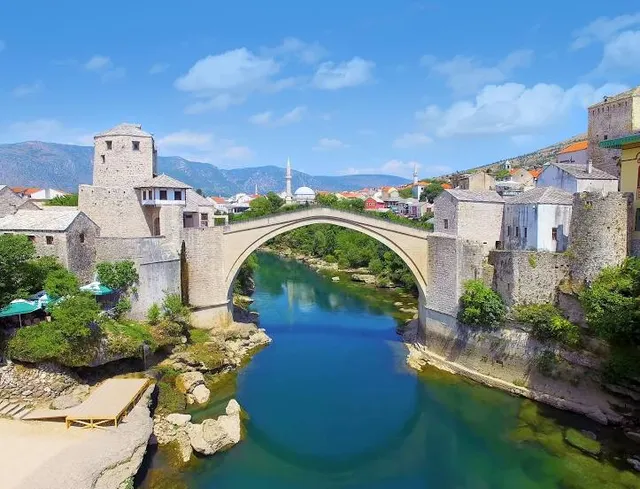
Mostar Old Bridge
4.8
(15.2K)
Click for details
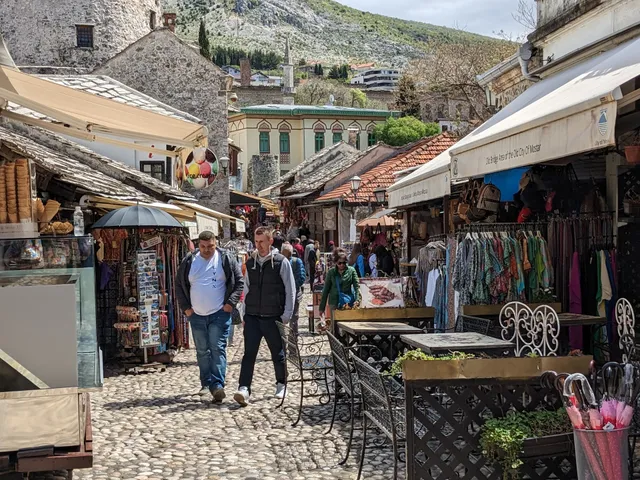
Old Bazar " Mostar "
4.4
(67)
Click for details
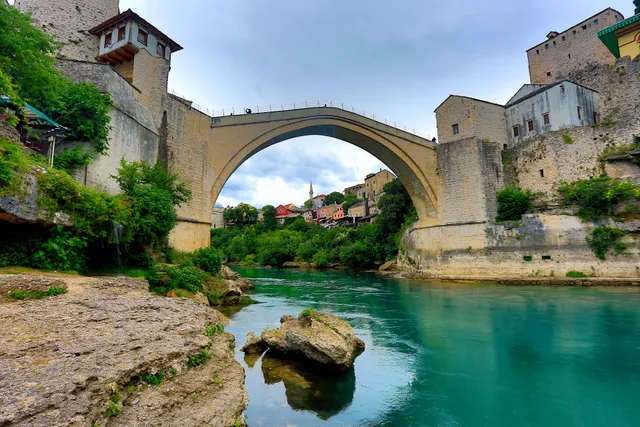
Beach below Stari Most
4.8
(62)
Click for details
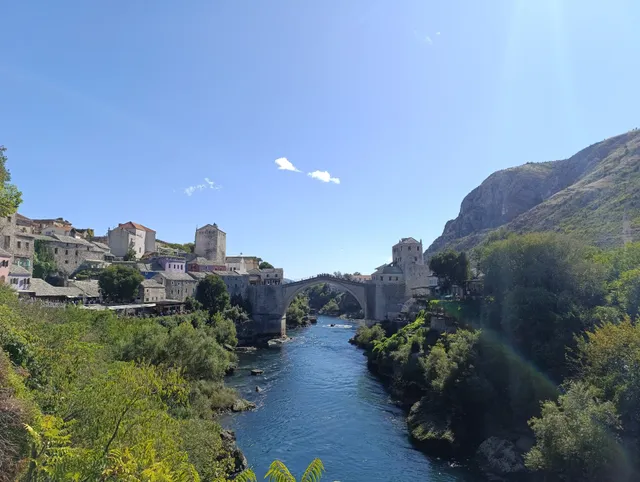
Mostar Old Bridge Photopoint
4.8
(99)
Click for details