Tollkeepers' Cottage Museum things to do, attractions, restaurants, events info and trip planning
Basic Info
Tollkeepers' Cottage Museum
750 Davenport Rd, Toronto, ON M5R 1L4, Canada
4.8(12)
Open until 12:00 AM
Save
spot
spot
Ratings & Description
Info
Cultural
Family friendly
Accessibility
attractions: Casa Loma, Tarragon Theatre, Casa Loma Escape Rooms, Casa Loma Stables, Wychwood Barns Park, Secret City @ Casa Loma, Spadina Museum, Wychwood Barns, Wells Hill Park, Baldwin Steps, restaurants: Craque [de] Créme, Kiyo Japanese Cuisine, Creeds Coffee Bar, Vesta Lunch, Fat Pasha, Chadwick's Craft Kitchen & Bar, BlueBlood Steakhouse, Detroit Pizzeria, Dutch Dreams, Schmaltz Appetizing, local businesses: Hillcrest Community Centre, The Occult Shop, Back Alley Barbell - 24hr, OK Tire, Ferreira-Wells Immigration Services Inc., Moving On Organizing Ltd, Knit-O-Matic, MyoCare Registered Massage Therapy, Tattoo People, George Brown Polytechnic - Casa Loma Campus - C Building
 Learn more insights from Wanderboat AI.
Website
tollkeeperscottage.ca
Open hoursSee all hours
FriClosedOpen
Plan your stay

Pet-friendly Hotels in Toronto
Find a cozy hotel nearby and make it a full experience.

Affordable Hotels in Toronto
Find a cozy hotel nearby and make it a full experience.

The Coolest Hotels You Haven't Heard Of (Yet)
Find a cozy hotel nearby and make it a full experience.

Trending Stays Worth the Hype in Toronto
Find a cozy hotel nearby and make it a full experience.
Reviews
Live events

Create a custom silver ring with a goldsmith
Fri, Feb 27 • 5:00 PM
Toronto, Ontario, M6J 0A8, Canada
View details
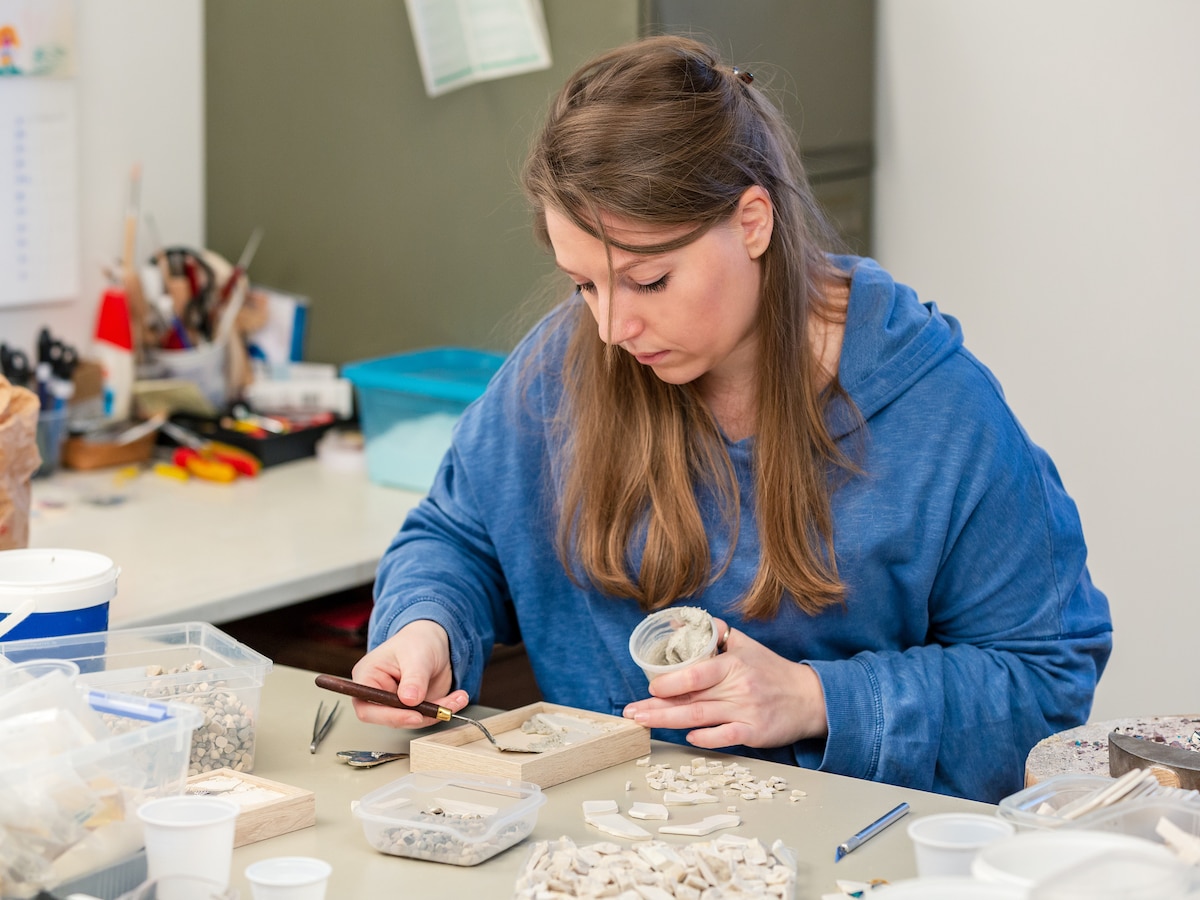
Make pottery on the wheel in beginners course
Fri, Feb 27 • 12:00 PM
Toronto, Ontario, M5G 1C3, Canada
View details
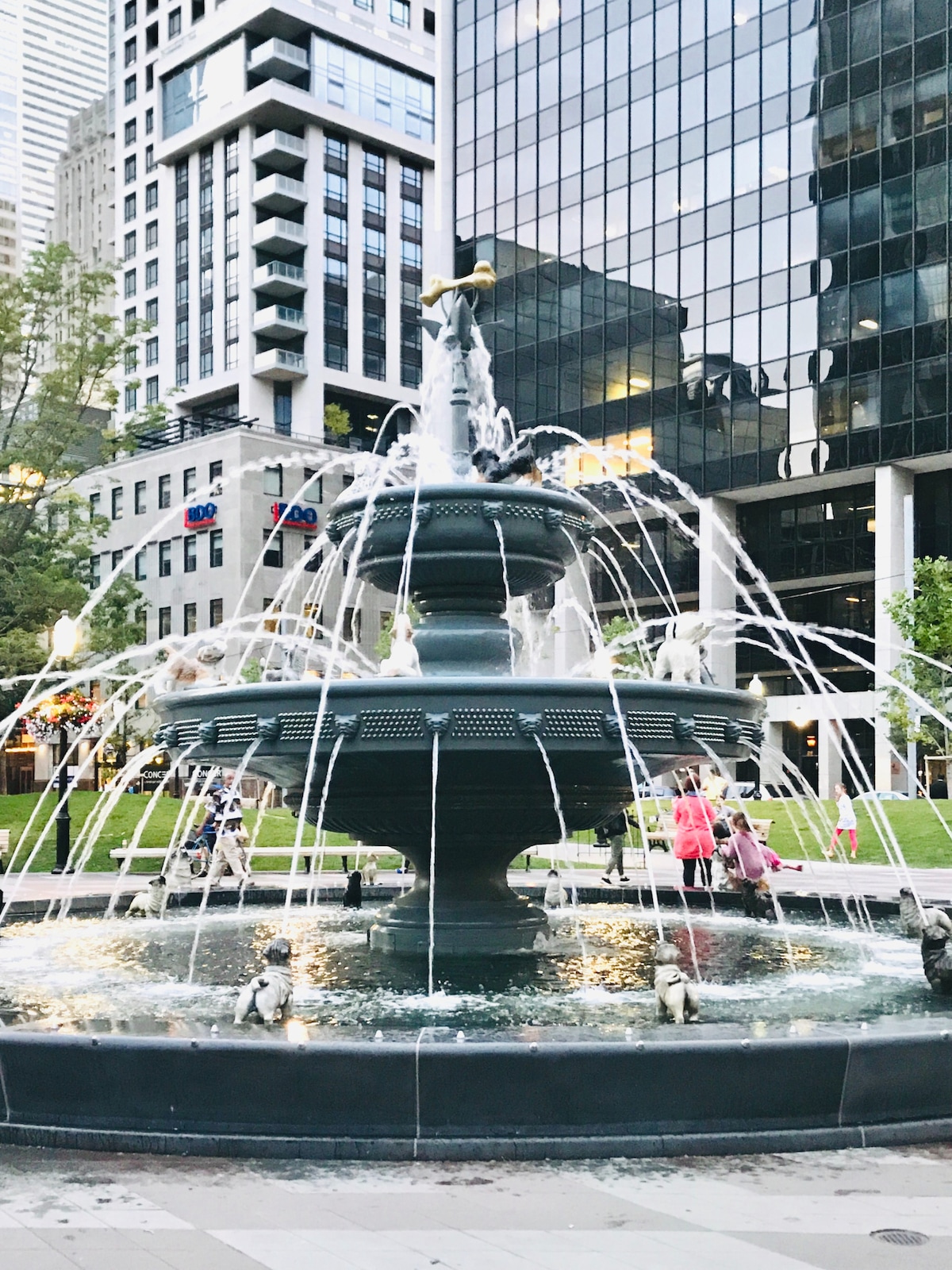
Show me the City
Sat, Feb 28 • 1:00 PM
Toronto, Ontario, M5J 1W9, Canada
View details
Nearby attractions of Tollkeepers' Cottage Museum
Casa Loma
Tarragon Theatre
Casa Loma Escape Rooms
Casa Loma Stables
Wychwood Barns Park
Secret City @ Casa Loma
Spadina Museum
Wychwood Barns
Wells Hill Park
Baldwin Steps
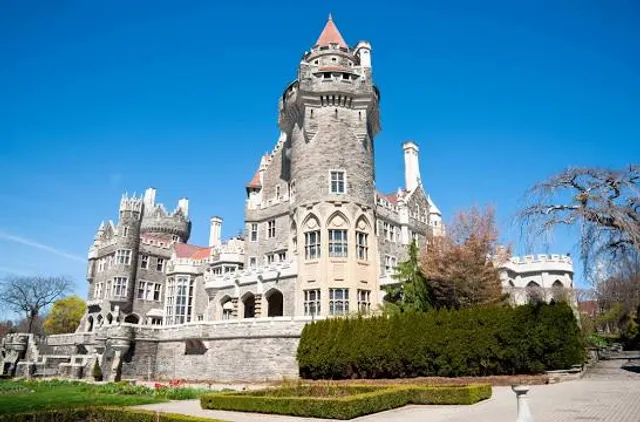
Casa Loma
4.5
(11.8K)
Closed
Click for details

Tarragon Theatre
4.6
(375)
Open 24 hours
Click for details
Casa Loma Escape Rooms
4.7
(396)
Open 24 hours
Click for details
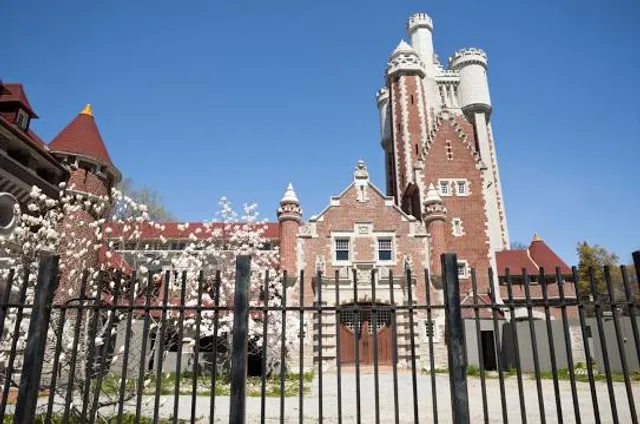
Casa Loma Stables
4.5
(65)
Closed
Click for details
Nearby restaurants of Tollkeepers' Cottage Museum
Craque [de] Créme
Kiyo Japanese Cuisine
Creeds Coffee Bar
Vesta Lunch
Fat Pasha
Chadwick's Craft Kitchen & Bar
BlueBlood Steakhouse
Detroit Pizzeria
Dutch Dreams
Schmaltz Appetizing
![Craque [de] Créme](https://d2kihw5e8drjh5.cloudfront.net/eyJidWNrZXQiOiJ1dGEtaW1hZ2VzIiwia2V5IjoicGxhY2VfaW1nL2ducVZMMzJ2UXM2bF8teEM4VDJRZWciLCJlZGl0cyI6eyJyZXNpemUiOnsid2lkdGgiOjY0MCwiaGVpZ2h0Ijo2NDAsImZpdCI6Imluc2lkZSJ9LCJyb3RhdGUiOm51bGwsInRvRm9ybWF0IjogIndlYnAifX0=)
Craque [de] Créme
4.4
(355)
Closed
Click for details
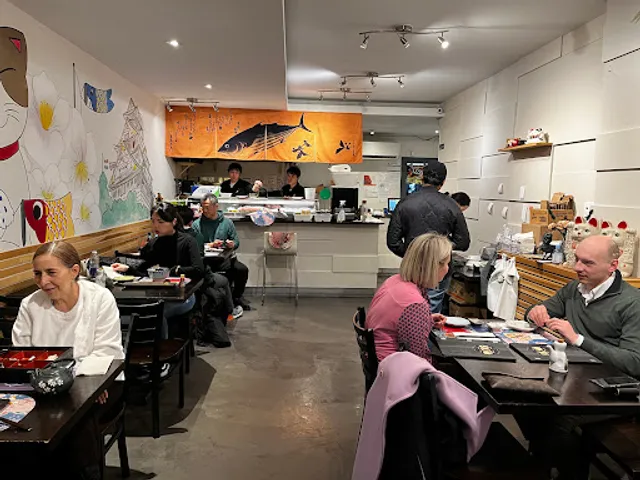
Kiyo Japanese Cuisine
4.7
(315)
Closed
Click for details
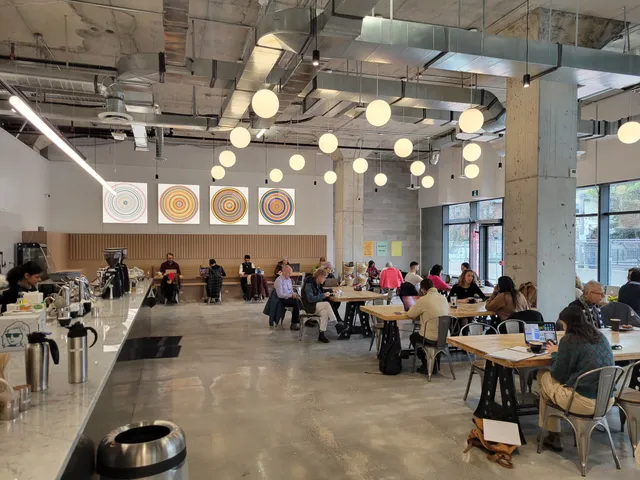
Creeds Coffee Bar
4.0
(453)
Closed
Click for details
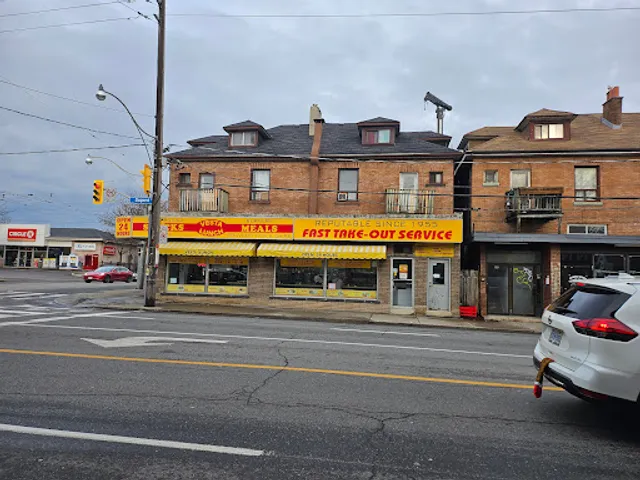
Vesta Lunch
4.0
(339)
Open until 12:00 AM
Click for details
Nearby local services of Tollkeepers' Cottage Museum
Hillcrest Community Centre
The Occult Shop
Back Alley Barbell - 24hr
OK Tire
Ferreira-Wells Immigration Services Inc.
Moving On Organizing Ltd
Knit-O-Matic
MyoCare Registered Massage Therapy
Tattoo People
George Brown Polytechnic - Casa Loma Campus - C Building

Hillcrest Community Centre
4.2
(51)
Click for details

The Occult Shop
4.6
(231)
Click for details

Back Alley Barbell - 24hr
4.9
(48)
Click for details

OK Tire
4.7
(178)
Click for details