Royal BC Museum things to do, attractions, restaurants, events info and trip planning
Basic Info
Royal BC Museum
675 Belleville St., Victoria, BC V8W 9W2, Canada
4.5(4.4K)
Closed


tickets
Save
spot
spot
Ratings & Description
Info
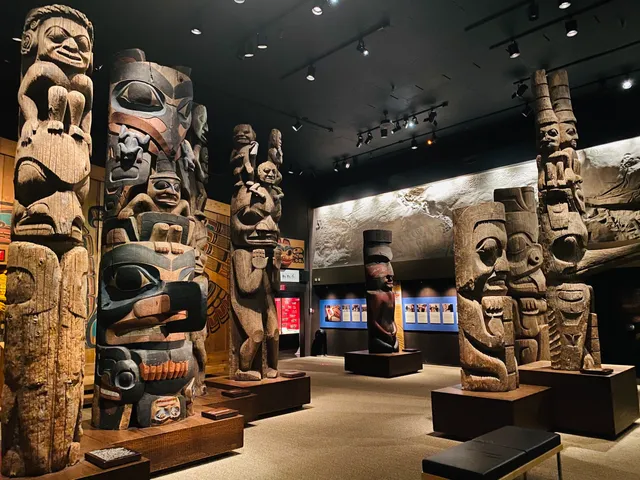
The Royal British Columbia Museum, founded in 1886, is a history museum in Victoria, British Columbia, Canada. The "Royal" title was approved by Queen Elizabeth II and bestowed by Prince Philip in 1987, to coincide with a royal tour of that year. The museum merged with the British Columbia Provincial Archives in 2003.
Cultural
Family friendly
Accessibility
attractions: Thunderbird Park, Legislative Assembly of British Columbia, Miniature World, BC Ferries Connector, Victoria Harbour Ferry, Helmcken House Pioneer Doctor's Residence, Legislative Assembly Fountain, Tally-Ho Carriage Tours, Victoria Bug Zoo, St. Ann's Academy and Auditorium National Historic Site, restaurants: The Old Spaghetti Factory (Victoria), Sequoia Coffee, Tea at The Empress, Q AT THE FAIRMONT EMPRESS, Bartholomew's Public House, BC Legislative Dining Room, Steamship Grill & Bar, Ithaka Greek Restaurant, Browns Socialhouse Victoria BC, Yummy Truck: Mediterranean and East African Cuisine, local businesses: IMAX Victoria, IMAX, Legislative Assembly of British Columbia, Ghostly Walks, West Coast Trail Express, Vic Theatre, Church of Our Lord National Historic Site, HAVN Saunas, lululemon, Clive's Classic Lounge
 Learn more insights from Wanderboat AI.
Phone
+1 250-356-7226
Website
royalbcmuseum.bc.ca
Open hoursSee all hours
Sun10 AM - 5 PMClosed
Plan your stay

Pet-friendly Hotels in Victoria
Find a cozy hotel nearby and make it a full experience.

Affordable Hotels in Victoria
Find a cozy hotel nearby and make it a full experience.

The Coolest Hotels You Haven't Heard Of (Yet)
Find a cozy hotel nearby and make it a full experience.

Trending Stays Worth the Hype in Victoria
Find a cozy hotel nearby and make it a full experience.
Reviews
Live events
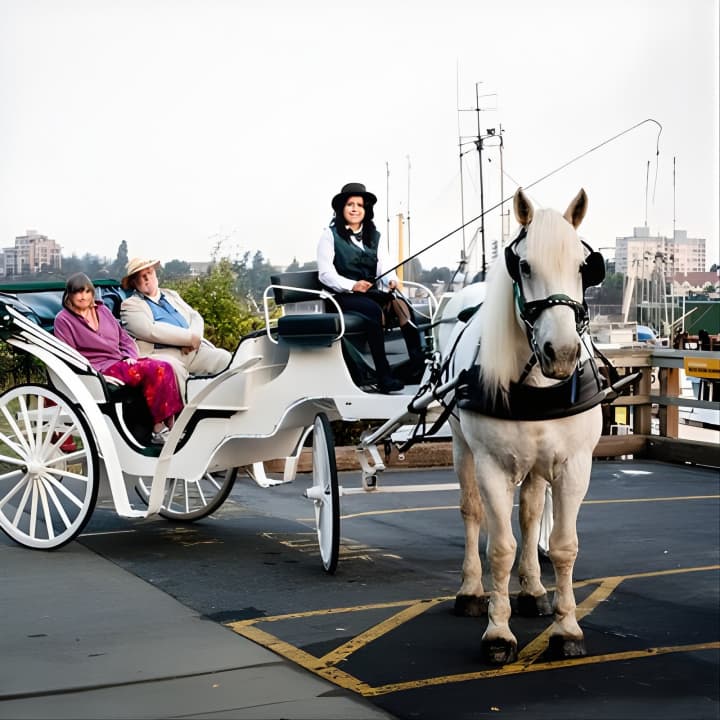
90-Minute The Capital Tour
Sun, Feb 22 • 12:00 PM
Victoria, V8V 2L8
View details
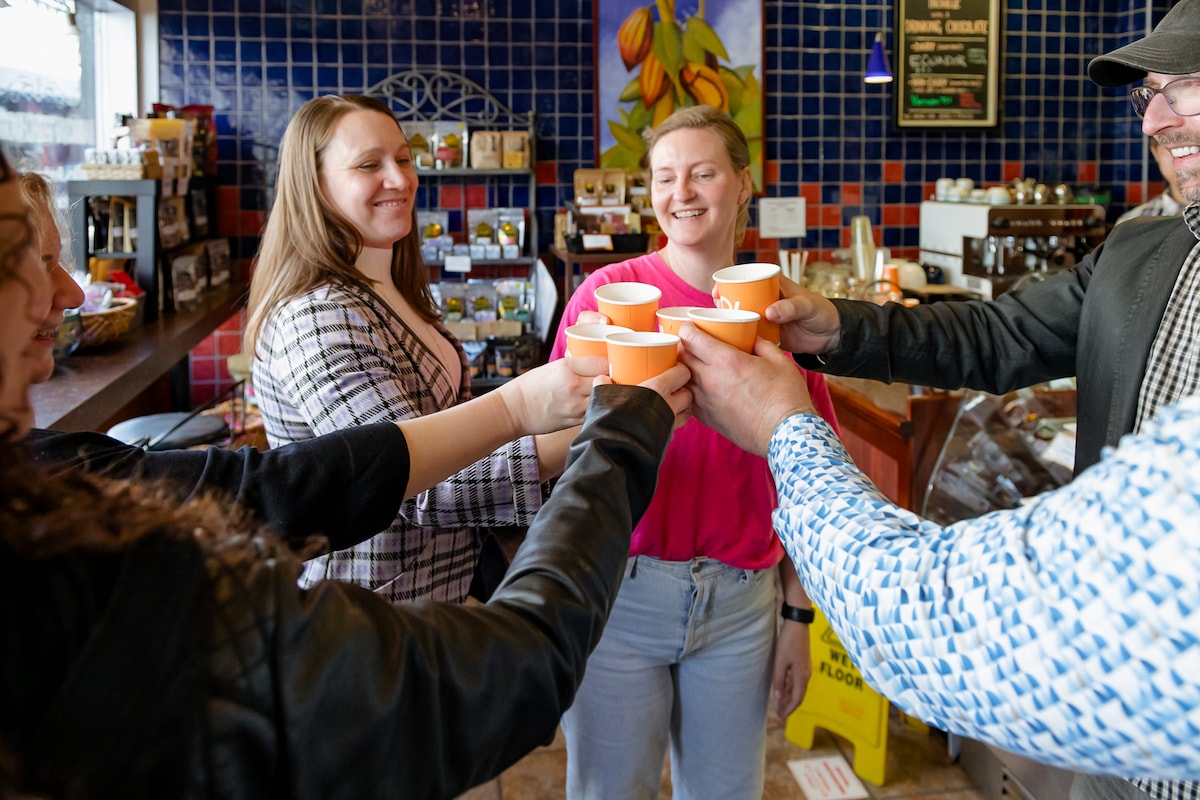
Downtown Food & City Foodie Walking Tour
Sun, Feb 22 • 11:30 AM
Victoria, British Columbia, V8V 1W9, Canada
View details
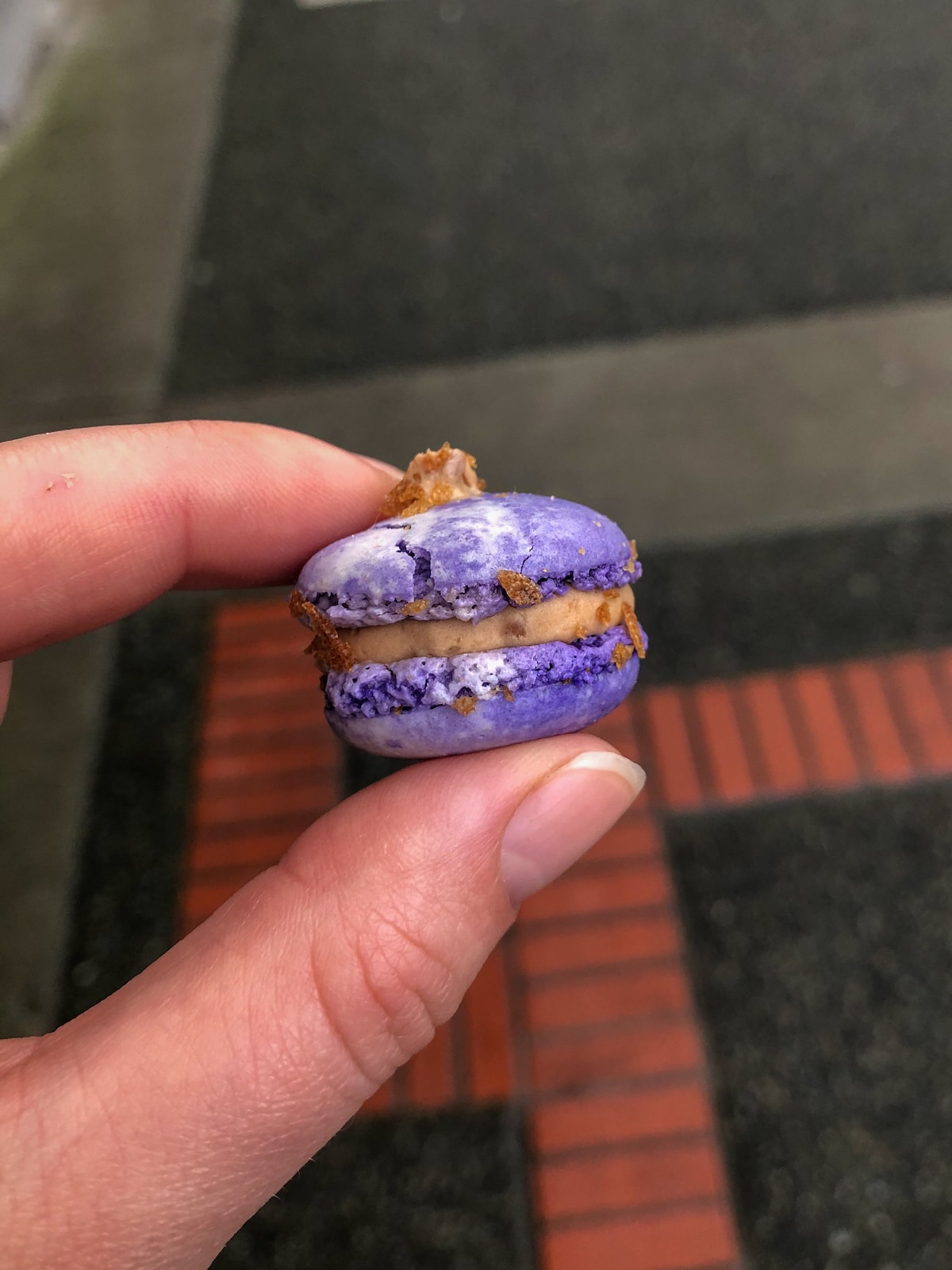
Taste Victoria’s local cuisine
Tue, Feb 24 • 11:30 AM
Victoria, British Columbia, V8T 4P1, Canada
View details
Nearby attractions of Royal BC Museum
Thunderbird Park
Legislative Assembly of British Columbia
Miniature World
BC Ferries Connector
Victoria Harbour Ferry
Helmcken House Pioneer Doctor's Residence
Legislative Assembly Fountain
Tally-Ho Carriage Tours
Victoria Bug Zoo
St. Ann's Academy and Auditorium National Historic Site
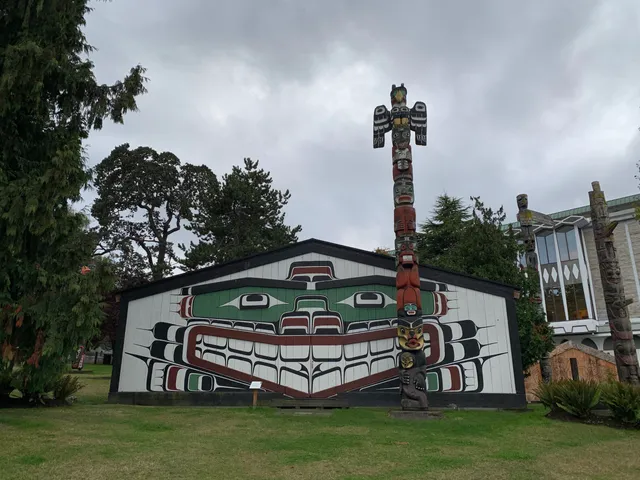
Thunderbird Park
4.3
(141)
Closed
Click for details
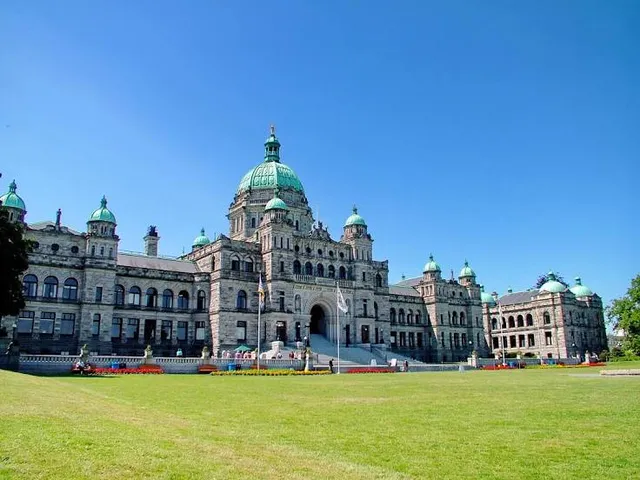
Legislative Assembly of British Columbia
4.7
(833)
Open until 12:00 AM
Click for details
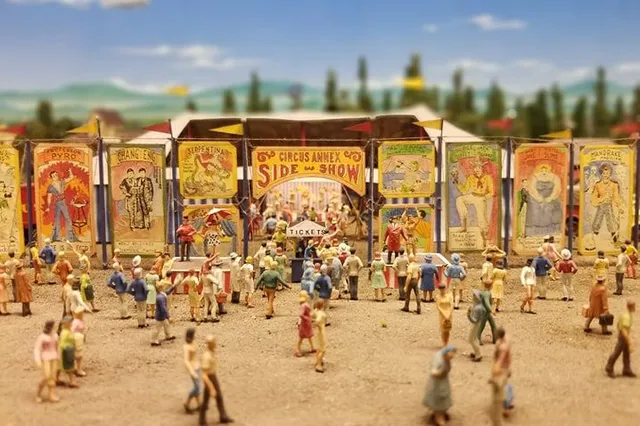
Miniature World
4.6
(1.5K)
Closed
Click for details
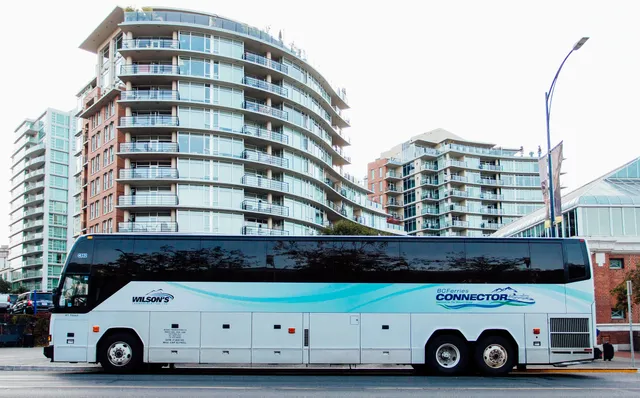
BC Ferries Connector
4.0
(158)
Open 24 hours
Click for details
Nearby restaurants of Royal BC Museum
The Old Spaghetti Factory (Victoria)
Sequoia Coffee
Tea at The Empress
Q AT THE FAIRMONT EMPRESS
Bartholomew's Public House
BC Legislative Dining Room
Steamship Grill & Bar
Ithaka Greek Restaurant
Browns Socialhouse Victoria BC
Yummy Truck: Mediterranean and East African Cuisine
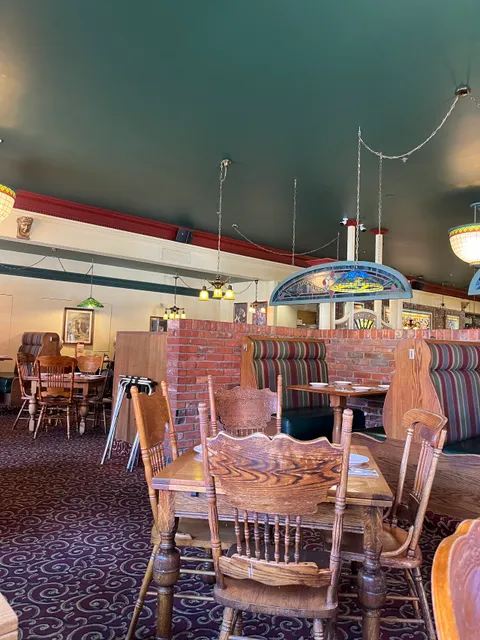
The Old Spaghetti Factory (Victoria)
4.3
(2K)
Closed
Click for details
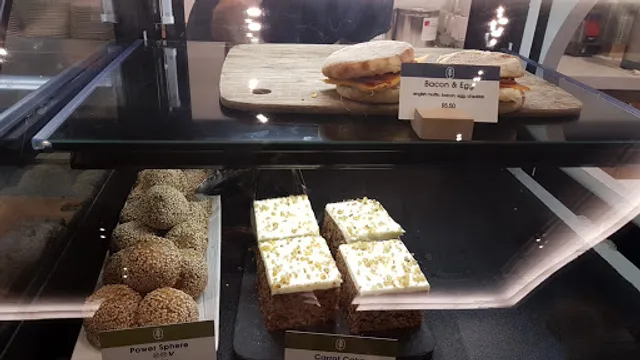
Sequoia Coffee
4.2
(50)
Closed
Click for details
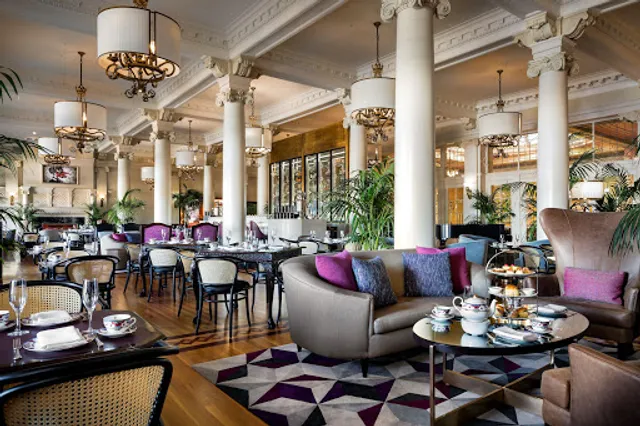
Tea at The Empress
4.4
(499)
$$$$
Closed
Click for details
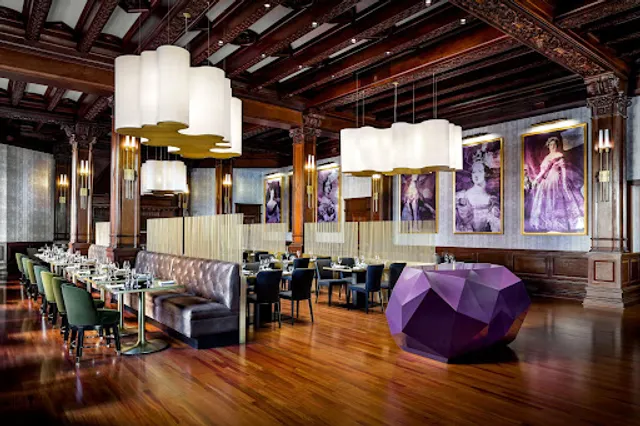
Q AT THE FAIRMONT EMPRESS
4.3
(359)
Closed
Click for details
Nearby local services of Royal BC Museum
IMAX Victoria
IMAX
Legislative Assembly of British Columbia
Ghostly Walks
West Coast Trail Express
Vic Theatre
Church of Our Lord National Historic Site
HAVN Saunas
lululemon
Clive's Classic Lounge
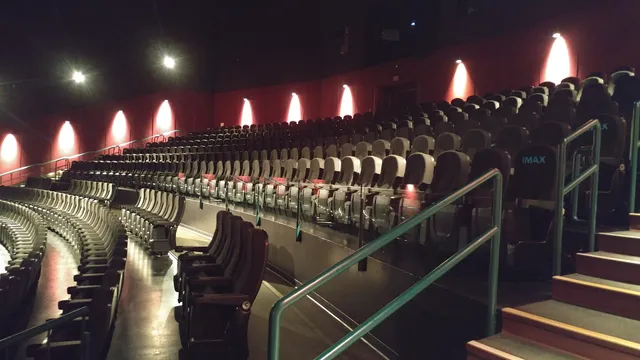
IMAX Victoria
4.7
(806)
Click for details
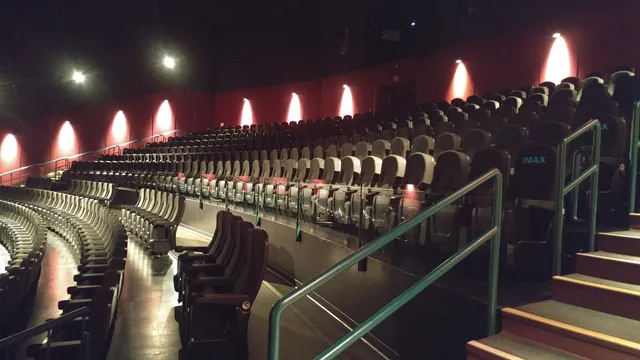
IMAX
4.7
(675)
Click for details
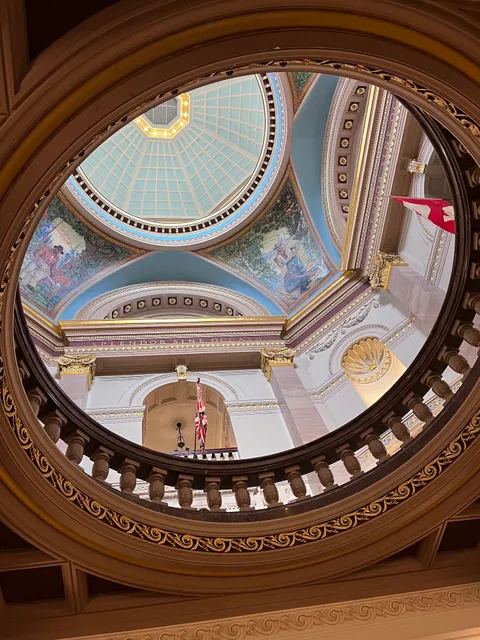
Legislative Assembly of British Columbia
4.8
(195)
Click for details
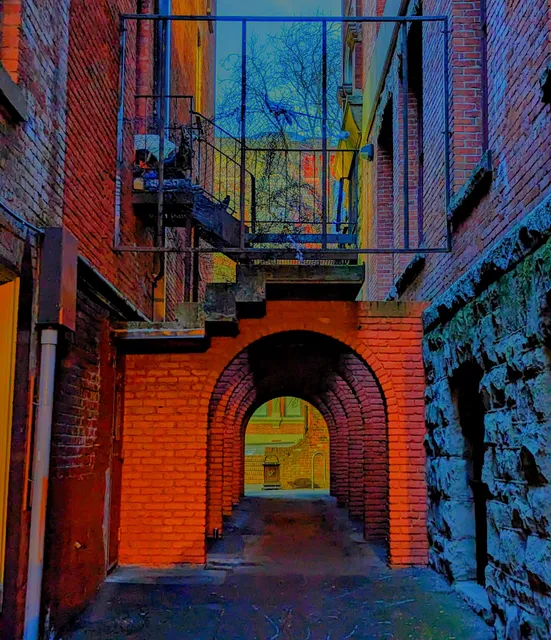
Ghostly Walks
4.8
(312)
Click for details