Omeriye Mosque things to do, attractions, restaurants, events info and trip planning
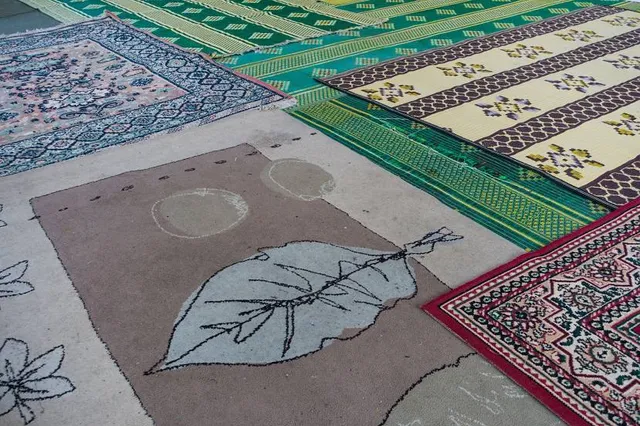
Basic Info
Omeriye Mosque
59C8+Q68, Platia Tillirias, Nicosia 1015, Cyprus
4.3(141)
Open 24 hours
Save
spot
spot
Ratings & Description
Info
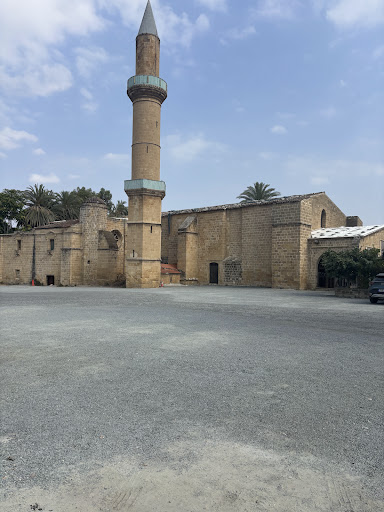
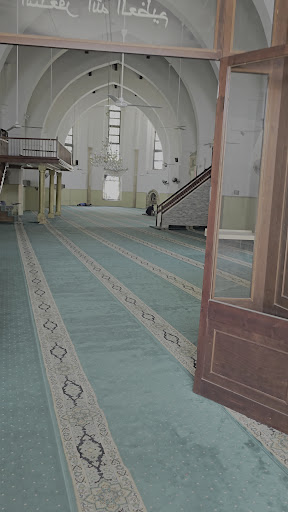
Ömeriye Mosque, is a mosque in the walled city of Nicosia on the island of Cyprus, currently located in the south section of Nicosia. Following the Turkish invasion of Cyprus, the mosque gained significance as one of the most important sites of Muslim worship in the non-Muslim section of the island and the city.
Cultural
Accessibility
Family friendly
attractions: The House of Hadjigeorgakis Kornesios - Ethnological Museum, Byzantine Museum, Shacolas Tower Museum and Observatory, The Leventis Municipal Museum of Nicosia, Postal Museum, Archangel Michael Trypiotis Church, Cyprus Folk Art Museum, Museum of the National Struggle, The Liberty Monument, Selimiye Camii, restaurants: Zanettos Cypriot Tavern, Kafenio 11, Korniza Baroque, Erodos Bar Restaurant, Piatsa Gourounaki, 7 Kleidia, The Gym, Καφενείο Βαλίτσα, St. George Restaurant - Tavern, Da Paolo Restaurant, local businesses: St. John's Cathedral, Yfantourgeio TheWorkplace, NiMAC, Leventis Municipal Museum of Nicosia, Η ΔΡΟΣΙΑ - GRILL HOUSE, Bandabulia Market - Αγορά Αγίου Αντωνίου, 1888 EVENTS VENUE, Μπαϊρακτάρης, State Gallery of Contemporary Art - Majestic, Guido & The Goose
 Learn more insights from Wanderboat AI.
Phone
+357 96 727014
Plan your stay

Pet-friendly Hotels in Nicosia
Find a cozy hotel nearby and make it a full experience.

Affordable Hotels in Nicosia
Find a cozy hotel nearby and make it a full experience.

The Coolest Hotels You Haven't Heard Of (Yet)
Find a cozy hotel nearby and make it a full experience.

Trending Stays Worth the Hype in Nicosia
Find a cozy hotel nearby and make it a full experience.
Reviews
Live events
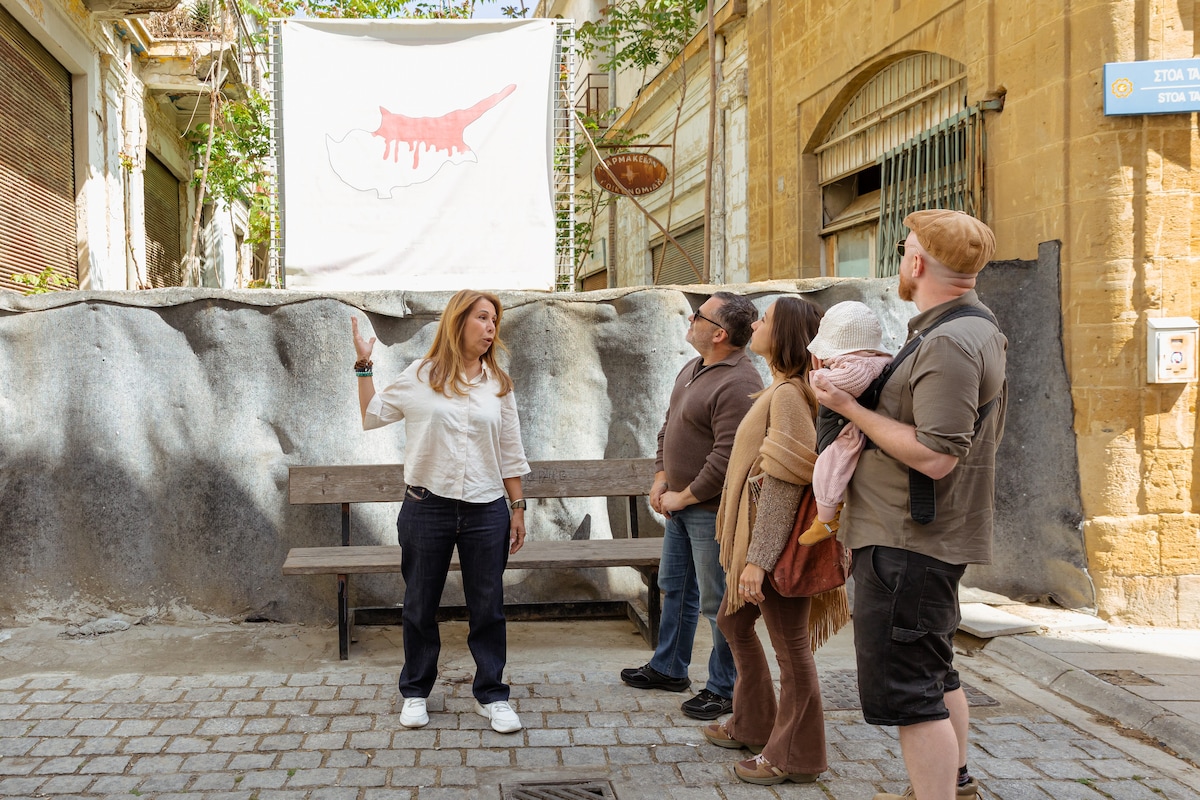
Visit Nicosias Green Line & buffer zone
Fri, Feb 13 • 9:30 AM
Nicosia, Nicosia, 1102, Cyprus
View details
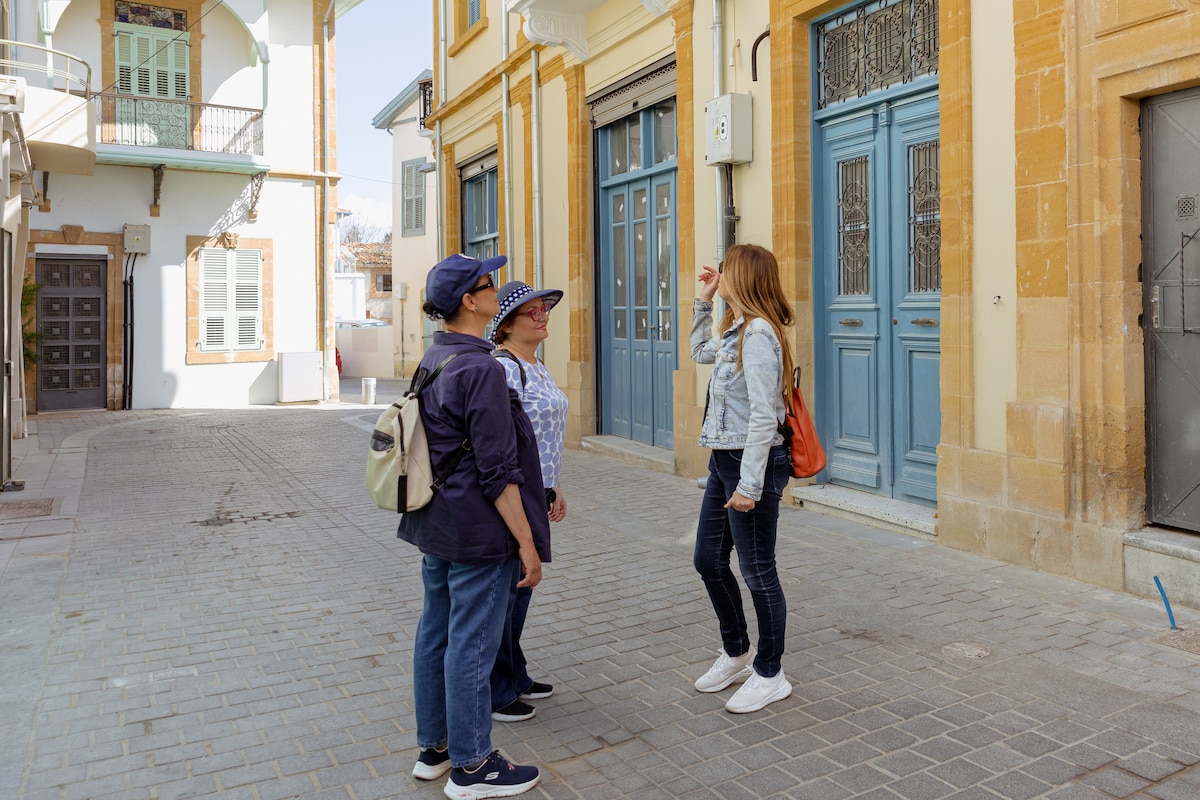
Immerse yourself in the walled city
Wed, Feb 11 • 8:00 AM
Nicosia, Nicosia, 1011, Cyprus
View details

Weave the Cyprus Traditional Phytiotiko..
Fri, Feb 13 • 9:00 AM
Agios Dometios, Nicosia, 2361, Cyprus
View details
Nearby attractions of Omeriye Mosque
The House of Hadjigeorgakis Kornesios - Ethnological Museum
Byzantine Museum
Shacolas Tower Museum and Observatory
The Leventis Municipal Museum of Nicosia
Postal Museum
Archangel Michael Trypiotis Church
Cyprus Folk Art Museum
Museum of the National Struggle
The Liberty Monument
Selimiye Camii
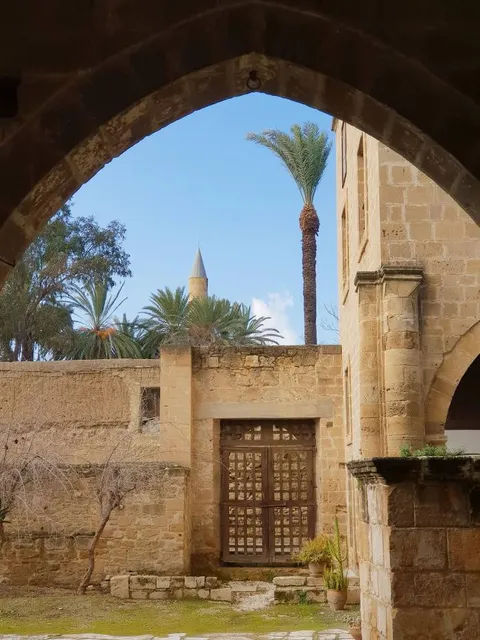
The House of Hadjigeorgakis Kornesios - Ethnological Museum
4.6
(182)
Open 24 hours
Click for details
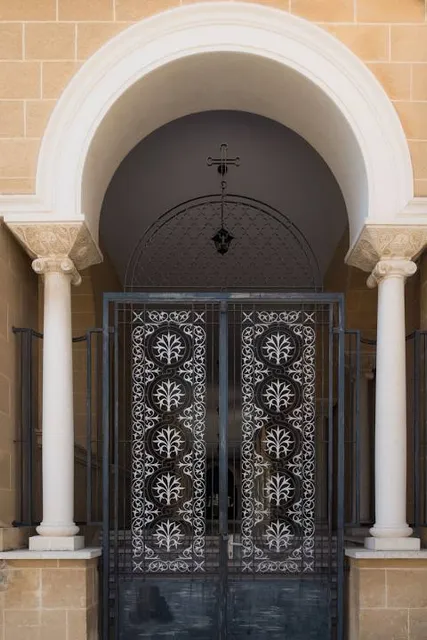
Byzantine Museum
4.2
(113)
Closed
Click for details
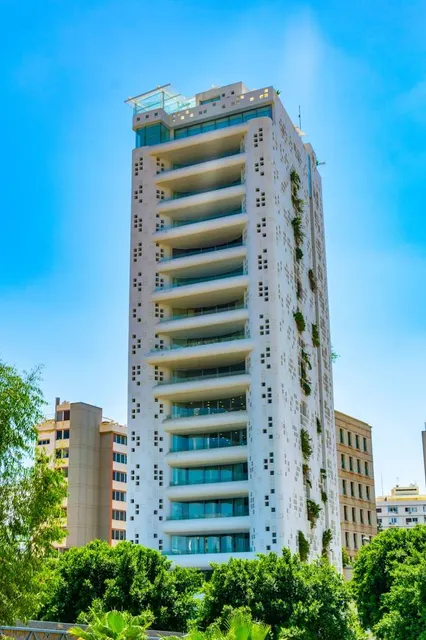
Shacolas Tower Museum and Observatory
4.3
(497)
Closed
Click for details
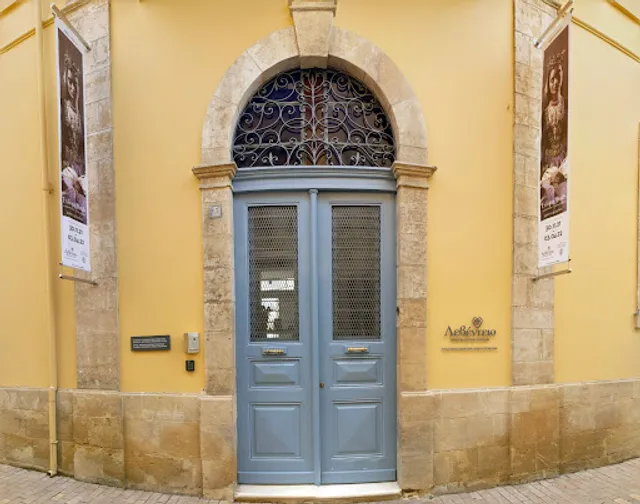
The Leventis Municipal Museum of Nicosia
4.7
(367)
Closed
Click for details
Nearby restaurants of Omeriye Mosque
Zanettos Cypriot Tavern
Kafenio 11
Korniza Baroque
Erodos Bar Restaurant
Piatsa Gourounaki
7 Kleidia
The Gym
Καφενείο Βαλίτσα
St. George Restaurant - Tavern
Da Paolo Restaurant
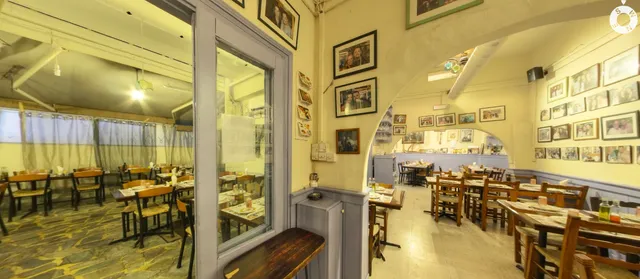
Zanettos Cypriot Tavern
4.6
(486)
Open until 12:00 AM
Click for details
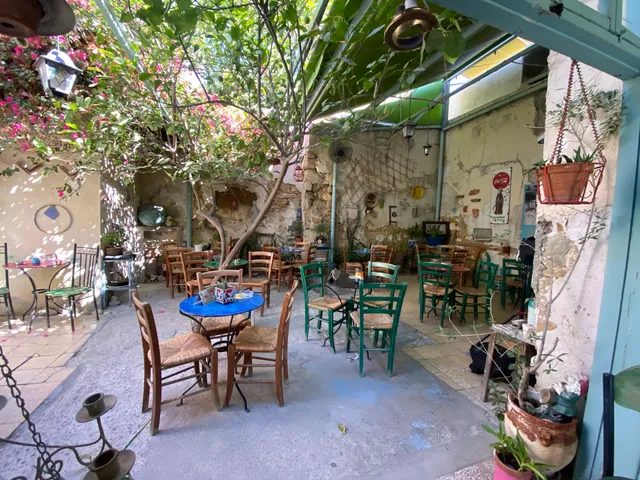
Kafenio 11
4.7
(239)
Closed
Click for details

Korniza Baroque
4.6
(155)
Open until 2:00 AM
Click for details
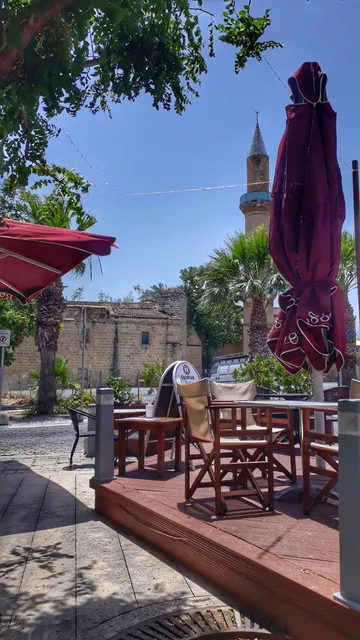
Erodos Bar Restaurant
4.3
(54)
Open until 2:00 AM
Click for details
Nearby local services of Omeriye Mosque
St. John's Cathedral
Yfantourgeio TheWorkplace
NiMAC
Leventis Municipal Museum of Nicosia
Η ΔΡΟΣΙΑ - GRILL HOUSE
Bandabulia Market - Αγορά Αγίου Αντωνίου
1888 EVENTS VENUE
Μπαϊρακτάρης
State Gallery of Contemporary Art - Majestic
Guido & The Goose
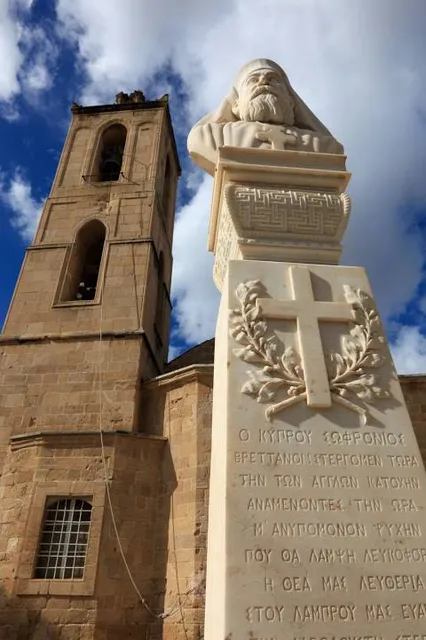
St. John's Cathedral
4.3
(186)
Click for details
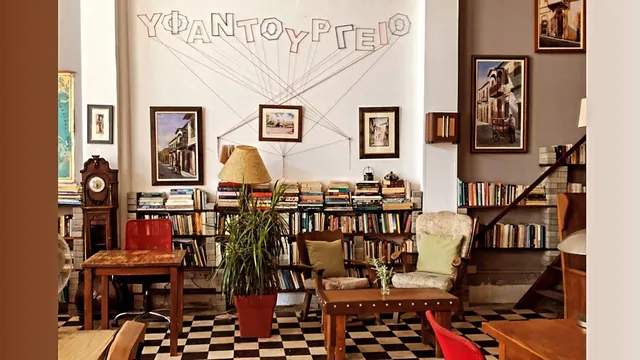
Yfantourgeio TheWorkplace
4.8
(84)
Click for details

NiMAC
4.3
(61)
Click for details
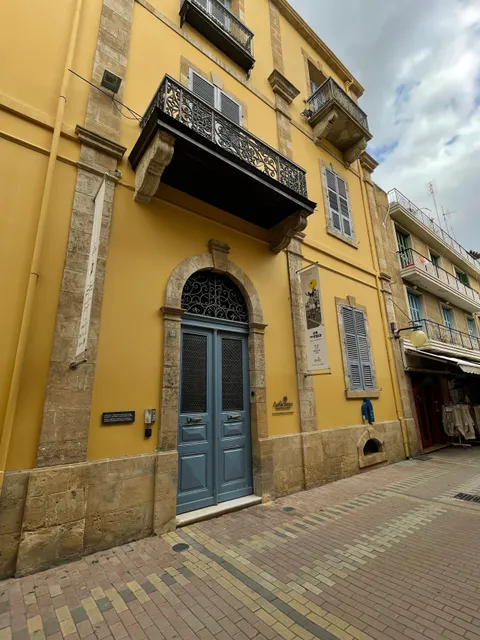
Leventis Municipal Museum of Nicosia
4.6
(241)
Click for details