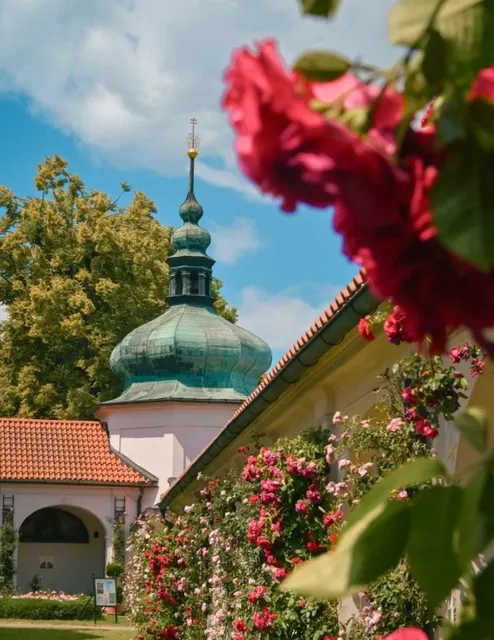
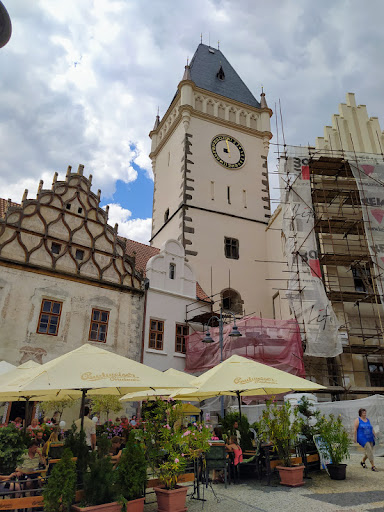
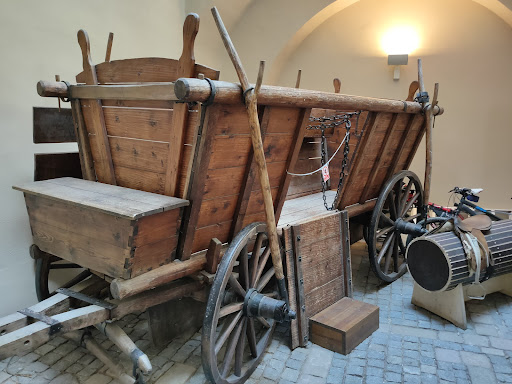
Hussite Museum in Tabor things to do, attractions, restaurants, events info and trip planning
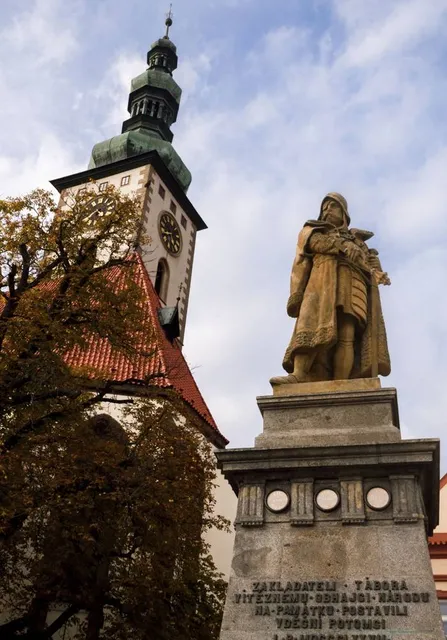
Basic Info
Hussite Museum in Tabor
Žižkovo Náměstí 1, 390 01 Tábor 1, Czechia
4.6(514)
Open until 12:00 AM

tickets
Save
spot
spot
Ratings & Description
Info
Cultural
Family friendly
Accessibility
attractions: Zizka Square, Strašidelné podzemí Tábor, Church of the Transfiguration on Mount Tabor, Tower of the Church of the Transfiguration, Galerie 140, Skřítkov, Holečkovy sady, Music Museum Tabor, Park under Kotnov, Botanická zahrada při VOŠ a SZeŠ v Táboře, restaurants: Green Tree Restaurant, Restaurace Škochův dům, Kafe Bar Havana, U Dvou Koček, Restaurant Goldie hotel Nautilus, Indická restaurace Tandoor, Budvarka U Zlatého Lva, Restaurace Beseda, MOCCACAFÉ, Vietnamese Restaurant Pho Tabor 13, local businesses: Hrad Kotnov, Ráj sýrů & Vinotéka Tábor, Dobrá Čajovna
 Learn more insights from Wanderboat AI.
Phone
+420 774 059 263
Website
husitskemuzeum.cz
Open hoursSee all hours
Wed10 AM - 5 PMOpen
Plan your stay

Pet-friendly Hotels in okres Tábor
Find a cozy hotel nearby and make it a full experience.

Affordable Hotels in okres Tábor
Find a cozy hotel nearby and make it a full experience.

The Coolest Hotels You Haven't Heard Of (Yet)
Find a cozy hotel nearby and make it a full experience.

Trending Stays Worth the Hype in okres Tábor
Find a cozy hotel nearby and make it a full experience.
Reviews
Nearby attractions of Hussite Museum in Tabor
Zizka Square
Strašidelné podzemí Tábor
Church of the Transfiguration on Mount Tabor
Tower of the Church of the Transfiguration
Galerie 140
Skřítkov
Holečkovy sady
Music Museum Tabor
Park under Kotnov
Botanická zahrada při VOŠ a SZeŠ v Táboře
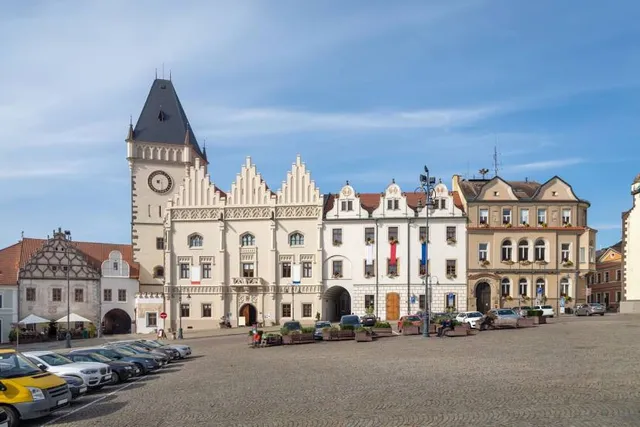
Zizka Square
4.7
(3K)
Open 24 hours
Click for details
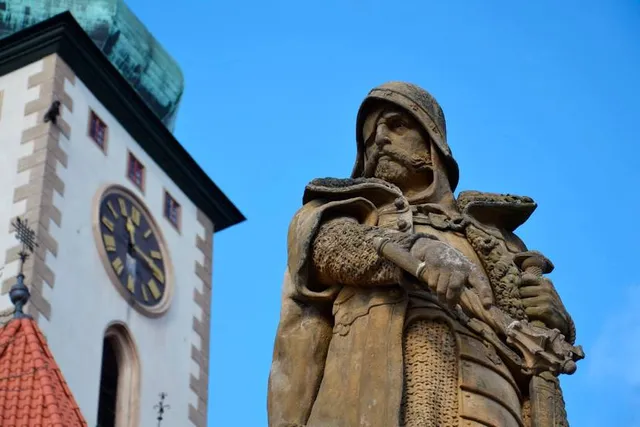
Strašidelné podzemí Tábor
4.5
(173)
Open 24 hours
Click for details
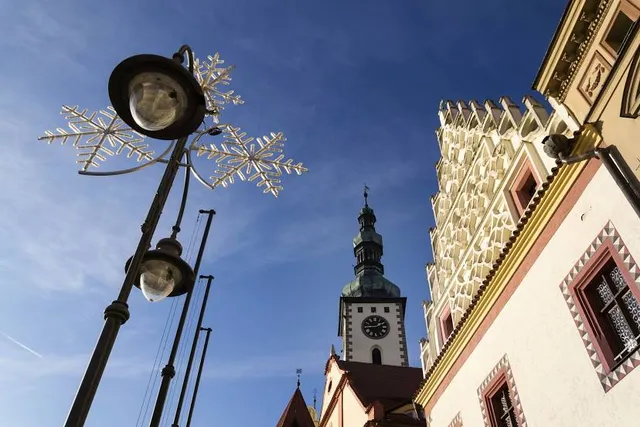
Church of the Transfiguration on Mount Tabor
4.7
(75)
Open 24 hours
Click for details
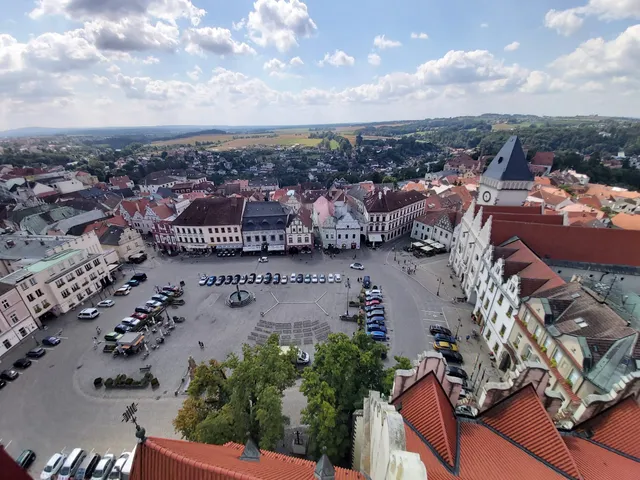
Tower of the Church of the Transfiguration
3.8
(54)
Open 24 hours
Click for details
Nearby restaurants of Hussite Museum in Tabor
Green Tree Restaurant
Restaurace Škochův dům
Kafe Bar Havana
U Dvou Koček
Restaurant Goldie hotel Nautilus
Indická restaurace Tandoor
Budvarka U Zlatého Lva
Restaurace Beseda
MOCCACAFÉ
Vietnamese Restaurant Pho Tabor 13
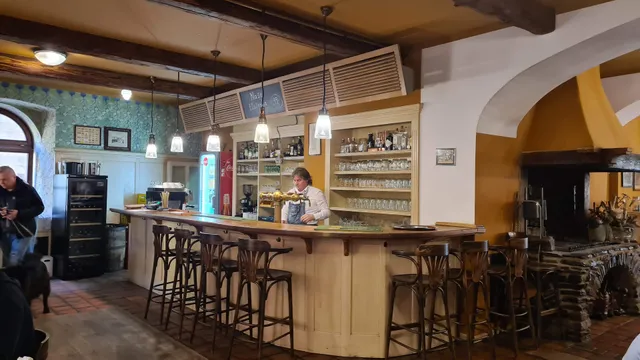
Green Tree Restaurant
4.5
(634)
Closed
Click for details
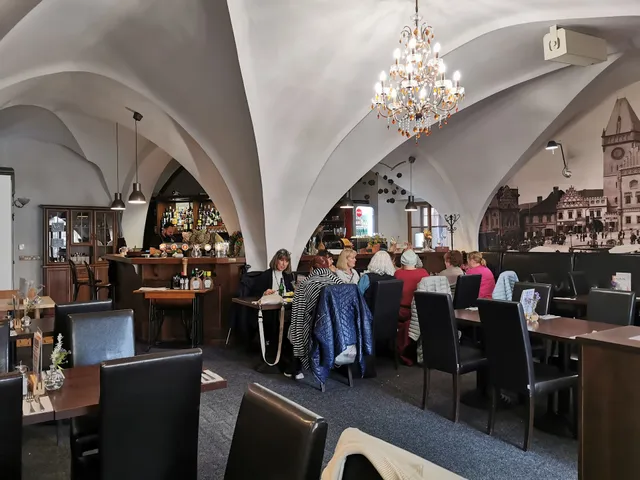
Restaurace Škochův dům
3.9
(505)
Closed
Click for details
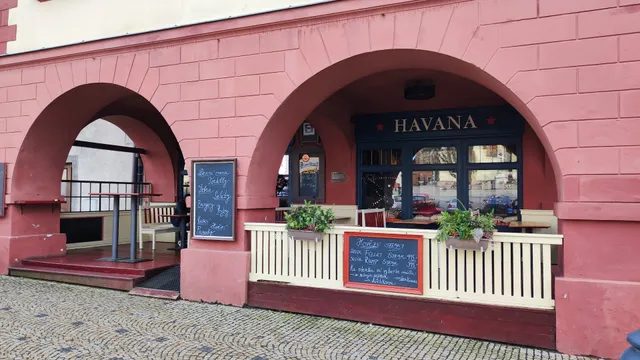
Kafe Bar Havana
4.3
(461)
Closed
Click for details
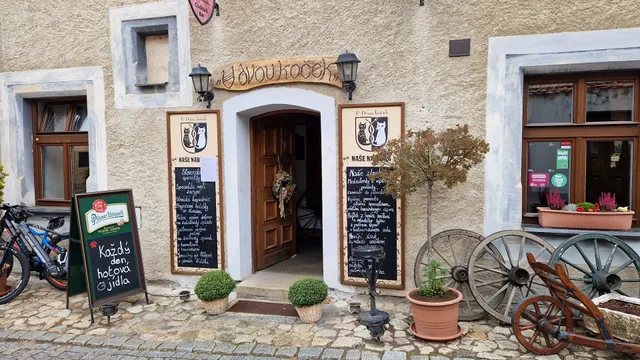
U Dvou Koček
4.3
(664)
Closed
Click for details
Nearby local services of Hussite Museum in Tabor
Hrad Kotnov
Ráj sýrů & Vinotéka Tábor
Dobrá Čajovna
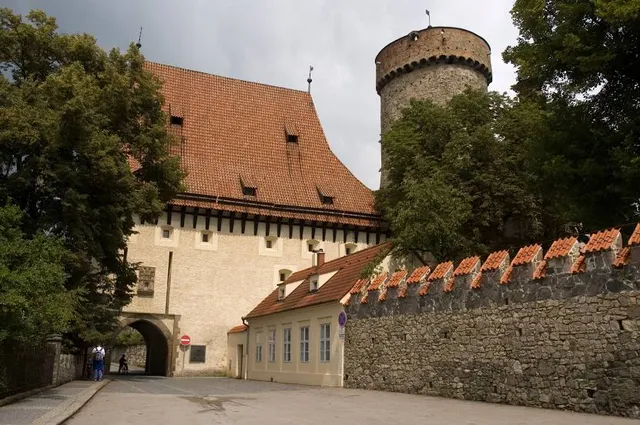
Hrad Kotnov
4.5
(155)
Click for details
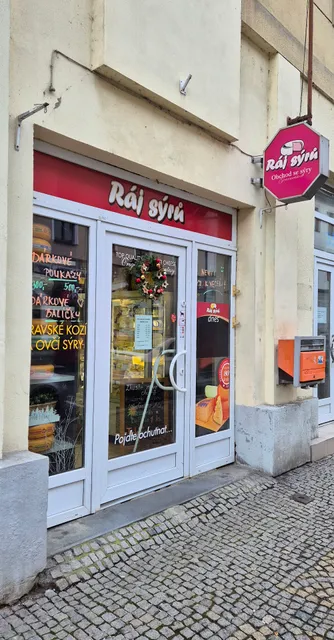
Ráj sýrů & Vinotéka Tábor
4.9
(52)
Click for details
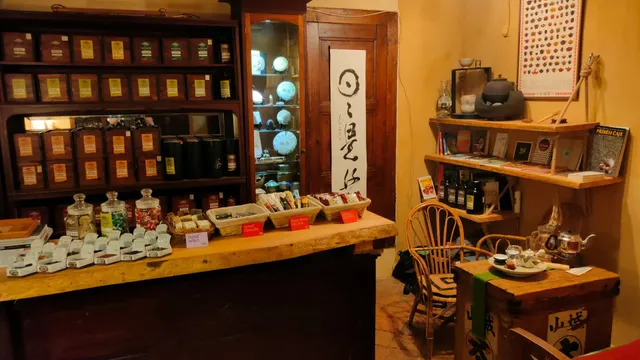
Dobrá Čajovna
4.7
(121)
Click for details