Cathédrale Saint-Bénigne de Dijon things to do, attractions, restaurants, events info and trip planning
Basic Info
Cathédrale Saint-Bénigne de Dijon
Pl. Saint Bénigne, 21000 Dijon, France
4.5(1.2K)
Open until 12:00 PM

tickets
Save
spot
spot
Ratings & Description
Info
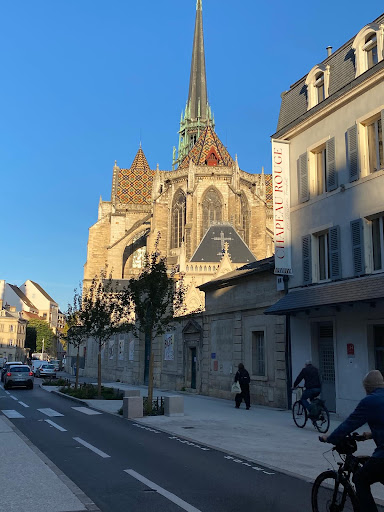
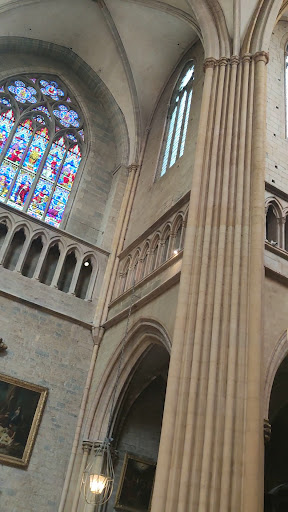
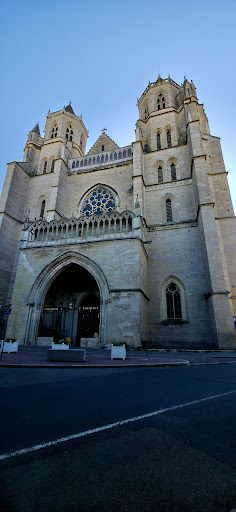
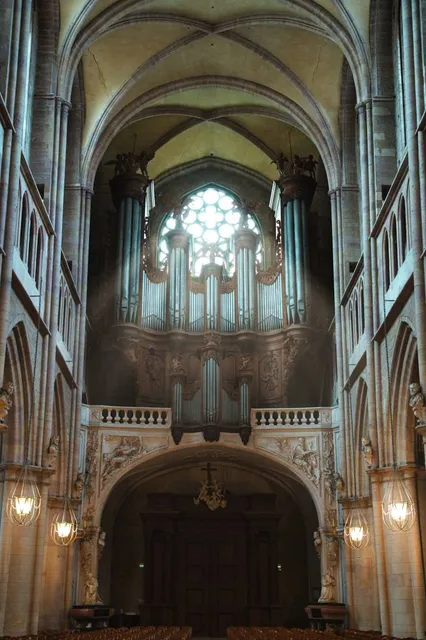
Dijon Cathedral, or the Cathedral of Saint Benignus of Dijon, is a Roman Catholic church located in the town of Dijon, Burgundy, France, and dedicated to Saint Benignus of Dijon. The Gothic cathedral building, constructed between 1280 and 1325, and dedicated on 9 April 1393, is a listed national monument.
Cultural
Family friendly
Accessibility
attractions: Théâtre des Feuillants, Porte Guillaume, Parc et Jardin Darcy, Saint Philibert's Church, Dijon Burgundy Theatre, Darcy Garden, Cadr'Art, DreamAway Dijon - Réalité Virtuelle - VR - Escape Games VR - Jeunesse et famille VR - Action adrénaline VR - Culture VR, Le Darcy Comédie, Agence de voyage TUI STORE Dijon, restaurants: Restaurant Gril'Laure, Flannery's, Mama Restaurant Dijon, L'Edito Dijon, Da Adriano Pizzeria e Trattoria, Marco Polo & Chalet, POINT B Dijon, William Frachot, Sushi Shop Dijon Bossuet, L'Alsacien Dijon, local businesses: Myra Paris, Archaeological Museum of Dijon, BHV Dijon, Boutique SFR Dijon Liberté, 221B Baker Street Escape Game Dijon, Dukebox Concept Store, Maille Dijon mustard, Dauphine Dijon, FNAC Dijon, 7 Rue de la Liberté
 Learn more insights from Wanderboat AI.
Phone
+33 3 80 30 39 33
Website
cathedrale-dijon.fr
Open hoursSee all hours
Fri9 a.m. - 12 p.m., 2 - 6:30 p.m.Open
Plan your stay

Pet-friendly Hotels in Dijon
Find a cozy hotel nearby and make it a full experience.

Affordable Hotels in Dijon
Find a cozy hotel nearby and make it a full experience.

The Coolest Hotels You Haven't Heard Of (Yet)
Find a cozy hotel nearby and make it a full experience.

Trending Stays Worth the Hype in Dijon
Find a cozy hotel nearby and make it a full experience.
Reviews
Live events

Discover Burgundy truffles
Fri, Feb 27 • 11:00 AM
21700, Marey-lès-Fussey, France
View details

Tour-Tasting-Sale
Fri, Feb 27 • 11:00 AM
21700, Villars-Fontaine, France
View details
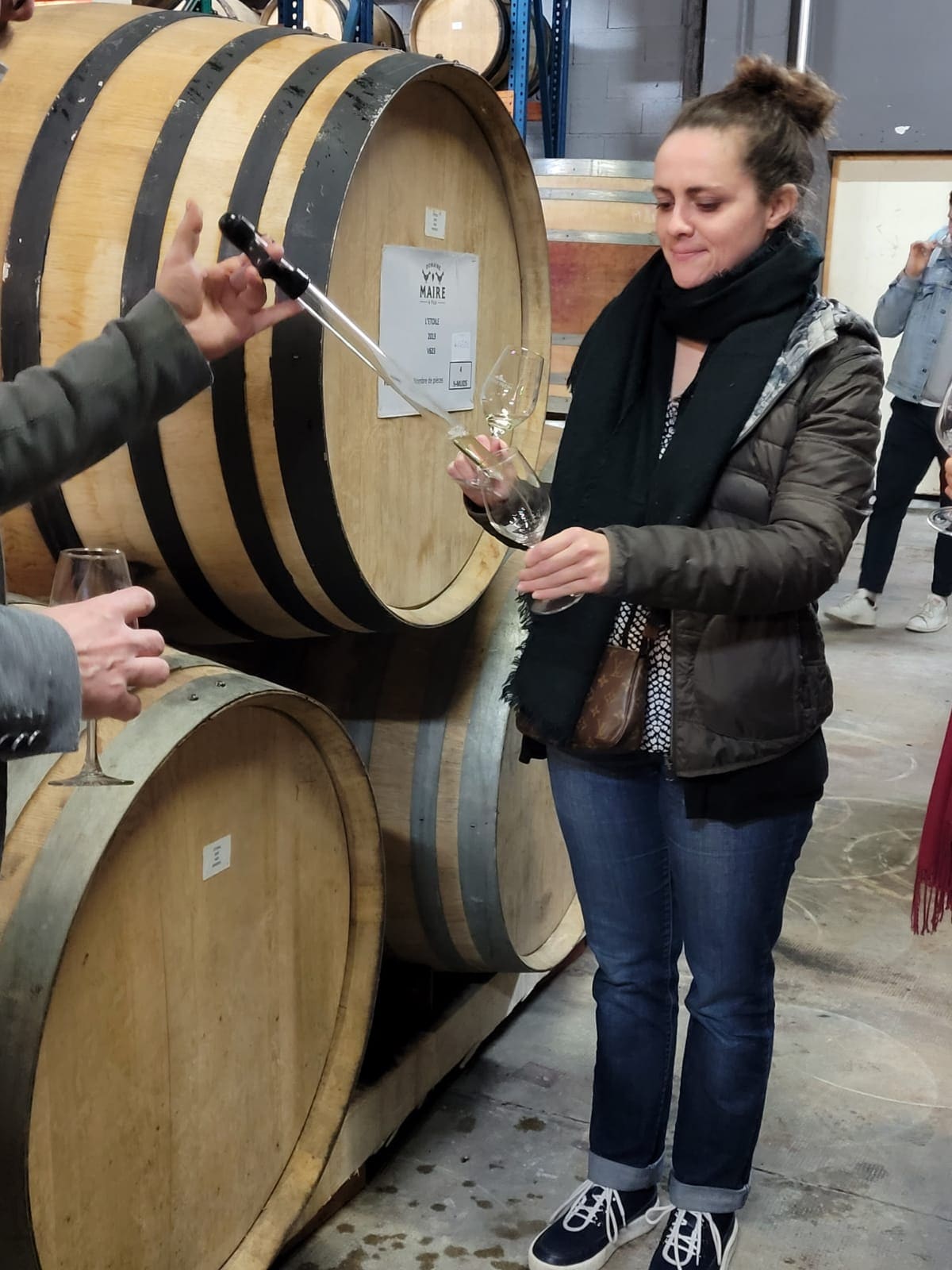
Burgundy wine and cheese tasting
Fri, Feb 27 • 11:00 AM
21000, Dijon, France
View details
Nearby attractions of Cathédrale Saint-Bénigne de Dijon
Théâtre des Feuillants
Porte Guillaume
Parc et Jardin Darcy
Saint Philibert's Church
Dijon Burgundy Theatre
Darcy Garden
Cadr'Art
DreamAway Dijon - Réalité Virtuelle - VR - Escape Games VR - Jeunesse et famille VR - Action adrénaline VR - Culture VR
Le Darcy Comédie
Agence de voyage TUI STORE Dijon
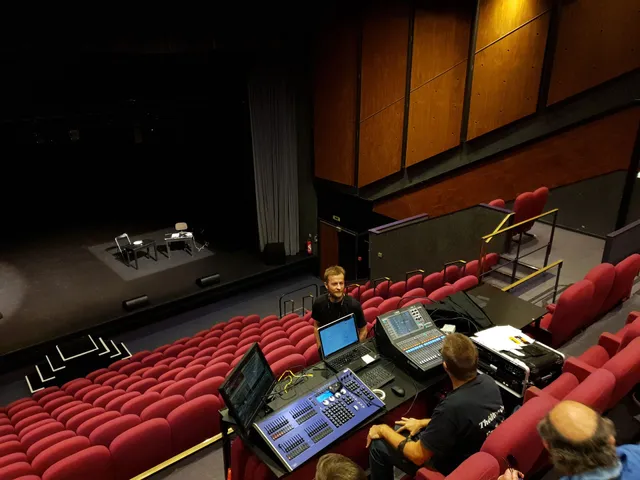
Théâtre des Feuillants
4.2
(248)
Open 24 hours
Click for details
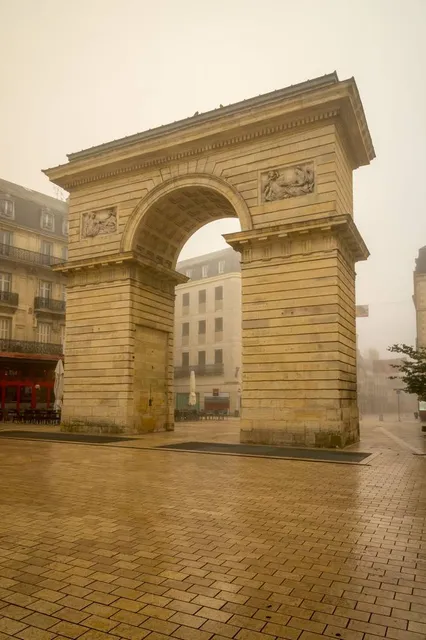
Porte Guillaume
4.4
(537)
Open 24 hours
Click for details

Parc et Jardin Darcy
4.4
(1.3K)
Open until 9:00 PM
Click for details
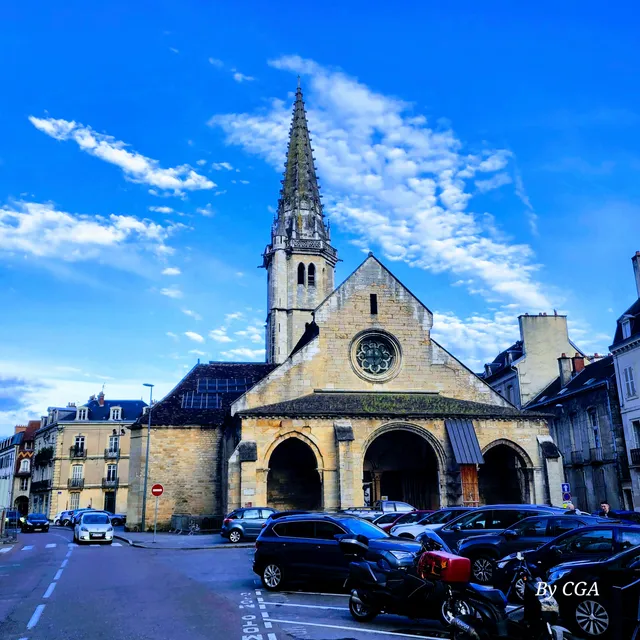
Saint Philibert's Church
4.3
(47)
Open 24 hours
Click for details
Nearby restaurants of Cathédrale Saint-Bénigne de Dijon
Restaurant Gril'Laure
Flannery's
Mama Restaurant Dijon
L'Edito Dijon
Da Adriano Pizzeria e Trattoria
Marco Polo & Chalet
POINT B Dijon
William Frachot
Sushi Shop Dijon Bossuet
L'Alsacien Dijon
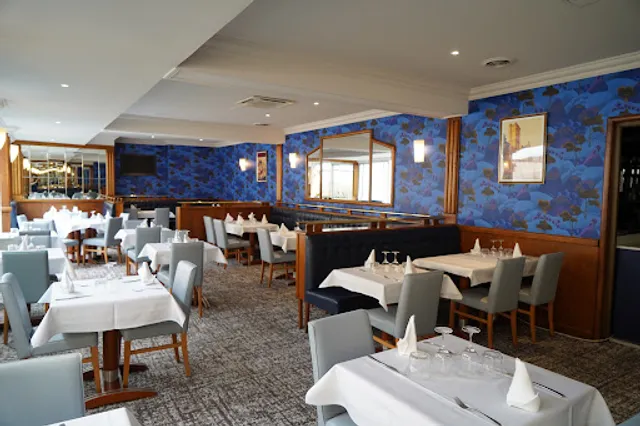
Restaurant Gril'Laure
4.4
(2K)
Closed
Click for details
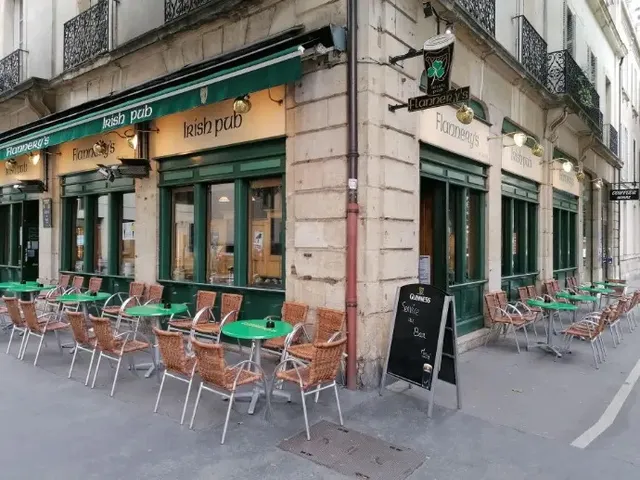
Flannery's
4.4
(665)
Closed
Click for details
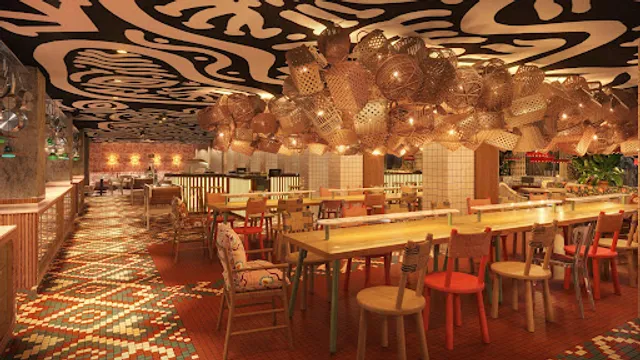
Mama Restaurant Dijon
4.5
(350)
Open until 11:00 AM
Click for details
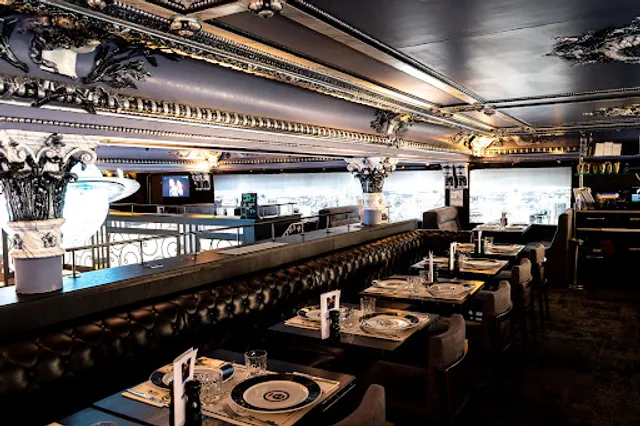
L'Edito Dijon
4.3
(2.7K)
Closed
Click for details
Nearby local services of Cathédrale Saint-Bénigne de Dijon
Myra Paris
Archaeological Museum of Dijon
BHV Dijon
Boutique SFR Dijon Liberté
221B Baker Street Escape Game Dijon
Dukebox Concept Store
Maille Dijon mustard
Dauphine Dijon
FNAC Dijon
7 Rue de la Liberté

Myra Paris
5.0
(19)
Click for details
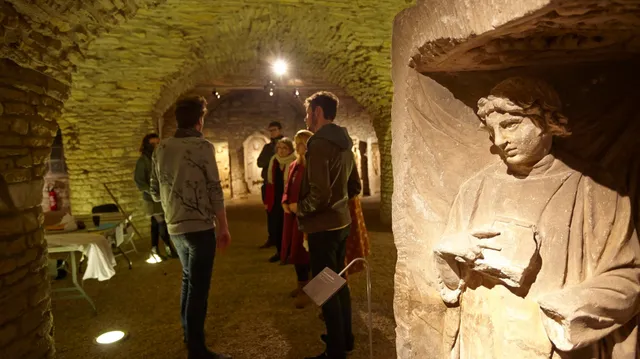
Archaeological Museum of Dijon
4.3
(210)
Click for details

BHV Dijon
4.2
(2K)
Click for details
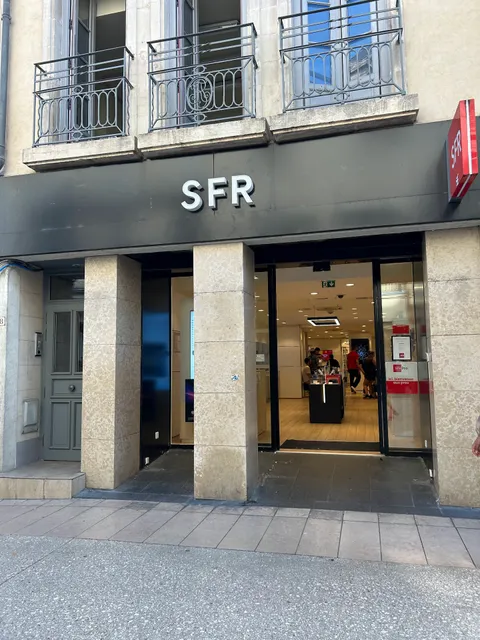
Boutique SFR Dijon Liberté
4.6
(798)
Click for details