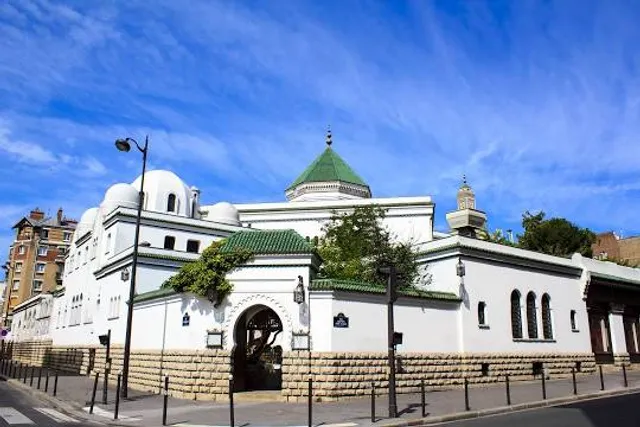
A building in recognition of Muslim soldiers who died for France On October 19, 1922, at 2 p.m., the first stone of the Great Mosque of Paris was solemnly laid, inaugurating the eventful destiny of an institution which remains to this day a subject of curiosity, a reference, a symbol, an issue . The idea of building a Muslim institution in Paris dates back to the mid-19th century. After a long and laborious study, the French government finally decided to take on the project in December 1916, when France had to count so many soldiers of the Muslim faith among its fallen heroes, notably at Verdun, during the terrible “Battle of the Destiny of France”.
This is how the Society of Habous and Holy Places of Islam was created in February 1917 and was approved to carry out the work and management of the future Grand Mosque of Paris. The association, first created to organize the Pilgrimage to Mecca for Muslims from North Africa, still presides over the destiny of the institution. In its session of June 29, 1920, the Chamber of Deputies unanimously voted for the government's bill "with a view to the creation in Paris of a Muslim Institute." The bill followed the report drawn up by Edouard Herriot, deputy mayor of Lyon: If the war sealed the Franco-Muslim brotherhood on the battlefields and if more than 100,000 of our subjects and protégés died in the service of a homeland now common, this homeland must be honored to mark as soon as possible, and by deeds, its recognition and its The first stone was laid at the location of the future Mihrab facing Mecca, in the presence of eminent French personalities and the Muslim world: the Muslim Institute of the Grand Mosque of Paris would forever mark the link between France and Islam, and mark the country's recognition for the hundreds of thousands of Muslims who came to defend it during the Great War (1914-1918).
When the minaret that you are going to build is erected, it will only rise towards the beautiful sky of the Ile de France, one more prayer of which the Catholic towers of Notre-Dame will not be jealous. France intends not to mock anything, to disturb nothing, to erase nothing from the human soul that could have contributed to comforting it, to elevating it, to ennobling it.” Extract from the speech of Marshal Hubert Lyautey during the laying of the first stone. Work could begin: 450 craftsmen and artists performed the feat of building the building in the space of four years. The inauguration of the Grand Mosque of Paris took place on July 15, 1926, in the presence of the President of the Republic Gaston Doumergue. Since then, this pious, philanthropic, cultural, autonomous and politically neutral foundation has been administered by the Société des Habous to bring its humanist and universal message to France and Europe.
Until today, a home and a high place of Islam in France
From 1926, under the direction of Si Kaddour Ben Ghabrit, the Great Mosque of Paris, which would remain for a long time the only mosque in metropolitan France, became the center of the religious life of the country's Muslims. During the German Occupation of Paris (1940-1944), the Great Mosque of Paris, which notably has underground access to the Bièvre watercourse, served as a refuge for resistance fighters, Jewish families and children, including the number still remains, for history, to be precisely determined.
From the 1950s to the 1970s, the Grand Mosque of Paris was at the heart of the renewal of Islamic studies in Europe, by bringing associative and editorial initiatives towards it. Rector Si Hamza Boubakeur (in office from 1957 to 1982) brought to the institution the prestige of a remarkable and noted translation of the Holy Quran, published by Fayard in 1972. From the 1980s, as the Muslim population grew in France, the Great Mosque of Paris had to confront the significant structural shortcomings of worship and set to work to remedy them, first by supporting multiple religious projects. creation of places of worship as...
Read moreArchitecture Style and Cultural Experience of the Paris Mosque The Paris Mosque, located in the heart of the city, is deeply influenced by South African Muslim culture. It is not only a symbol of religious faith but also holds significant historical importance—it was built to commemorate the Muslim soldiers who sacrificed their lives fighting for France during World War I. What makes it even more special is that the land for the mosque was granted by the French government, giving it a unique position in both French history and the Muslim community.
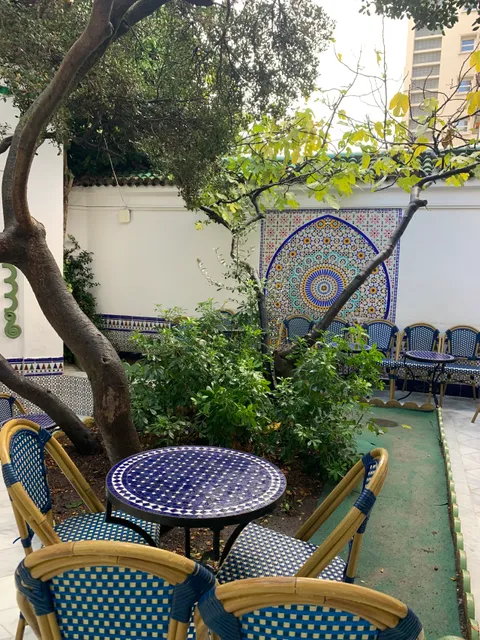
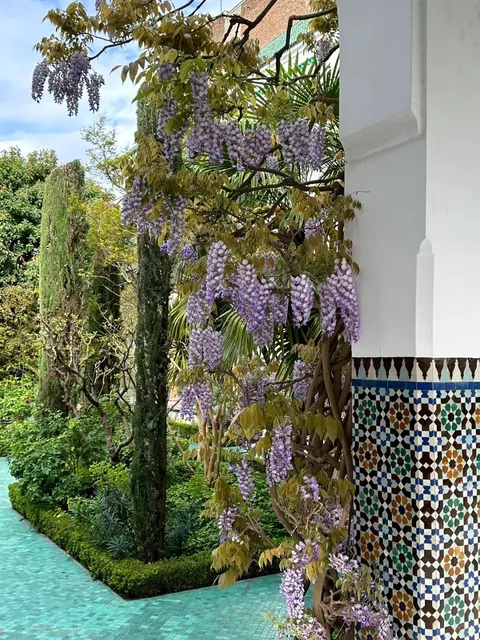
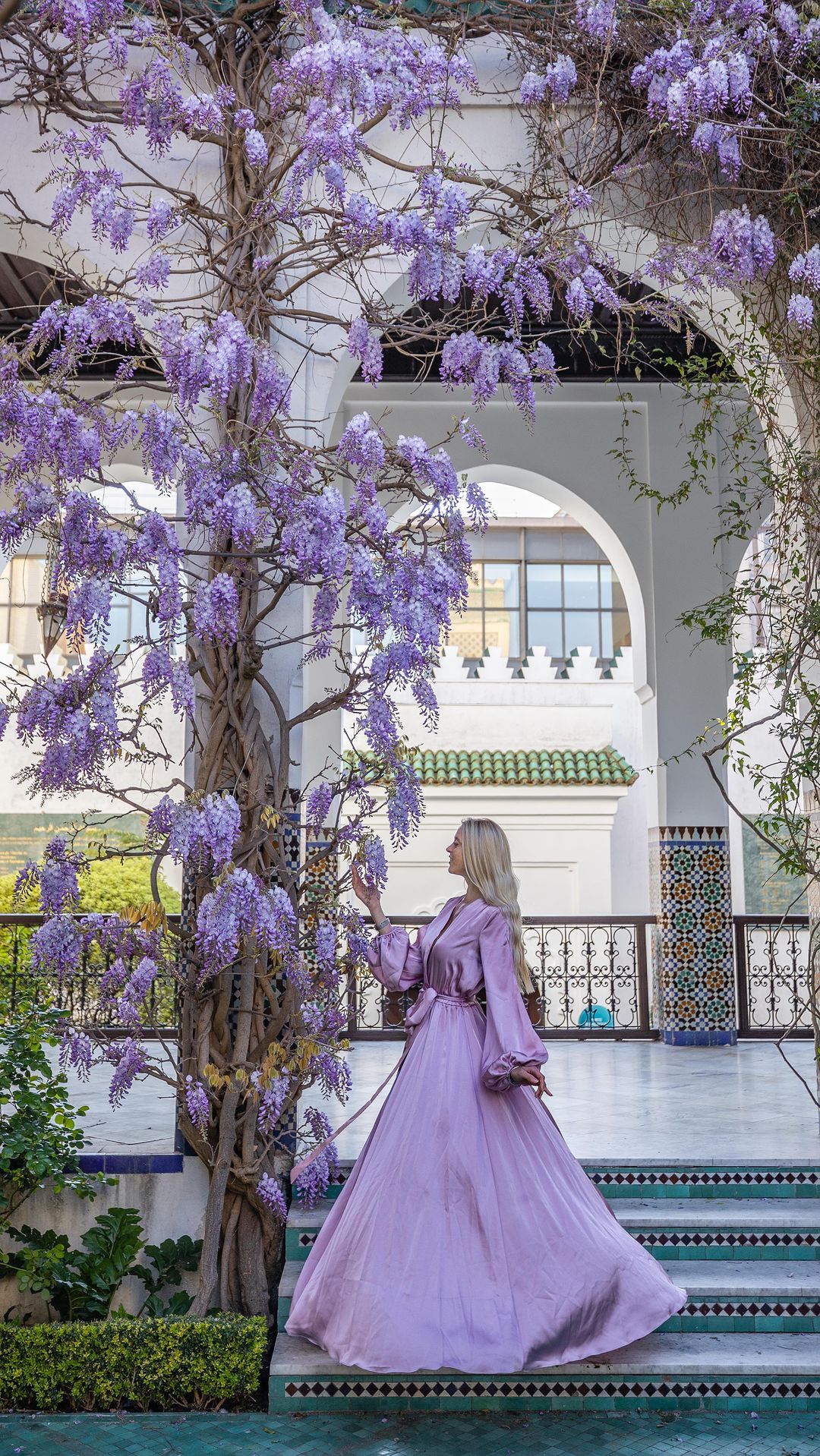
This mosque's architectural style significantly differs from that of Moroccan mosques. Having observed the architectural motifs of Moroccan mosques in documentaries, I particularly noted how they emphasize the proportion of white surrounding blocks of color and focus on transforming geometric shapes into a rhythm that feels fluid. Although I have not personally visited mosques in other places, these observations are mainly from my understanding of the documentaries. When I visited the Paris Mosque, I immediately noticed the South African style with distinct differences in the design motifs. The white blocks here are smaller, and the mosaic style feels more primitive, emphasizing pure geometric shapes and a singular sense of rhythm. These design elements give the mosque a pure and harmonious aesthetic.
Although I don’t understand Arabic, I could still sense the strong religious atmosphere within the mosque. It’s worth noting that no English explanations are offered here, and I wasn’t sure how to book a guided tour. Fortunately, I happened to encounter a school group during my visit, which gave me the opportunity to join their guided tour and learn more. However, even with this, I still couldn't answer specific architectural questions. The guide was very friendly and recommended that I visit the Arab Cultural Association, where I might learn more about these architectural details.
Most of the building materials of the mosque come from Muslim countries, with the wood sourced from Jordan.
Dress Code and Visitor Information As a sacred religious site, the Paris Mosque has a dress code. Regardless of gender, visitors should wear long sleeves and long pants to cover a large portion of the body, showing basic respect for the religious site. Although non-Muslims are not required to cover their hair, wearing simple and modest clothing helps maintain a good visiting experience and avoids unnecessary awkwardness.
It is essential to respect religious doctrines and demonstrate an understanding of the local culture. The staff is friendly and will provide guidance, but they hope that every visitor will consciously follow these basic rules.
Special Visitor Reminders Additionally, I wasn’t able to enter the mosque’s prayer hall during my visit. It seems the library is not regularly open, so if you wish to visit it, you should inquire with the staff. (I only got to go in because of the group tour, and the door had been closed before that.)
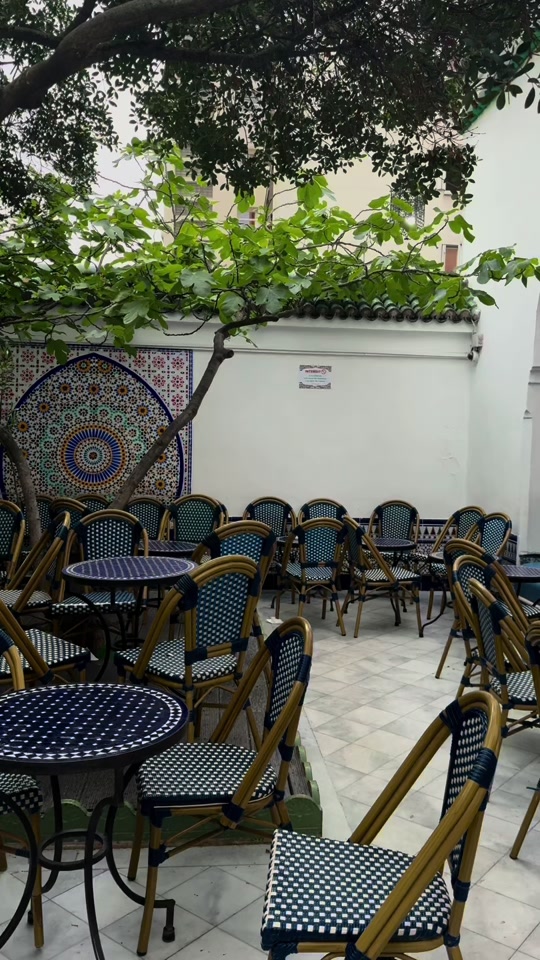
After the visit, I went to the café and ordered unsweetened mint tea, priced at two euros. It's important to note that when ordering mint tea, you must specify no sugar if you prefer it unsweetened, as sugar is added by default. This café is likely part of the mosque's complex, as it shares a similar decorative style, though it is clearly separated from the mosque itself. The café has a sign at the entrance prohibiting dogs, but inside, I encountered two cats, likely used to control the mouse population in Paris. It made me realize that Paris is full of unexpected surprises and interesting coincidences.
Please note that the mosque is closed on special prayer days, so if you’re planning a visit, it’s recommended to check the opening hours in advance. Also, the admission fee is 3 euros, so it’s advisable to have exact change and keep the ticket to avoid any misunderstandings when entering and exiting.
!Staff only provide explanations in French and currently do not offer...
Read moreLa Grande Mosquée de Paris – A Unique Culinary & Cultural Experience
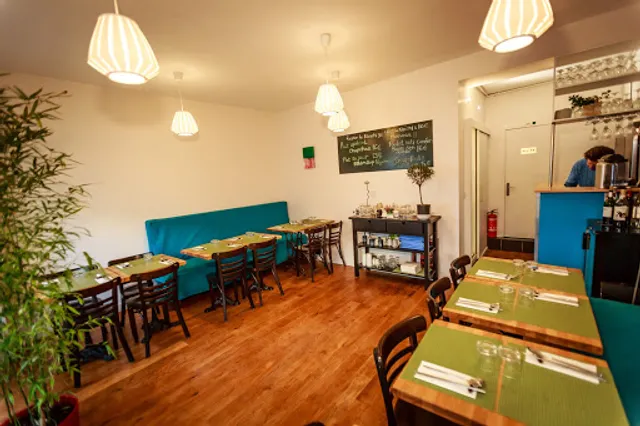
Tucked within one of the most iconic religious and cultural landmarks in Paris, the restaurant and tea salon of La Grande Mosquée de Paris offers a truly unique experience that blends tradition, hospitality, and North African flavors. Located near the Jussieu metro station in the 5th arrondissement, this hidden gem is part of the historic mosque, one of the largest and oldest in Paris, and includes not just prayer spaces but also a traditional Hammam and this elegant restaurant.
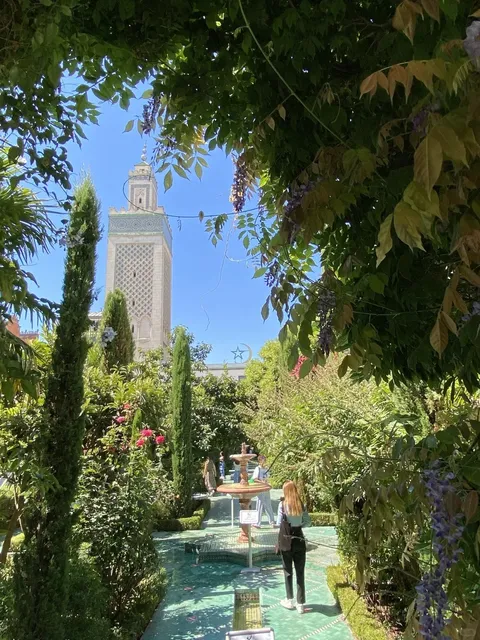
Atmosphere & Setting Stepping into the restaurant feels like crossing into another world. The space is beautifully maintained, showcasing traditional Arab-Andalusian architecture with intricate tilework, ornate arches, carved wood, and lush greenery. The restaurant and tea salon are spread across several intimate rooms and a large outdoor terrace, which, while sometimes a bit tightly packed with tables (business is business, after all), still provides a charming and exotic setting.
Whether you're seated indoors surrounded by colorful mosaics or outside on the bustling terrace under palm trees and lanterns, the ambiance is both vibrant and relaxing. It’s a place locals and visitors return to again and again, not just for the food but for the atmosphere.
The Tea & Sweets Experience One of the most beloved features is the mint tea service, available all day long and into the evening, something quite rare in Paris. Served traditionally in silver pots, you can choose between sweetened and sugar-free versions. The tea is strong, fresh, and aromatic, loaded with mint leaves and poured in the signature high style that creates a light foam.
Accompanying the tea is a beautiful selection of North African pastries, classic Algerian and Moroccan treats such as makrout, gazelle horns, almond cakes, and honey-drenched delights. These are rich, sweet, and perfect for those with a sweet tooth. While not ideal for those on a low-sugar diet (like myself), my friends and family who indulged described the pastries as authentic and delicious, though admittedly a bit too sugary for some tastes, which is typical of traditional Maghrebi desserts.
The Cuisine For heartier fare, the restaurant serves traditional Maghrebi dishes, most notably couscous. The couscous here is consistently well-prepared: the grains are fluffy, the meats (lamb, chicken, or merguez) are tender and flavorful, and the vegetables are cooked just right, not overdone, as can often happen elsewhere. The seasoning is mild rather than spicy, making it approachable for most palates. Portions are generous, and service, while sometimes brisk during busy times, is usually efficient and courteous.
Why You Should Go Whether you're a local looking for a quiet afternoon escape or a traveler seeking an authentic taste of Algerian and North African hospitality, La Grande Mosquée de Paris’s restaurant is a special destination. Open continuously until late into the evening (a rarity in Paris), it's a welcoming place for a late tea, a relaxed meal, or simply to soak in the ambiance of one of the city’s most culturally rich locations.
If you're in the Jussieu or Latin Quarter area and craving couscous, mint tea, or just a peaceful retreat, this is definitely the place to be. Even if you're not indulging in the sweets, the experience itself is well...
Read more