Square des Batignolles things to do, attractions, restaurants, events info and trip planning

Basic Info
Square des Batignolles
144bis Rue Cardinet, 75017 Paris, France
4.5(1.8K)
Closed
Save
spot
spot
Ratings & Description
Info
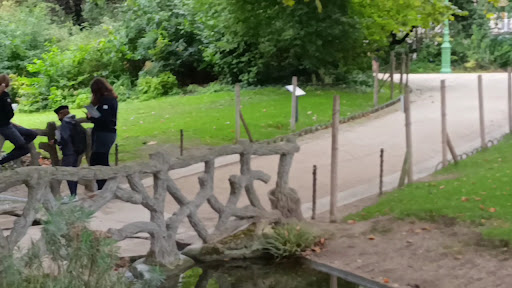
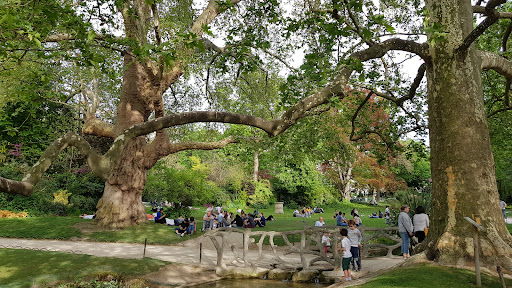
The Square des Batignolles, which covers 16,615 square metres of land, is the largest green space in the 17th arrondissement of Paris. Designed in the naturalistic English-garden style, it lies in the district of Batignolles, near the new Parc Clichy-Batignolles.
Outdoor
Family friendly
Pet friendly
attractions: Parc Clichy-Batignolles - Martin Luther King, Bibliothèque-Discothèque Des Batignolles, Citéco | Cité de l'Économie, Freaks & Geeks Tattoo - Tattoo shop Paris 17, Ateliers Berthier, Musée Jean-Jacques Henner, Monument to Alexandre Dumas, Musée Cernuschi, Parc Street Workout - Les Hauts de Malesherbes, Petite Ceinture du 17e arrondissement, restaurants: Café Dose, Comme Chez Maman, L’Endroit, Gaston, Le Truffaut, La Gioconda, Le Tout Petit, Station Service Batignolles, Restaurant LOFT 148, Cucuzza Ristorante, local businesses: Fitness Park Batignolles Gym Paris 17, Carousel of 'Square des Batignolles'., Midas PARIS 17 - RUE DE ROME, Le Pestacle de Maëlou - Boutique Déco & Cadeaux, Marché Couvert Batignolles, Valessio - Coiffeur Paris 17, French Touche, Notre Plaisir, Phénix Assurances, POP HAIR STUDIO
 Learn more insights from Wanderboat AI.
Website
paris.fr
Open hoursSee all hours
Sat9 AM - 5:45 PMClosed
Plan your stay

Pet-friendly Hotels in Paris
Find a cozy hotel nearby and make it a full experience.

Affordable Hotels in Paris
Find a cozy hotel nearby and make it a full experience.

The Coolest Hotels You Haven't Heard Of (Yet)
Find a cozy hotel nearby and make it a full experience.

Trending Stays Worth the Hype in Paris
Find a cozy hotel nearby and make it a full experience.
Reviews
Live events
M.C. Escher - Exposition
Sat, Feb 21 • 9:00 AM
11 quai de Conti, 75006
View details

Planète Préhistorique : Dinosaures, L’expérience immersive à l’Atelier des Lumières
Sat, Feb 21 • 10:00 AM
38 Rue Saint-Maur, 75011
View details
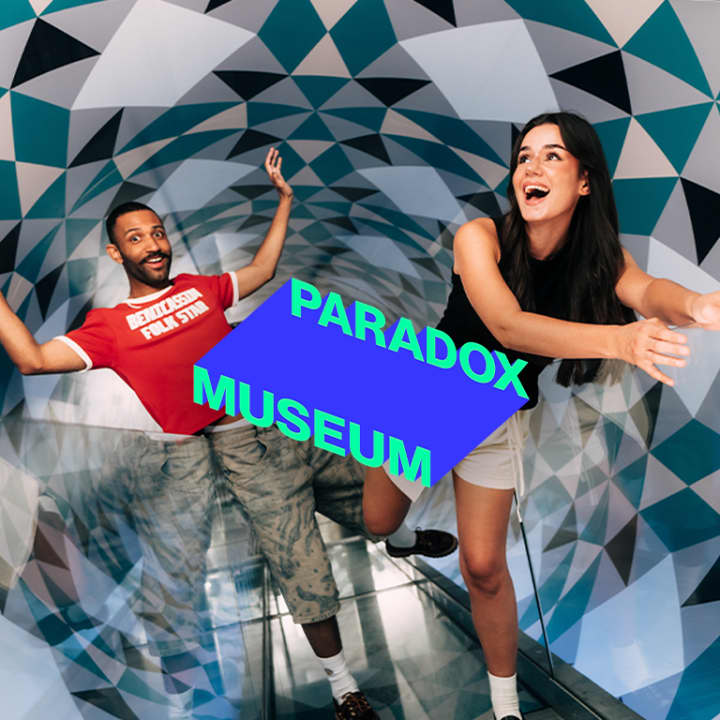
Paradox Museum Paris
Sat, Feb 21 • 9:30 AM
38 Boulevard des Italiens, Paris, 75009
View details
Nearby attractions of Square des Batignolles
Parc Clichy-Batignolles - Martin Luther King
Bibliothèque-Discothèque Des Batignolles
Citéco | Cité de l'Économie
Freaks & Geeks Tattoo - Tattoo shop Paris 17
Ateliers Berthier
Musée Jean-Jacques Henner
Monument to Alexandre Dumas
Musée Cernuschi
Parc Street Workout - Les Hauts de Malesherbes
Petite Ceinture du 17e arrondissement
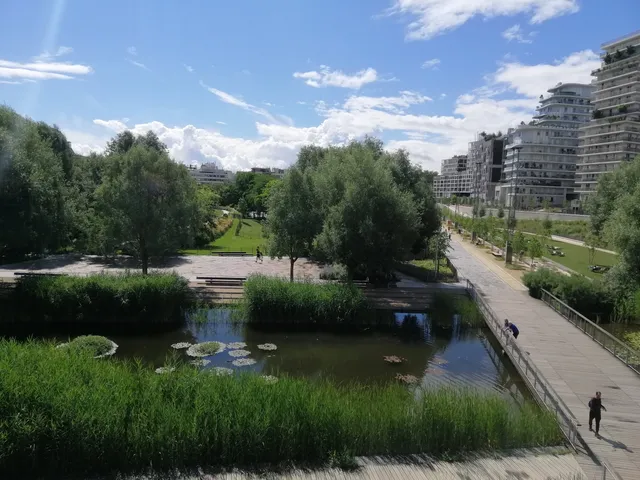
Parc Clichy-Batignolles - Martin Luther King
4.4
(3K)
Closed
Click for details
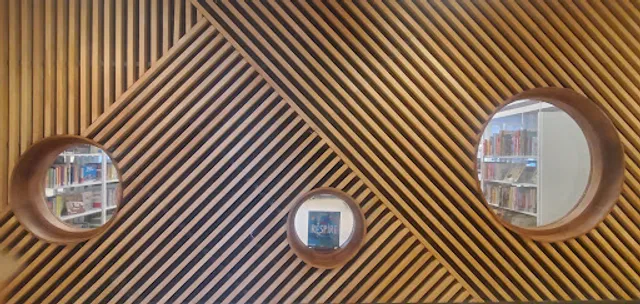
Bibliothèque-Discothèque Des Batignolles
3.7
(45)
Closed
Click for details
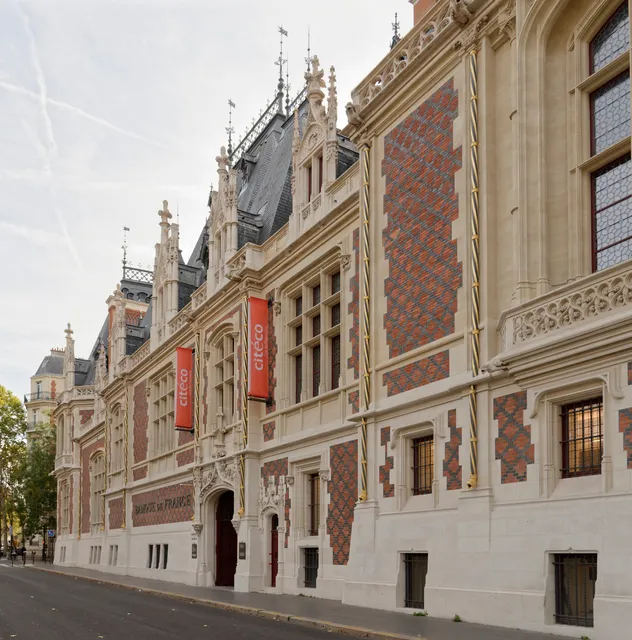
Citéco | Cité de l'Économie
4.7
(610)
Closed
Click for details

Freaks & Geeks Tattoo - Tattoo shop Paris 17
4.9
(203)
Closed
Click for details
Nearby restaurants of Square des Batignolles
Café Dose
Comme Chez Maman
L’Endroit
Gaston
Le Truffaut
La Gioconda
Le Tout Petit
Station Service Batignolles
Restaurant LOFT 148
Cucuzza Ristorante
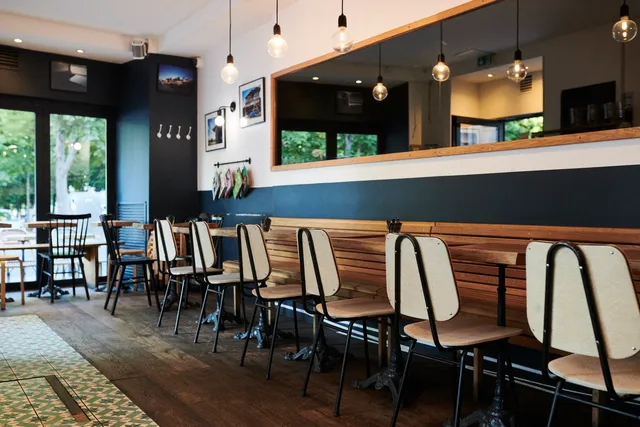
Café Dose
4.7
(1.8K)
Closed
Click for details
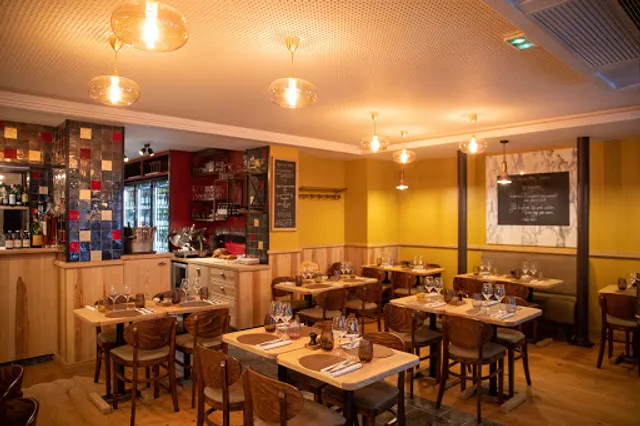
Comme Chez Maman
4.5
(598)
$$$
Closed
Click for details
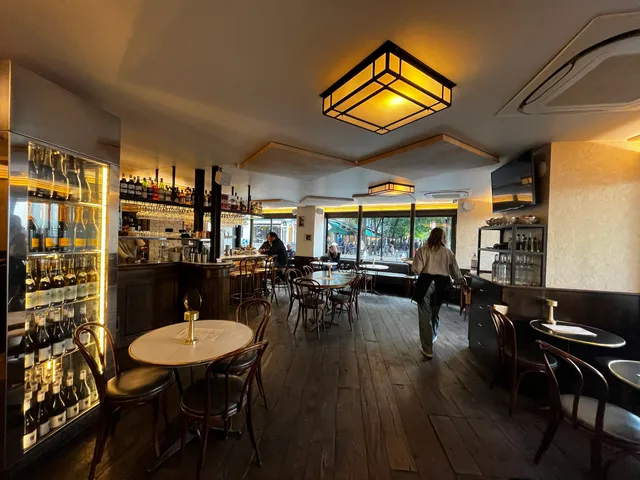
L’Endroit
4.5
(1.1K)
$$
Open until 2:00 AM
Click for details
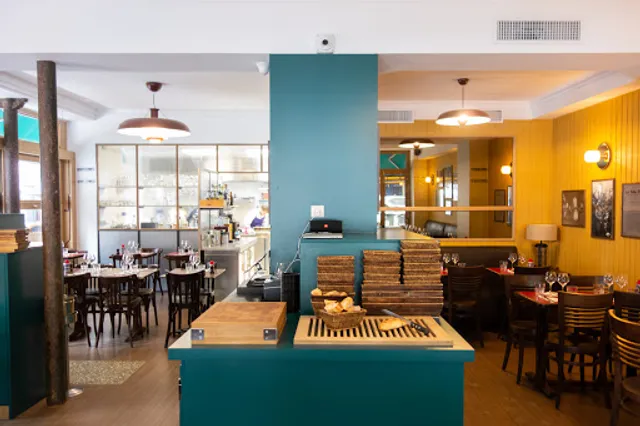
Gaston
4.5
(814)
$$
Closed
Click for details
Nearby local services of Square des Batignolles
Fitness Park Batignolles Gym Paris 17
Carousel of 'Square des Batignolles'.
Midas PARIS 17 - RUE DE ROME
Le Pestacle de Maëlou - Boutique Déco & Cadeaux
Marché Couvert Batignolles
Valessio - Coiffeur Paris 17
French Touche
Notre Plaisir
Phénix Assurances
POP HAIR STUDIO
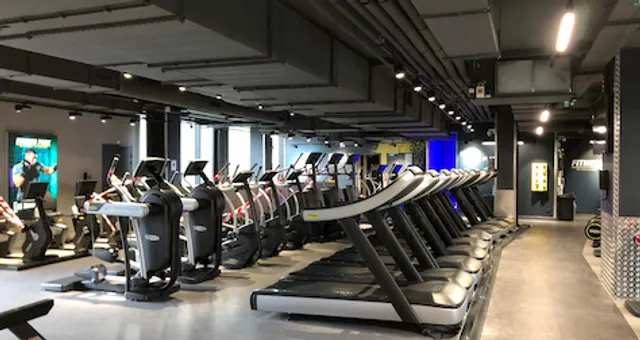
Fitness Park Batignolles Gym Paris 17
4.4
(685)
Click for details
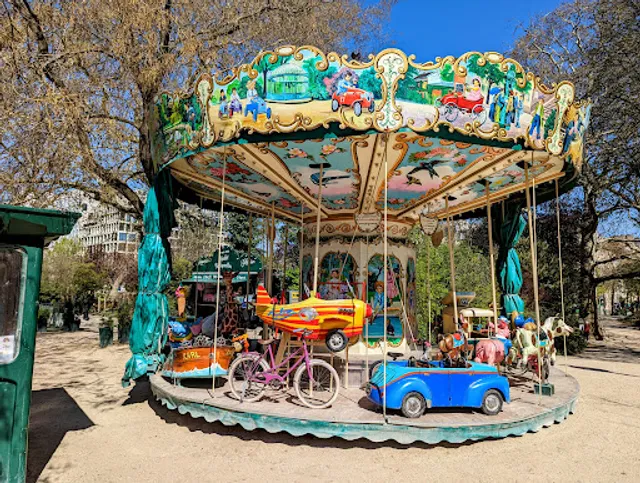
Carousel of 'Square des Batignolles'.
4.2
(17)
Click for details

Midas PARIS 17 - RUE DE ROME
4.4
(226)
Click for details
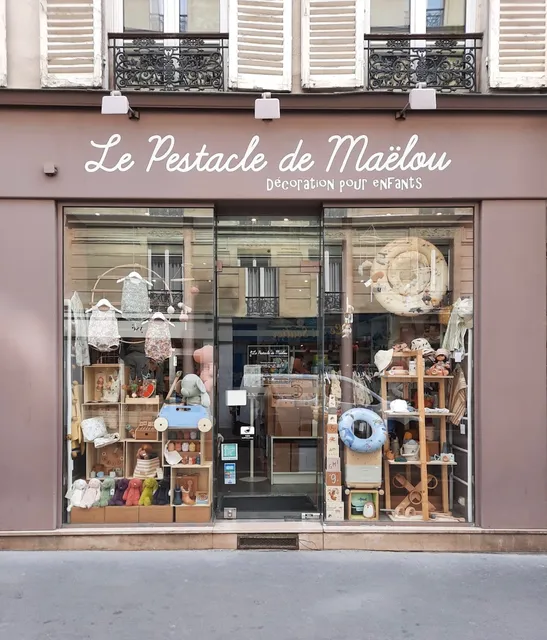
Le Pestacle de Maëlou - Boutique Déco & Cadeaux
5.0
(78)
Click for details