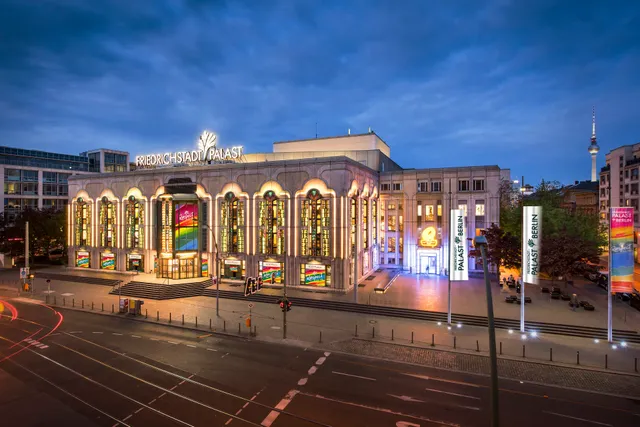
Friedrichstadt-Palast Berlin stands as an emblem of cultural richness and artistic innovation in the heart of the German capital. From its humble origins to its current status as one of Europe's premier venues for performing arts, the Palast has woven itself into the fabric of Berlin's cultural landscape. This article traces the fascinating history of Friedrichstadt-Palast, chronicling its evolution from a modest variety theater to a dazzling showcase of music, dance, and spectacle.
Origins and Early Years: Friedrichstadt-Palast traces its roots back to the early 20th century when it was established as a variety theater in Berlin's Friedrichstadt district. Originally known as "Friedrichstadt-Palast-Theater," it quickly gained popularity for its diverse program of entertainment, featuring vaudeville acts, musical performances, and revues. Despite facing challenges during World War II, the theater persevered, emerging as a symbol of resilience and cultural continuity amidst adversity.
Post-War Reconstruction and Renaissance: Following the devastation of World War II, Friedrichstadt-Palast underwent extensive reconstruction and refurbishment, signaling a new chapter in its history. With Berlin divided into East and West, the Palast found itself located in the Soviet-controlled East Berlin. Under the auspices of the German Democratic Republic (GDR), the theater underwent a period of revitalization, attracting audiences with its spectacular productions and state-of-the-art facilities.
The GDR Era: During the GDR era, Friedrichstadt-Palast became a cultural hub, showcasing a unique blend of socialist realism and artistic innovation. Its productions often celebrated socialist ideals while incorporating elements of traditional folklore, classical music, and modern dance. The theater's grandeur and opulence served as a testament to the cultural aspirations of the GDR regime, attracting visitors from across East Germany and beyond.
Reunification and Reinvention: With the reunification of Germany in 1990, Friedrichstadt-Palast faced a period of transition and reinvention. Embracing newfound artistic freedom and international collaboration, the theater embarked on a bold new direction, expanding its repertoire to encompass a diverse range of genres and styles. Under the leadership of visionary directors and choreographers, the Palast redefined itself as a beacon of creativity and innovation in post-reunification Berlin.
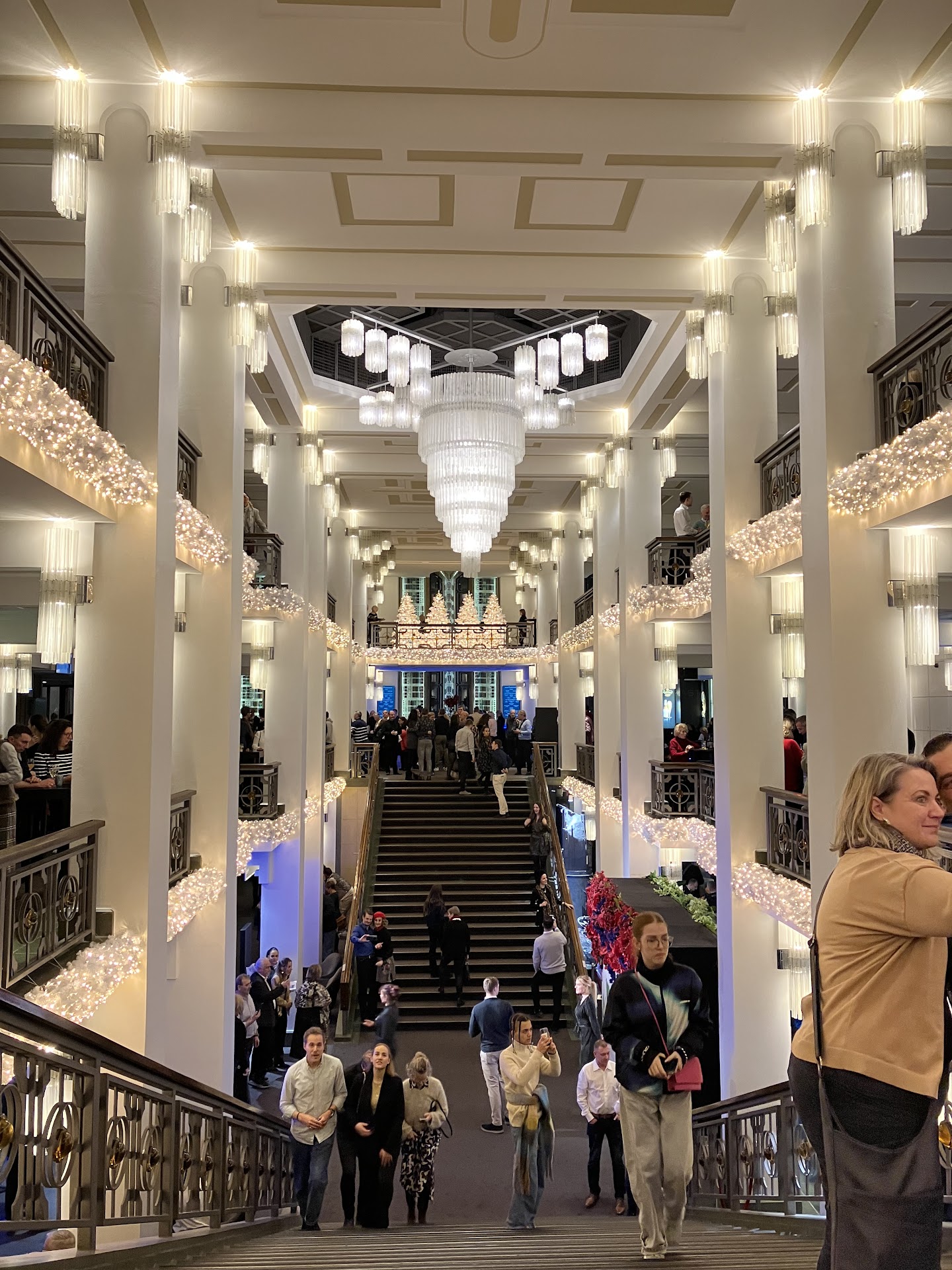
The Modern Era: Today, Friedrichstadt-Palast stands as a vibrant symbol of Berlin's cultural renaissance, captivating audiences with its world-class productions and cutting-edge technology. From dazzling revues to avant-garde performances, the theater continues to push the boundaries of artistic expression, attracting visitors from around the globe. With its iconic architecture, immersive multimedia experiences, and commitment to artistic excellence, the Palast remains an essential destination for lovers of music, dance, and spectacle.
Friedrichstadt-Palast Berlin embodies the spirit of innovation, resilience, and artistic excellence that defines the German capital. From its humble beginnings to its current status as a global cultural destination, the Palast has transcended boundaries and captivated audiences with its dazzling displays of creativity and imagination. As it continues to evolve and inspire, Friedrichstadt-Palast remains a shining example of Berlin's enduring commitment to the arts and its rich...
Read moreArise is the latest Friedrichstadtpalast production and follows in the same style as previous shows, such as Vivid and The Wyld. As ever, there's a story of sorts buried somewhere beneath the spectacle, but most people in the audience will struggle to follow the finer points of what's going on. But it doesn't really matter - it's the spectacle that people come for, after all.
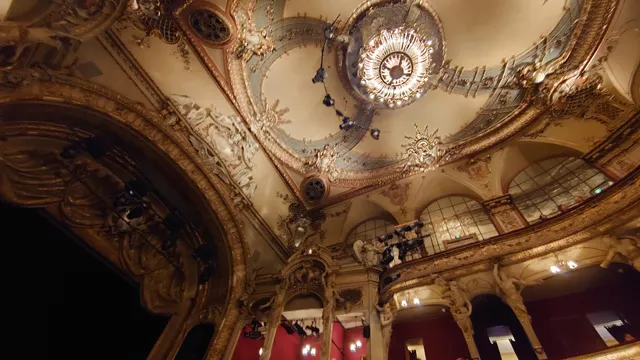
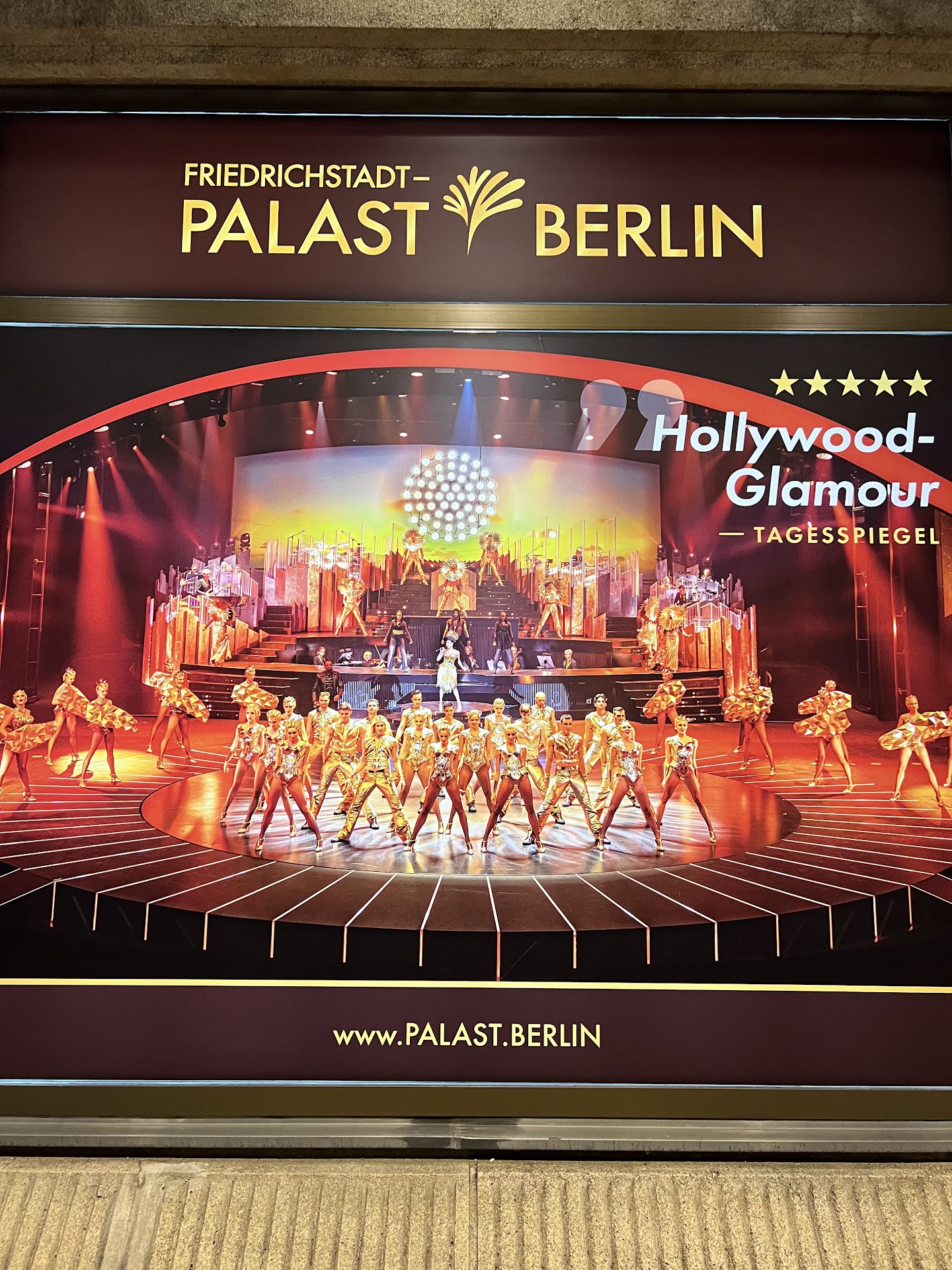
That spectacle starts with the auditorium and the stage itself - no matter how often you've been to the Friedrichstadtpalast, the sheer scale of the stage and the range of technical trickery on offer never cease to take the breath away.
Once the show begins, the space fills with the show's ensemble of performers - singers, dancers, an orchestra. The costumes are mind-bending, the staging extraordinary - this is a show that's created in a world where the word "understated" doesn't exist. No idea is too bonkers to be part of this extravaganza, and half the time you won't know where to focus your attention, so much is going on. Big dance numbers alternate with circus acts and moments of true stage spectacle, and it all kind of hangs together, but only kind of. If you're looking for subtlety, this definitely isn't for you.
The music is a mix of hip hop, disco rock beats and power ballads. The songs are rendered in a strange mix of German and English, and sometimes it's hard to even work out which language is currently being used. If anything, the songs are somewhat the weak point of this particular show - it's more "song-heavy" than previous shows, and both lyrics and melodies often fail to soar as they should, settling instead for the generic and even banal, which is a shame, given the "turn it up to 11" feel of the rest of the show.
But that doesn't take away from the overall experience. There is a wonderful Parisian can-can-inspired sequence at the end of the first half that's a joy to behold. And the second half opens with an extraordinary extended dance routine featuring almost the entire ensemble - it builds and builds with an almost hypnotic repetition and represents one of the true highlights of the show.
"Arise" won't be for everyone, and it's easy to imagine some people absolutely hating it. But if you go along for the ride with an open mind, willing to be just entertained by what is genuinely a unique Berlin spectacle, then there's a good chance you'll join the rest of the audience - on their feet at the end of the show, giving the performers the standing ovation that they...
Read moreShow watched: ARise Show time: 65min/25min interval/ 65min
Language Show is in a mix of English and German. But that doesn’t really matter because the acts and visual spectacle can better translate the whole story, feel and emotions.
Dance Choreography is seamless and fantastic with only mere moments of transition giving u barely enough time to comprehend until the applauses reacts. From cabaret style to pop and aerial ballet, it was a fusion of both art and form.
Music From rapping to Maksim like crossovers with dashes of solo and strings akin to that of Vivaldi, it was the perfect ensemble. All music are performed live and performers shown at spots and locations around the stage.
Stage The smart use of levelling for performers, lights and depth of field with a central rotating stage was something I haven’t seen since David copper field magic acts. Stage technology used here have accentuated the story telling element regardless where u r seated.
Performers This show celebrates diversity in all forms. From LGBT to soloist of different Colours, the director has truly incorporated what it means for us to be in an inclusive world.
Storyline (based on my own interpretation as I do not understand German) The pratogonist is a photographer. Struggling with the loss of what to shoot, he consulted with Time to find back his inspiration. Time brought him back with his Muse, calls him to revisit his past works to induce inception. With the help of light, he found back his muse.
The review. A must watch if anyone is in Berlin. Do remember to book tickets waaay in advance as it’s almost full every single day. Being a fervent theatre/play/musical/orchestral goer, this show truly transcends my expectations. The music is original and fits the story telling from intro to climax, the theatre costumes details is fine and does lose to broadway types plays. Ticket prices are way cheaper if u compare it to actual full fledge plays/musicals. I don’t usually recommend front row seats as they are exorbitantly priced and not worth the experience. This show however, I totally...
Read more