Bode-Museum things to do, attractions, restaurants, events info and trip planning
Basic Info
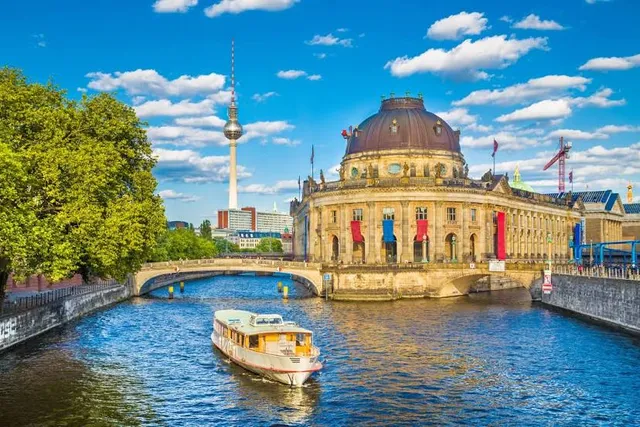
Bode-Museum
Am Kupfergraben 3, 10178 Berlin, Germany
4.5(3.1K)
Open until 5:00 PM


tickets
Save
spot
spot
Ratings & Description
Info
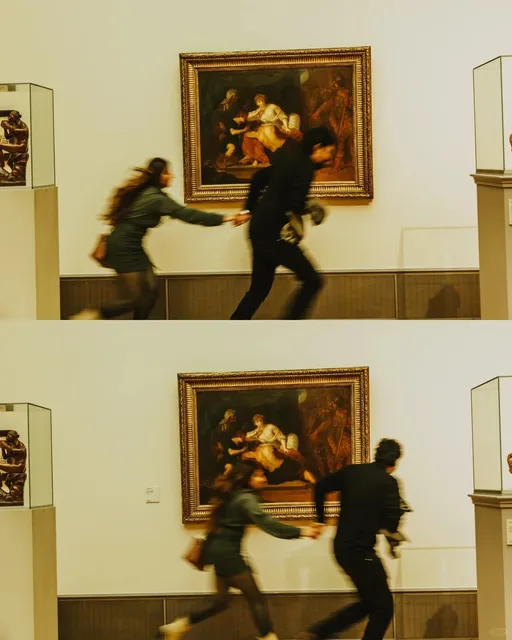
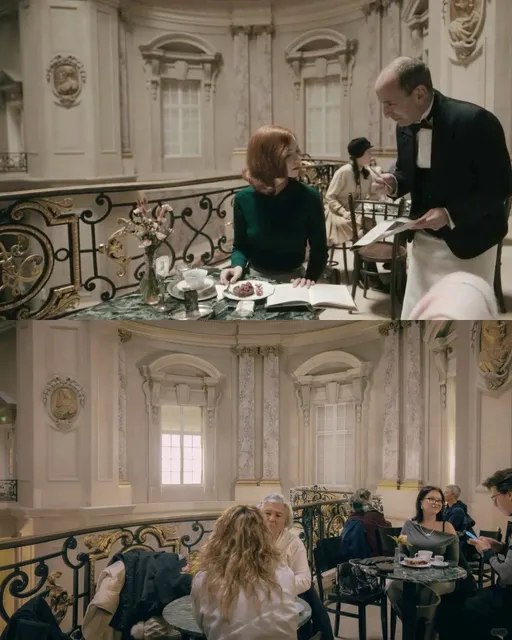
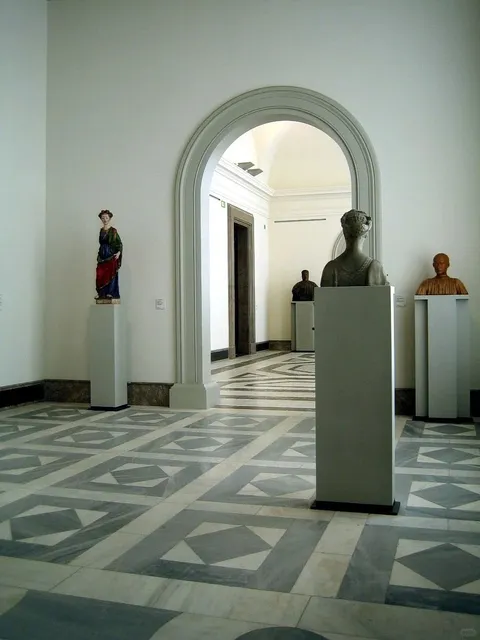
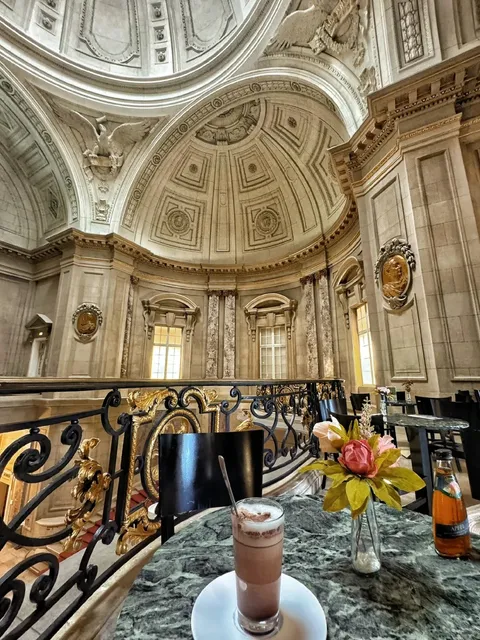
The Bode Museum, formerly called the Kaiser-Friedrich-Museum, is a listed building on the Museum Island in the historic centre of Berlin. It was built from 1898 to 1904 by order of German Emperor William II according to plans by Ernst von Ihne in Baroque Revival style.
Cultural
Accessibility
attractions: Pergamonmuseum, Pergamon Museum - The Panorama, Monbijoupark, Neues Museum, Alte Nationalgalerie, UNESCO Weltkulturerbe Museumsinsel, Friedrichstadt-Palast, Egyptian Museum and Papyrus Collection, German Historical Museum, Museum of Islamic Art, restaurants: petit bijou, Strandbar Mitte, Jolly, Kin Za Georgian Kitchen Cafe and, Cantina Mexicana Que Pasa | Mexikanisches Restaurant Berlin Mitte | Cocktailbar, Hummus & Friends, Supreme Burger, YUNA Berlin, Root Bistro & Bar, Café Wilhelm, local businesses: Flea Market at Bode Museum, Insider Tour Berlin, Oranienburger Str., Deutsches Historisches Museum - Pei-Bau, Friedrichstraße, Sprüth Magers Gallery, Oranienburger Straße, Pergamon Döner, eve - by Night Kitchen, Mensa HU Süd
 Learn more insights from Wanderboat AI.
Phone
+49 30 266424242
Website
smb.museum
Open hoursSee all hours
Fri10 AM - 5 PMOpen
Plan your stay

Pet-friendly Hotels in Berlin
Find a cozy hotel nearby and make it a full experience.

Affordable Hotels in Berlin
Find a cozy hotel nearby and make it a full experience.

The Coolest Hotels You Haven't Heard Of (Yet)
Find a cozy hotel nearby and make it a full experience.

Trending Stays Worth the Hype in Berlin
Find a cozy hotel nearby and make it a full experience.
Reviews
Live events
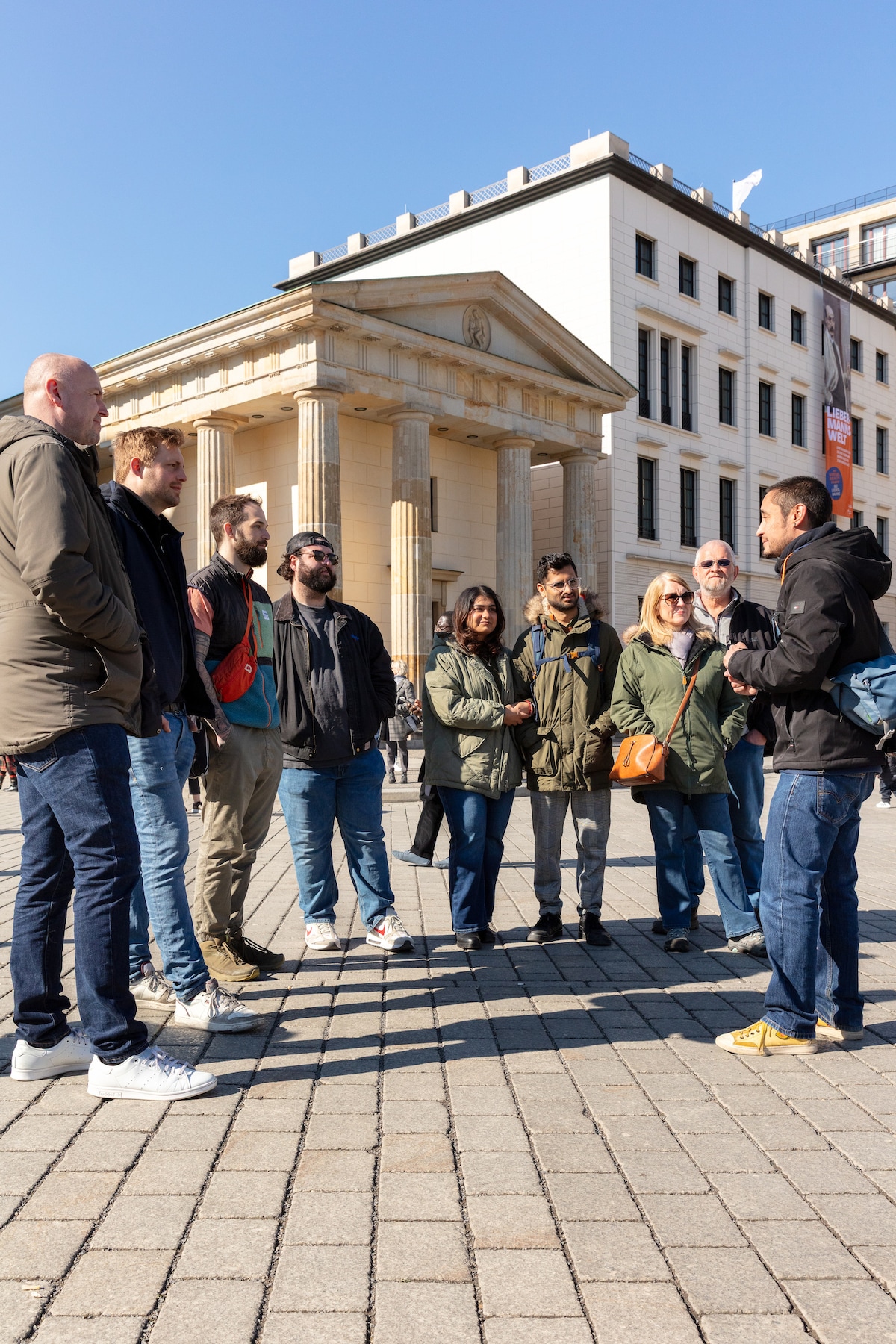
Rude Bastards Tour of® Berlin
Fri, Feb 20 • 3:00 PM
10785, Berlin, Germany
View details

Bubble Planet: Das Erlebnismuseum für alle Sinne
Fri, Feb 20 • 3:00 PM
Eichenstraße 4, Berlin, 12435
View details
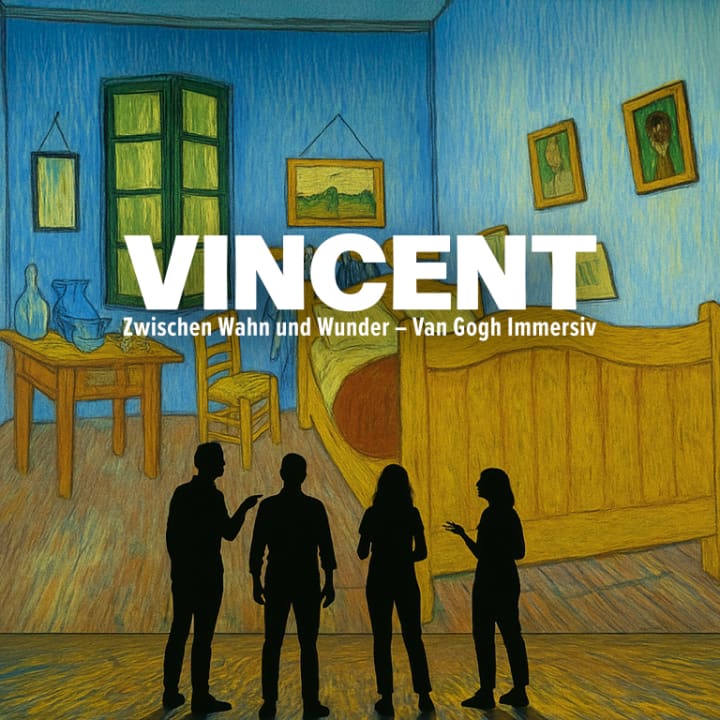
VINCENT - Zwischen Wahn und Wunder
Fri, Feb 20 • 2:30 PM
Revaler Str. 99, Berlin, 10245
View details
Nearby attractions of Bode-Museum
Pergamonmuseum
Pergamon Museum - The Panorama
Monbijoupark
Neues Museum
Alte Nationalgalerie
UNESCO Weltkulturerbe Museumsinsel
Friedrichstadt-Palast
Egyptian Museum and Papyrus Collection
German Historical Museum
Museum of Islamic Art
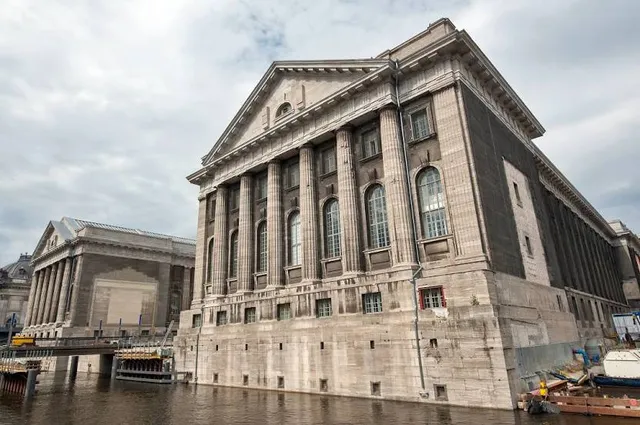
Pergamonmuseum
4.5
(11K)
Open 24 hours
Click for details

Pergamon Museum - The Panorama
4.7
(1.9K)
Open until 6:00 PM
Click for details
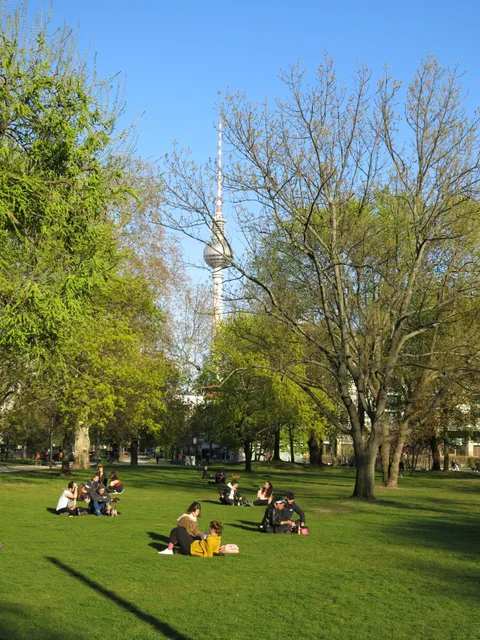
Monbijoupark
4.4
(3.6K)
Open until 12:00 AM
Click for details
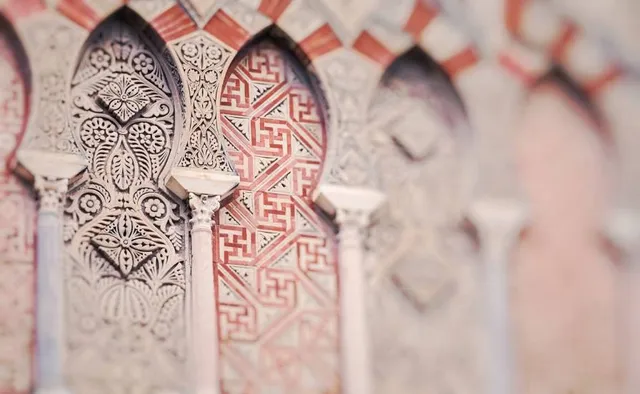
Neues Museum
4.5
(5.6K)
Open until 6:00 PM
Click for details
Nearby restaurants of Bode-Museum
petit bijou
Strandbar Mitte
Jolly
Kin Za Georgian Kitchen Cafe and
Cantina Mexicana Que Pasa | Mexikanisches Restaurant Berlin Mitte | Cocktailbar
Hummus & Friends
Supreme Burger
YUNA Berlin
Root Bistro & Bar
Café Wilhelm
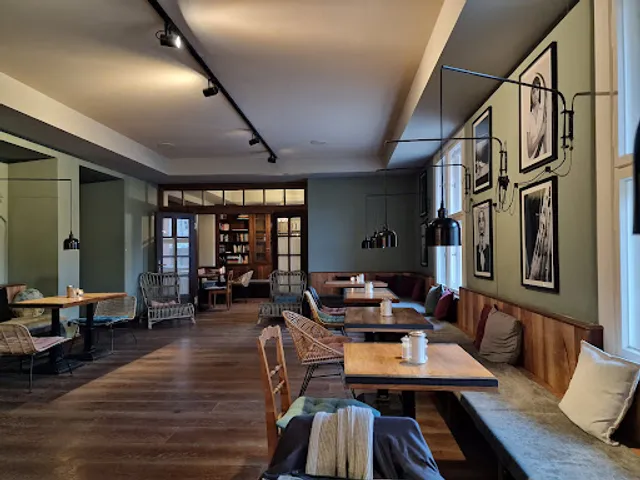
petit bijou
3.7
(698)
Open until 6:00 PM
Click for details
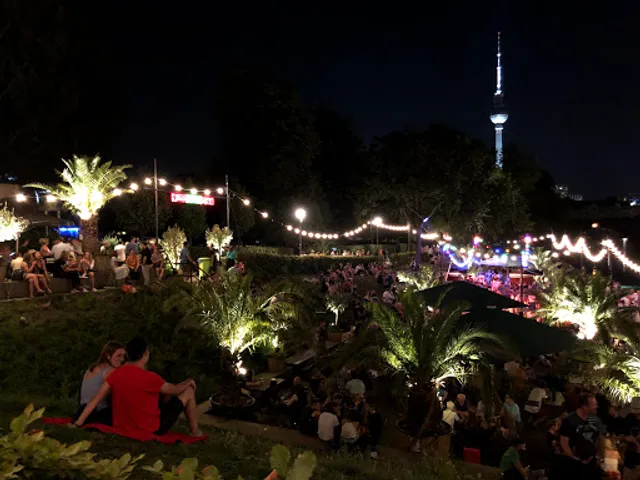
Strandbar Mitte
4.3
(446)
Open until 8:00 PM
Click for details
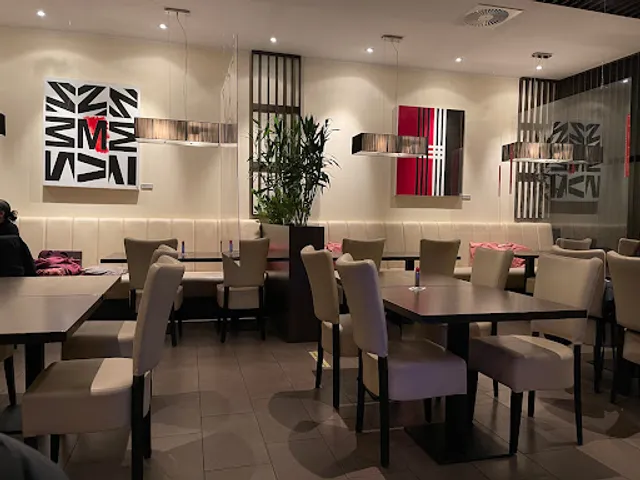
Jolly
4.6
(1.4K)
Open until 9:00 PM
Click for details
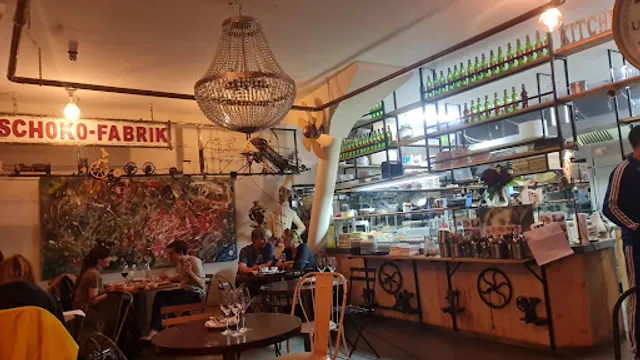
Kin Za Georgian Kitchen Cafe and
4.8
(6K)
$$
Open until 10:00 PM
Click for details
Nearby local services of Bode-Museum
Flea Market at Bode Museum
Insider Tour Berlin
Oranienburger Str.
Deutsches Historisches Museum - Pei-Bau
Friedrichstraße
Sprüth Magers Gallery
Oranienburger Straße
Pergamon Döner
eve - by Night Kitchen
Mensa HU Süd
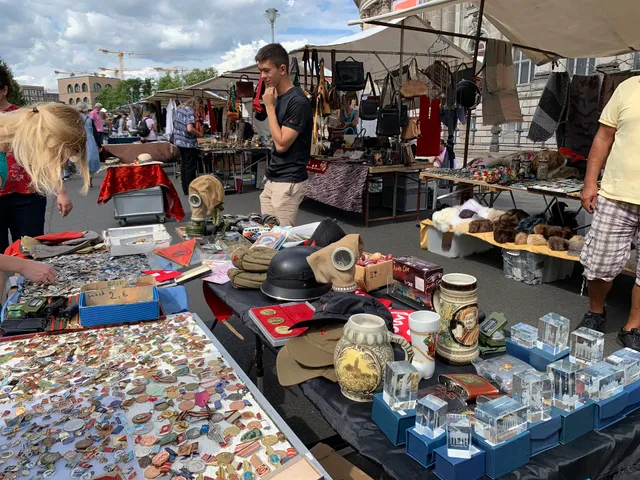
Flea Market at Bode Museum
3.9
(288)
Click for details
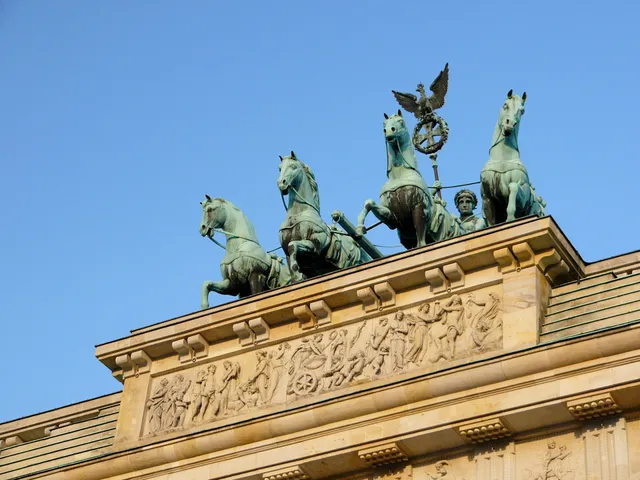
Insider Tour Berlin
5.0
(7.2K)
Click for details
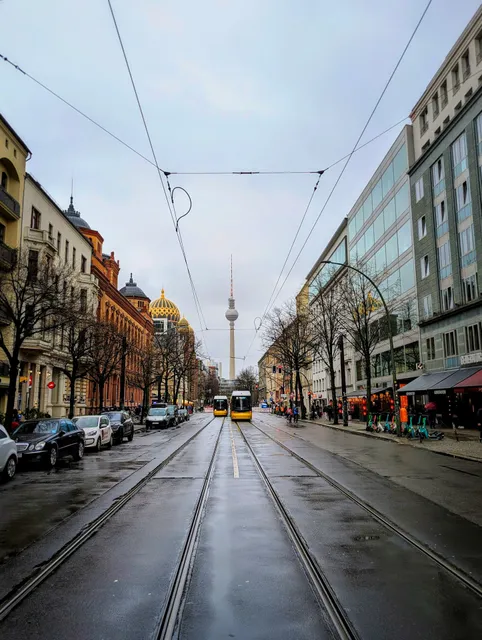
Oranienburger Str.
4.5
(169)
Click for details
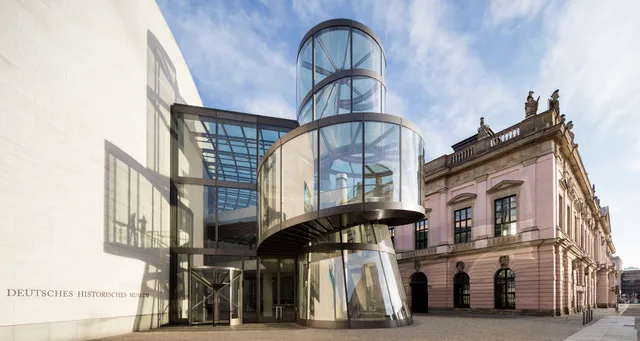
Deutsches Historisches Museum - Pei-Bau
4.3
(275)
Click for details