Grassi Museum of Applied Arts things to do, attractions, restaurants, events info and trip planning
Basic Info
Grassi Museum of Applied Arts
GRASSI Museum für Angewandte Kunst, Johannispl. 5-11, 04103 Leipzig, Germany
4.6(1.0K)
Open until 6:00 PM

tickets
Save
spot
spot
Ratings & Description
Info
The Museum of Applied Arts is a museum in Leipzig, Germany. It is the second oldest museum of decorative arts in the country, founded just six years after the Kunstgewerbemuseum Berlin.
Cultural
Accessibility
attractions: Alter Johannisfriedhof, Mendelssohn-Haus, Gewandhaus, Schumann-Haus Leipzig, Moritzbastei, Mendebrunnen, St. Nicholas Church, Egyptian Museum, Reclam-Museum, Oper Leipzig, restaurants: Cat Temple Leipzig East, Café im Grassi Restaurant, Coffeeshop Leipzig. Bar italiano, Jeepney Café Mitte, Zhang Chinarestaurant, Franz Morish Coffee Roastery, Restaurant Zunftkeller, 11Bar Restaurant, Il Mondo Leipzig, Design Aparthotel am Augustusplatz im Lebendigen Haus, local businesses: Grassi Museum of Ethnology in Leipzig, Museum of musical instruments, Al Mustafa Döner Kebab, Leipzig Tourismus und Marketing GmbH, PRINZ Döner, Parthe, Mekong Asiasupermarkt und Restaurant, Lindt Boutique Leipzig, SEPHORA CORNER LEIPZIG, Denns BioMarkt Leipzig
 Learn more insights from Wanderboat AI.
Phone
+49 341 2229100
Website
grassimak.de
Open hoursSee all hours
Sat10 AM - 6 PMOpen
Plan your stay

Pet-friendly Hotels in Leipzig
Find a cozy hotel nearby and make it a full experience.

Affordable Hotels in Leipzig
Find a cozy hotel nearby and make it a full experience.

The Coolest Hotels You Haven't Heard Of (Yet)
Find a cozy hotel nearby and make it a full experience.

Trending Stays Worth the Hype in Leipzig
Find a cozy hotel nearby and make it a full experience.
Reviews
Live events

Valentinstag: Paarzeit-Schatzsuche Leipzig Altstadt
Sat, Feb 21 • 11:00 AM
Kurt-Masur-Platz 1, Leipzig, 04109
View details

Candlelight: Tribut an Linkin Park
Sat, Feb 21 • 8:30 PM
Schletterstraße 5, Leipzig, 04107
View details

Stadtabenteuer: Leipzig Altstadt Edition
Sat, Feb 21 • 10:00 AM
Kurt-Masur-Platz 1, 04109 Leipzig, 04109
View details
Nearby attractions of Grassi Museum of Applied Arts
Alter Johannisfriedhof
Mendelssohn-Haus
Gewandhaus
Schumann-Haus Leipzig
Moritzbastei
Mendebrunnen
St. Nicholas Church
Egyptian Museum
Reclam-Museum
Oper Leipzig
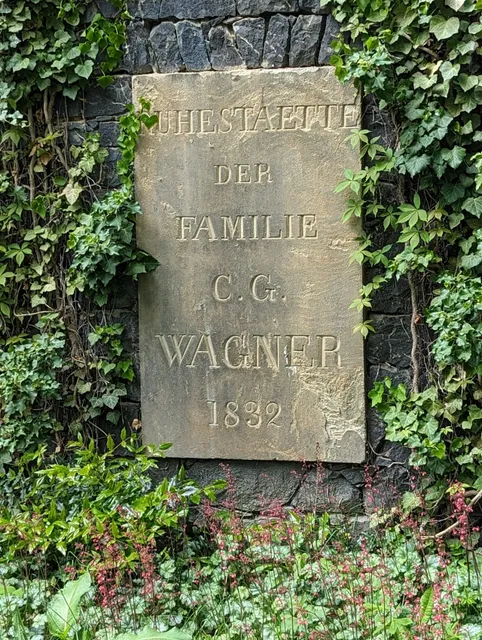
Alter Johannisfriedhof
4.6
(94)
Open until 6:00 PM
Click for details
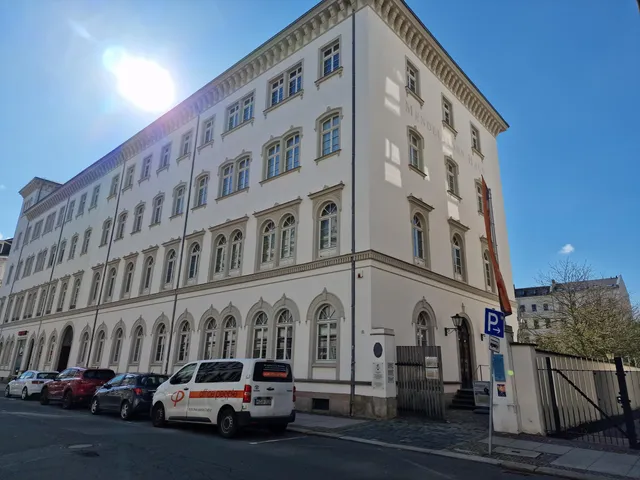
Mendelssohn-Haus
4.7
(527)
Open until 6:00 PM
Click for details
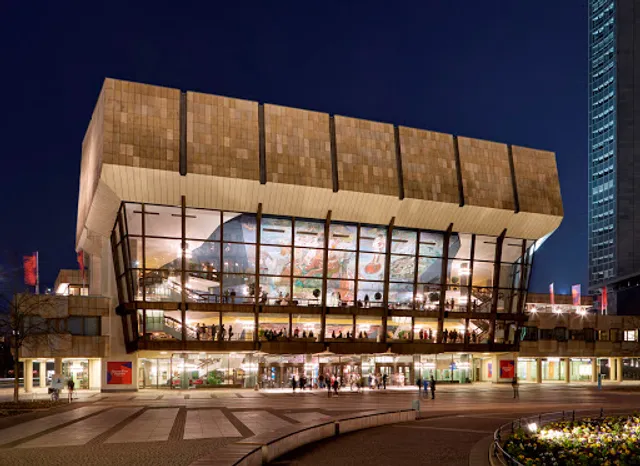
Gewandhaus
4.7
(2.5K)
Open 24 hours
Click for details
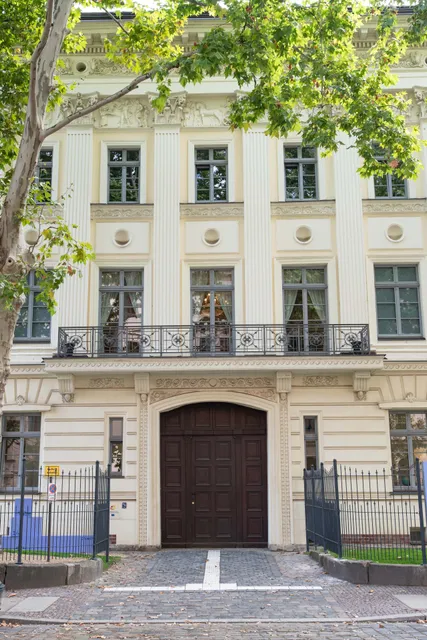
Schumann-Haus Leipzig
4.2
(143)
Open until 6:00 PM
Click for details
Nearby restaurants of Grassi Museum of Applied Arts
Cat Temple Leipzig East
Café im Grassi Restaurant
Coffeeshop Leipzig. Bar italiano
Jeepney Café Mitte
Zhang Chinarestaurant
Franz Morish Coffee Roastery
Restaurant Zunftkeller
11Bar Restaurant
Il Mondo Leipzig
Design Aparthotel am Augustusplatz im Lebendigen Haus
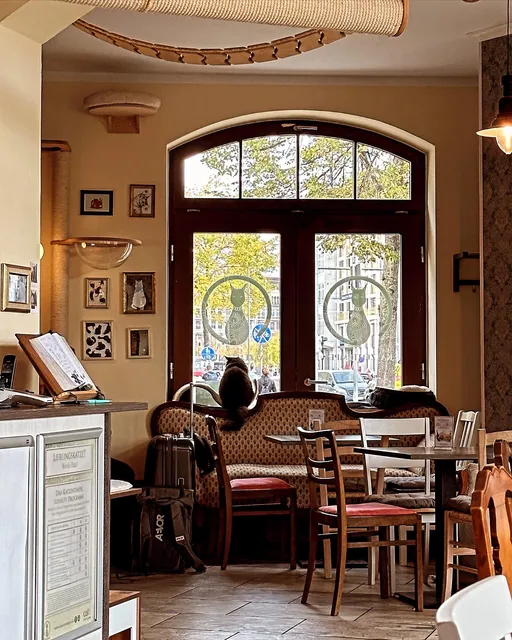
Cat Temple Leipzig East
4.6
(1.2K)
$$
Open until 8:00 PM
Click for details
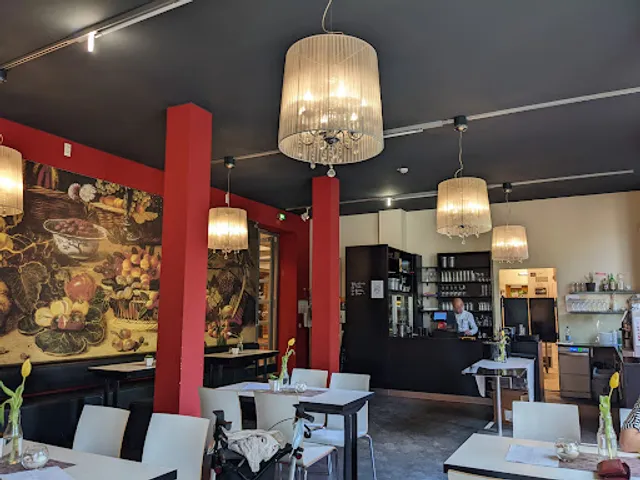
Café im Grassi Restaurant
3.6
(32)
Open until 5:00 PM
Click for details

Coffeeshop Leipzig. Bar italiano
4.8
(214)
Open until 7:30 PM
Click for details
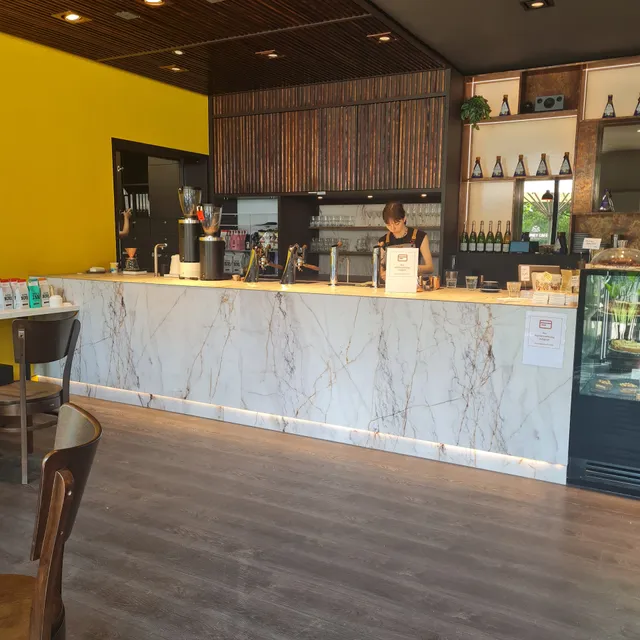
Jeepney Café Mitte
4.5
(229)
Open until 5:00 PM
Click for details
Nearby local services of Grassi Museum of Applied Arts
Grassi Museum of Ethnology in Leipzig
Museum of musical instruments
Al Mustafa Döner Kebab
Leipzig Tourismus und Marketing GmbH
PRINZ Döner
Parthe
Mekong Asiasupermarkt und Restaurant
Lindt Boutique Leipzig
SEPHORA CORNER LEIPZIG
Denns BioMarkt Leipzig

Grassi Museum of Ethnology in Leipzig
4.5
(475)
Click for details
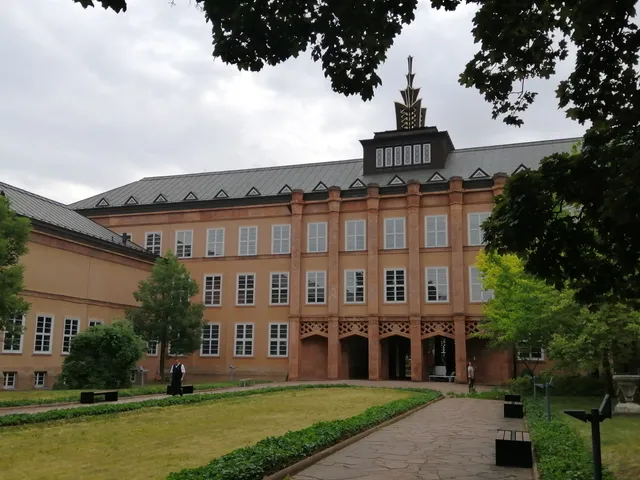
Museum of musical instruments
4.6
(57)
Click for details
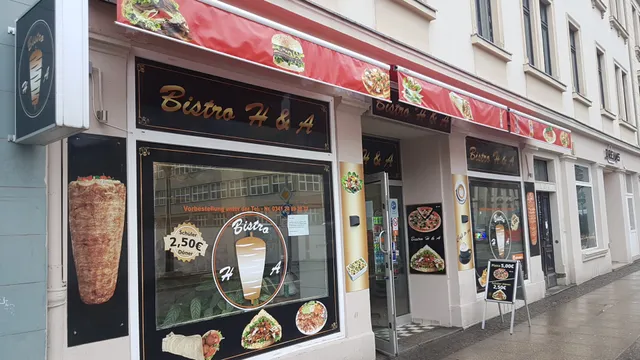
Al Mustafa Döner Kebab
4.6
(190)
Click for details

Leipzig Tourismus und Marketing GmbH
4.7
(17)
Click for details